
Explore the Map
Seleucia
33.0944° N, 44.5222° E
About
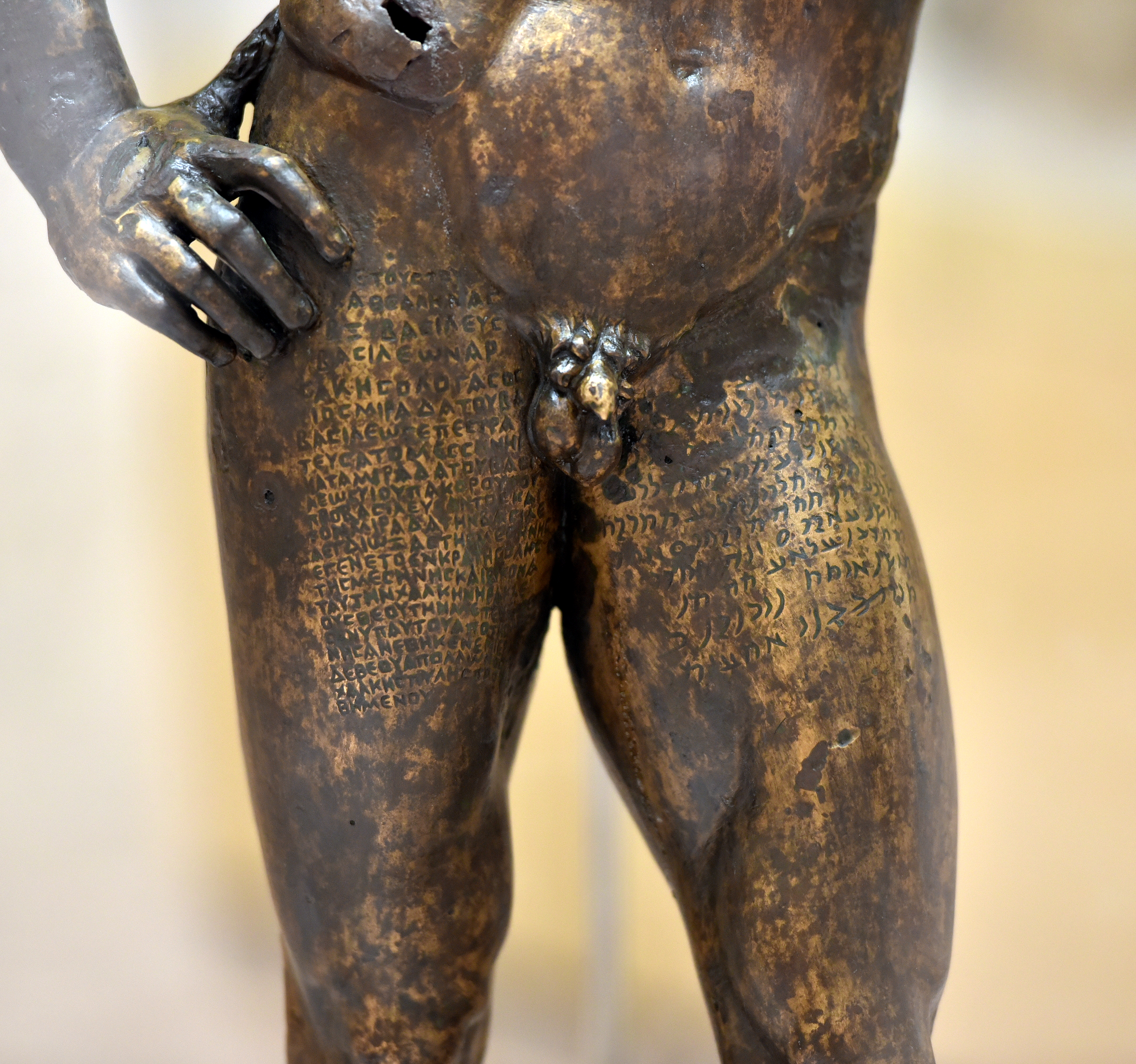
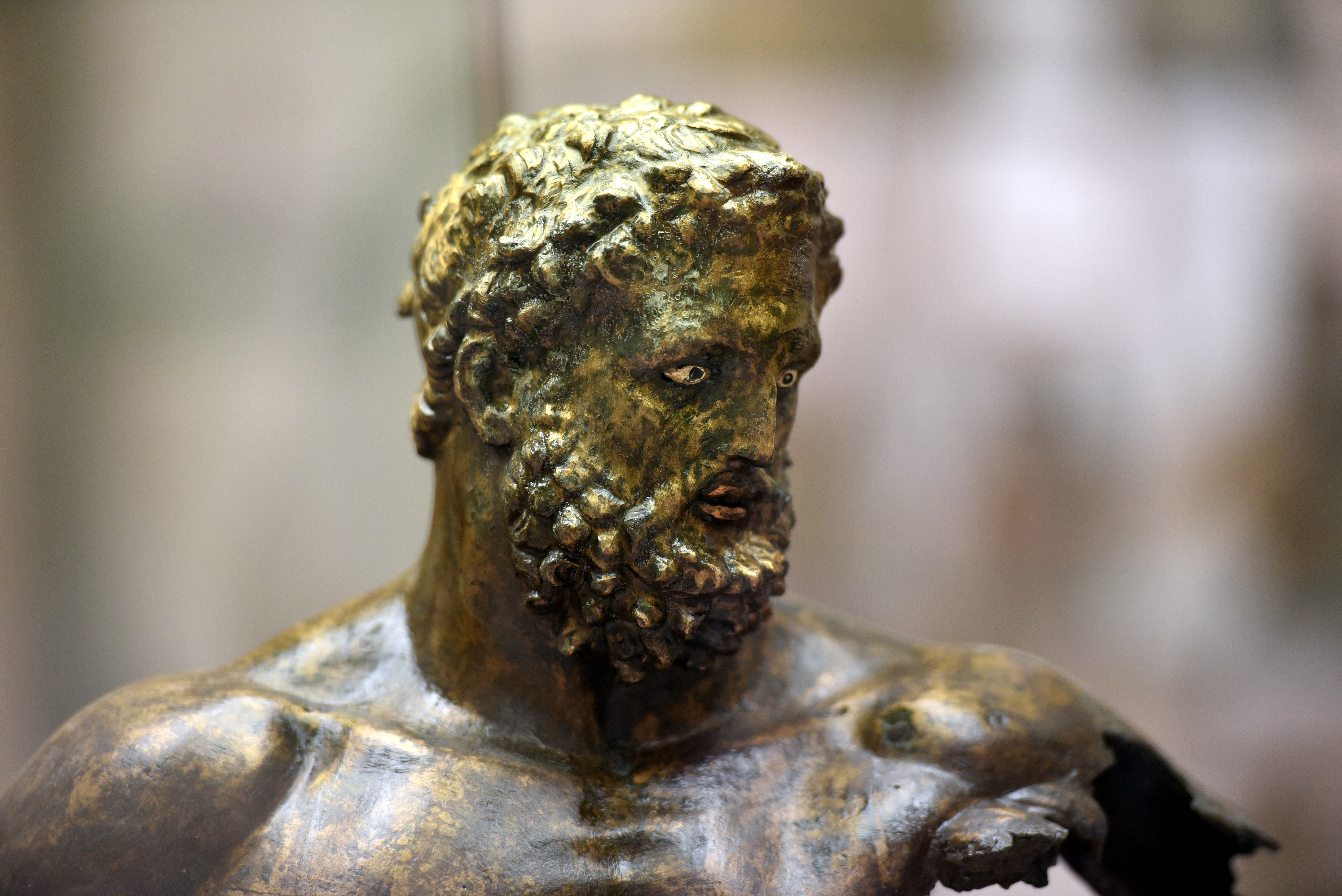
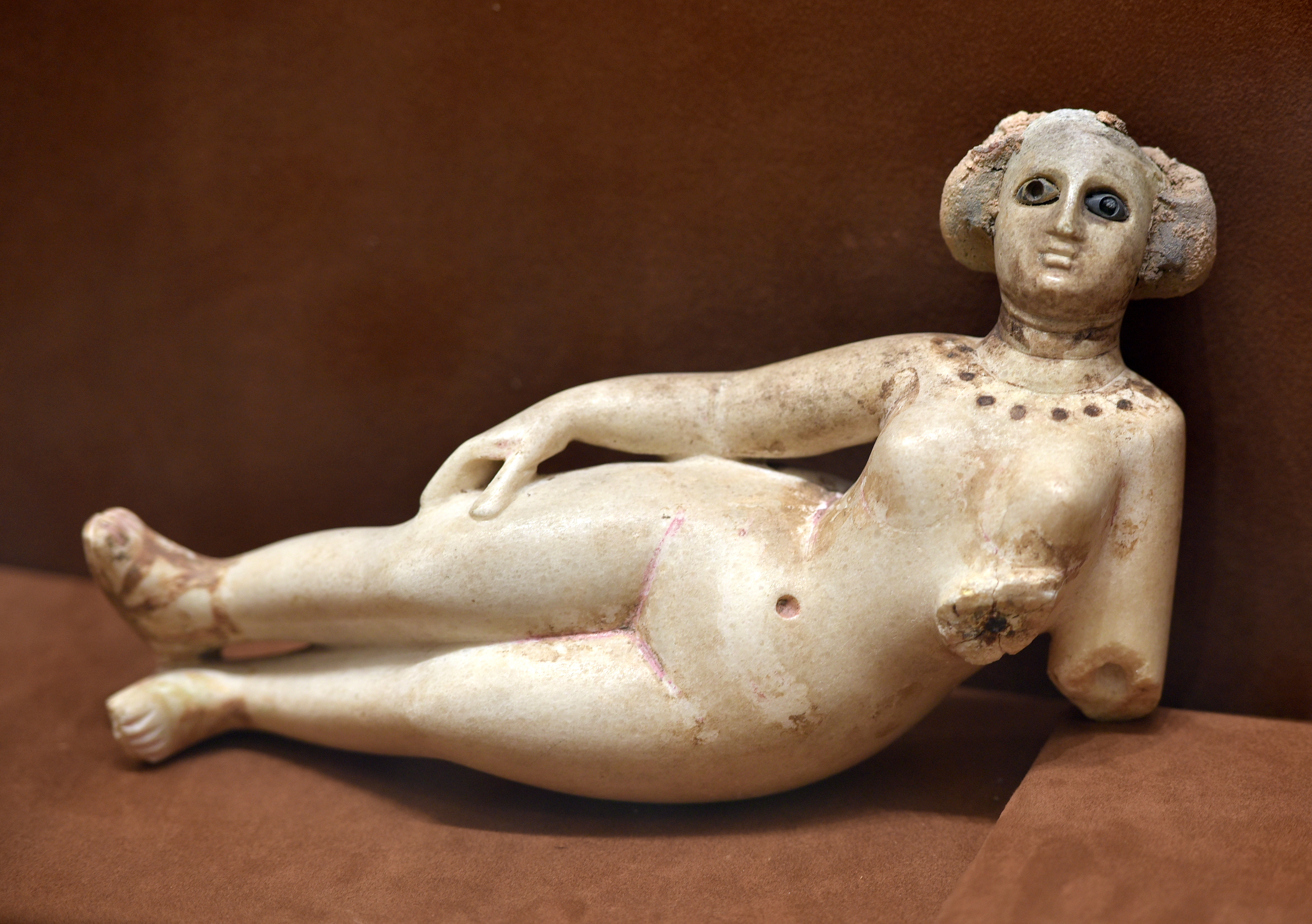
Seleucia, founded by Seleucus I Nicator around 305 BCE, was a major Mesopotamian city on the Tigris River. As the first capital of the Seleucid Empire, it was a hub of Hellenistic culture and trade. The city was home to significant domestic and civic structures, including palaces and council chambers, and hosted religious structures like temples. Under Parthian rule from 141 BCE, Seleucia continued to thrive, ultimately becoming one of the largest cities in the Western world with a population of 600,000. Notable events include the relocation of Babylon's inhabitants, a massacre of Babylonian Jews, and its destruction by Roman forces led by Avidius Cassius in 165 CE. Its legacy includes its role in early Christian synods, contributing to the Church of the East's development.
Gallery
Explore photographs of ancient structures, artifacts, and archaeological excavations
Historical Timeline
Journey through time and discover key events in this site's history
Seleucia founded
305 BCE
Relocation of Babylon inhabitants
275 BCE
Parthian conquest
141 BCE
Battle establishing Arsacid rule
55 BCE
Massacre of Babylonian Jews
41 BCE
Burned by Trajan
117 CE
Destruction by Avidius Cassius
165 CE
Council of Seleucia-Ctesiphon
410 CE
Archaeological Features
Unique architectural and cultural elements found at this historical site
Public and Civic Structures
Religious and Ritual Structures
Domestic and Habitation Structures
Frequently Asked Questions
Plan Your Visit
Tours, travel arrangements, and practical information
More Sites in Iraq
Tell al-Lahm
Oblong mound with city wall remnants
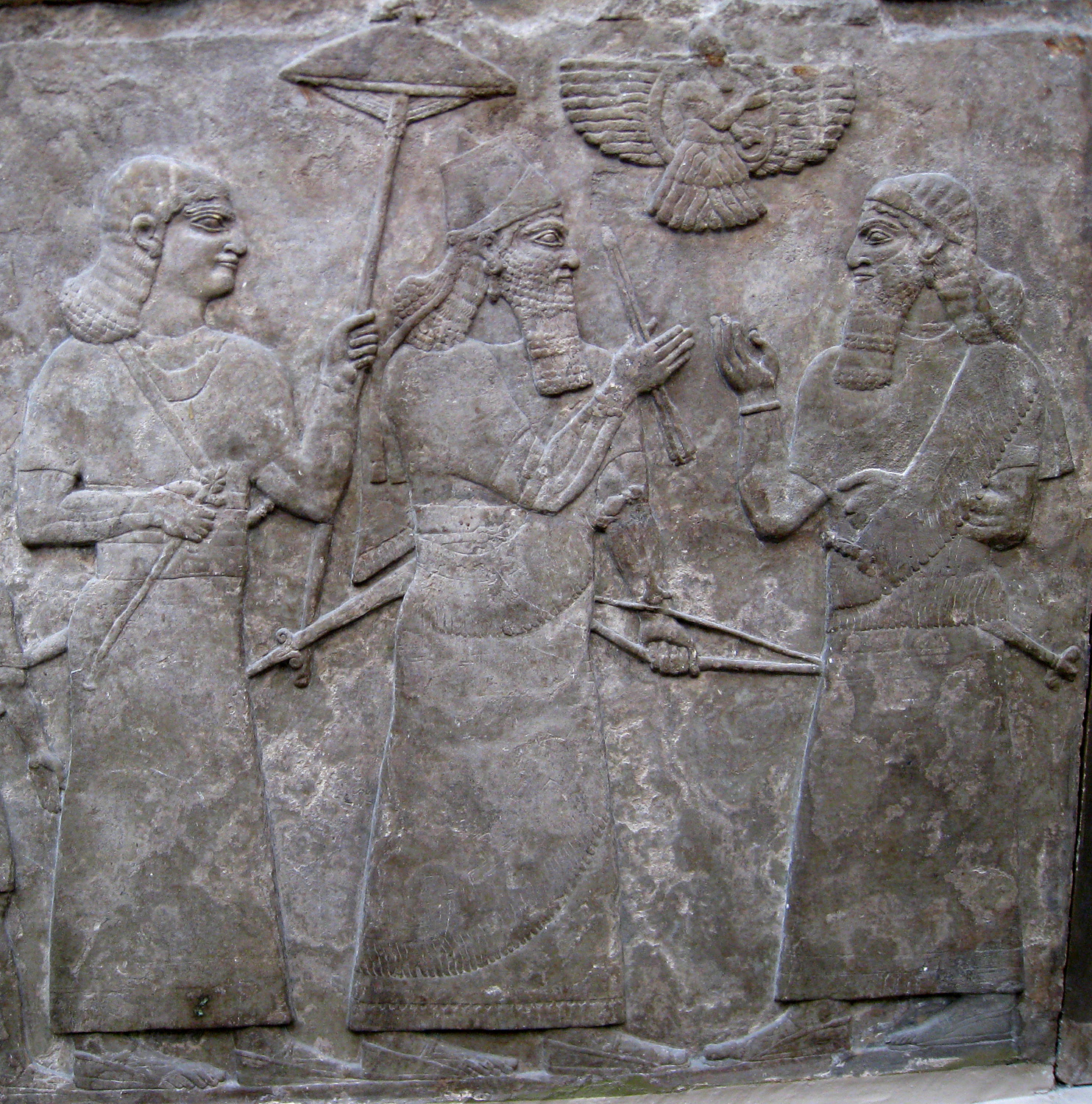
Assur
Ancient Assyrian city on the Tigris River
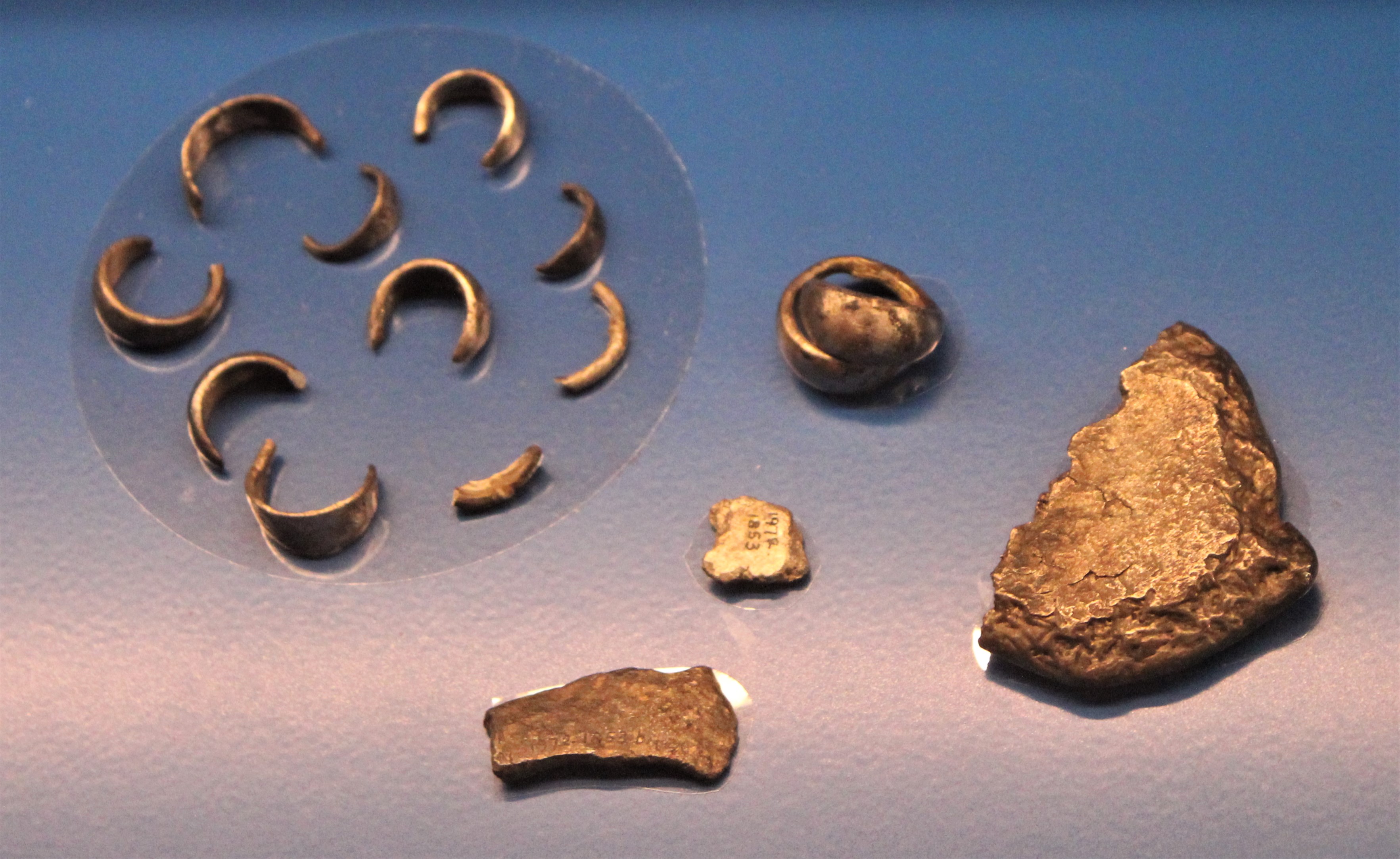
Tell Taya
Ancient hill city with fortifications and artifacts.
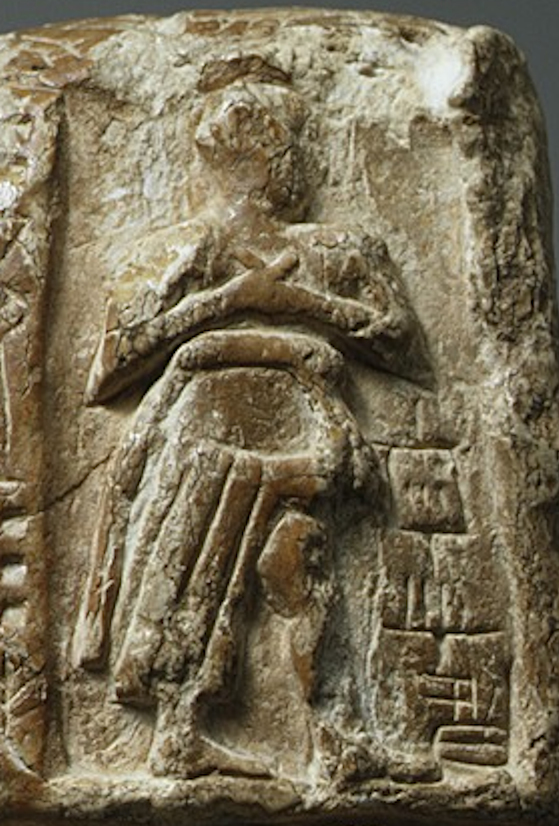
Larsa
Sumerian city-state and temple complex, Isin–Larsa period
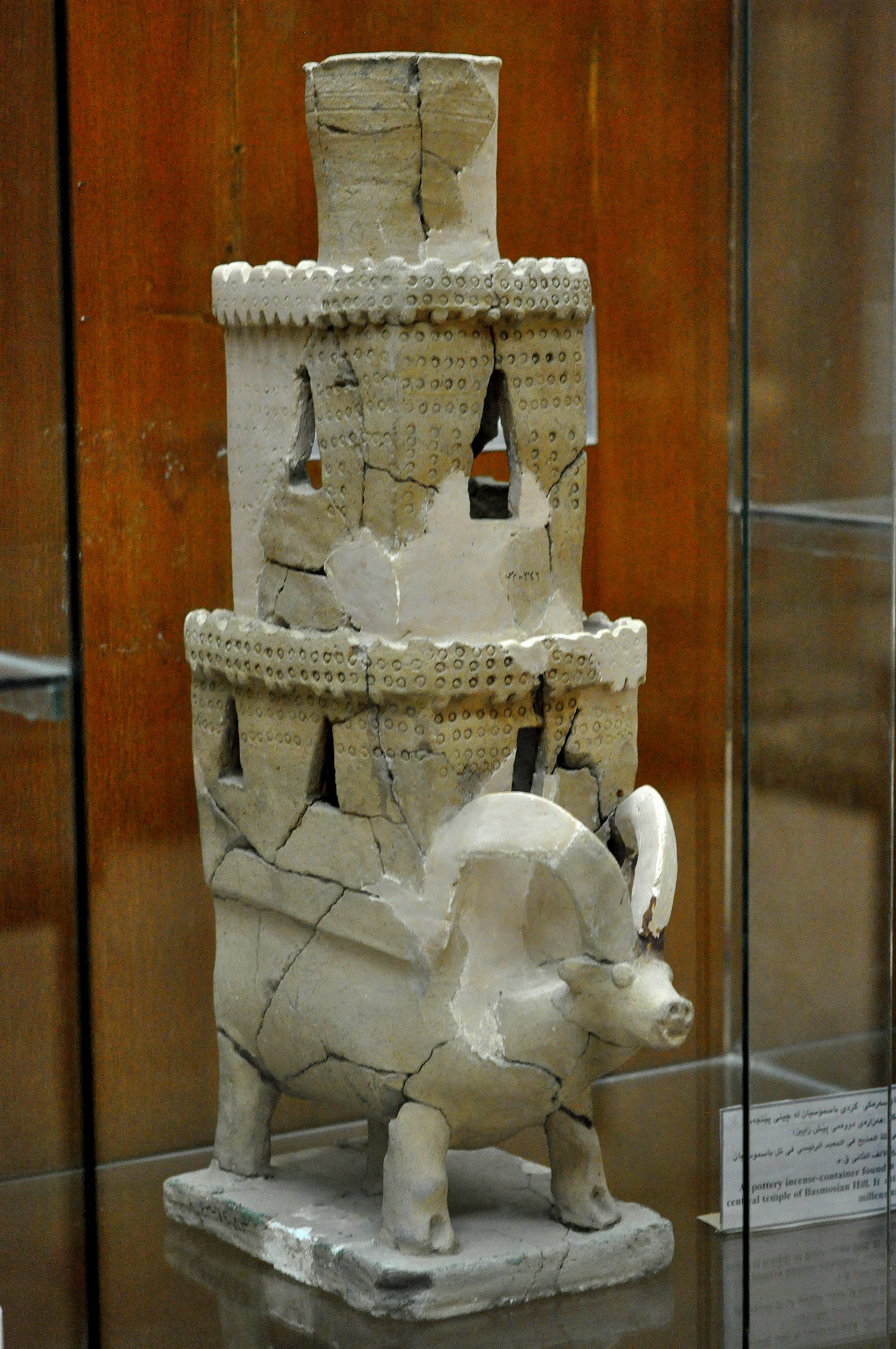
Tell Bazmusian
Large tell site with multi-period occupation.
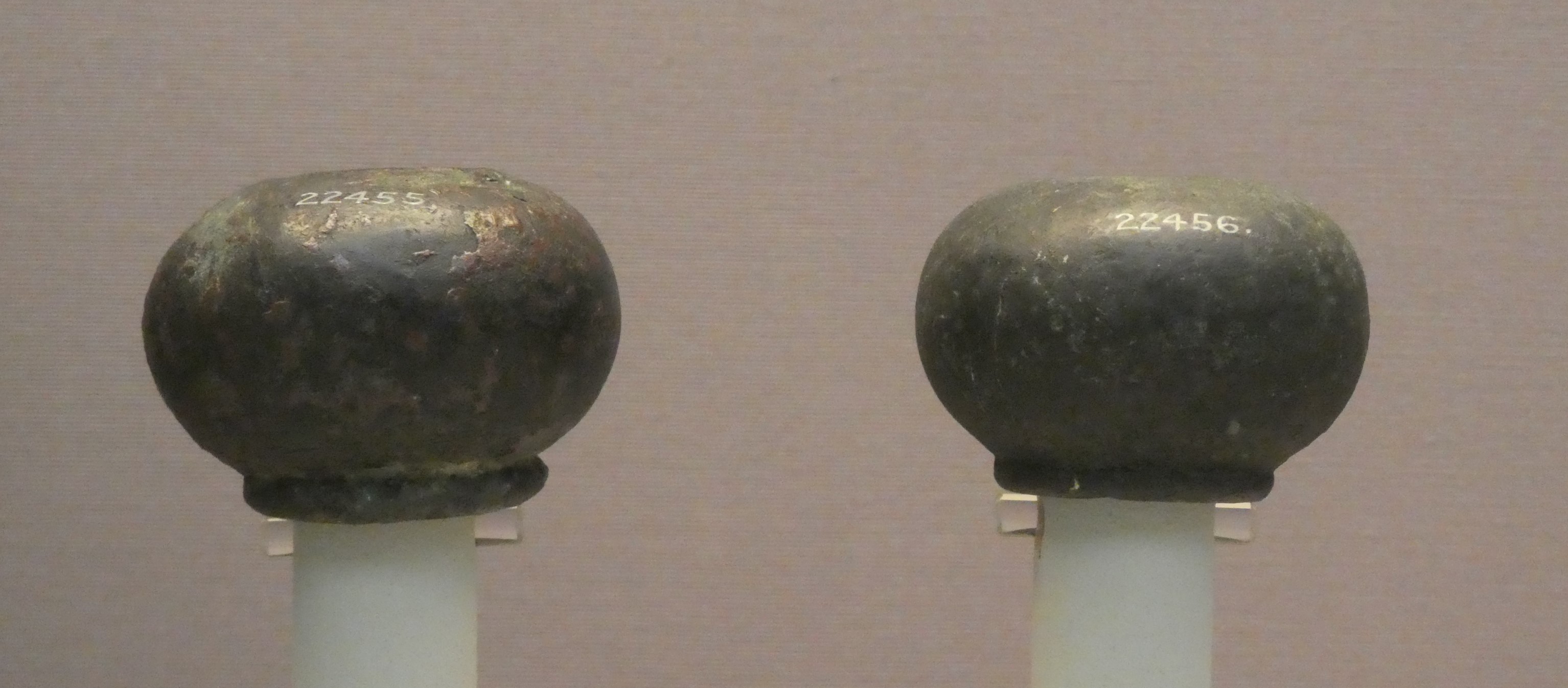
Tell Muhammad
Ancient site with fortifications and tablets