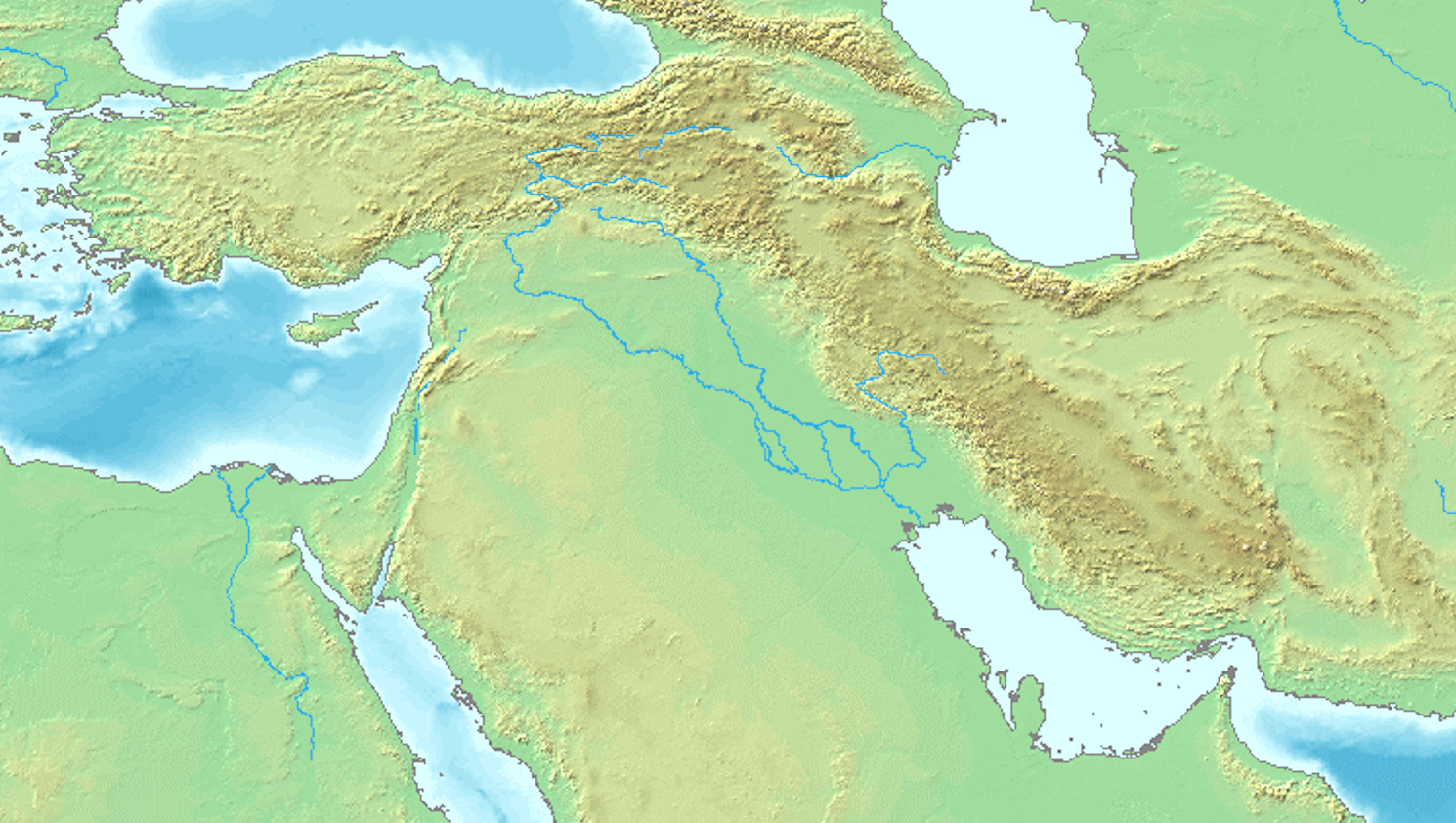
Explore the Map
Tell al-Wilayah
32.3125° N, 45.6608° E
About
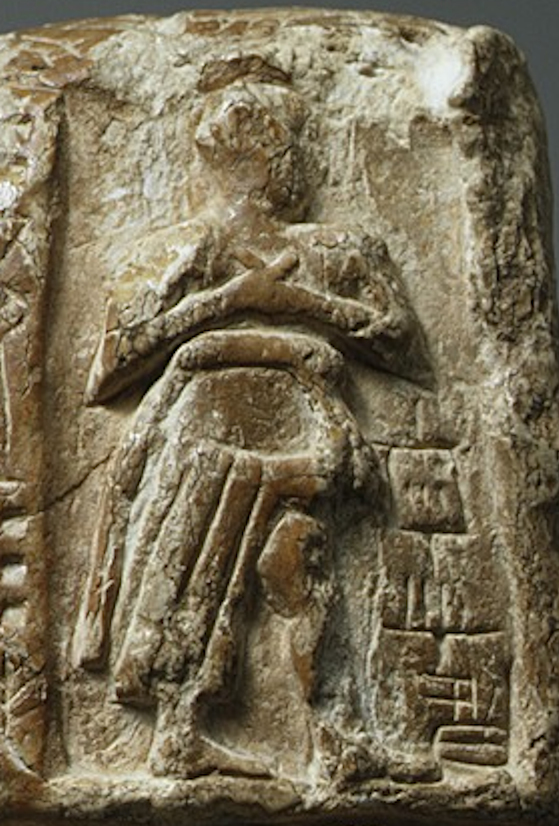
Tell al-Wilayah, located in eastern Iraq, is a significant archaeological site that was occupied from the Early Dynastic period through to the Ur III period. The site once contained two mounds, with the main mound covering 64 hectares. Although now destroyed due to extensive looting, Tell al-Wilayah yielded precious artifacts, including cuneiform tablets, Old Akkadian clay jar sealings, and an Early Dynastic palace constructed with plano-convex bricks. The site's religious significance is suggested by the proposed tutelary deities, Nergal or a local god Aški, and the goddess Mamma/Mammïtum. It has been associated with ancient cities such as Kesh, Irisaĝrig, and Larak, highlighting its historical importance in Mesopotamian civilization.
Gallery
Explore photographs of ancient structures, artifacts, and archaeological excavations
Historical Timeline
Journey through time and discover key events in this site's history
Early Dynastic Occupation
2900 BCE
Akkadian Period Occupation
2300 BCE
Ur III Period Occupation
2100 BCE
Archaeological Features
Unique architectural and cultural elements found at this historical site
Industrial and Craft Structures
Artistic and Decorative Features
Domestic and Habitation Structures
Frequently Asked Questions
Plan Your Visit
Tours, travel arrangements, and practical information
More Sites in Iraq
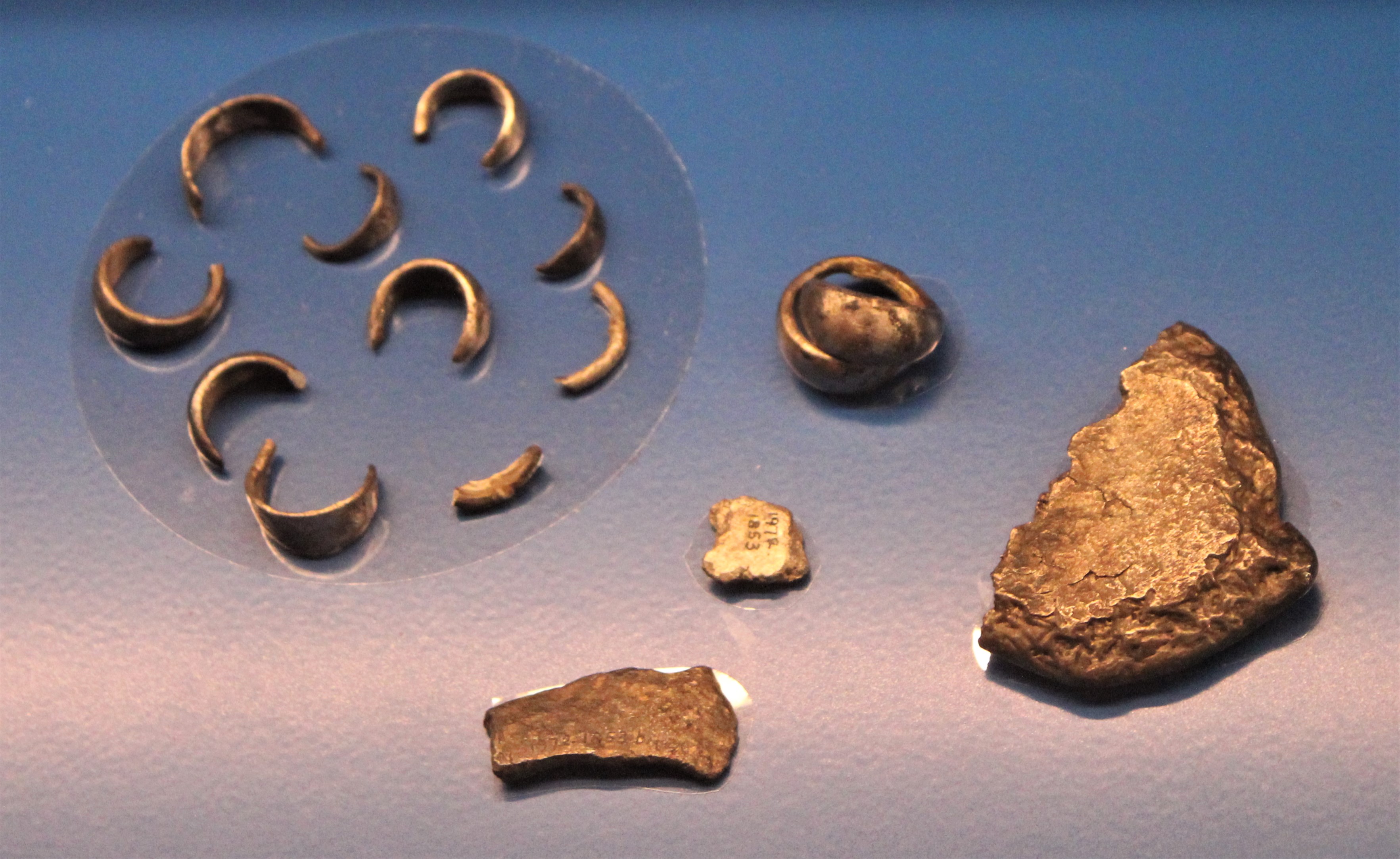
Tell Taya
Ancient hill city with fortifications and artifacts.
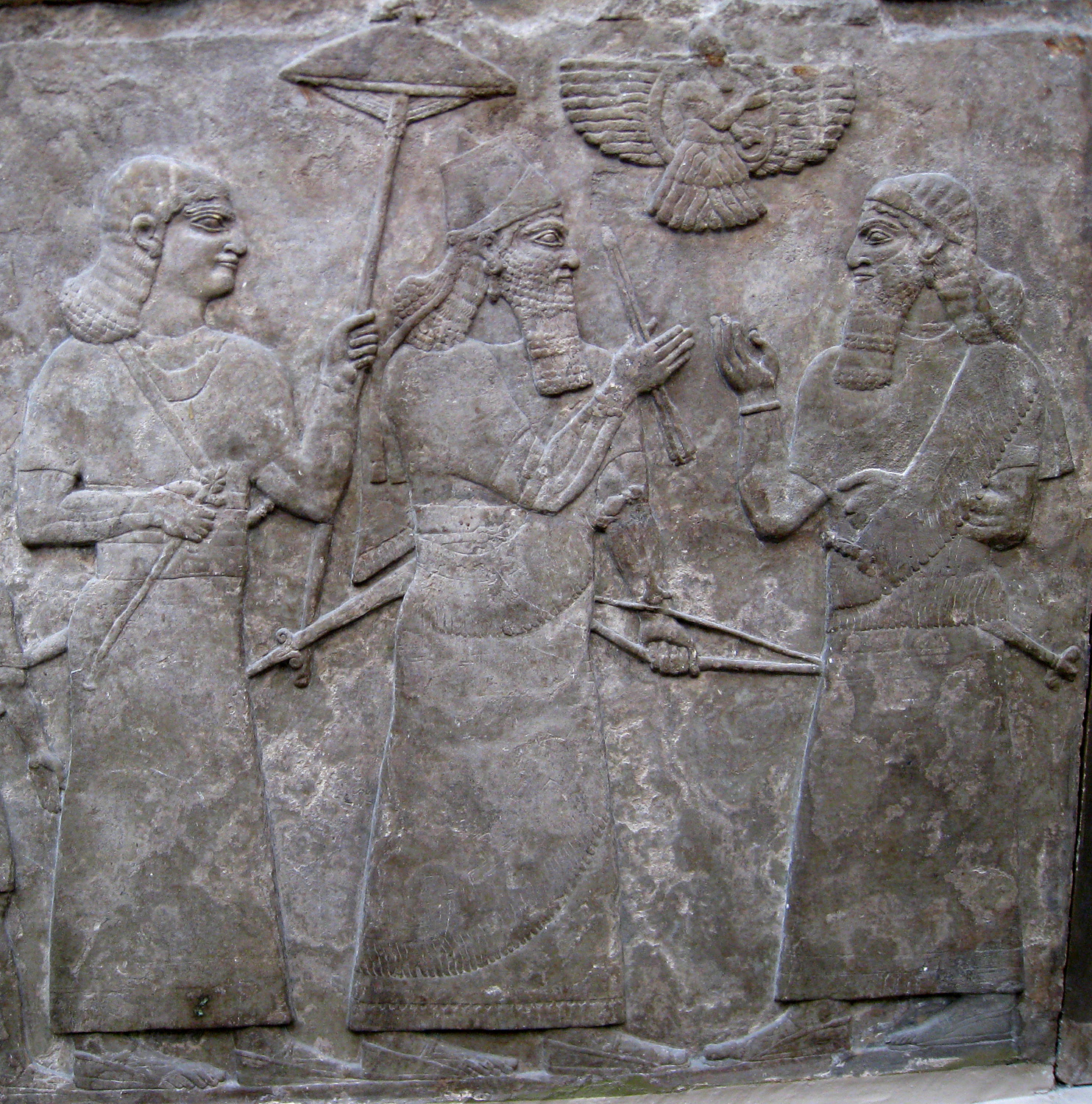
Assur
Ancient Assyrian city on the Tigris River
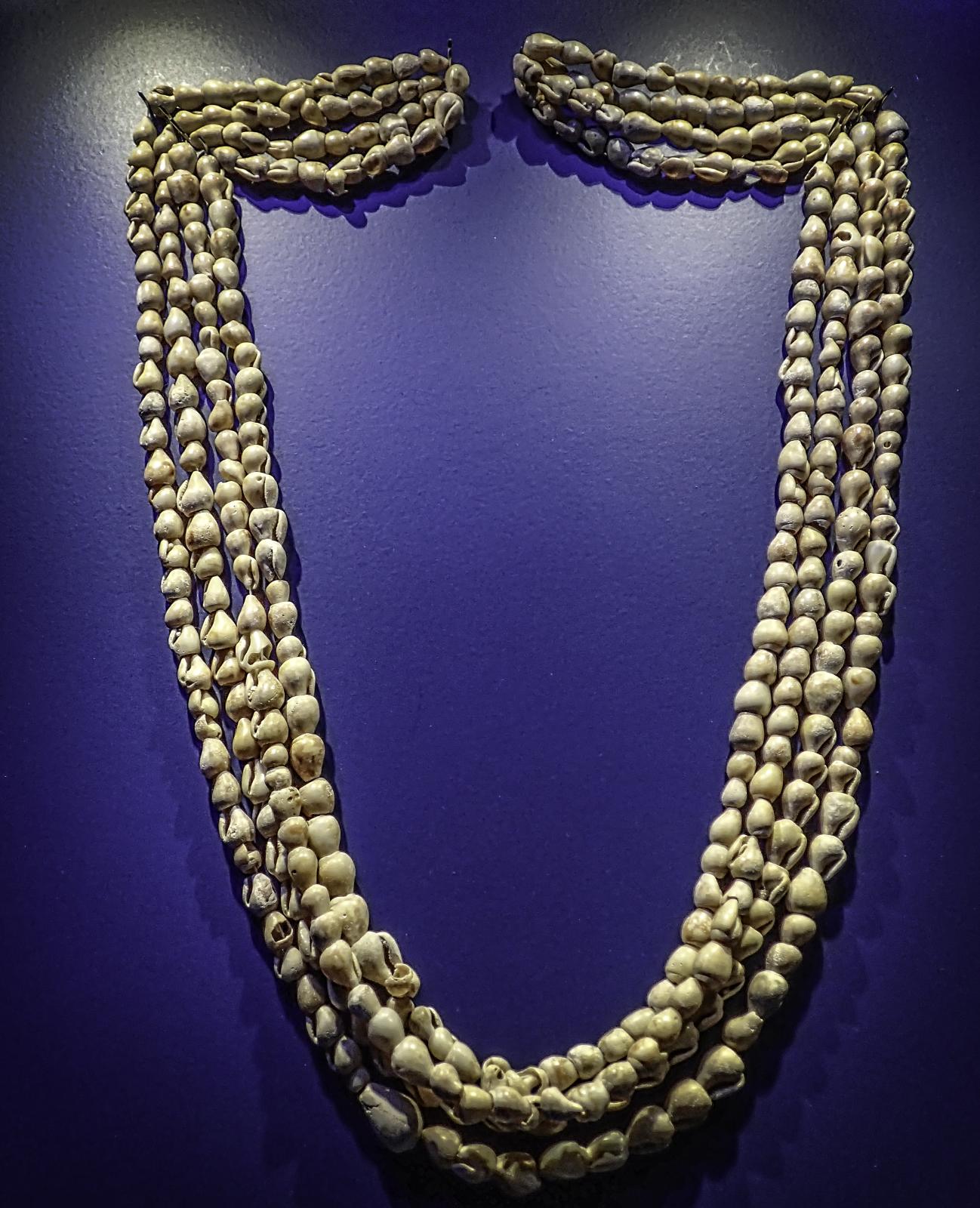
Tepe Gawra
Ancient Mesopotamian settlement with diverse remains
Larsa
Sumerian city-state and temple complex, Isin–Larsa period
Tarbisu
Ancient Assyrian city with palaces and temples
Tell al-Fakhar
Pottery mound with multi-period occupation.