Explore the Map
Tell al-Rimah
36.2571° N, 42.4493° E
About
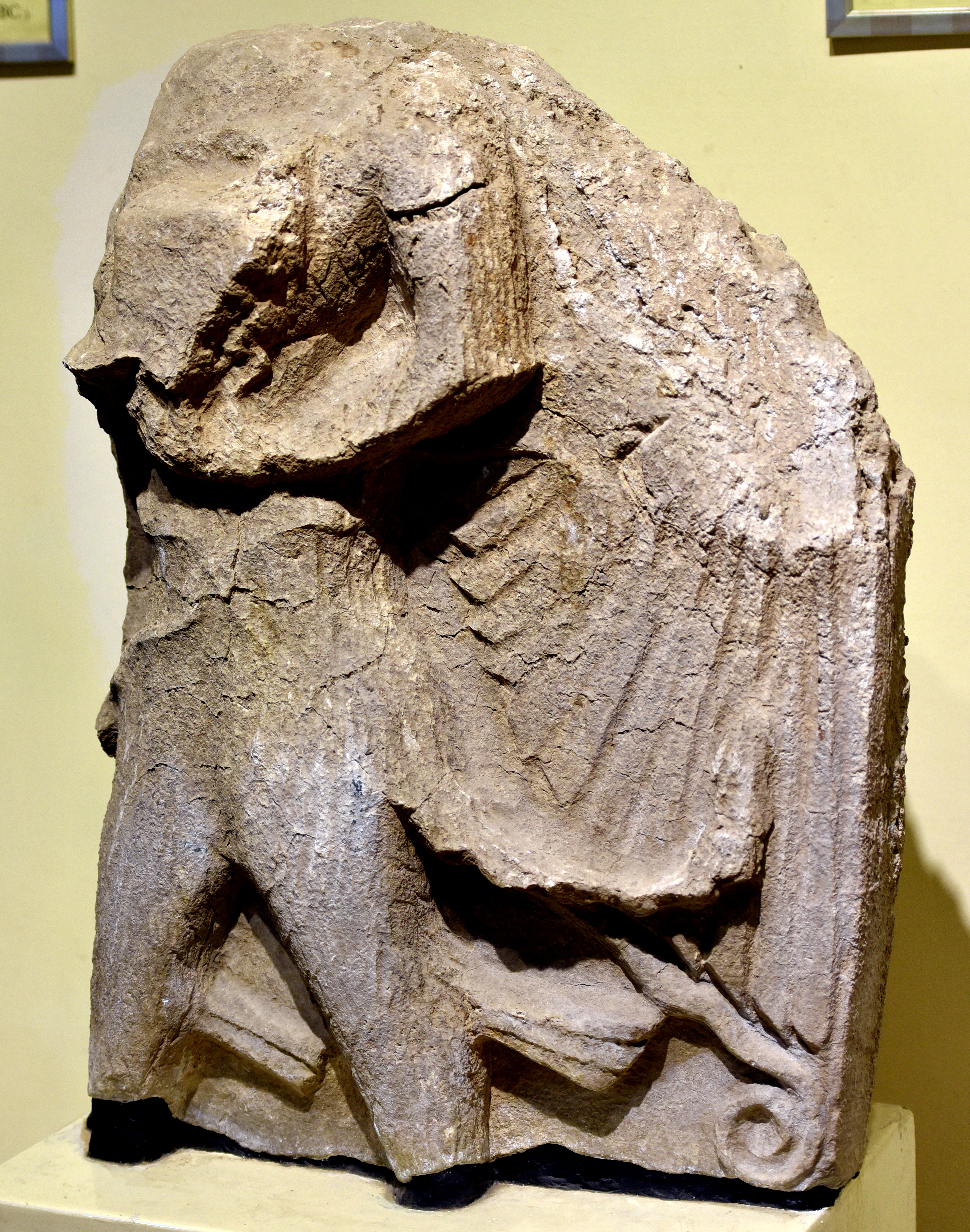
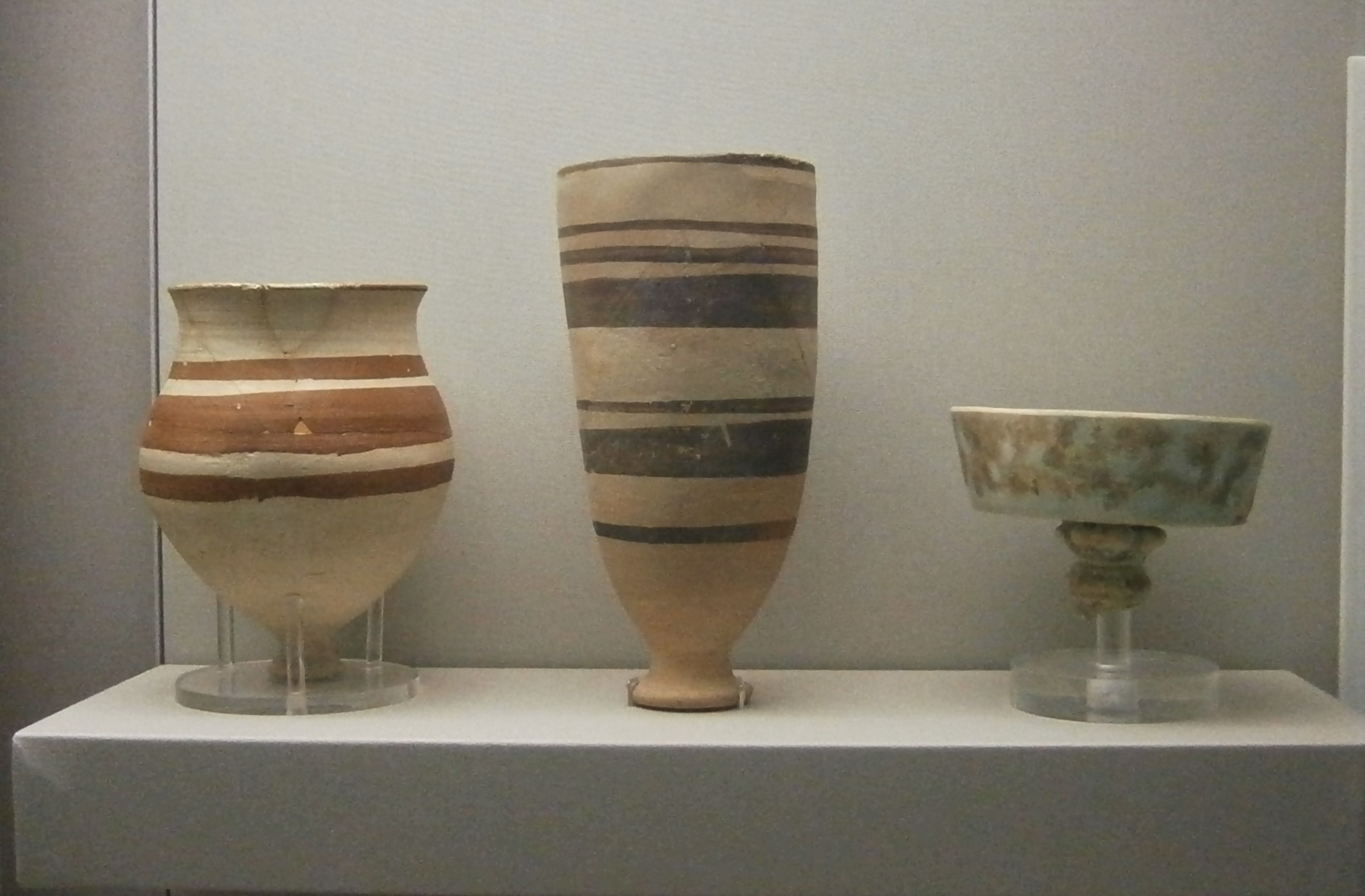
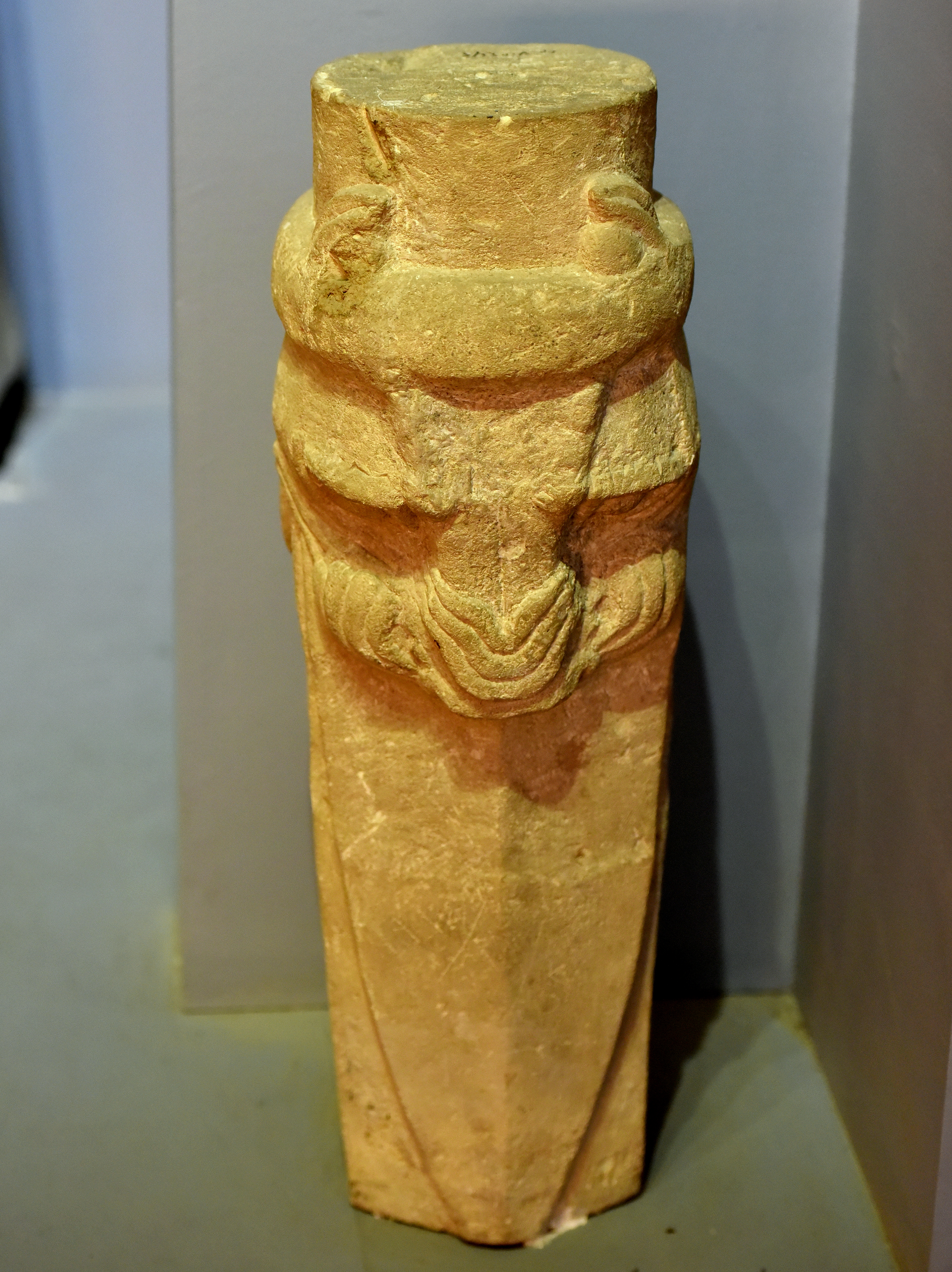
Tell al-Rimah is an ancient archaeological settlement mound in Nineveh Province, Iraq, notable for its polygonal city wall enclosing a central mound and various low mounds. Spanning key periods in the Bronze Age and later the Neo-Assyrian period, the site reflects a rich history of habitation and cultural development. Excavations have revealed a large temple, palace, and Neo-Assyrian structures, as well as significant artifacts such as Old Babylonian tablets and a stela of Adad-nirari III. The site is associated with ancient cities Karana and Qattara, indicating its importance in regional politics and trade, with evidence of a thriving wine industry. The site provides valuable insights into ancient urban planning, religious practices, and administrative activities in the region.
Gallery
Explore photographs of ancient structures, artifacts, and archaeological excavations
Historical Timeline
Journey through time and discover key events in this site's history
Early Bronze Age Settlement
3rd millennium BCE
Middle Bronze Age Prominence
2nd millennium BCE
Old Babylonian Tablets
18th century BCE
Mitanni Period Prosperity
15th century BCE
Neo-Assyrian Reoccupation
9th century BCE
Archaeological Features
Unique architectural and cultural elements found at this historical site
Storage Structures
Defensive Structures
Religious and Ritual Structures
Artistic and Decorative Features
Domestic and Habitation Structures
Frequently Asked Questions
Plan Your Visit
Tours, travel arrangements, and practical information
More Sites in Iraq
Tell al-Fakhar
Pottery mound with multi-period occupation.
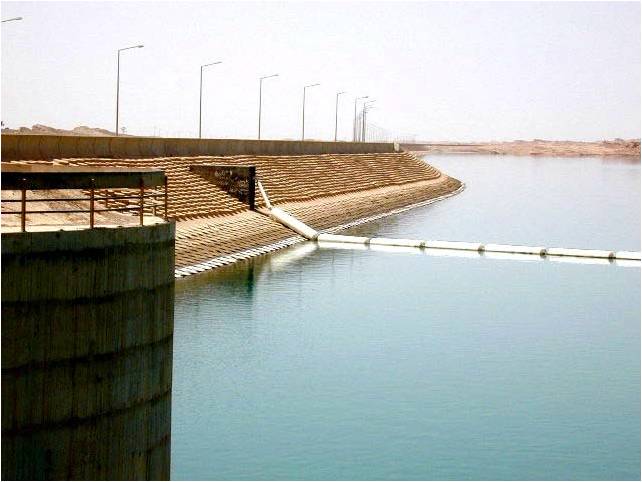
Tell Yelkhi
Oval mound with Kassite and earlier remains.
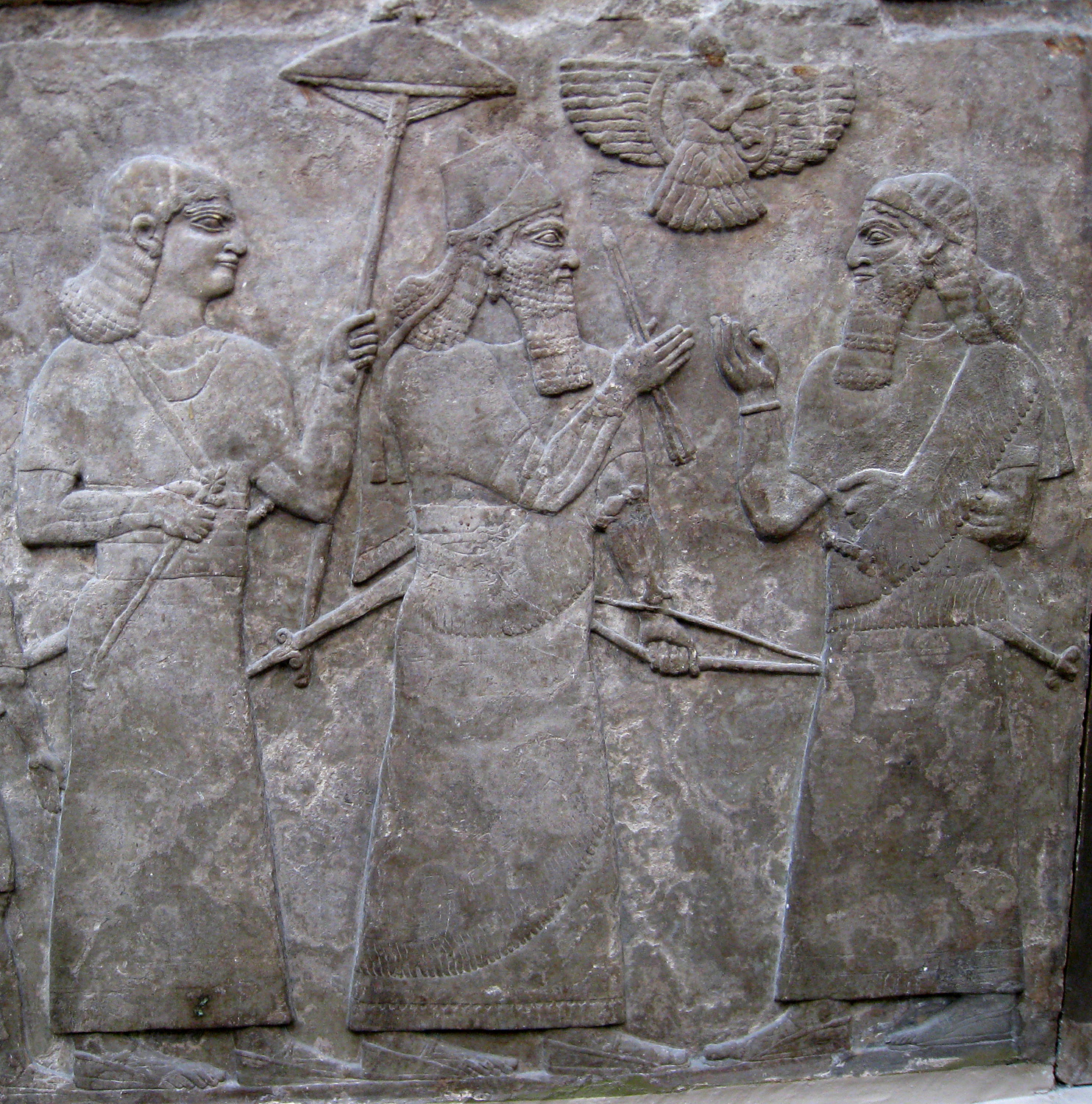
Assur
Ancient Assyrian city on the Tigris River
Tell al-Lahm
Oblong mound with city wall remnants
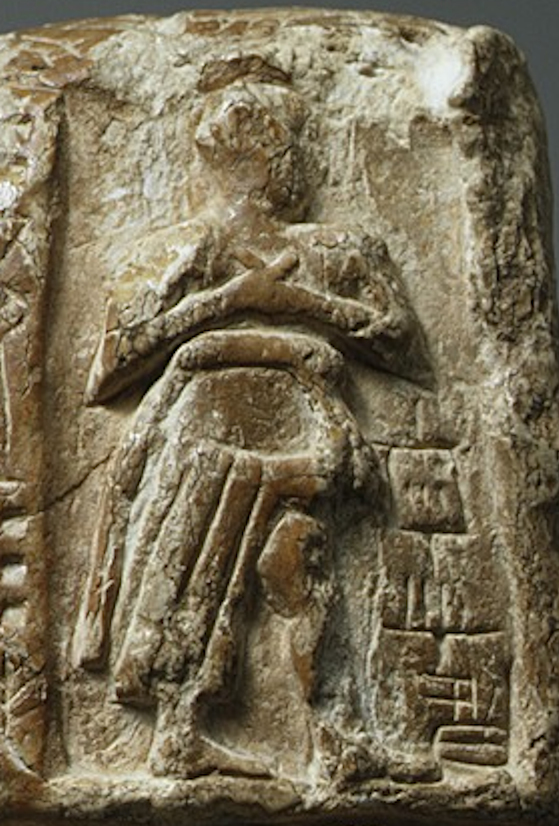
Larsa
Sumerian city-state and temple complex, Isin–Larsa period
Tarbisu
Ancient Assyrian city with palaces and temples