
The Ahwar of Southern Iraq: Refuge of Biodiversity and the Relict Landscape of the Mesopotamian Cities
<p>The Ahwar is made up of seven components: three archaeological sites and four wetland marsh areas in southern Iraq. The archaeological cities of Uruk and…
Explore the Map
The Ahwar of Southern Iraq: Refuge of Biodiversity and the Relict Landscape of the Mesopotamian Cities
30.7392° N, 47.4386° E
About
<p>The Ahwar is made up of seven components: three archaeological sites and four wetland marsh areas in southern Iraq. The archaeological cities of Uruk and Ur and the Tell Eridu archaeological site form part of the remains of the Sumerian cities and settlements that developed in southern Mesopotamia between the 4th and the 3rd millennium BCE in the marshy delta of the Tigris and Euphrates rivers. The Ahwar of Southern Iraq – also known as the Iraqi Marshlands – are unique, as one of the world’s largest inland delta systems, in an extremely hot and arid environment.</p>
Plan Your Visit
Tours, travel arrangements, and practical information
Details
Iraq
30.74° N, 47.44° E
More Sites in Iraq
Tell Khoshi
Oval walled city with two mounds.
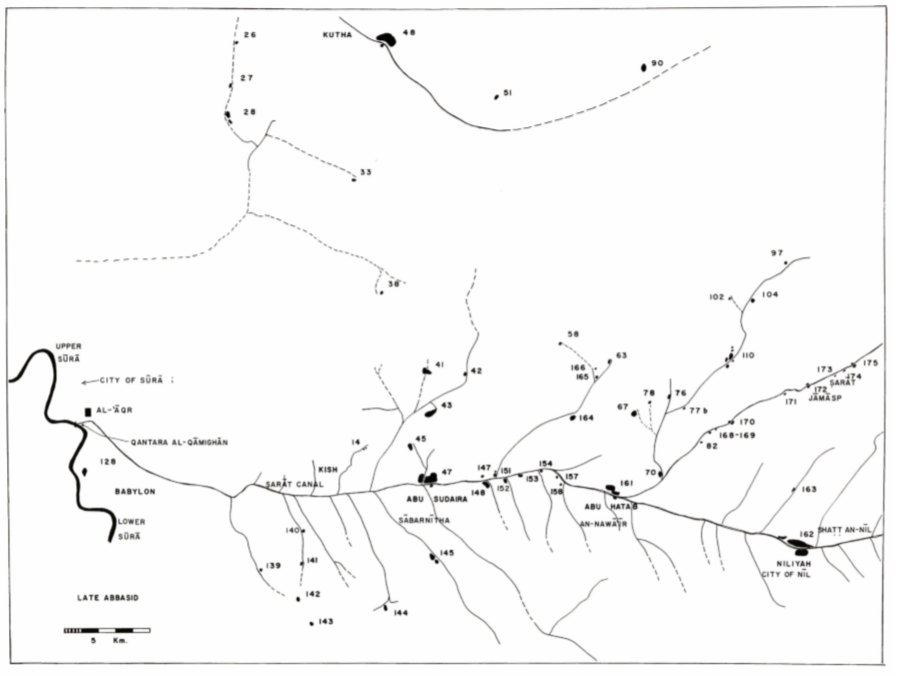
Nil (Iraq)
Medieval city with canal and bridge.
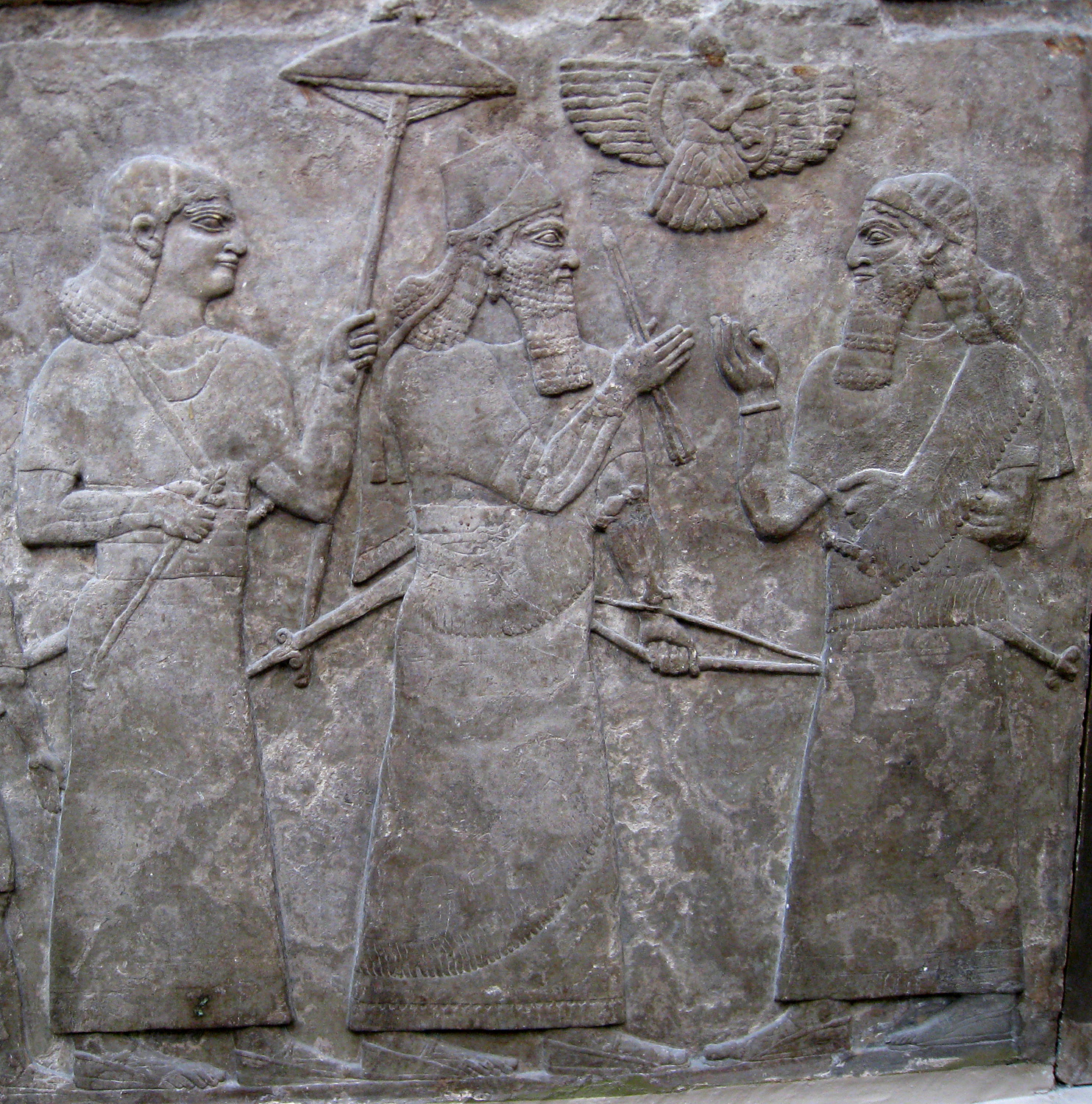
Assur
Ancient Assyrian city on the Tigris River
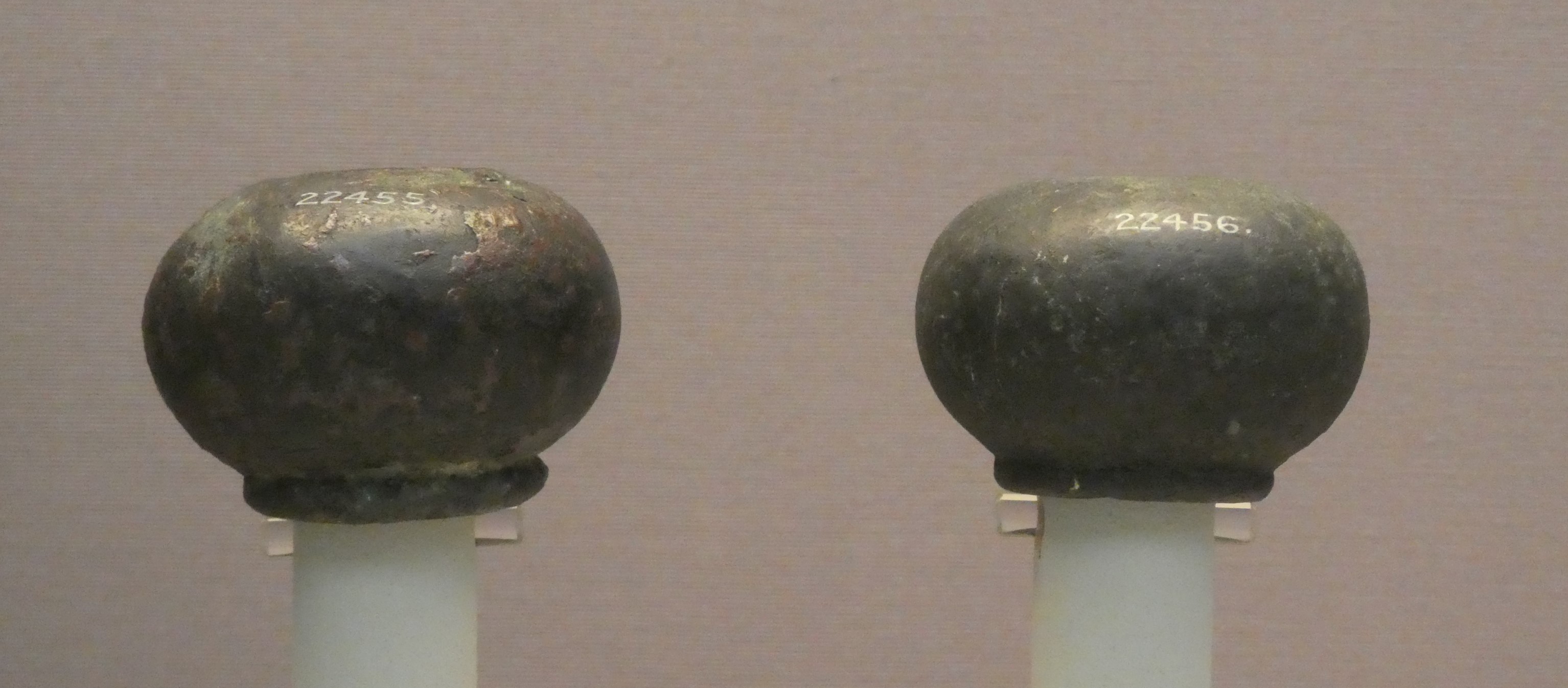
Tell Muhammad
Ancient site with fortifications and tablets
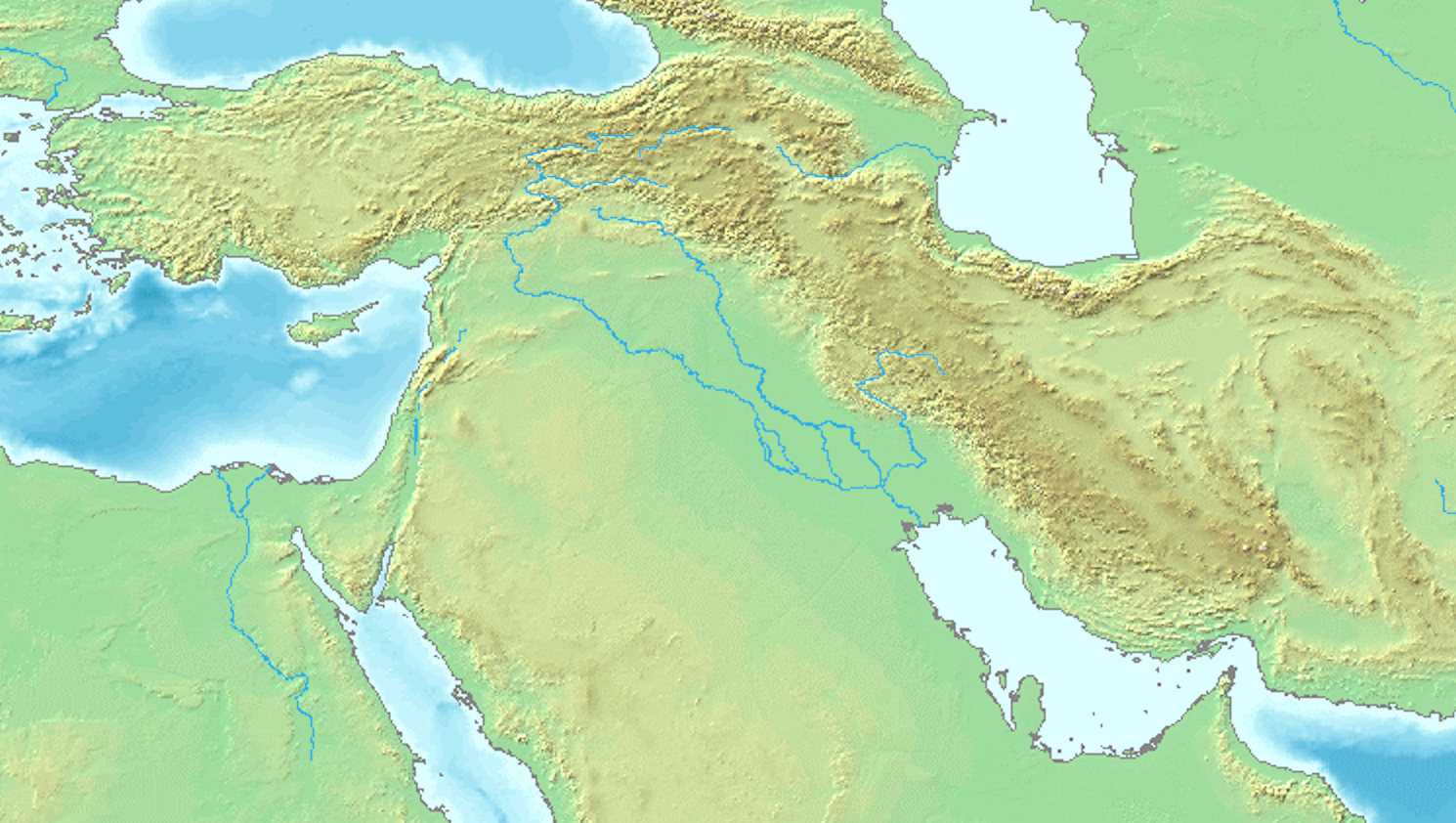
Tell al-Fakhar
Pottery mound with multi-period occupation.
Tell Rashid
Ubaid period settlement mound in Iraq