Explore the Map
Nil (Iraq)
33.3500° N, 44.4333° E
About
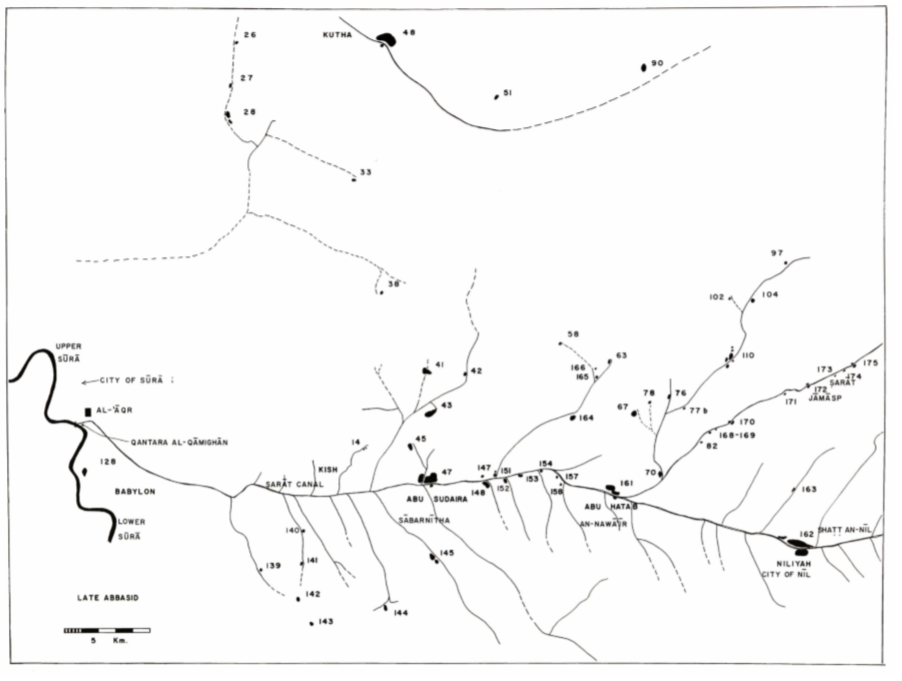
The site of an-Nīl, located at modern-day Niliyah in Iraq, represents a significant medieval urban center founded in the 7th century CE by Al-Hajjaj ibn Yusuf. This city was strategically established on the Shatt en-Nil canal for land reclamation purposes. Despite the Mongol invasion in 1258 CE, an-Nīl thrived for nearly a century more, unlike many other settlements that declined. The archaeological remains at Niliyah indicate that an-Nīl was a large city, including a baked brick bridge, known as the Qanṭara al-Māsī, which connected the city across the canal. Additionally, the site features an industrial area with a brick factory and a small square tomb southeast of the bridge. The city was eventually abandoned around 1350 CE, leaving behind a rich legacy of medieval urban planning and water management.
Gallery
Explore photographs of ancient structures, artifacts, and archaeological excavations
Historical Timeline
Journey through time and discover key events in this site's history
Foundation by Al-Hajjaj ibn Yusuf
Not specified
Christian bishopric relocation to Nīl
Late 10th century CE
Survived Mongol conquest
1258 CE
Abandonment of Nīl
Around 1350 CE
Archaeological Features
Unique architectural and cultural elements found at this historical site
Water Management Features
Burial and Funerary Structures
Industrial and Craft Structures
Domestic and Habitation Structures
Transportation and Communication Structures
Frequently Asked Questions
Plan Your Visit
Tours, travel arrangements, and practical information
More Sites in Iraq
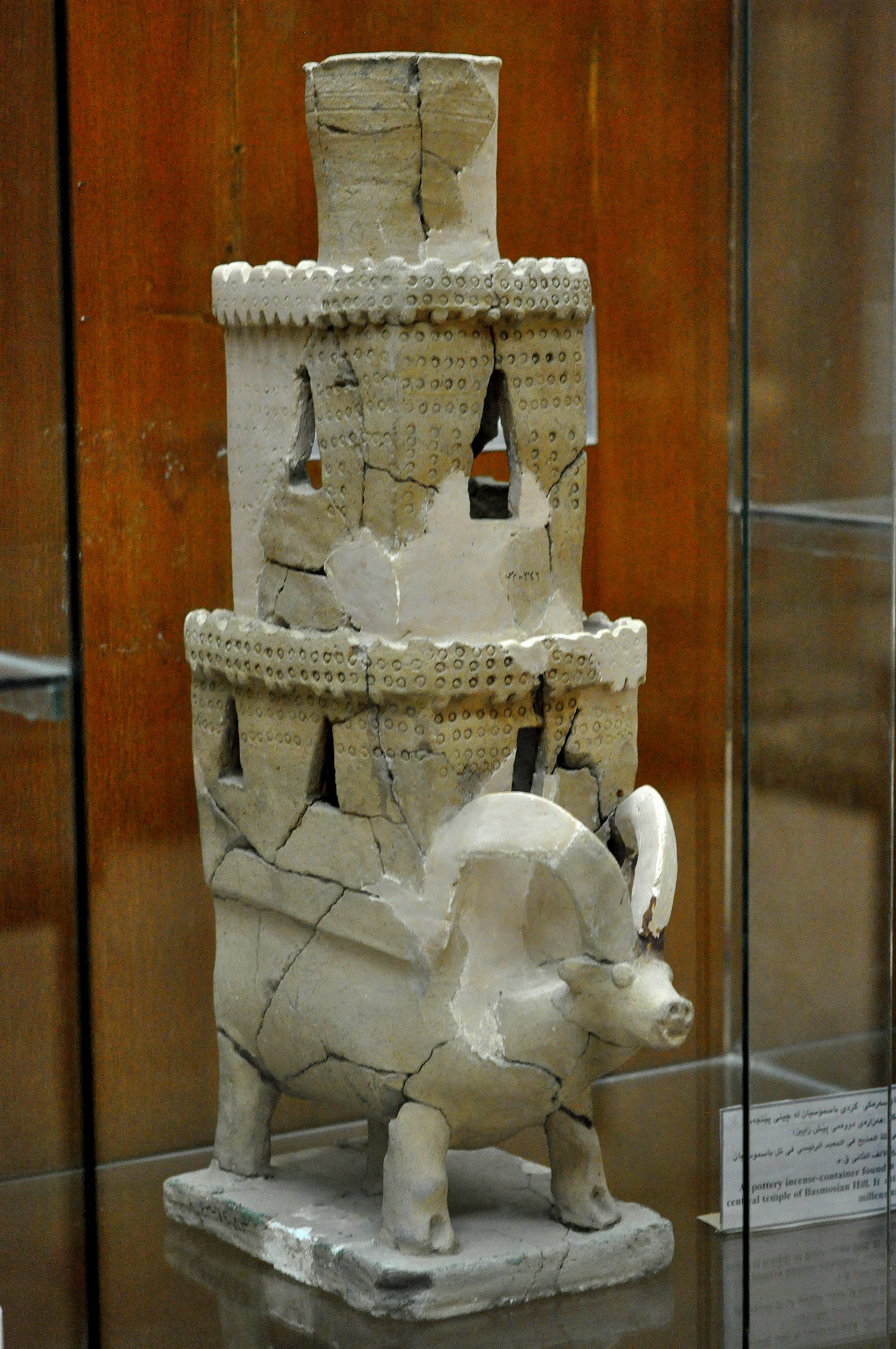
Tell Bazmusian
Large tell site with multi-period occupation.
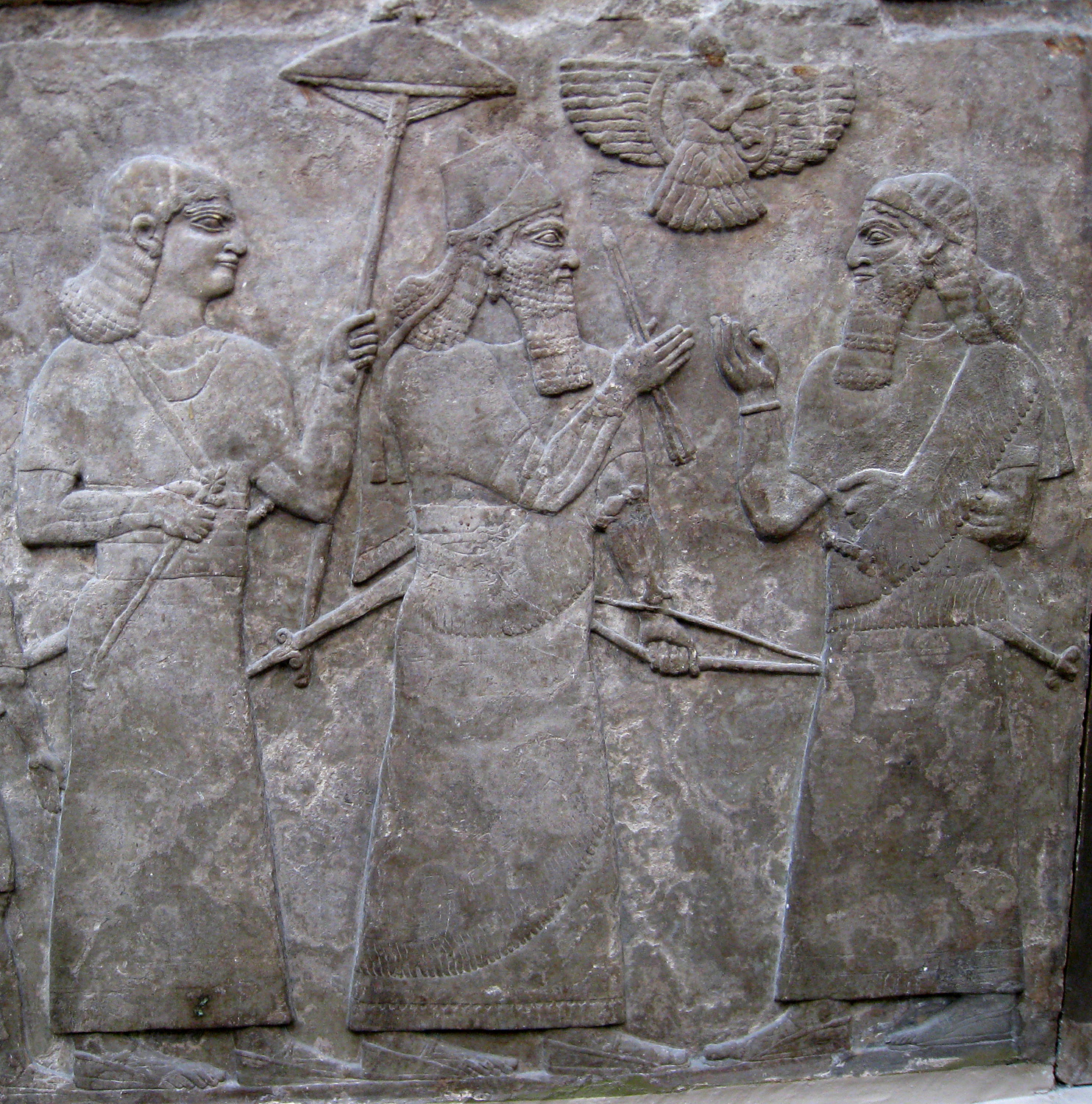
Assur
Ancient Assyrian city on the Tigris River
Tell al-Wilayah
Destroyed site with Early Dynastic remnants
Tell Rashid
Ubaid period settlement mound in Iraq
Ruins of Mujada
Cylindrical desert ruin west of Karbala.
Tell Khoshi
Oval walled city with two mounds.