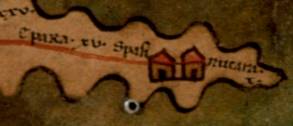
Explore the Map
Charax Spasinu
30.8947° N, 47.5780° E
About
Charax Spasinu, an ancient port city situated at the head of the Persian Gulf in modern-day Iraq, was a significant hub for trade and cultural exchange in antiquity. Originally founded by Alexander the Great in 324 BCE, the city was an important center for Hellenistic culture and commerce. It was later rebuilt by Antiochus IV after suffering destruction from floods and eventually became the capital of the independent state of Characene under Hyspaosines. The city was annexed by the Romans under Emperor Trajan in 116 CE, and later came under Sasanian control in the 3rd century CE, reflecting its strategic importance and dynamic history. Charax was a vibrant marketplace and key trading port with extensive connections across the ancient world, evidenced by its coinage and references to its bustling harbor. The site's historical significance is further underscored by its role in regional power struggles and its multicultural character, shaped by Greek, Parthian, and Persian influences.
Gallery
Explore photographs of ancient structures, artifacts, and archaeological excavations
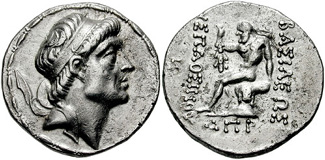
Historical Timeline
Journey through time and discover key events in this site's history
Charax Founded by Alexander
324 BCE
Rebuilt by Antiochus IV
166 BCE
Independence as Characene
127 BCE
Roman Annexation
116 CE
Sasanian Conquest
221-222 CE
Archaeological Features
Unique architectural and cultural elements found at this historical site
Coins
Defensive Structures
Public and Civic Structures
Domestic and Habitation Structures
Transportation and Communication Structures
Frequently Asked Questions
Plan Your Visit
Tours, travel arrangements, and practical information
More Sites in Iraq
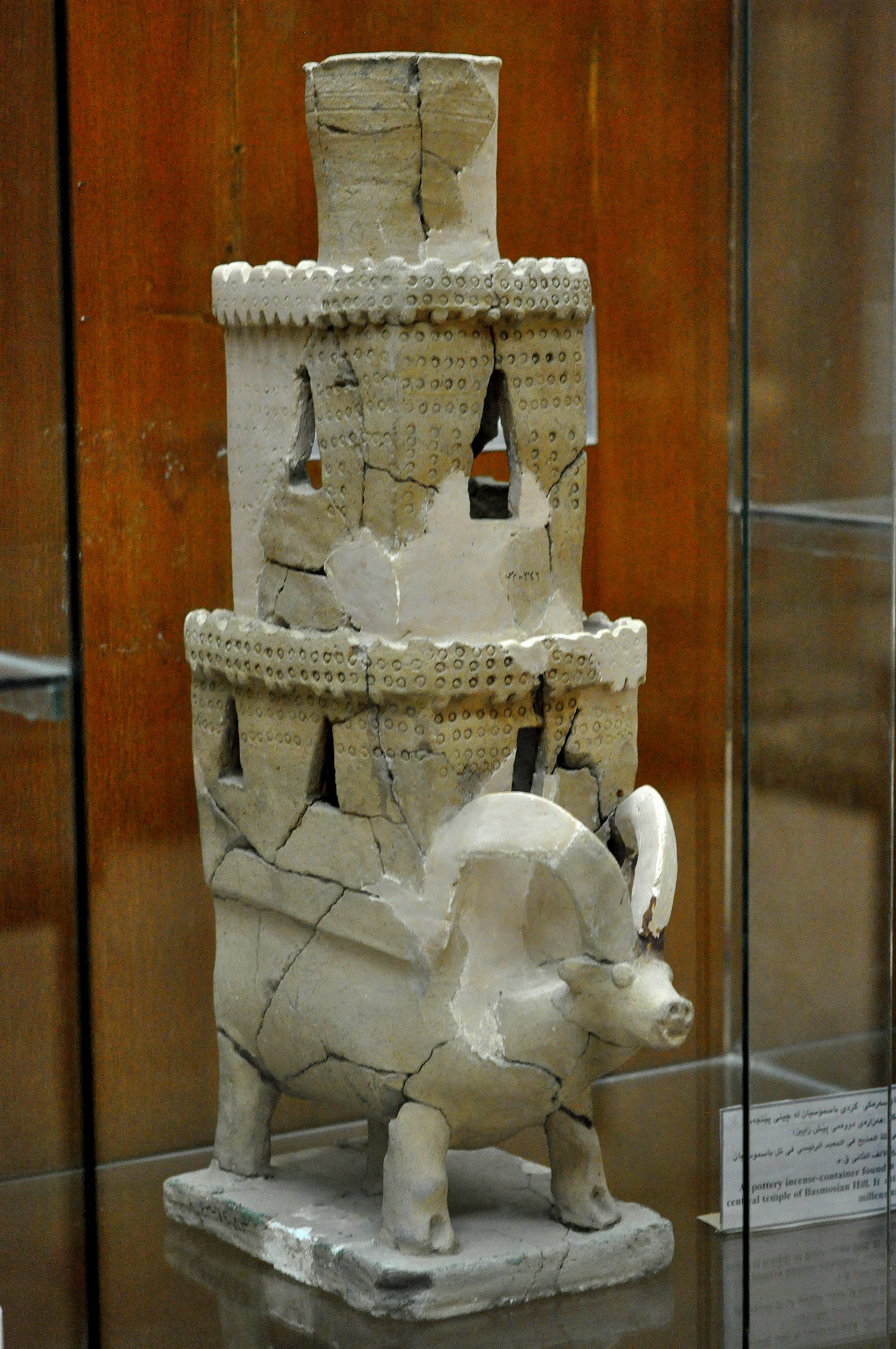
Tell Bazmusian
Large tell site with multi-period occupation.
Tell al-Lahm
Oblong mound with city wall remnants
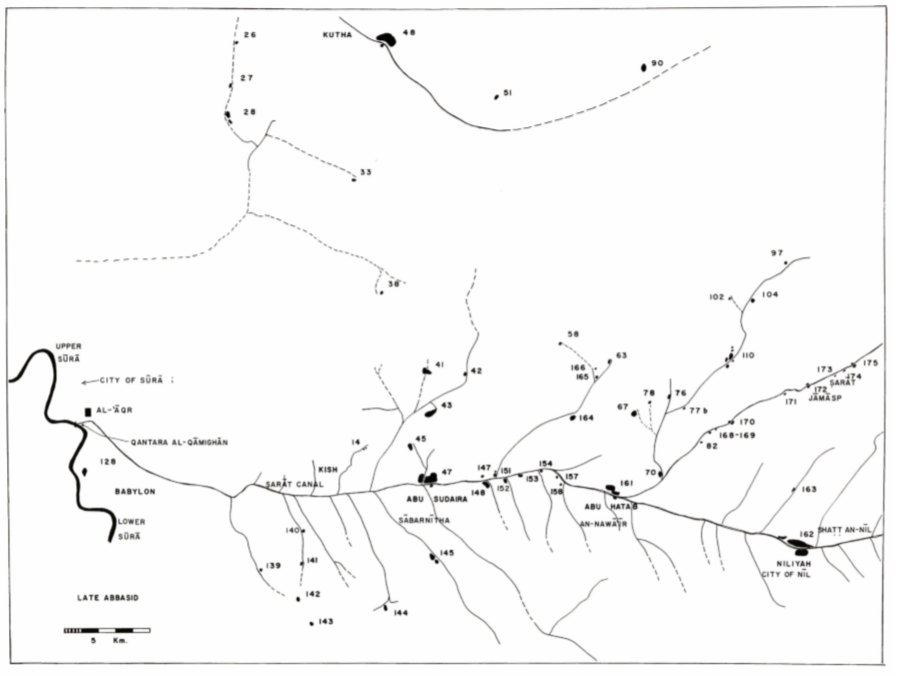
Nil (Iraq)
Medieval city with canal and bridge.
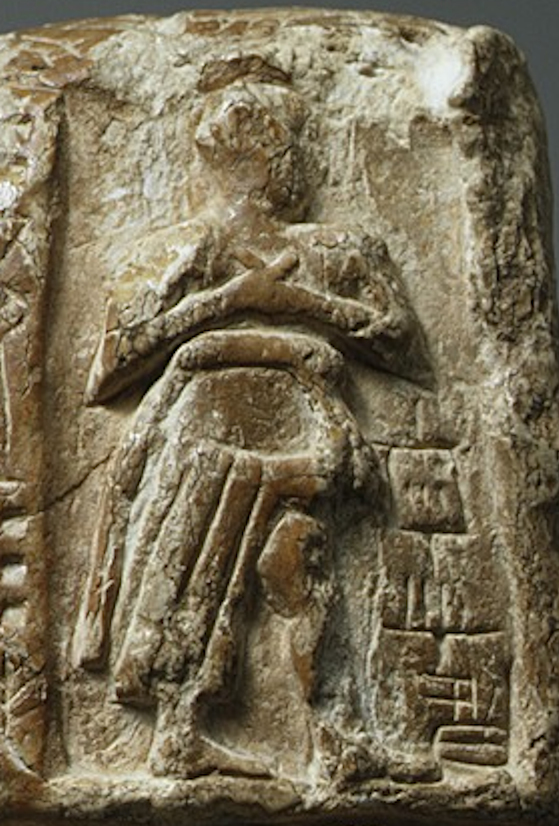
Larsa
Sumerian city-state and temple complex, Isin–Larsa period
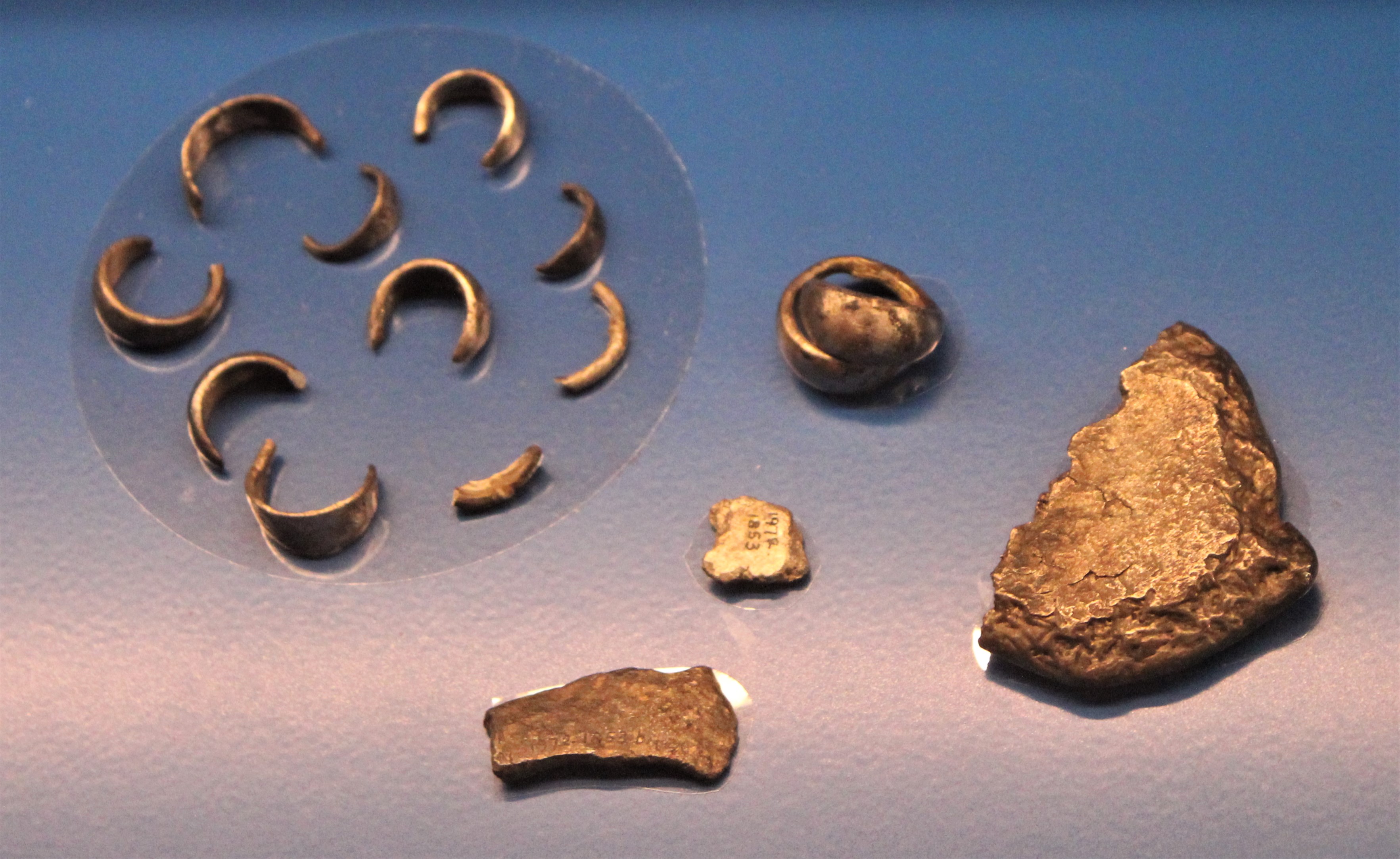
Tell Taya
Ancient hill city with fortifications and artifacts.
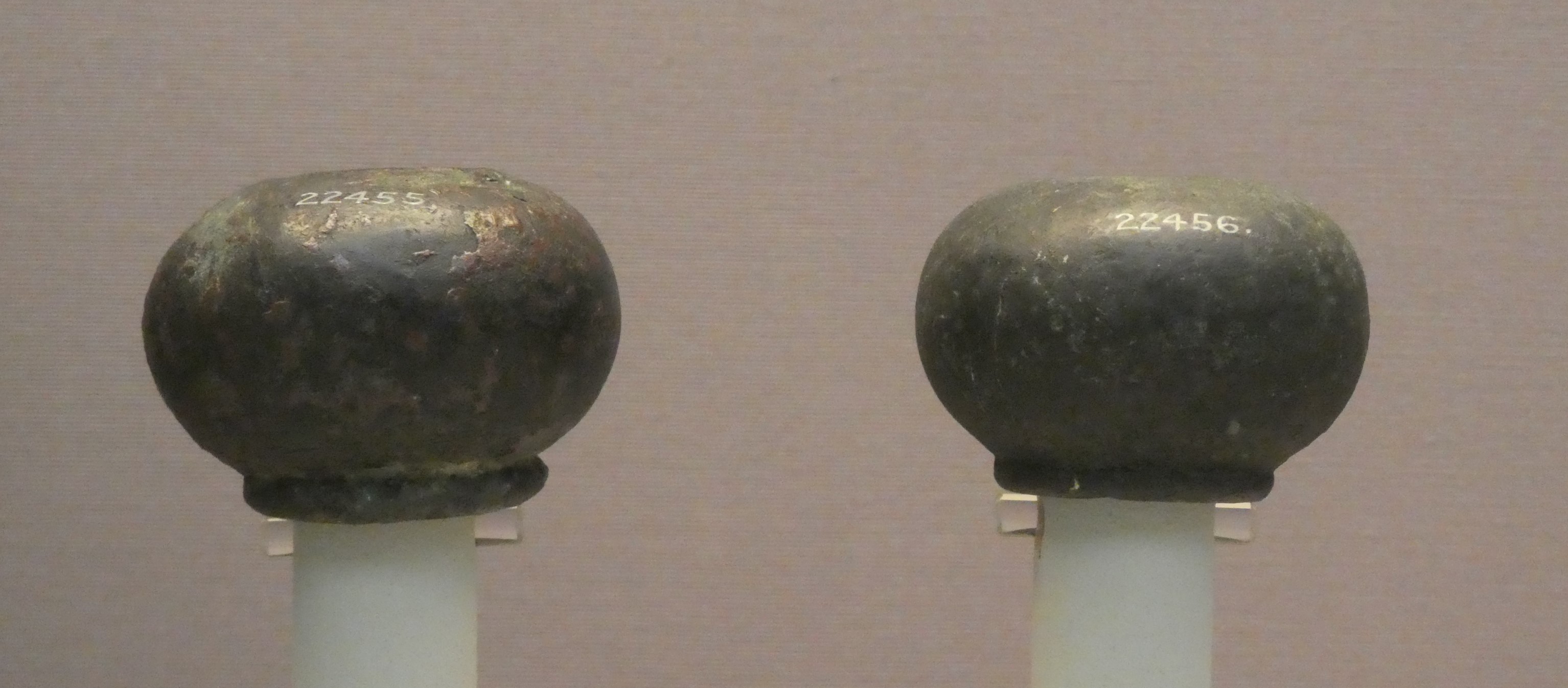
Tell Muhammad
Ancient site with fortifications and tablets