
Explore the Map
Abraham's Well
31.2372° N, 34.7931° E
About
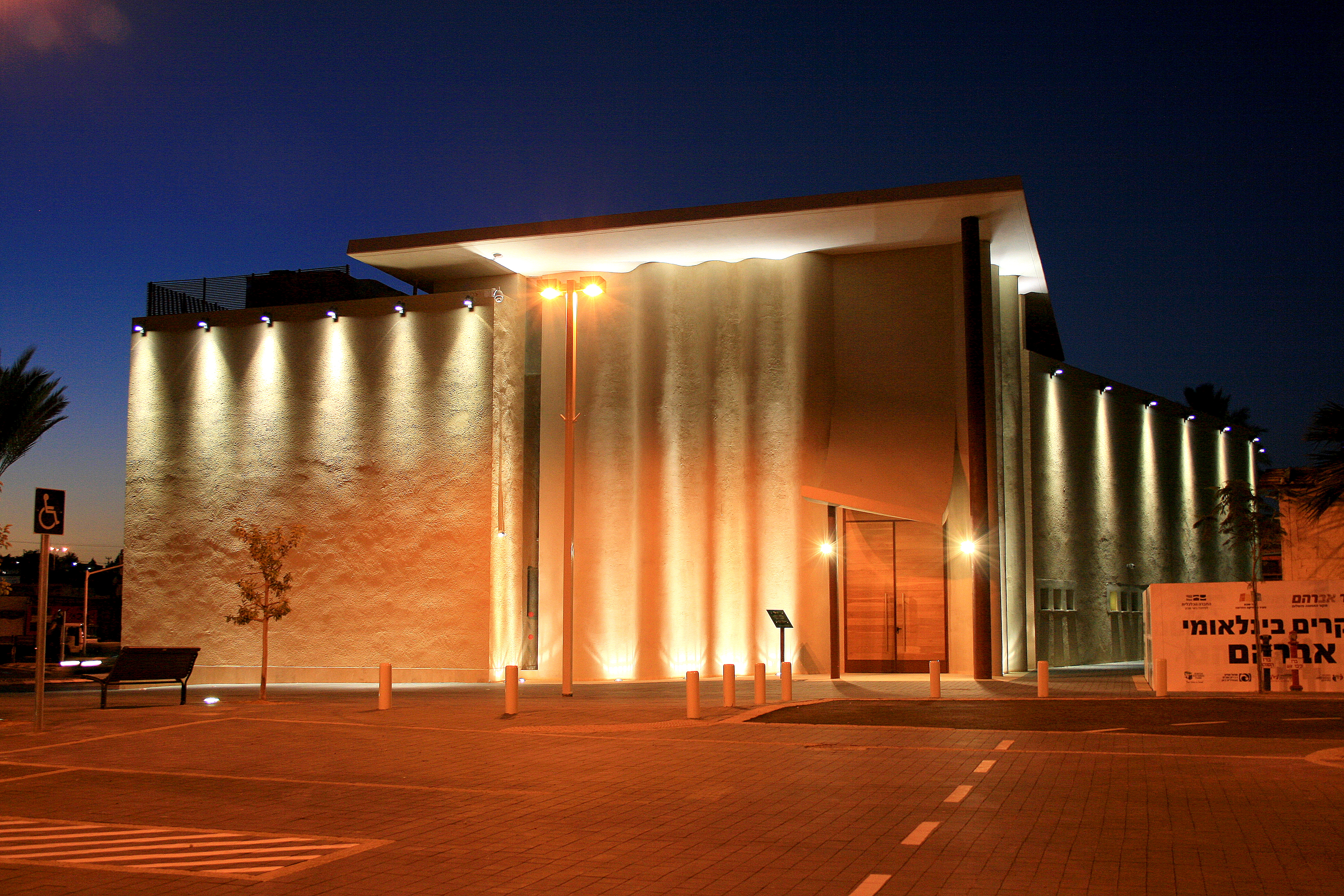
Abraham's Well in Beersheba, Israel, represents a significant archaeological and historical site associated with the biblical patriarch Abraham. The well is characterized by its circular structure, lined with solid masonry, and its substantial depth, with one of the wells described as being over forty-five feet deep. The site also includes an Arabic inscription dated to the 12th century CE, indicating its historical importance and usage over centuries. Archaeologically, the well falls under the category of water management features and is noted for its pure and abundant water supply. Its association with biblical narratives further adds to its cultural and historical significance, making it a point of interest for both religious and archaeological studies.
Gallery
Explore photographs of ancient structures, artifacts, and archaeological excavations
Historical Timeline
Journey through time and discover key events in this site's history
Construction of well
unknown
Arabic Inscription
1111 CE
Archaeological Features
Unique architectural and cultural elements found at this historical site
Water Management Features
Artistic and Decorative Features
Frequently Asked Questions
Plan Your Visit
Tours, travel arrangements, and practical information
More Sites in Israel
Mary's Well
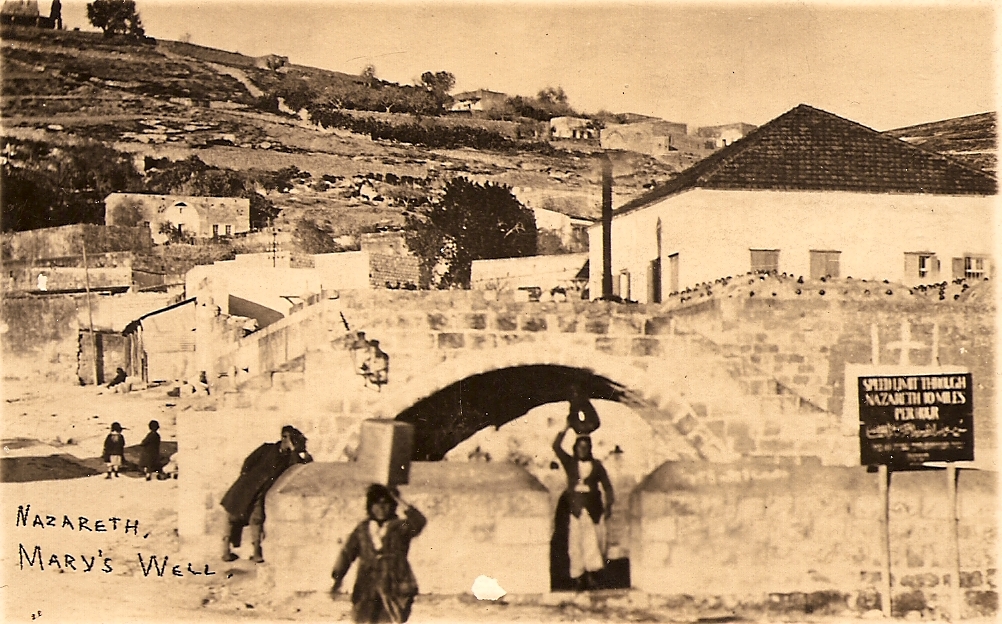
Ancient water supply with religious significance
Ein Avdat
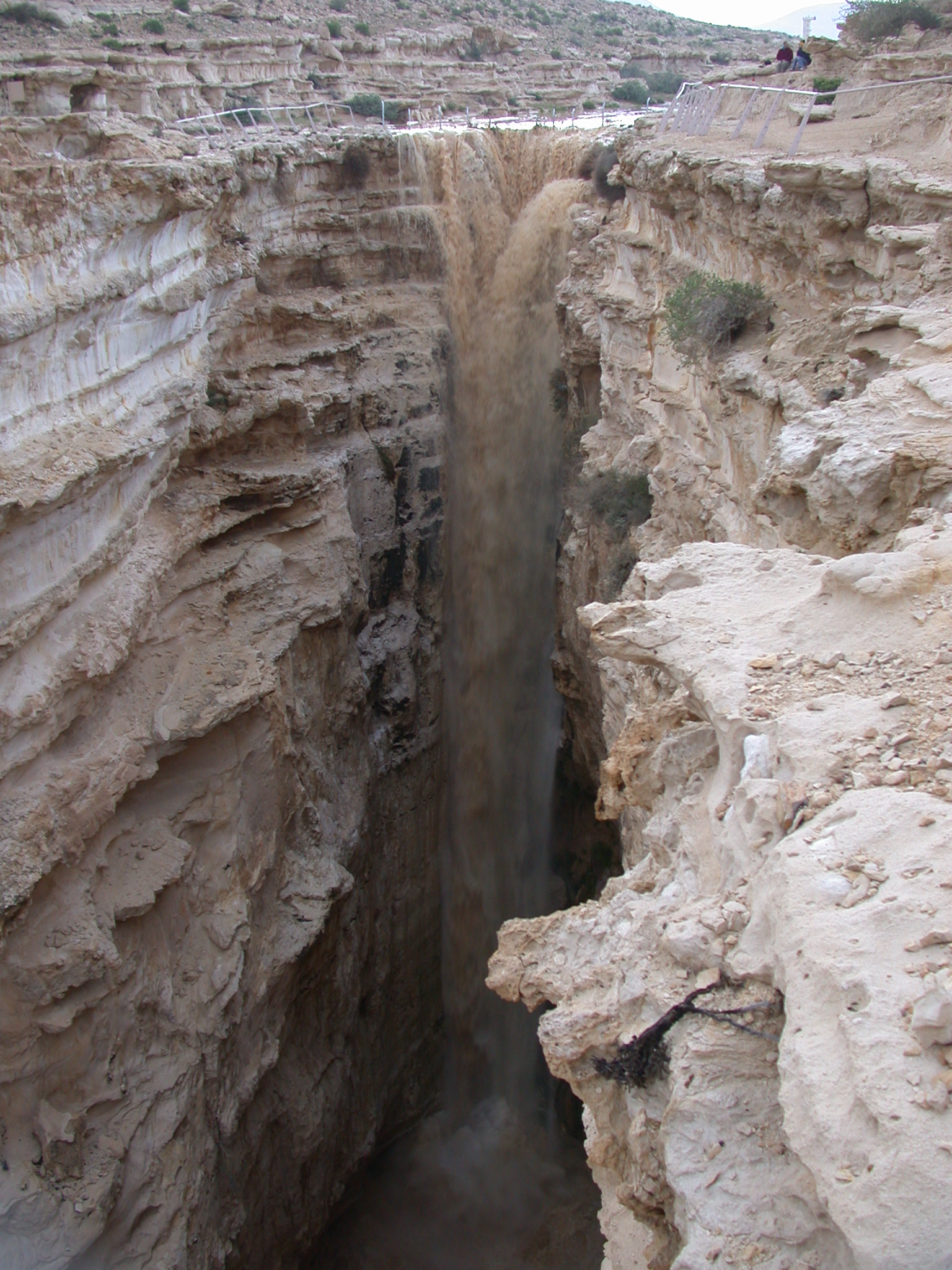
Desert canyon with springs and ancient habitations.
Magdala
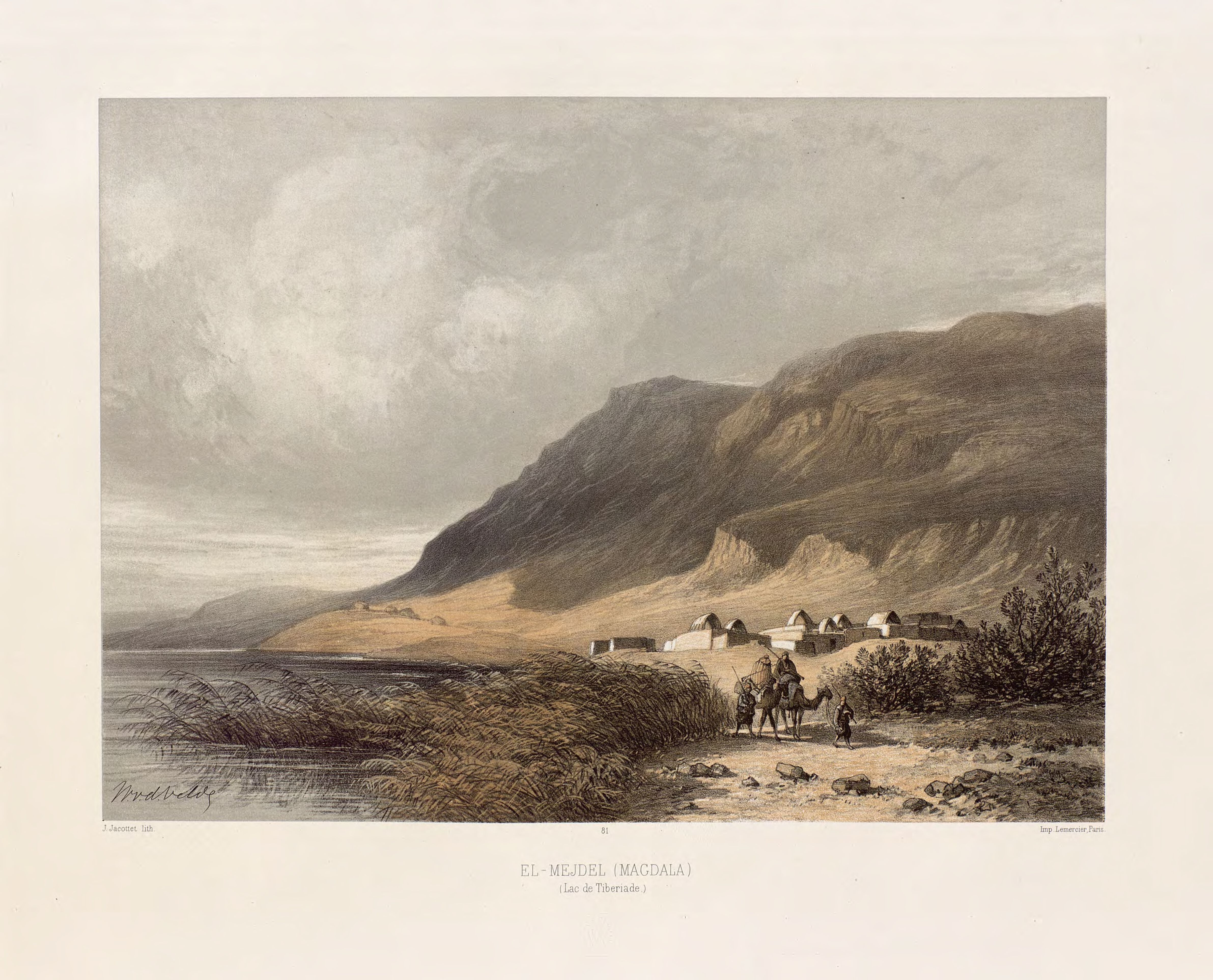
Ancient Jewish city with Roman synagogues
Tell Qasile
Philistine port city with temples and houses
Tel Kabri
Bronze Age Canaanite palace and settlement
Tel Tanninim
Ancient tell near Mediterranean with Byzantine remains