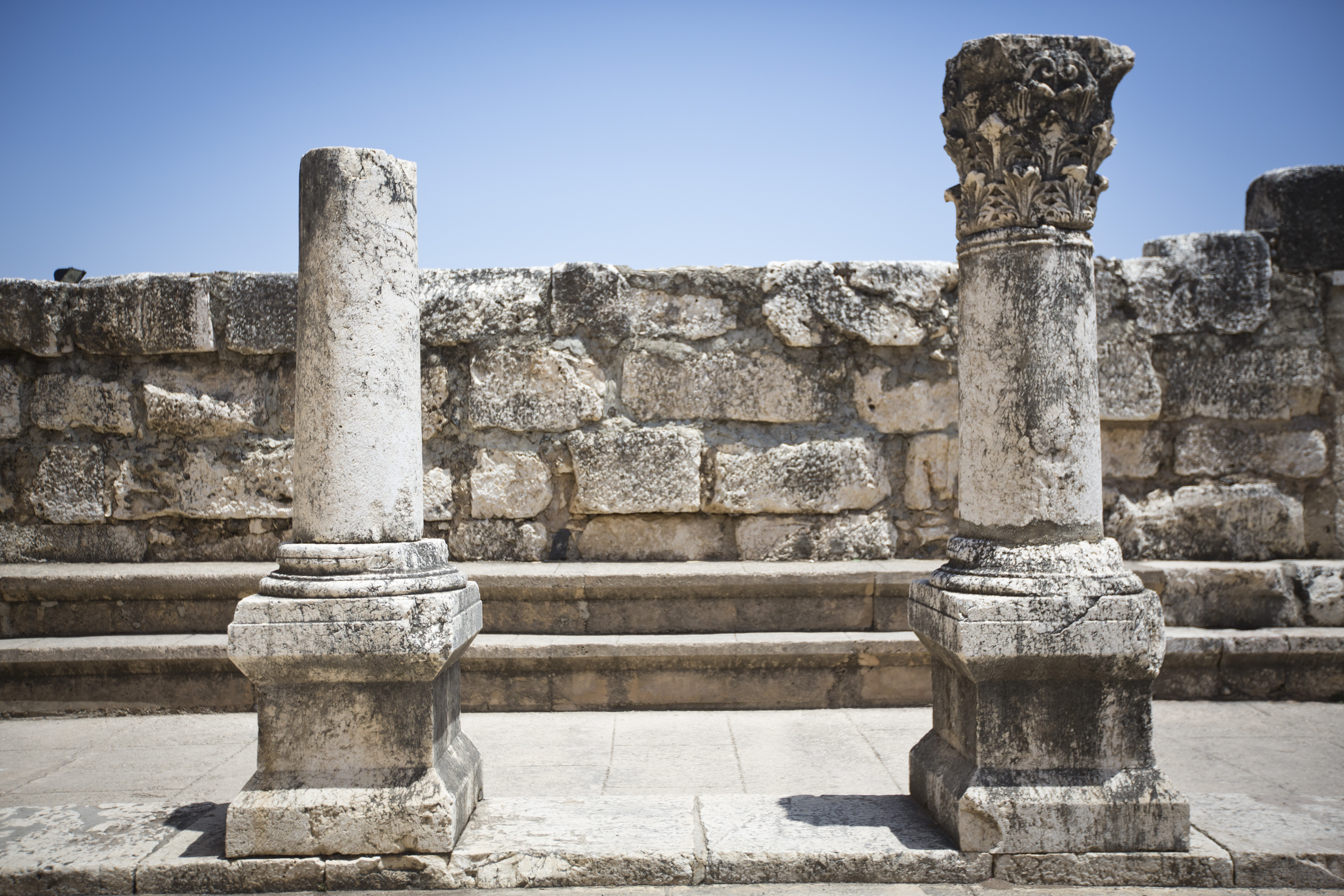
Explore the Map
Capernaum
32.8811° N, 35.5750° E
About
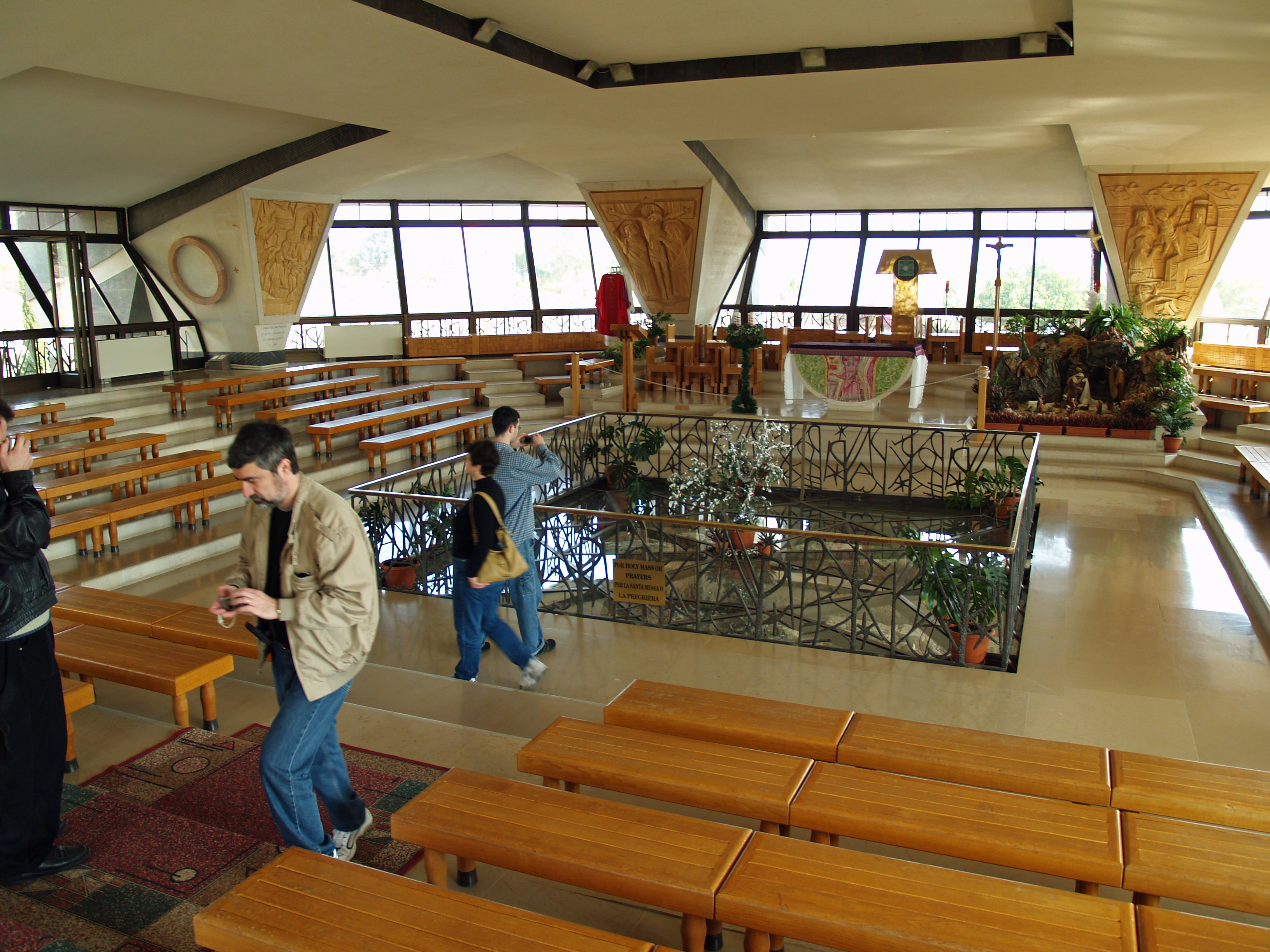
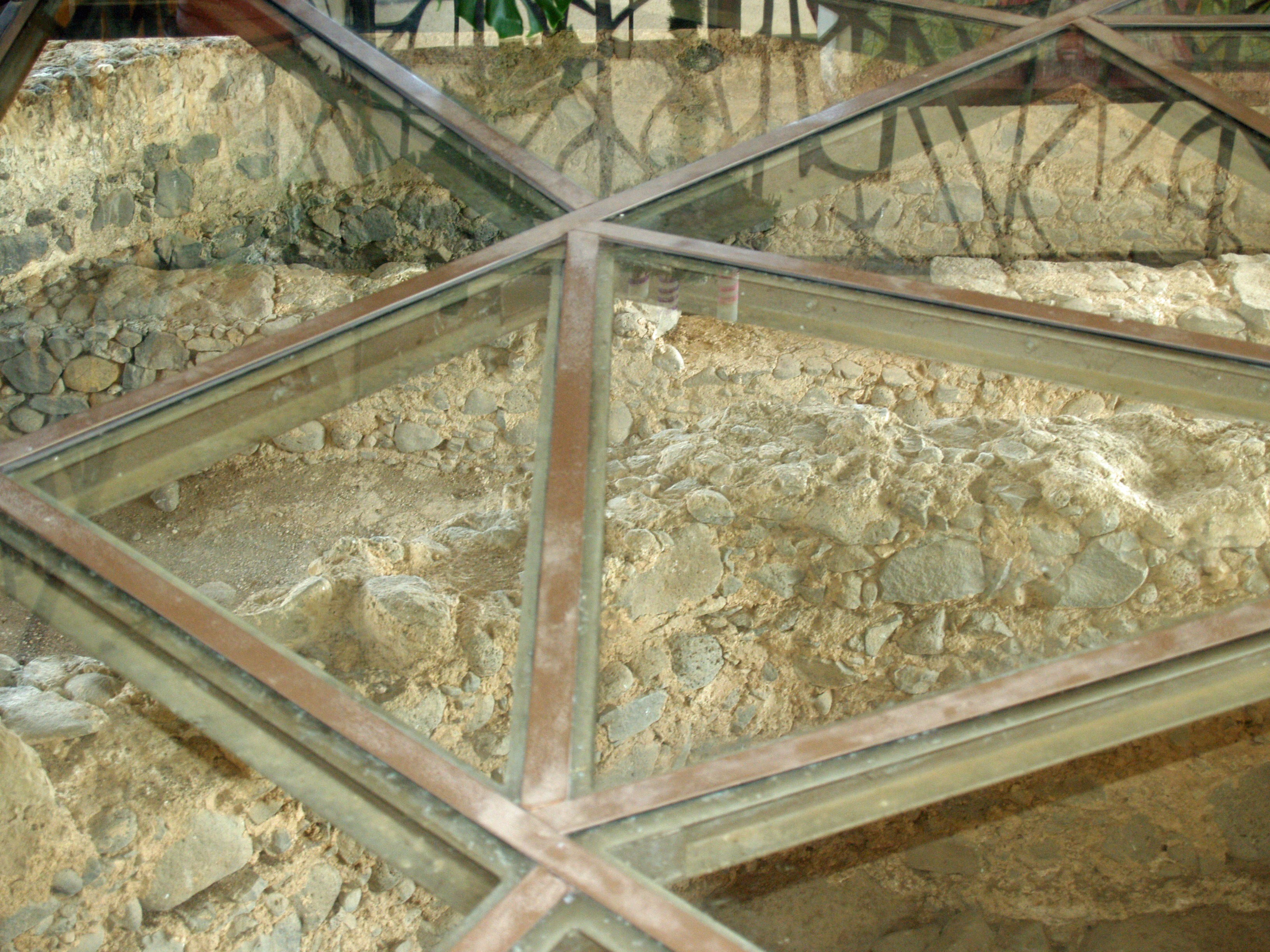
Capernaum, located on the northern shore of the Sea of Galilee, was an ancient fishing village established during the Hasmonean period in the 2nd century BCE. Archaeological evidence reveals that Capernaum was a significant religious and commercial hub in antiquity. The site is notable for its two superimposed synagogues and a Byzantine-era church believed to be associated with Saint Peter. The village's continuous habitation spanned from the 2nd century BCE until its abandonment in the 11th century CE. Capernaum was relocated northeast of its original location around 700 CE during the Early Islamic period. The site offers insight into the architectural techniques and social structures of ancient Jewish and early Christian communities, making it a valuable resource for understanding the development of religious and domestic life in the region.
Gallery
Explore photographs of ancient structures, artifacts, and archaeological excavations
Historical Timeline
Journey through time and discover key events in this site's history
Hasmonean Period Establishment
2nd century BCE
1st Century Synagogue
1st century CE
Byzantine Church Construction
4th century CE
Relocation During Early Islamic Period
c. 700 CE
Abandonment Before First Crusade
11th century CE
Archaeological Features
Unique architectural and cultural elements found at this historical site
Storage Structures
Public and Civic Structures
Religious and Ritual Structures
Artistic and Decorative Features
Agricultural and Land Use Features
Domestic and Habitation Structures
Transportation and Communication Structures
Frequently Asked Questions
Plan Your Visit
Tours, travel arrangements, and practical information
More Sites in Israel
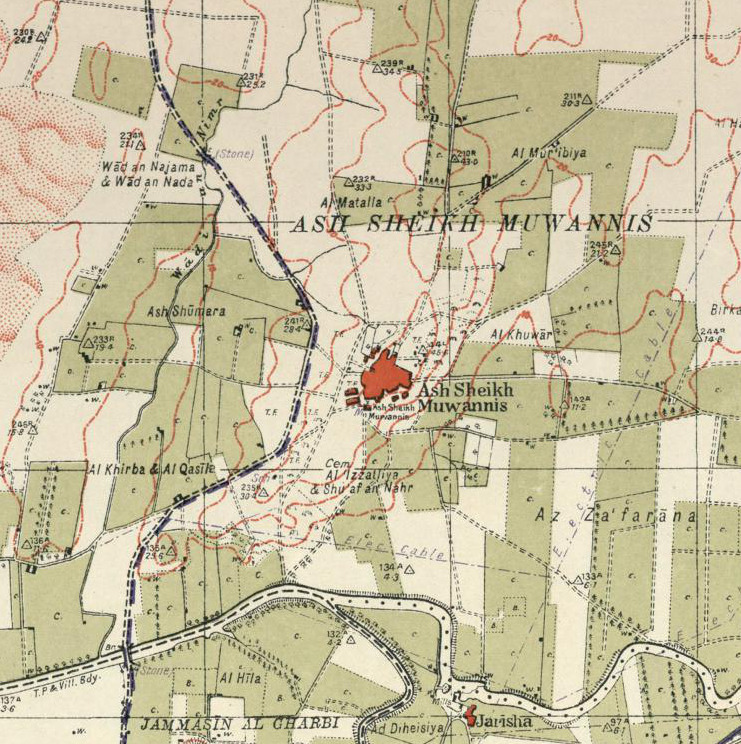
Tell Qasile
Philistine port city with temples and houses
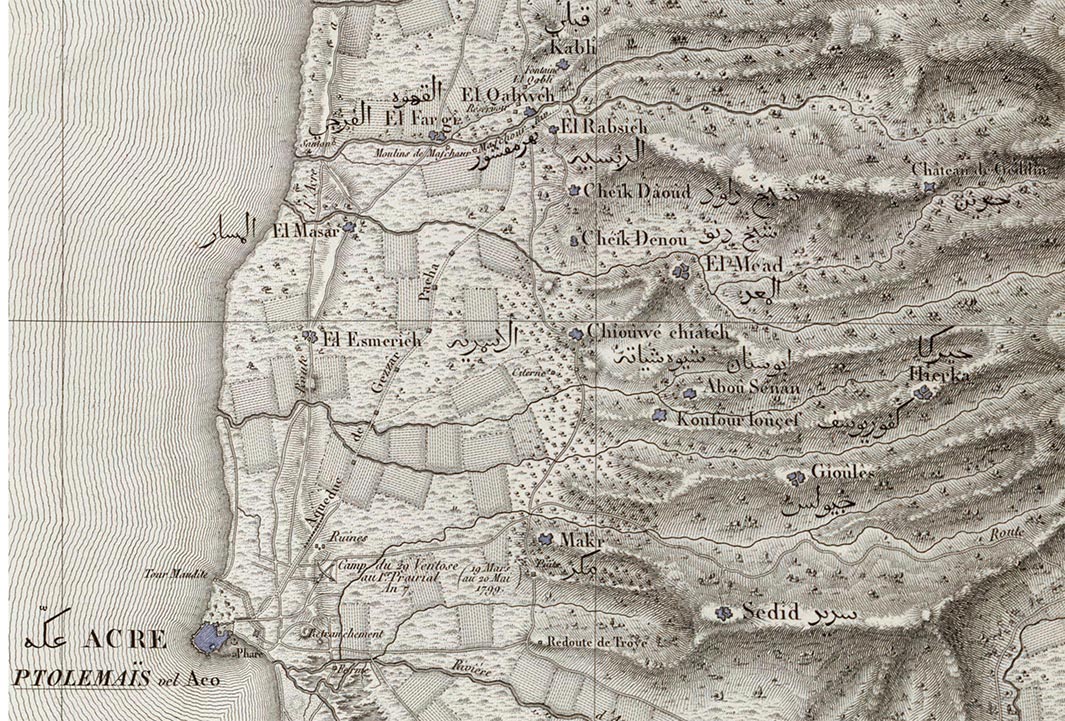
Tel Kabri
Bronze Age Canaanite palace and settlement
Tel Tanninim
Ancient tell near Mediterranean with Byzantine remains
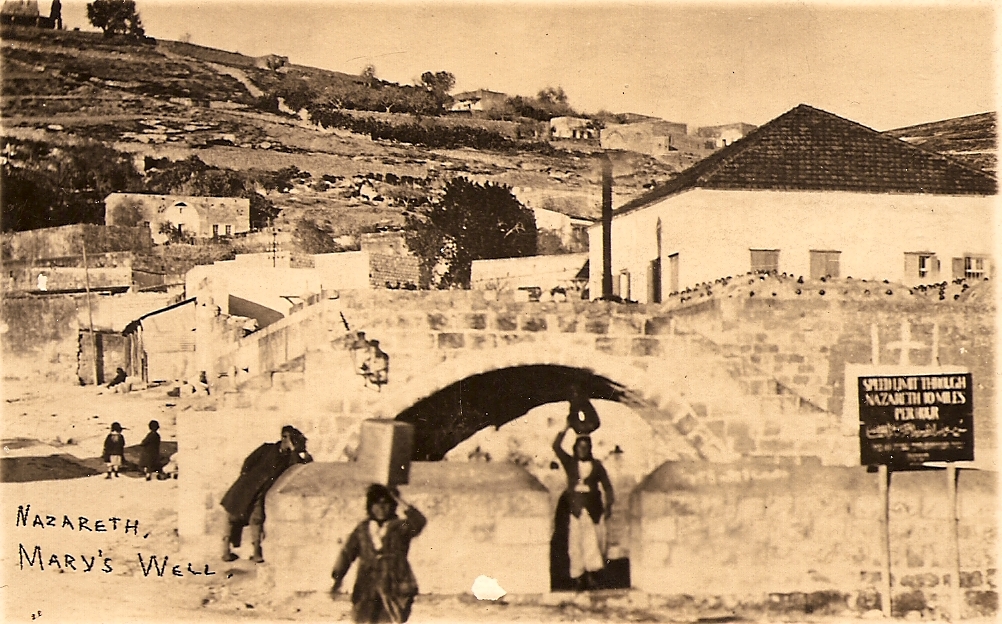
Mary's Well
Ancient water supply with religious significance
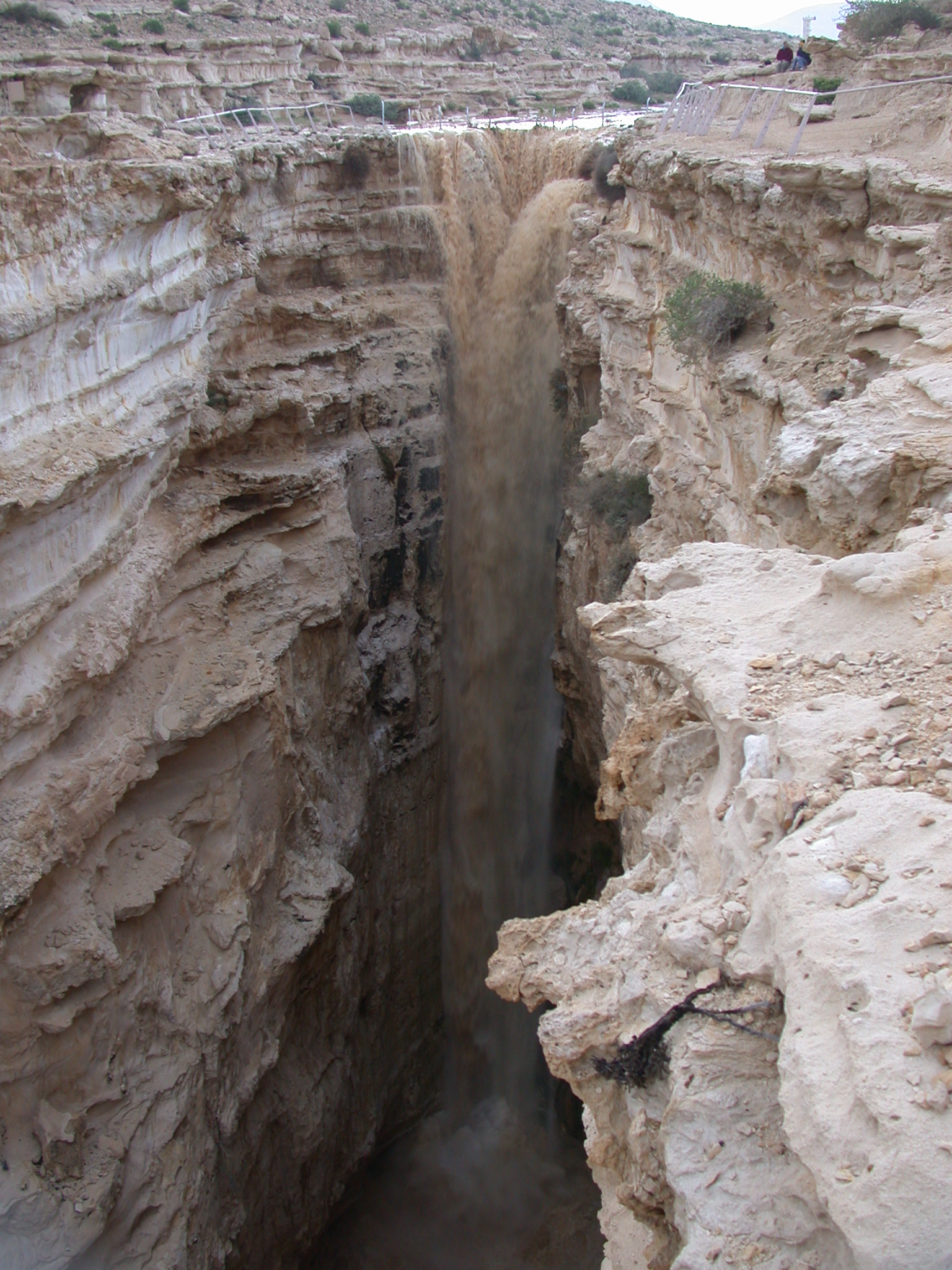
Ein Avdat
Desert canyon with springs and ancient habitations.
Timna Valley
Copper mining and unique sandstone formations