
Explore the Map
Incense Route – Desert Cities in the Negev
30.5411° N, 35.1608° E
About
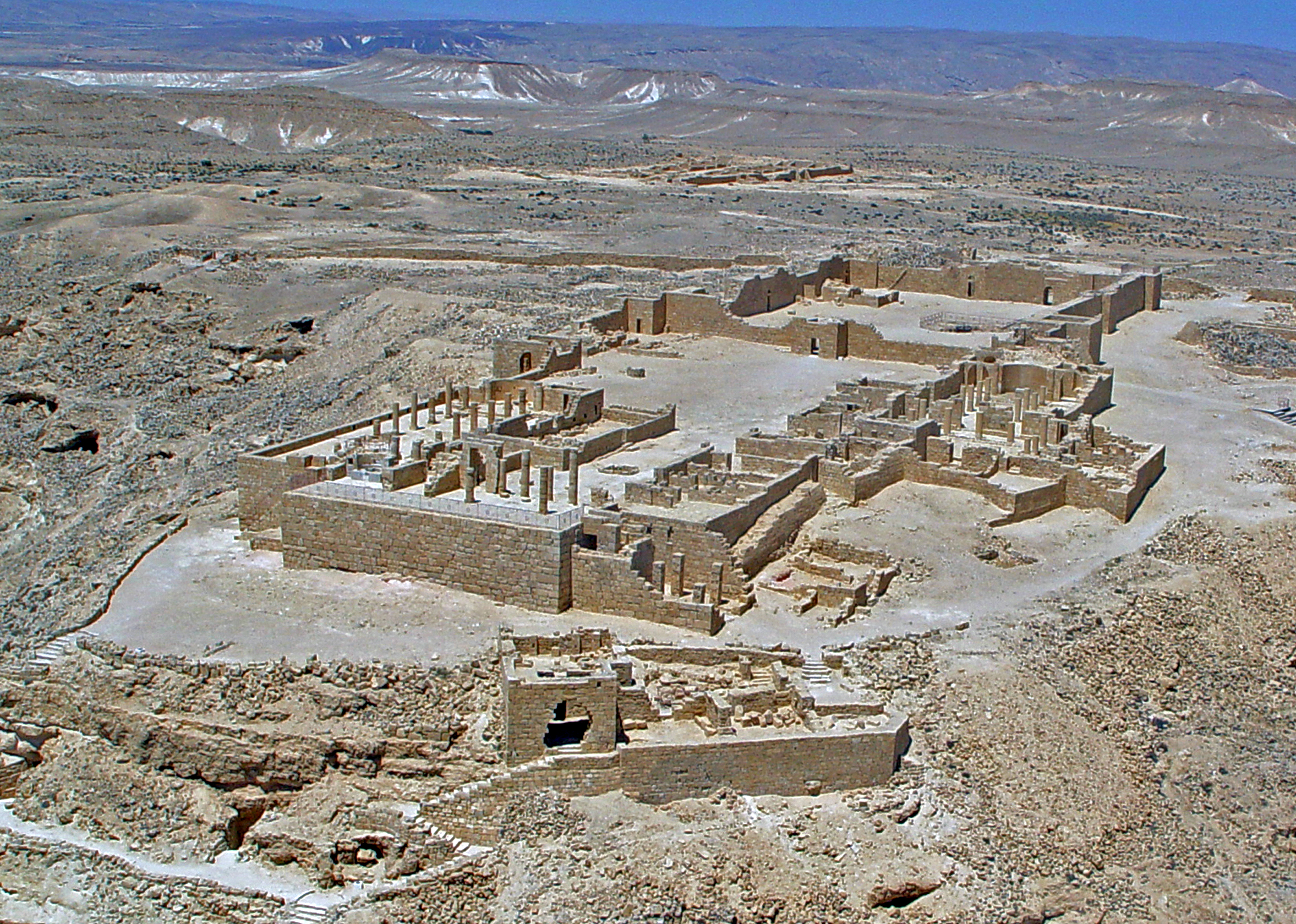
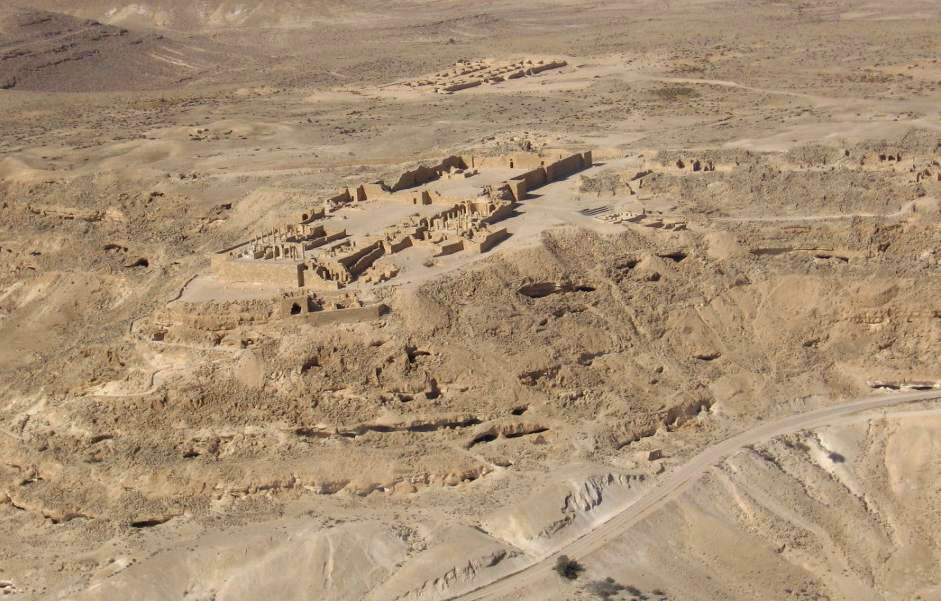
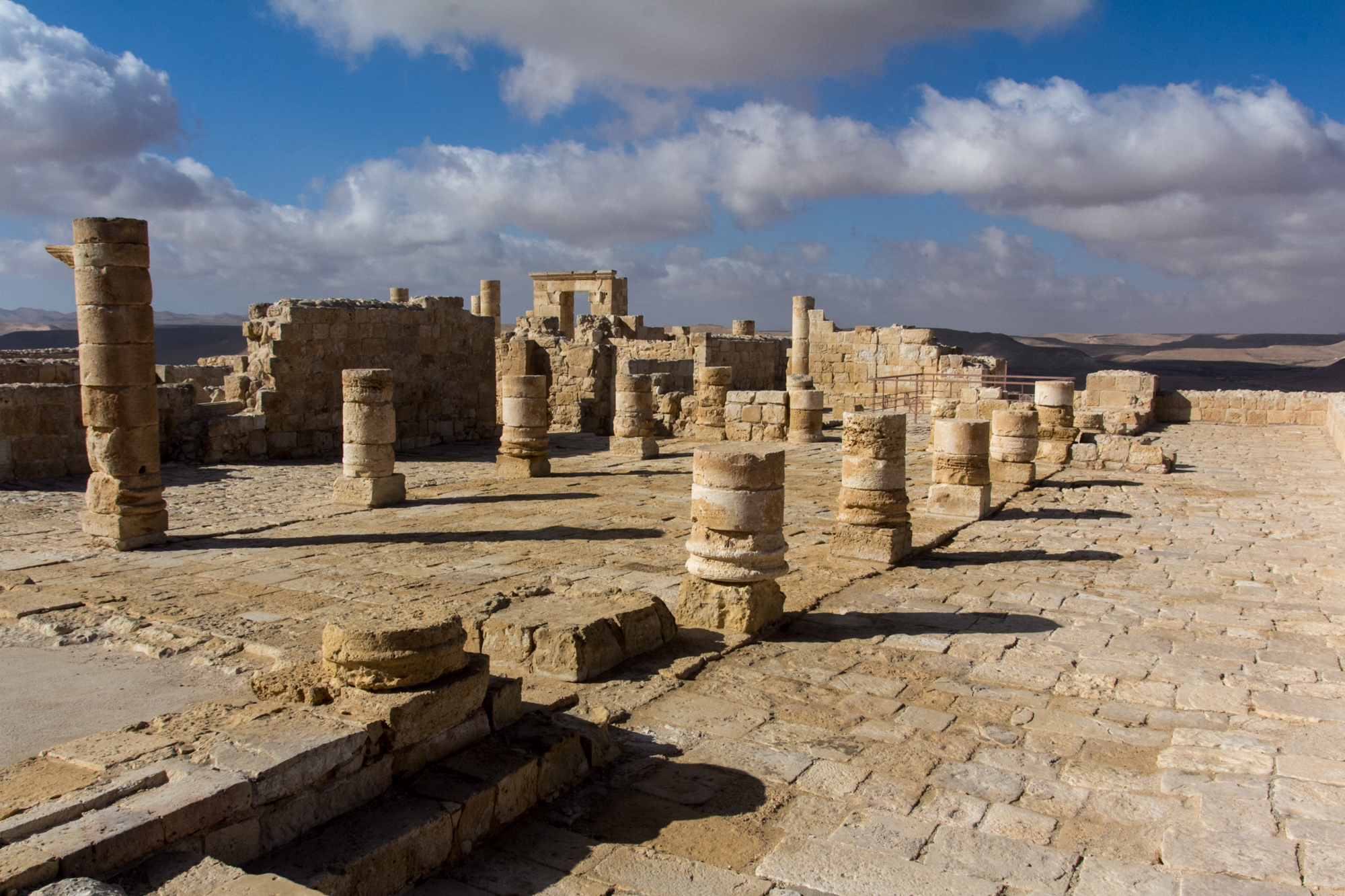
The Incense Route – Desert Cities in the Negev is a significant archaeological site located in southern Israel, showcasing the remnants of an ancient trade network that connected Arabia to the Mediterranean during the Hellenistic-Roman period. This route facilitated the extensive trade of valuable commodities such as frankincense and myrrh, leading to the development of cities like Avdat, Haluza, Mamshit, and Shivta. These cities feature a range of archaeological elements, including domestic structures, irrigation systems, and fortifications. The Nabataeans, who settled in the region, developed sophisticated agricultural and irrigation techniques to thrive in the harsh desert environment. The site also contains artistic elements like mosaics and frescoes, reflecting the cultural exchange along the trade route. Despite being mostly deserted by the 7th century CE, the site remains well-preserved, offering insights into ancient commerce and desert agriculture.
Gallery
Explore photographs of ancient structures, artifacts, and archaeological excavations
Historical Timeline
Journey through time and discover key events in this site's history
Nabataean Settlement
500 BCE
Incense Route Flourishes
300 BCE to 200 CE
Roman Occupation of Petra
106 CE
Site Mostly Deserted
600 CE
Archaeological Features
Unique architectural and cultural elements found at this historical site
Defensive Structures
Water Management Features
Public and Civic Structures
Religious and Ritual Structures
Artistic and Decorative Features
Agricultural and Land Use Features
Domestic and Habitation Structures
Transportation and Communication Structures
Frequently Asked Questions
Plan Your Visit
Tours, travel arrangements, and practical information
More Sites in Israel
Tel Tanninim
Ancient tell near Mediterranean with Byzantine remains
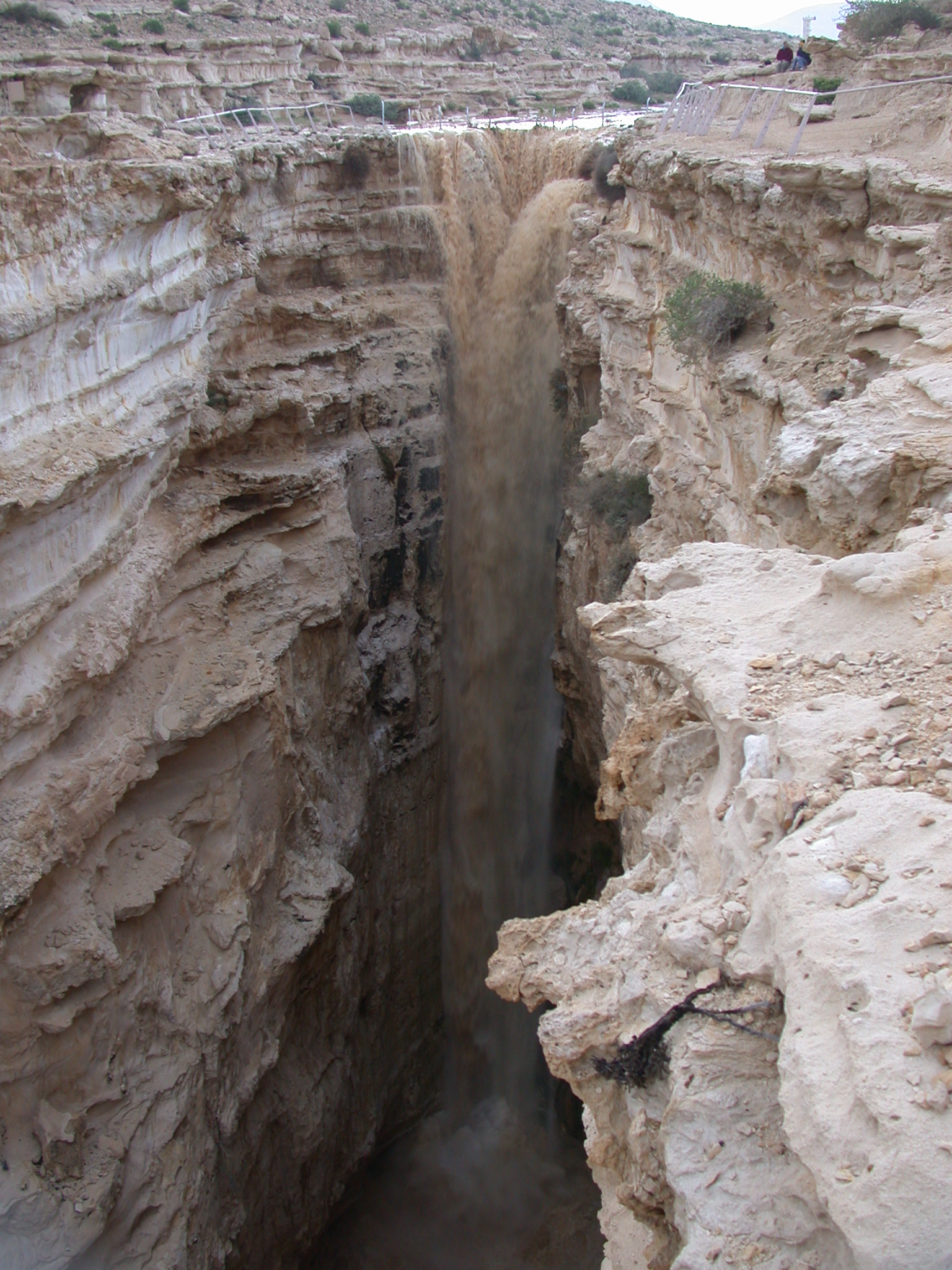
Ein Avdat
Desert canyon with springs and ancient habitations.
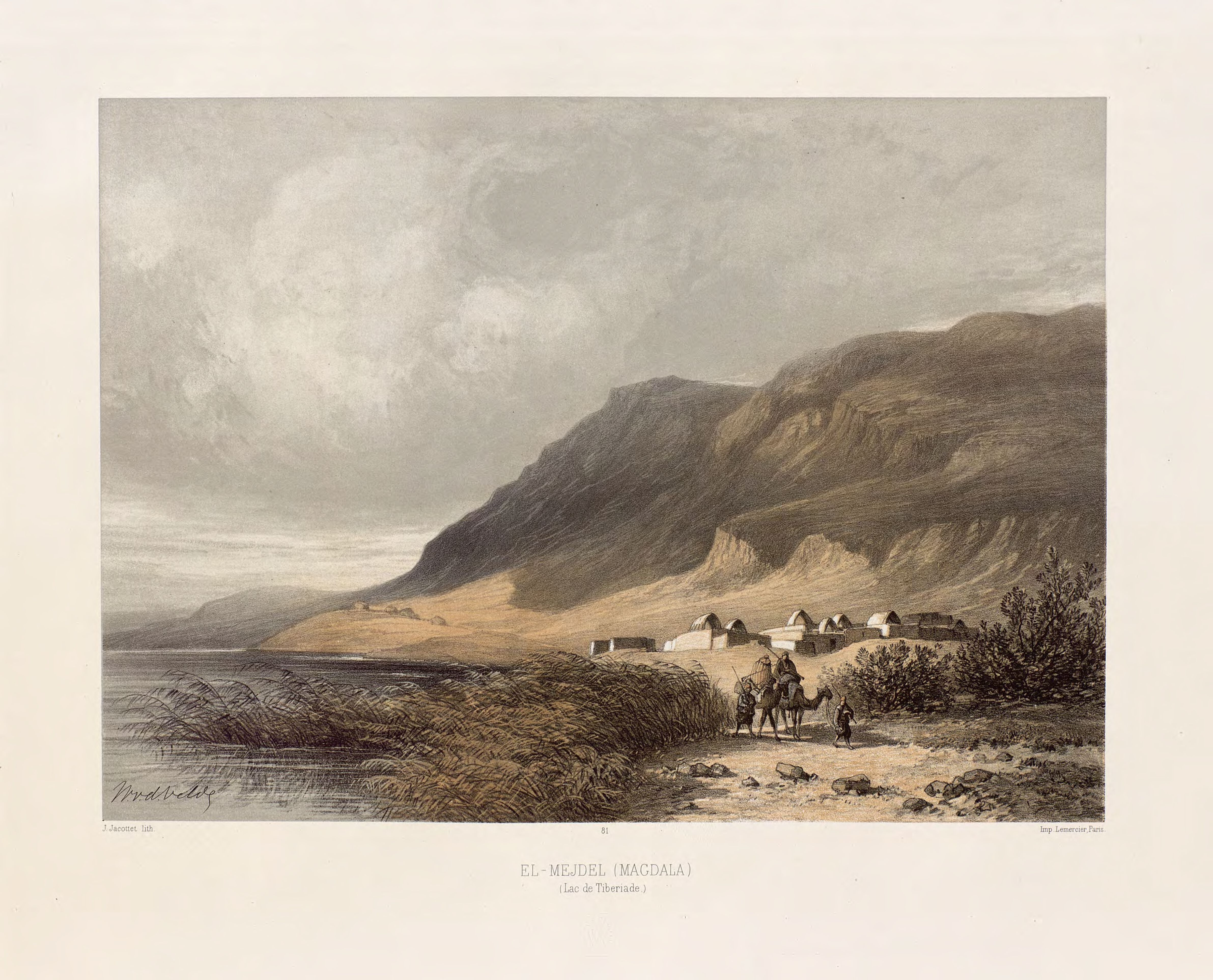
Magdala
Ancient Jewish city with Roman synagogues
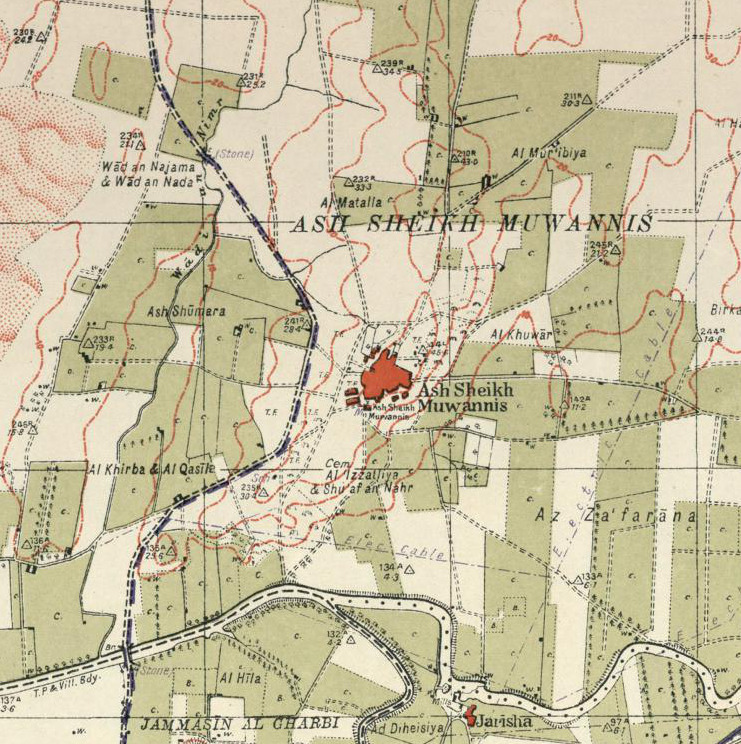
Tell Qasile
Philistine port city with temples and houses
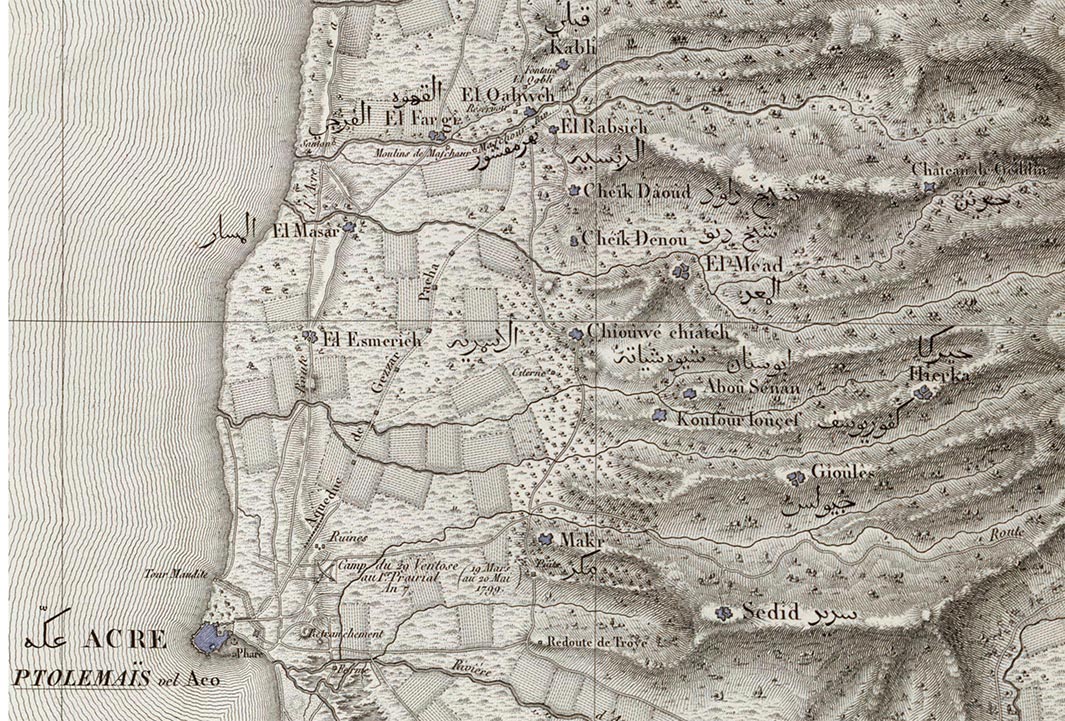
Tel Kabri
Bronze Age Canaanite palace and settlement
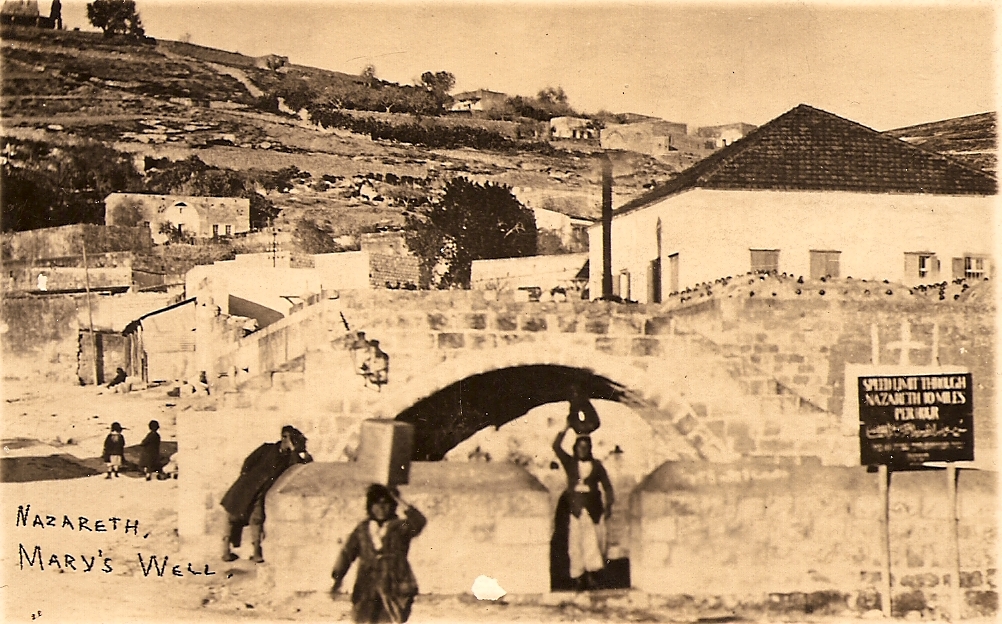
Mary's Well
Ancient water supply with religious significance