Explore the Map
Khirbat Al-Burj, Haifa
32.5097° N, 34.9411° E
About
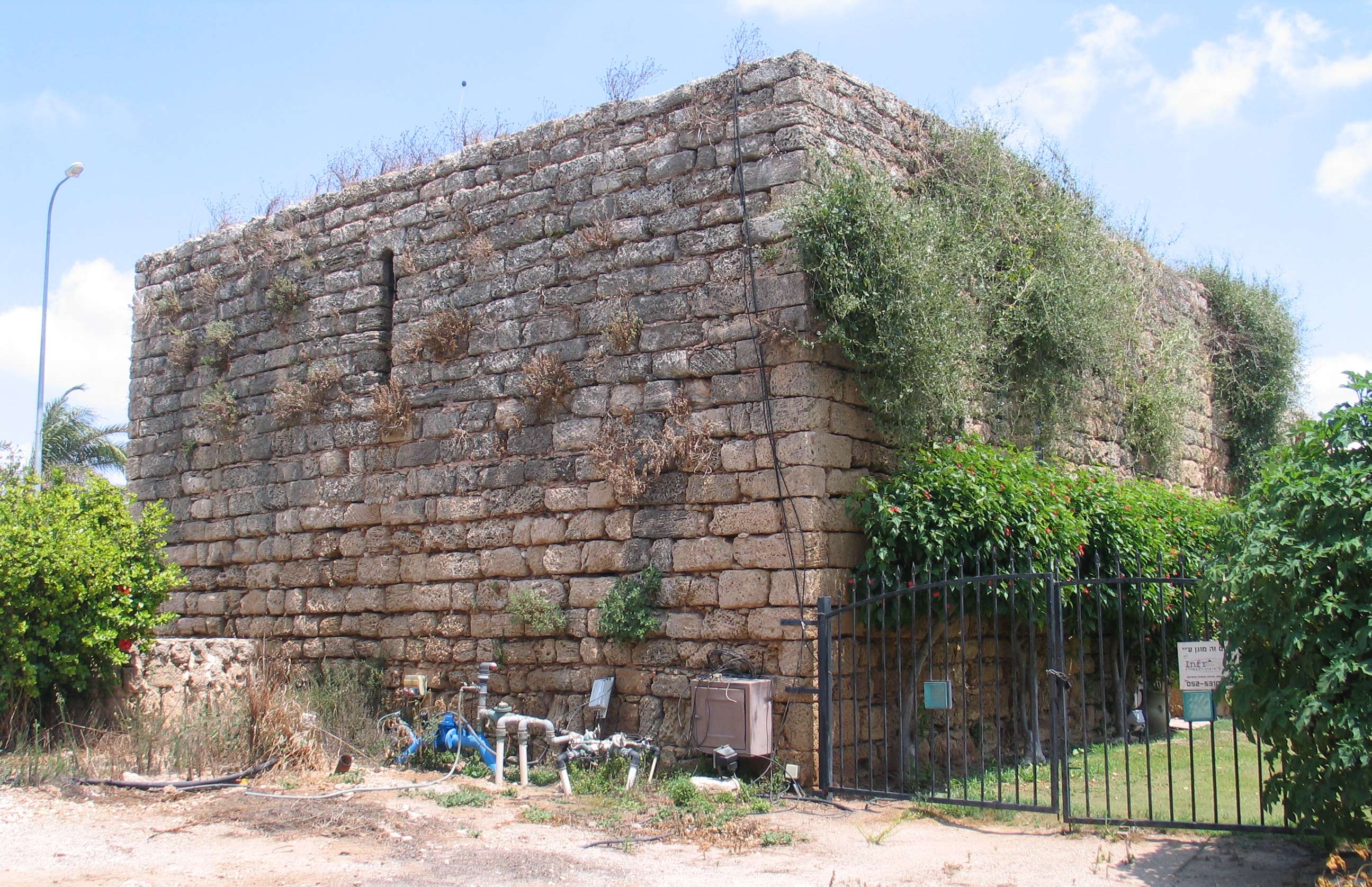
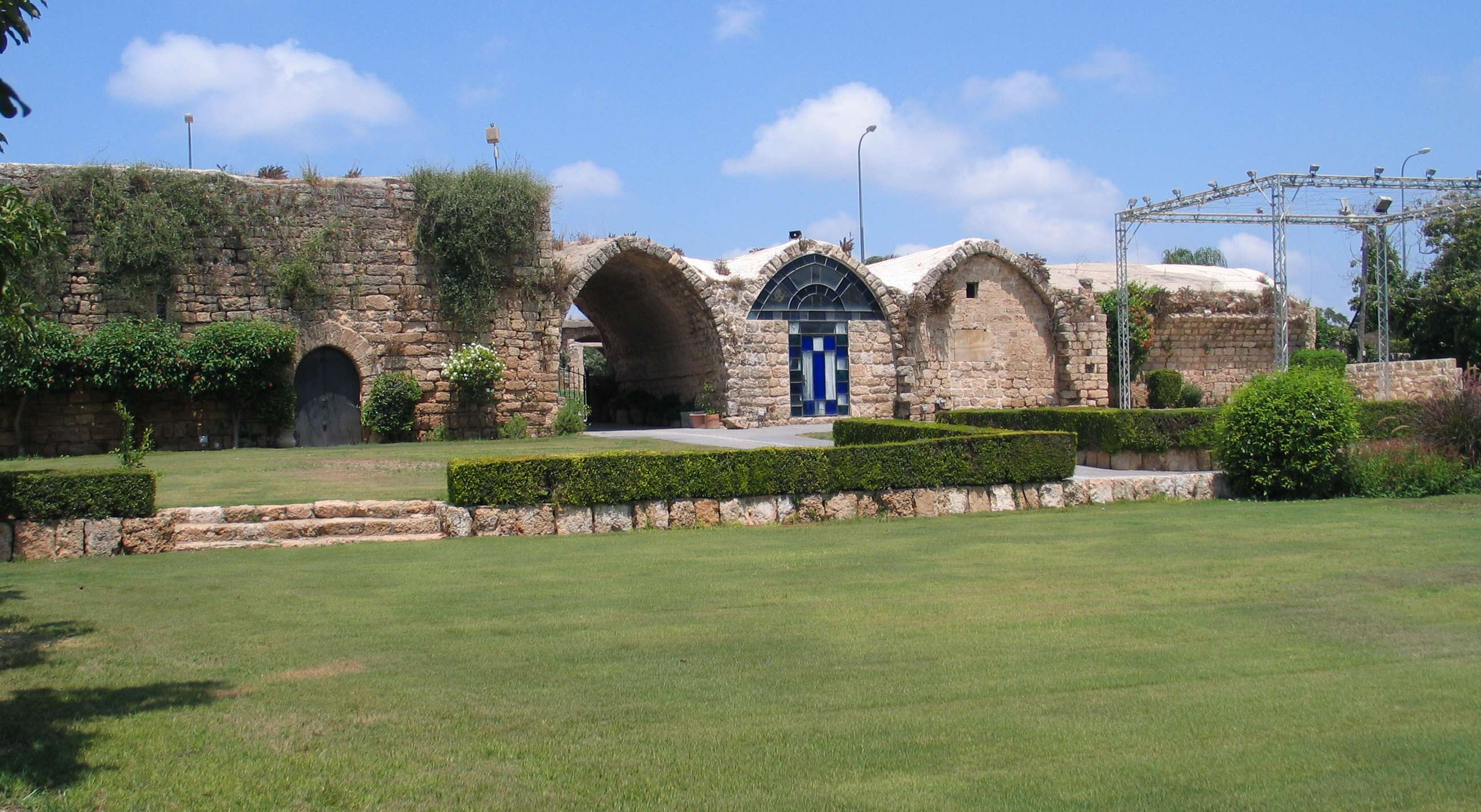
Khirbat Al-Burj, situated in the Sharon Plain near Binyamina, is an archaeological site of significant historical depth. Originally a small Byzantine structure dating from the 5th to 7th centuries CE, the site evolved through various periods, including the Crusader era, during which a stone with Greek inscription was repurposed into a fortress. In the Ottoman period, the site became known as Burj el Kheil, serving as a fortified farmhouse or caravanserai, and was briefly noted in history when Kaiser Wilhelm II stayed there in 1898. The site became part of early Zionist activities in the early 20th century and was eventually depopulated in 1948. The rich layers of history, from Byzantine to Ottoman, make Khirbat Al-Burj a site of archaeological interest, reflecting diverse periods and functions over time.
Gallery
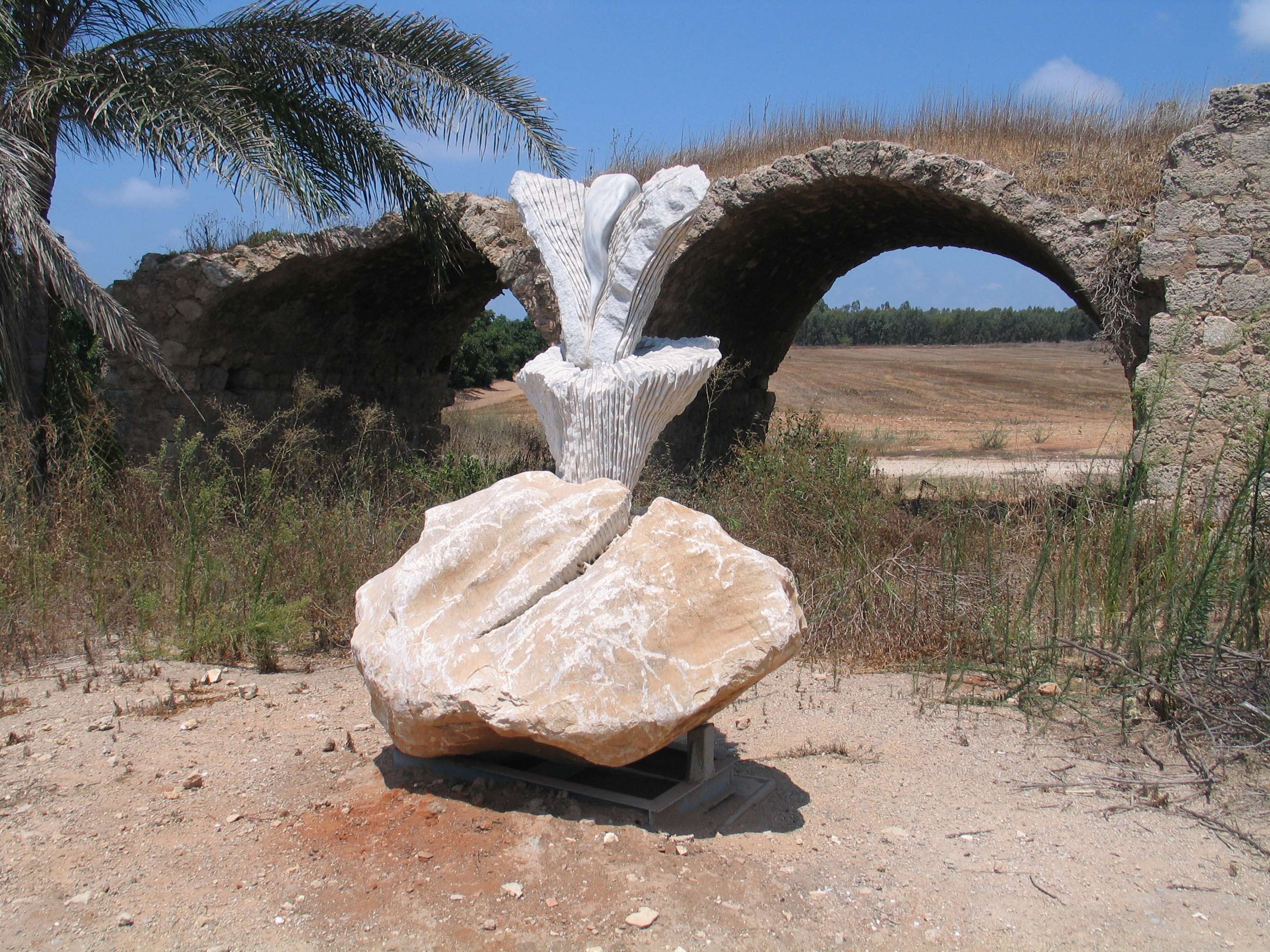
Explore photographs of ancient structures, artifacts, and archaeological excavations
Historical Timeline
Journey through time and discover key events in this site's history
Byzantine Structure
500 CE - 700 CE
Crusader Reuse
1100 CE - 1300 CE
Ottoman Burj Construction
1800 CE - 1900 CE
Wilhelm II's Visit
1898 CE
Depopulation Event
1948 CE
Archaeological Features
Unique architectural and cultural elements found at this historical site
Defensive Structures
Domestic and Habitation Structures
Transportation and Communication Structures
Frequently Asked Questions
Plan Your Visit
Tours, travel arrangements, and practical information


More Sites in Israel
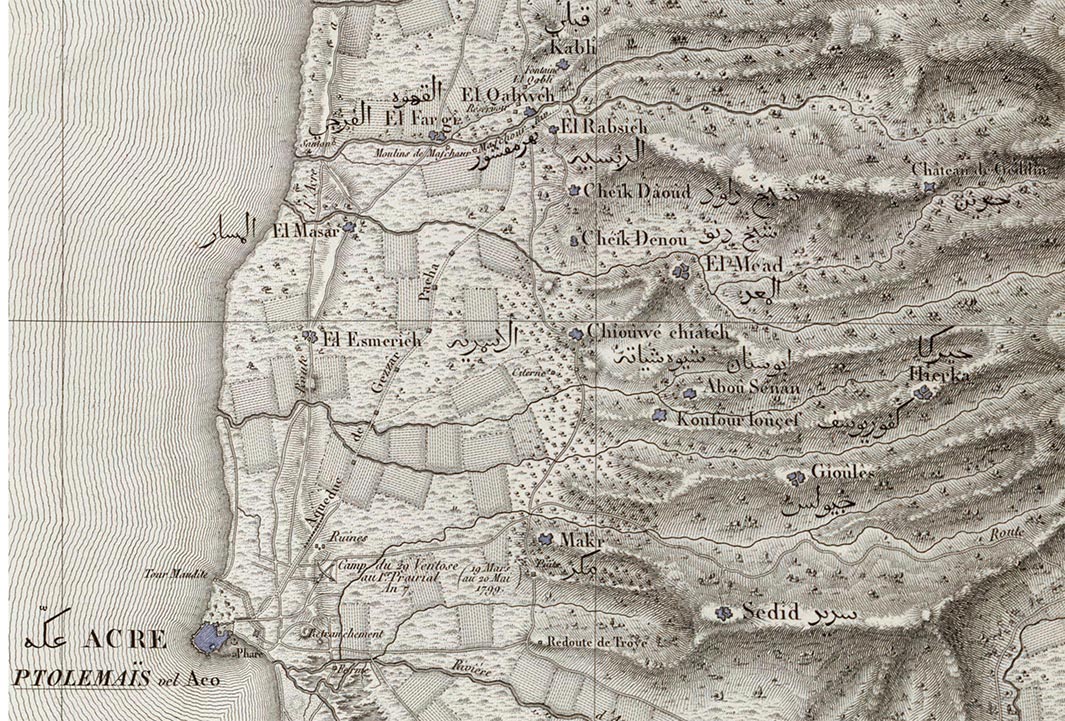
Tel Kabri
Bronze Age Canaanite palace and settlement
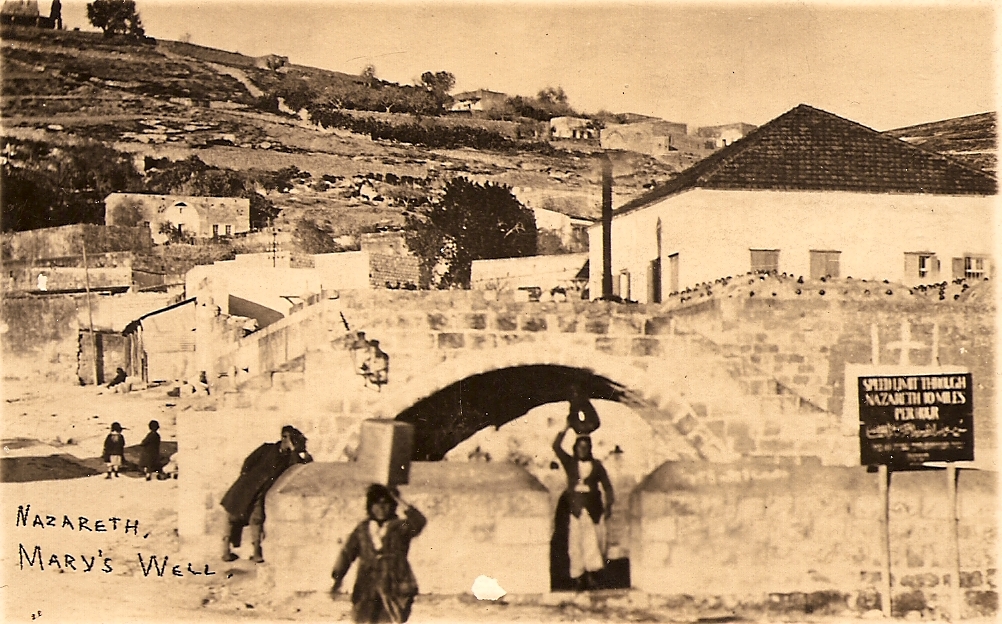
Mary's Well
Ancient water supply with religious significance
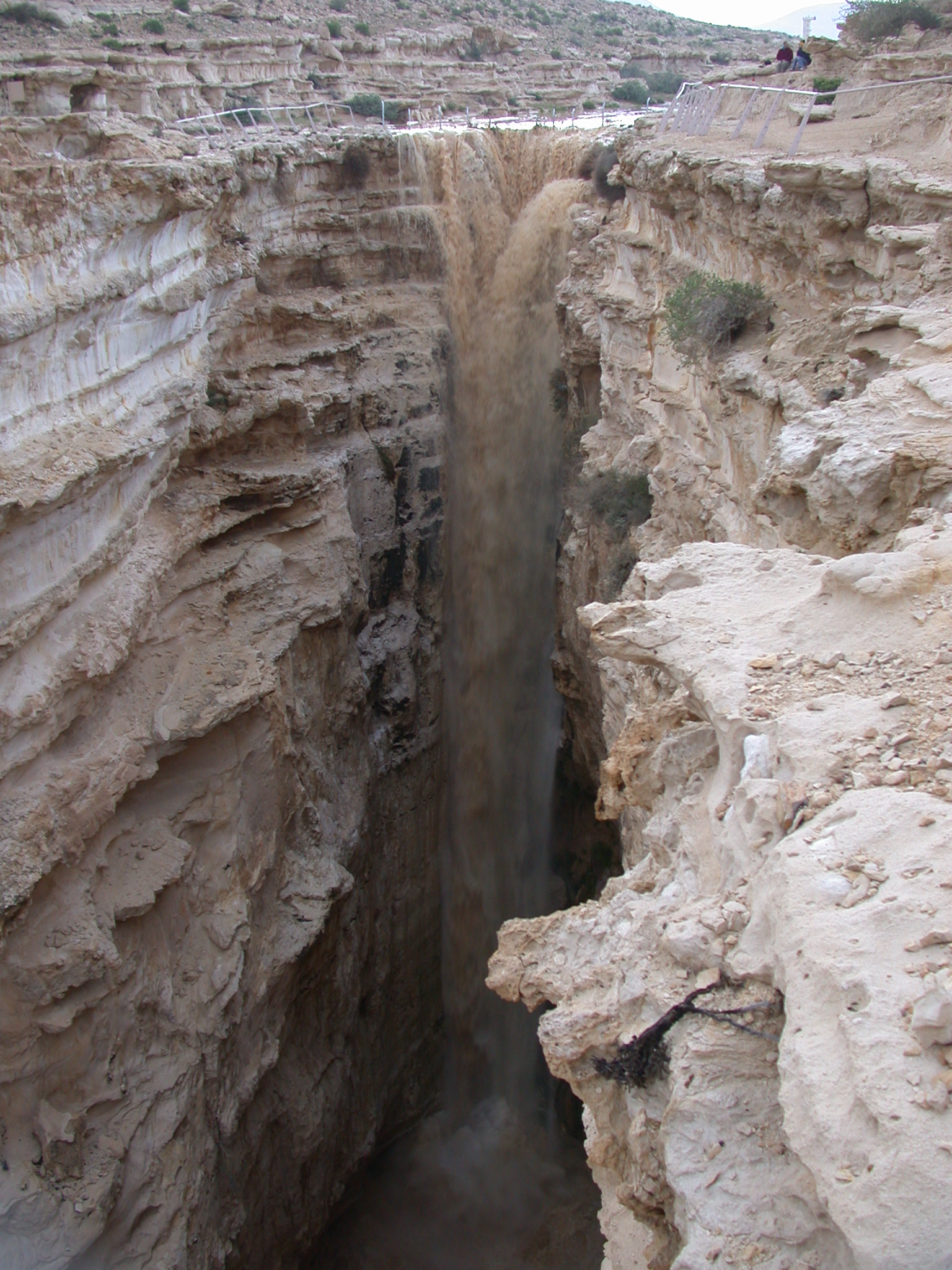
Ein Avdat
Desert canyon with springs and ancient habitations.

Tel Tanninim
Ancient tell near Mediterranean with Byzantine remains
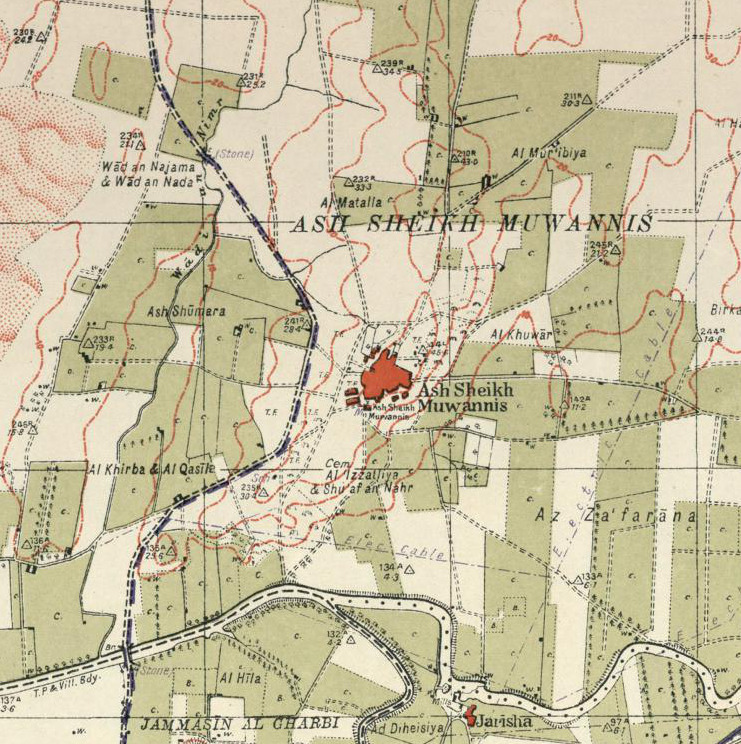
Tell Qasile
Philistine port city with temples and houses
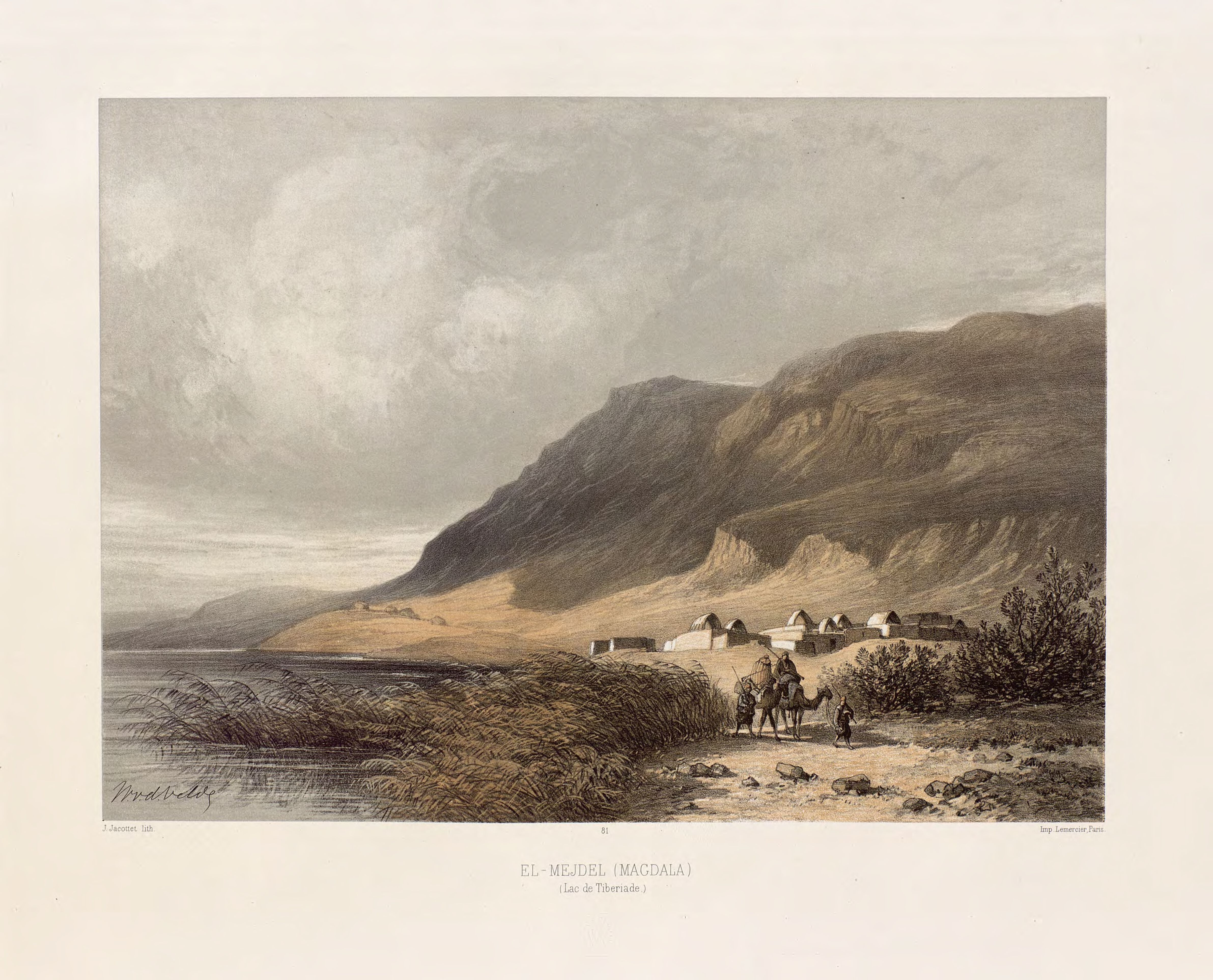
Magdala
Ancient Jewish city with Roman synagogues