Time Periods
Paleolithic
Mesolithic
Neolithic
Chalcolithic
Bronze Age
Iron Age
Classical Period
Post-Classical Period
Early Modern Period
Industrial Period
Contemporary Period
Time Periods
Paleolithic
Mesolithic
Neolithic
Chalcolithic
Bronze Age
Iron Age
Classical Period
Post-Classical Period
Early Modern Period
Industrial Period
Contemporary Period
Location
About
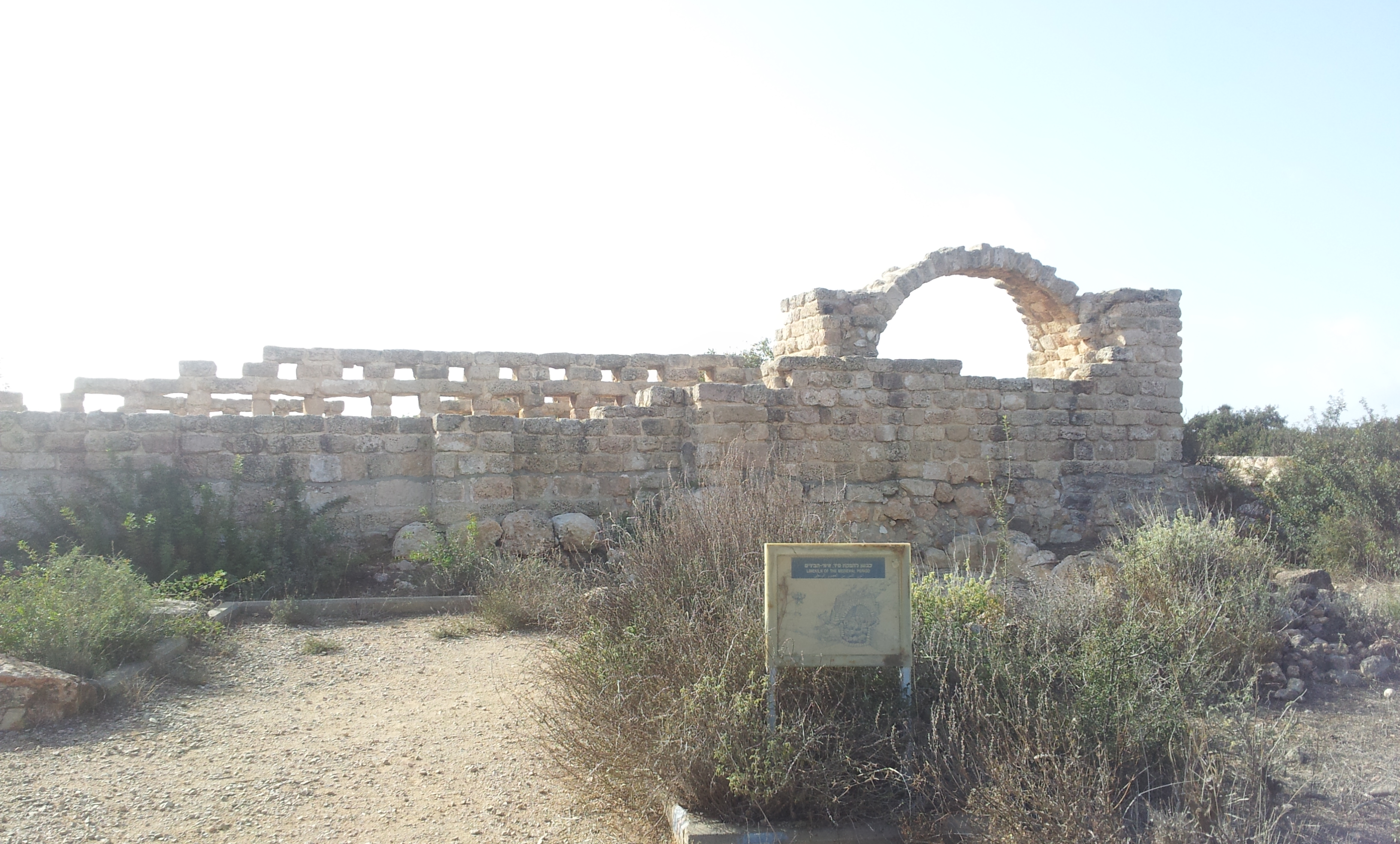
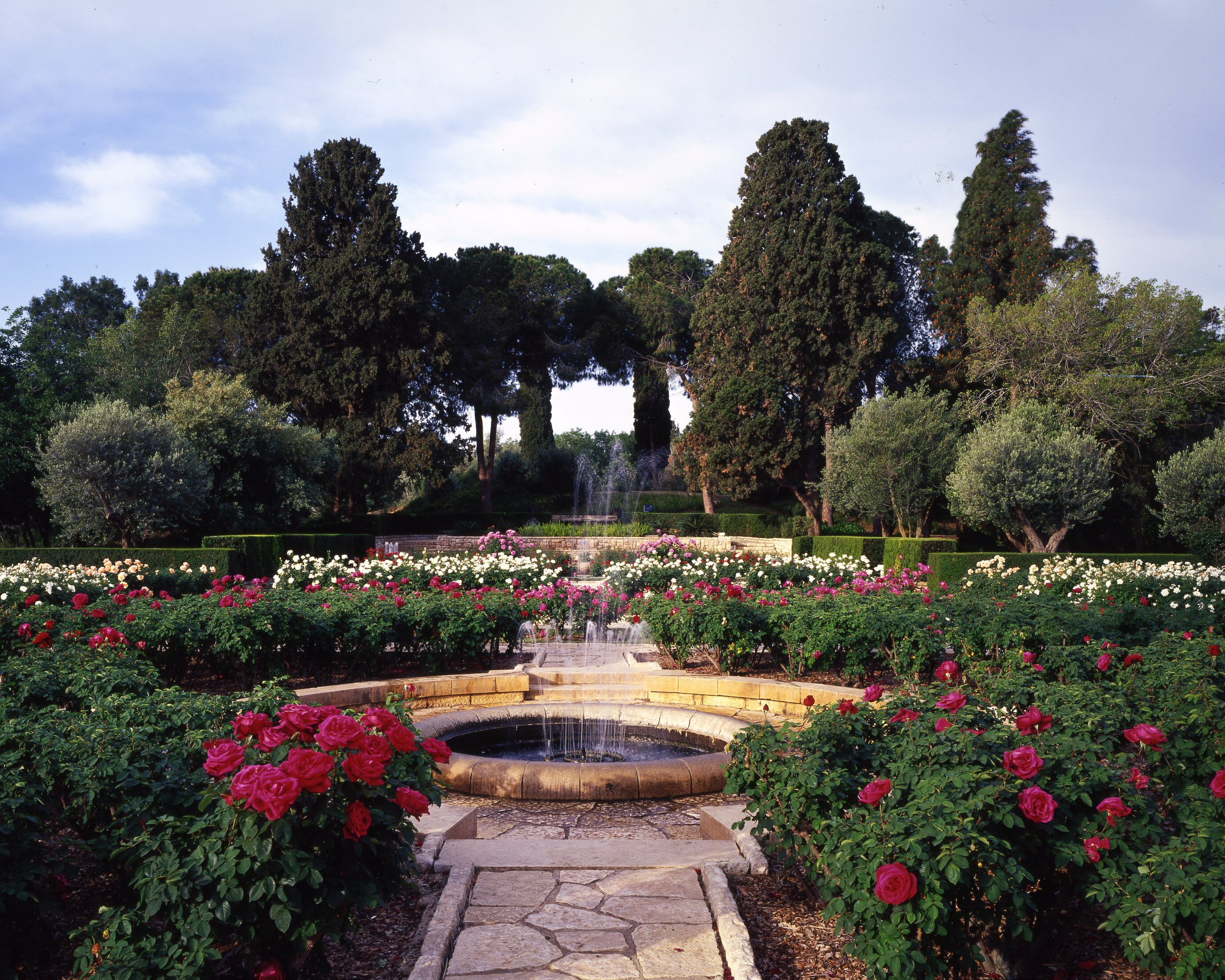
Ramat Hanadiv is a significant archaeological site located in northern Israel, encompassing a nature park and gardens. Archaeological excavations have revealed a rich tapestry of history, with findings spanning from the Middle Paleolithic to the Byzantine period. The site includes remnants of a Phoenician shrine, a Herodian estate, and a Byzantine villa, indicating diverse cultural influences over the centuries. Notable discoveries include a large palace abandoned during the Great Rebellion against the Romans in 66 CE, and a spring at Ein Tzur, which was a pilgrimage site from the 3rd to 7th century CE. The presence of structures such as palaces, towers, and aqueducts highlights the area's historical significance and its role in ancient habitation and religious practices.
Gallery
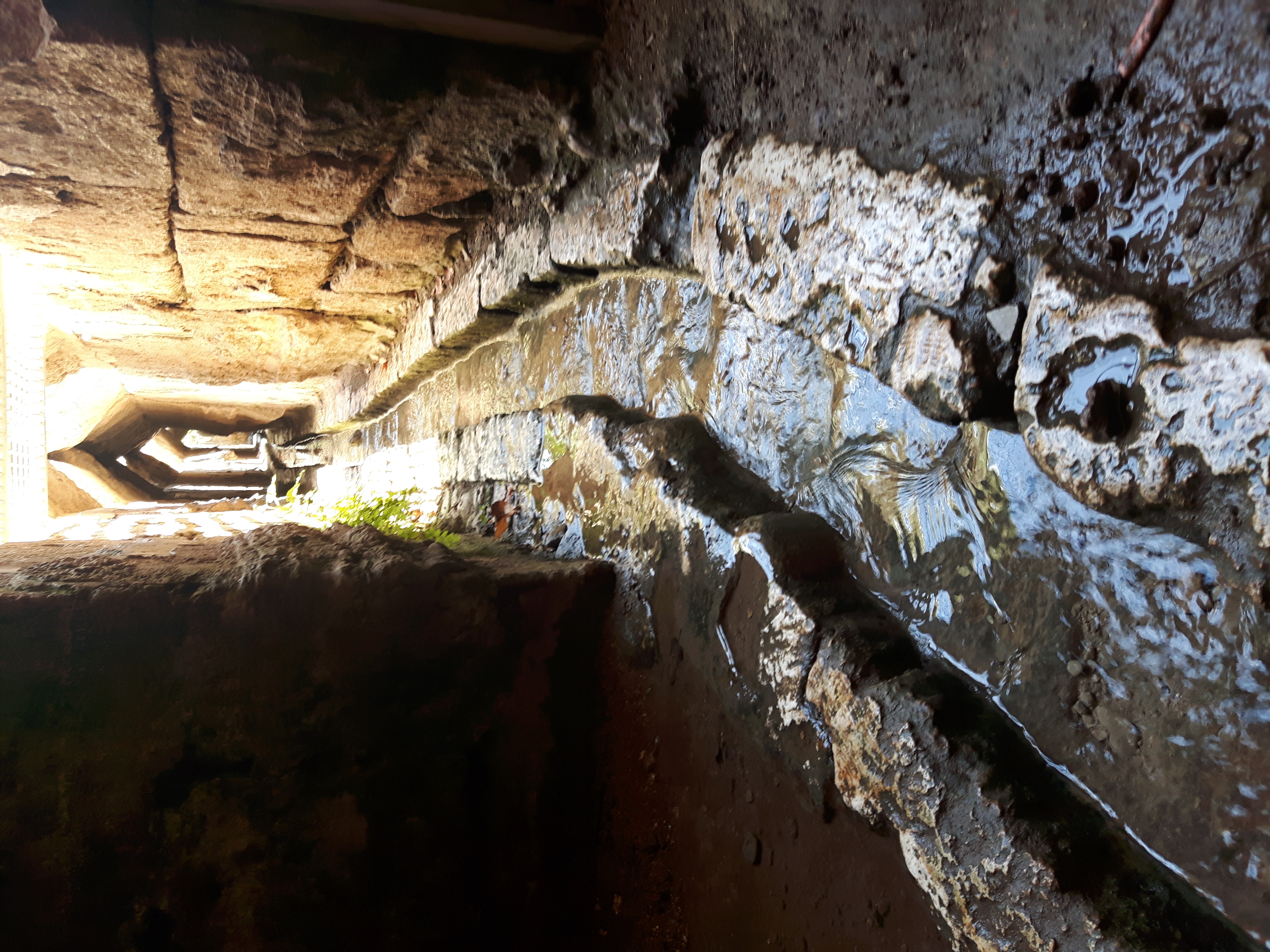
Explore photographs of ancient structures, artifacts, and archaeological excavations at Ramat HaNadiv
Archaeological Features
Explore the unique architectural and cultural elements found at this historical site
Defensive Structures
Water Management Features
Religious and Ritual Structures
Agricultural and Land Use Features
Domestic and Habitation Structures
Environmental and Natural Features
Food Production and Processing Features
Historical Timeline
Journey through time and discover key events in this site's archaeological history
Plan Your Visit
Details
- Country
- Israel
- Source
- Wikipedia
More Sites in Israel
Tel Shem
Flattened tell with scattered artifacts.

Tel Hanaton
Archaeological tell in Lower Galilee, Israel
Ashkelon National Park
Ruins of ancient Ascalon with diverse artifacts.
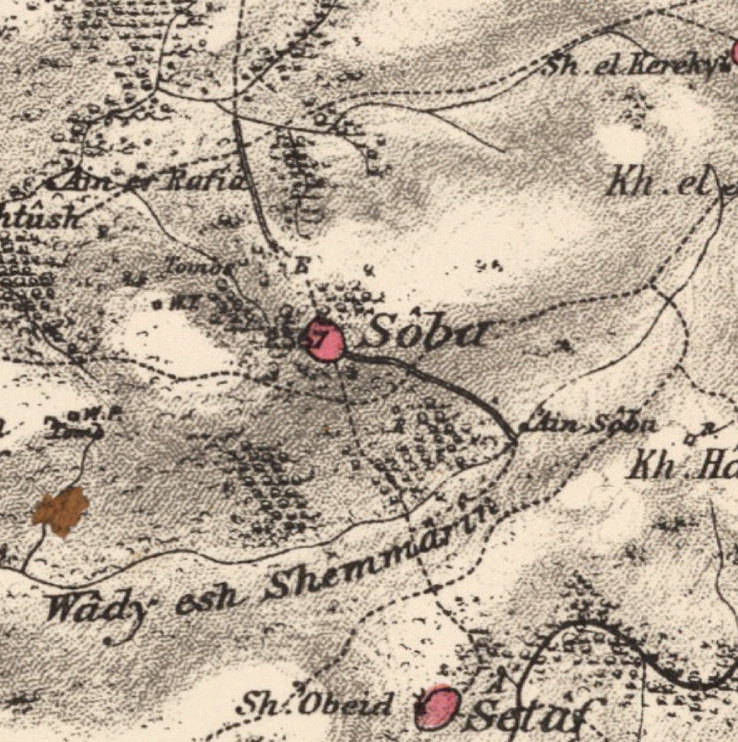
Suba, Jerusalem
Crusader castle ruins on a conical hill
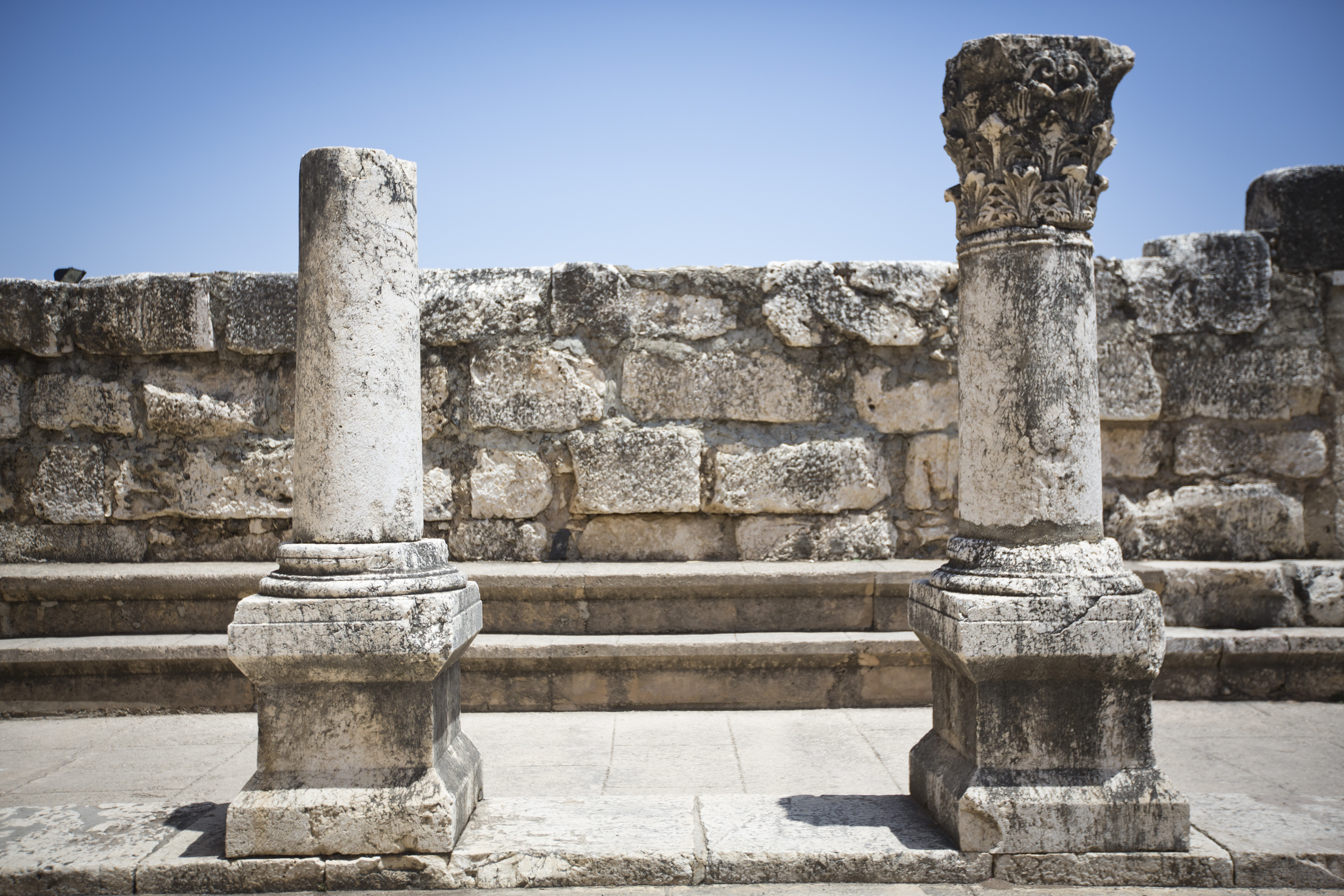
Capernaum
Ancient fishing village with religious structures
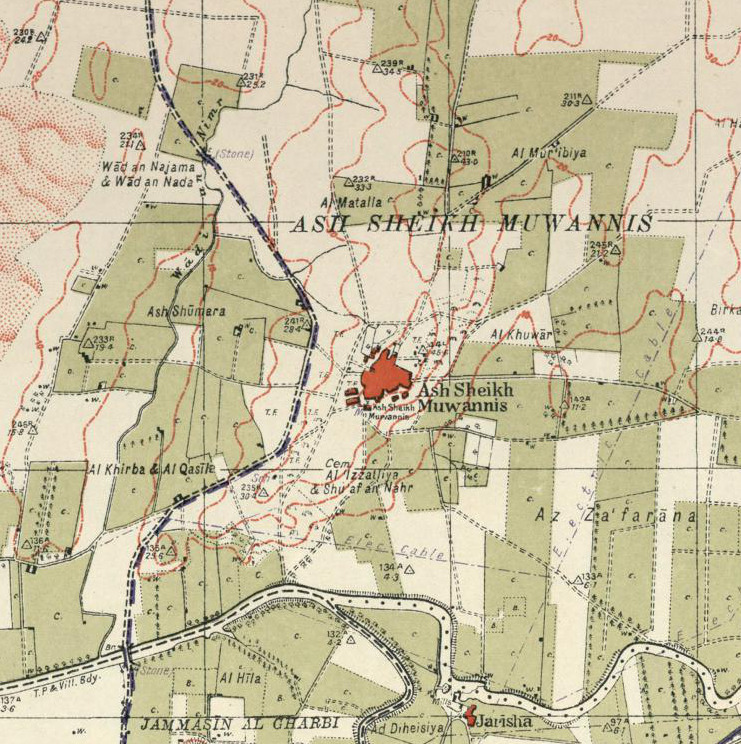
Tell Qasile
Philistine port city with temples and houses