Explore the Map
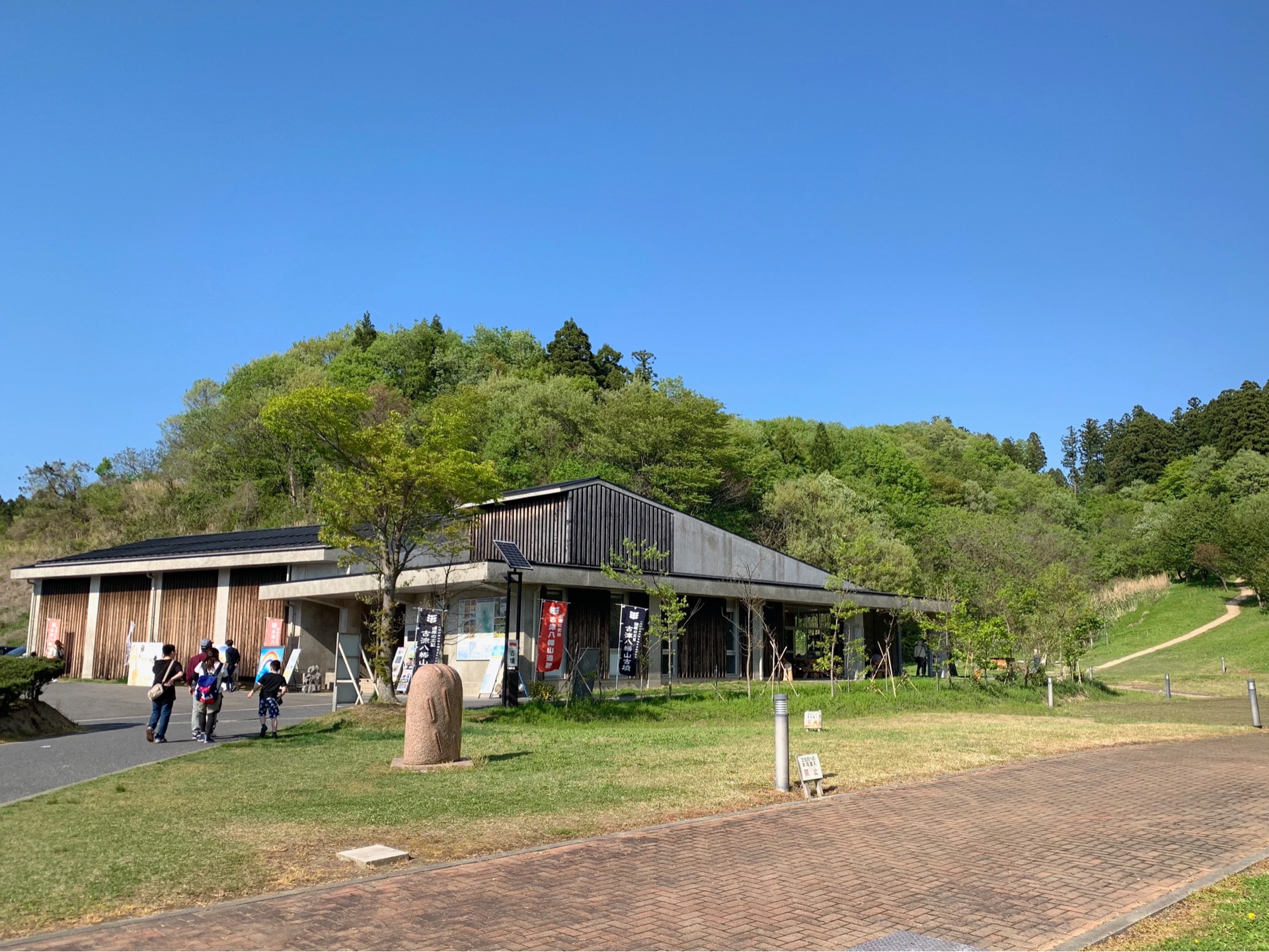
Furutsu Hachimanyama Site
37.7639° N, 139.1153° E
About
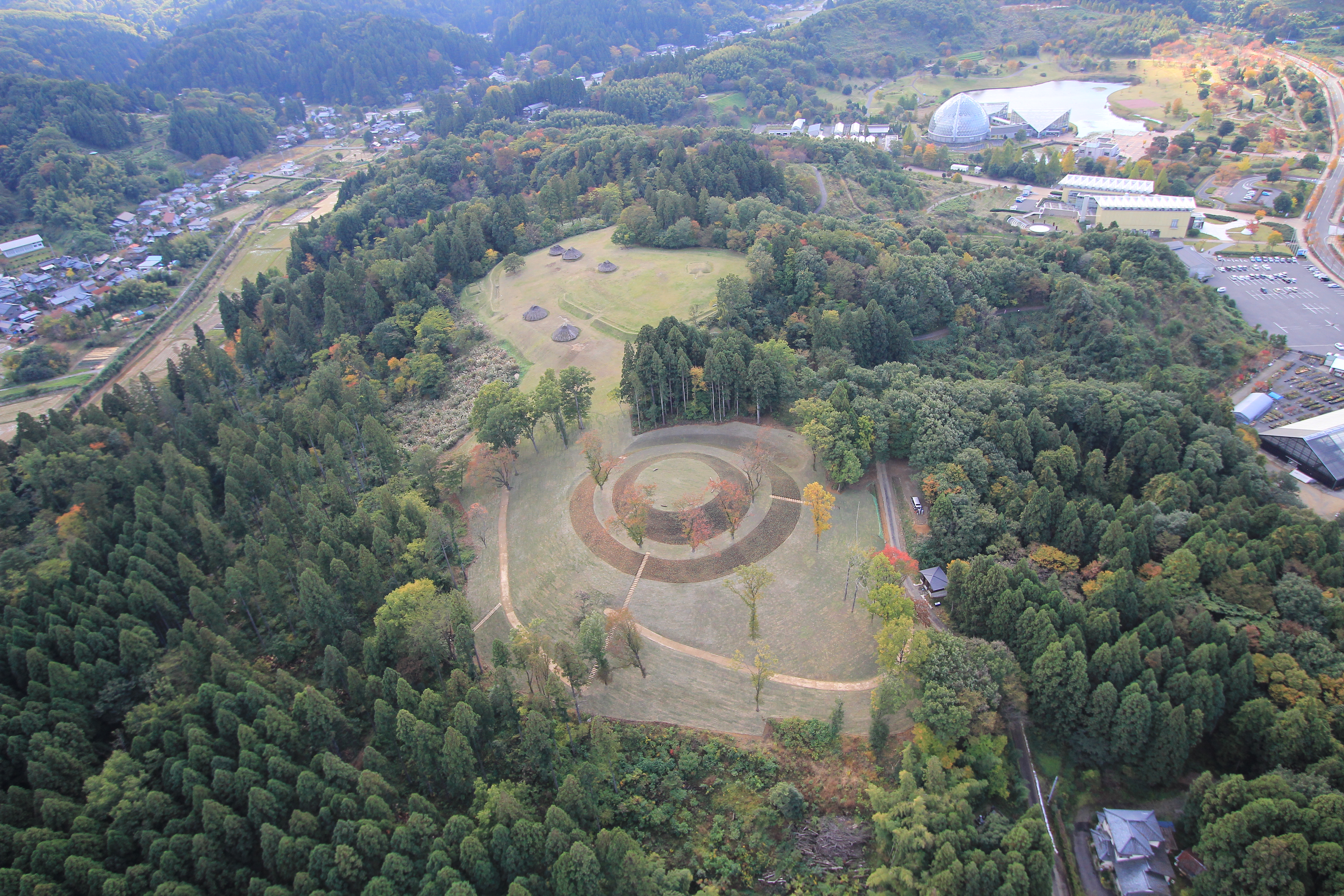
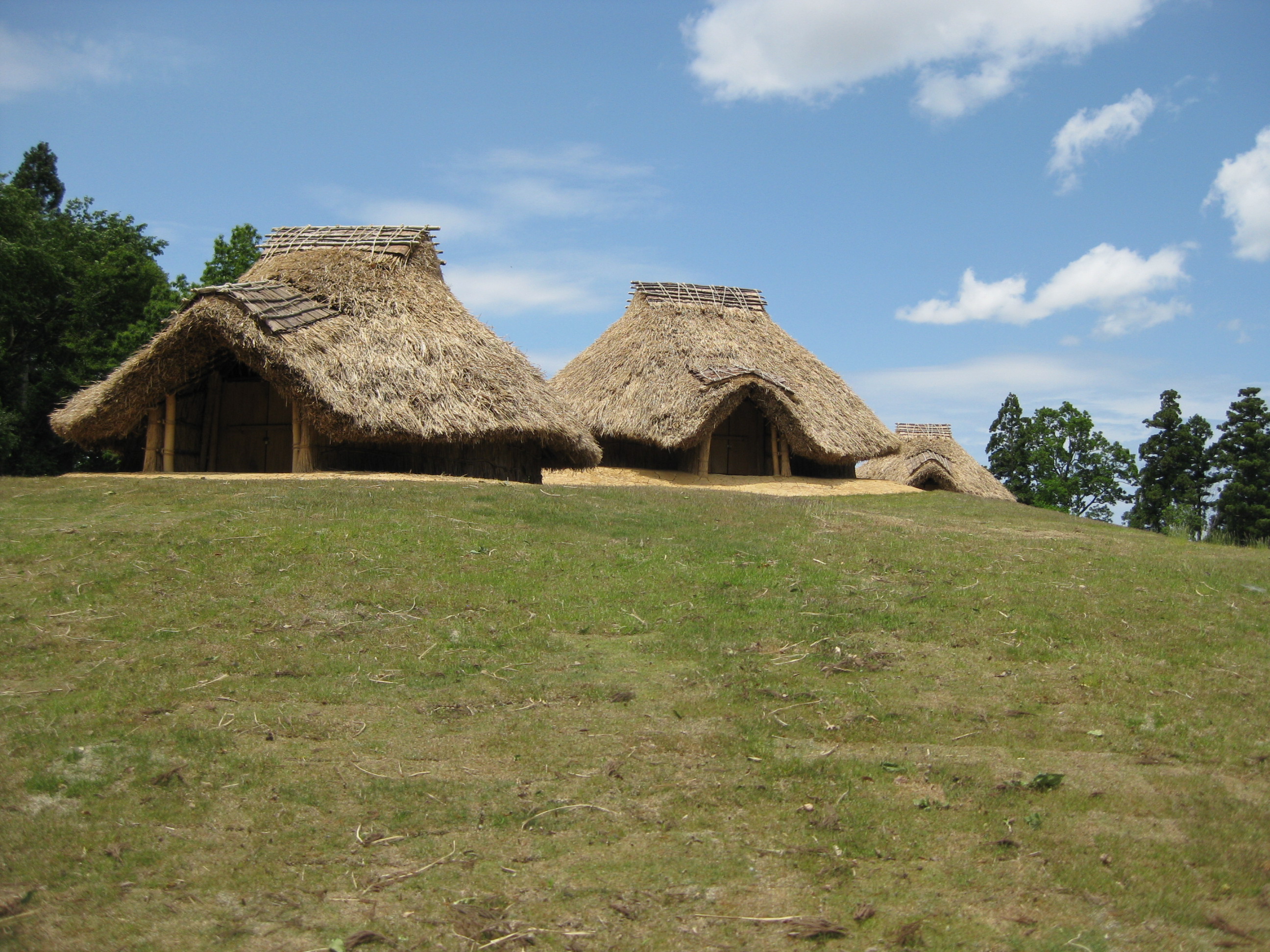
The Furutsu Hachimanyama Site is a significant archaeological location in the Hokuriku region of Japan, showcasing a late Yayoi period moated settlement. This site is characterized by defensive structures like a V-shaped moat and earthen ramparts, which suggest a concern for protection. The domestic architecture includes both raised-floor dwellings and pit houses, indicating a complex settlement structure. The presence of Yayoi pottery, indicative of long-distance trade, underscores the area's cultural connections to the broader Tōhoku region. The site also includes burial mounds from the Kofun period, adding a funerary aspect to its archaeological significance. These features provide insight into the settlement patterns, trade, and social structures of the period.
Gallery
Explore photographs of ancient structures, artifacts, and archaeological excavations
Historical Timeline
Journey through time and discover key events in this site's history
Late Yayoi moated settlement
100 BCE
Kofun period tumuli construction
250 CE
Archaeological Features
Unique architectural and cultural elements found at this historical site
Defensive Structures
Burial and Funerary Structures
Domestic and Habitation Structures
Food Production and Processing Features
Frequently Asked Questions
Plan Your Visit
Tours, travel arrangements, and practical information


More Sites in Japan
Mangyō Site
Late Yayoi–Early Kofun settlement, Nanao (Ishikawa), Japan
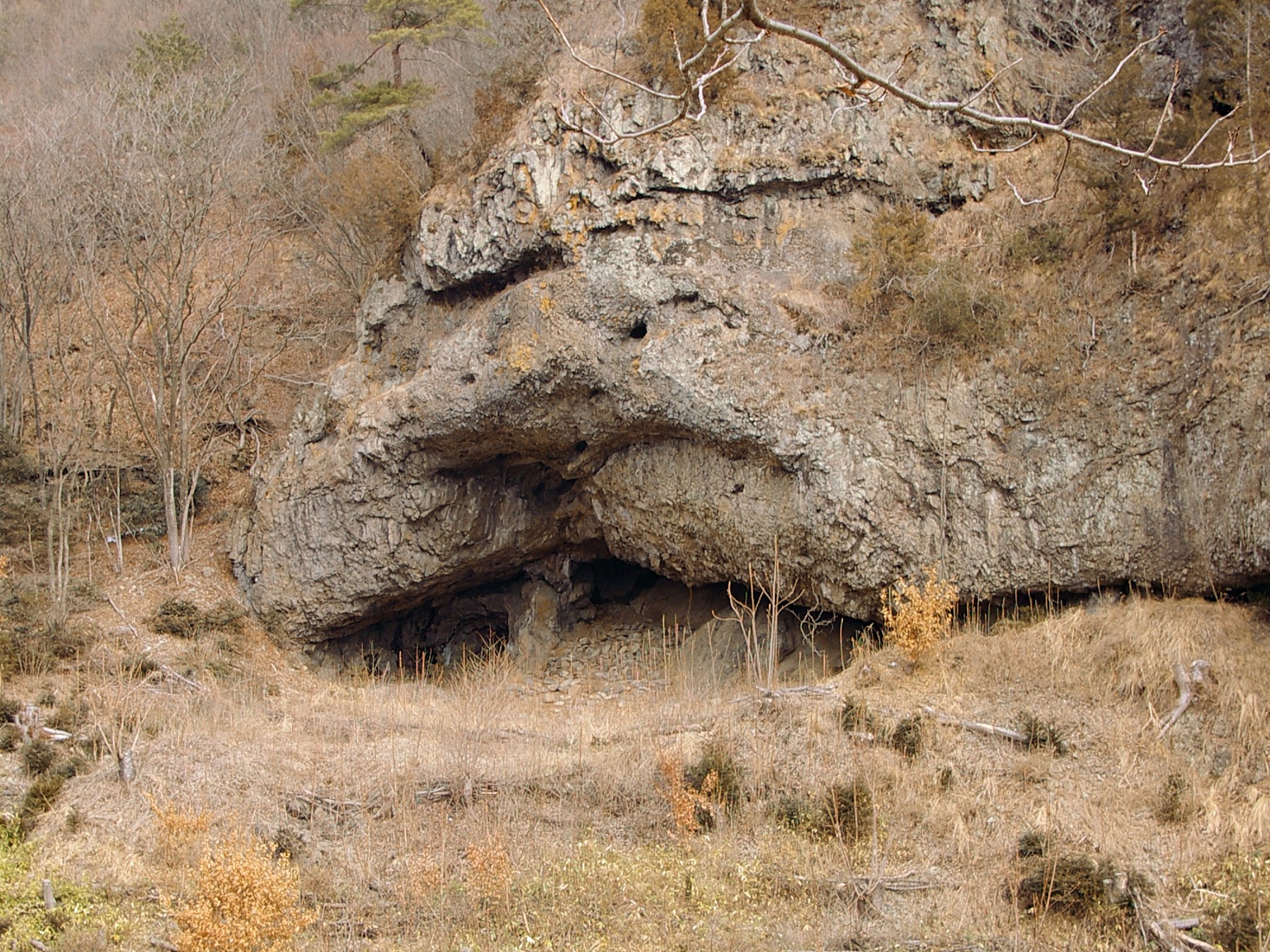
Tobayama Cave
Cave dwelling and tomb with grave goods
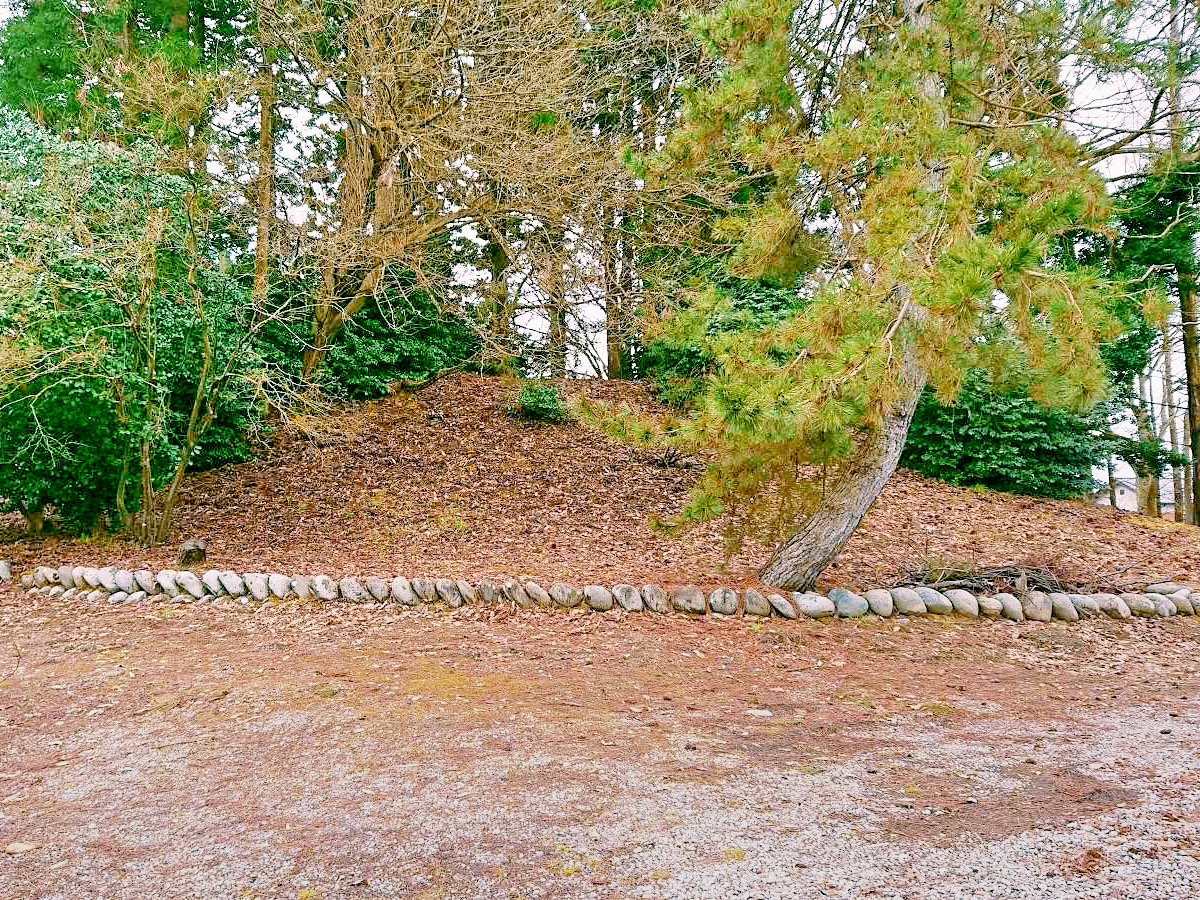
Kushidashin Site
Late Jōmon settlement with Kofun burial mounds.
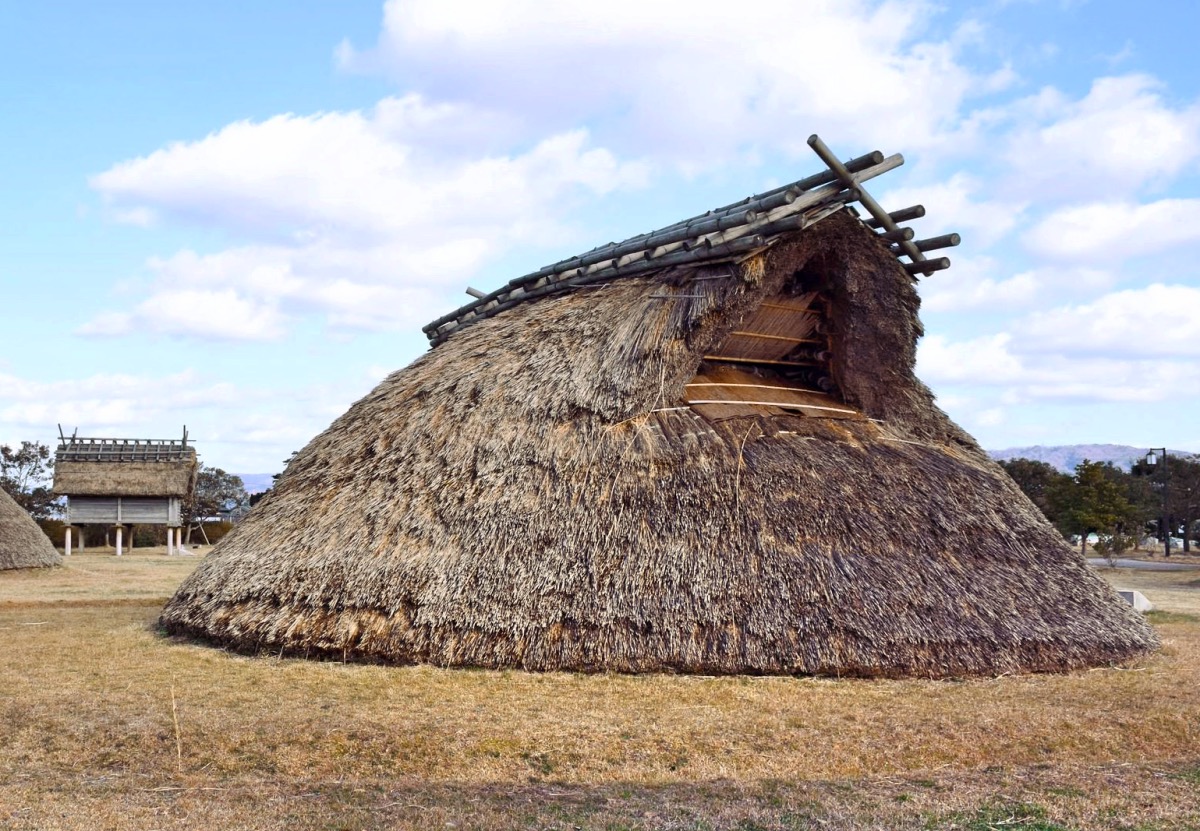
Yoshizaki-Suba Site
Yayoi period settlement remains, Ishikawa, Japan.

Komaru Castle
Sengoku period castle with moats and ramparts.
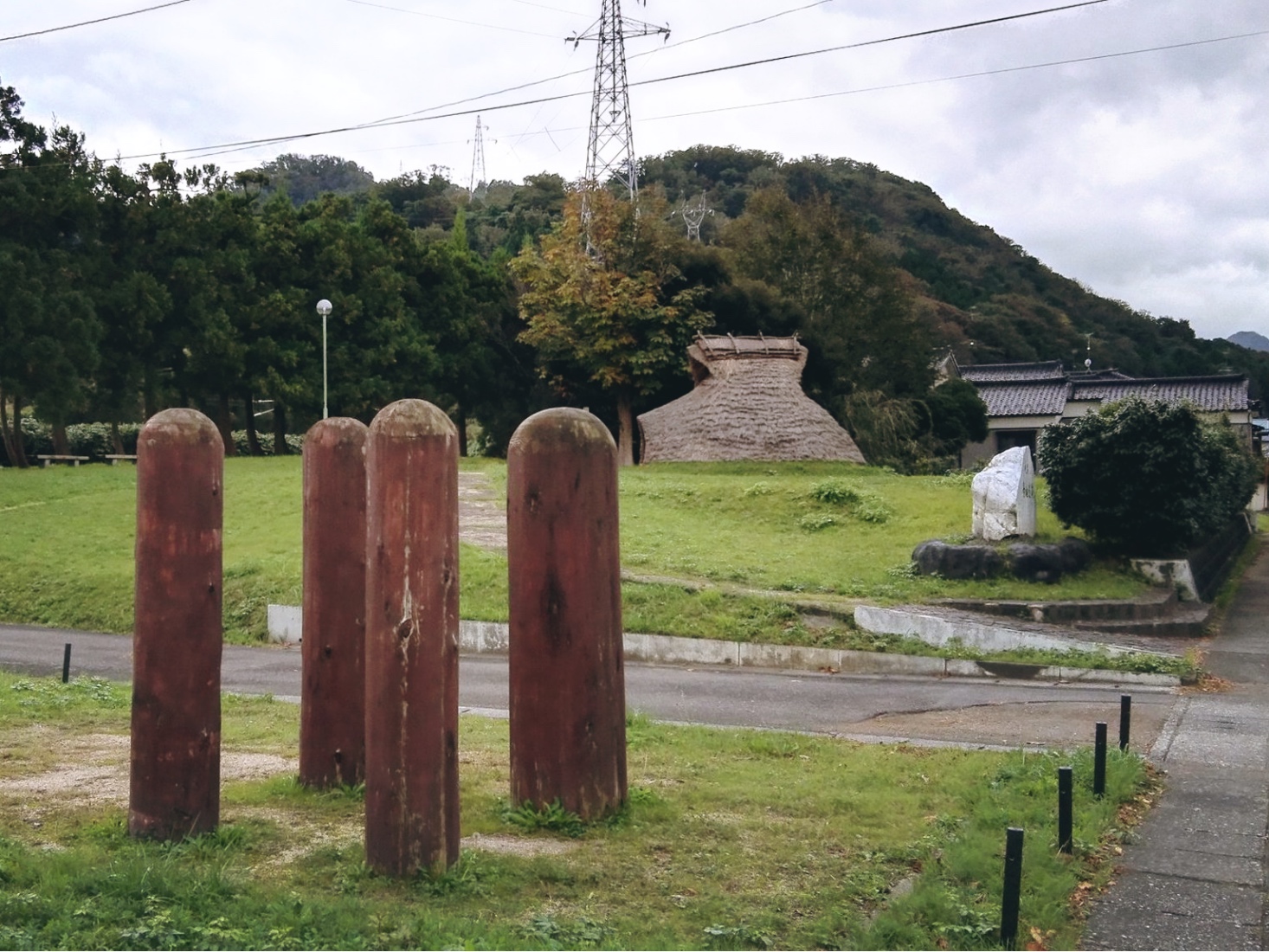
Terachi Site
Middle to late Jōmon period settlement