Explore the Map
Hachimanbayashi Kanga ruins
37.5797° N, 138.7578° E
About
The Hachimanbayashi Kanga ruins, located in Nagaoka, Niigata, Japan, are significant archaeological remnants of an Asuka period jōsaku-style castle. The site, designated as a National Historic Site of Japan, represents a fortified government outpost established in 647 CE, known as Fort Nutari. This complex featured defensive structures such as earthen ramparts, wooden palisades, and dry moats. In the late Nara period, it developed into a district-level administrative center under the Ritsuryō system, with a semi-standardized layout influenced by Chinese design. Spanning 40,000 square meters, the site also offers insights into the region's administrative history, extending into the Heian period. The discovery of wooden tags and pottery shards highlights its historical significance, although the exact abandonment date remains uncertain.
Historical Timeline
Journey through time and discover key events in this site's history
Fort Nutari establishment
647 CE
District-level complex construction
715 CE
Archaeological Features
Unique architectural and cultural elements found at this historical site
Defensive Structures
Public and Civic Structures
Frequently Asked Questions
Plan Your Visit
Tours, travel arrangements, and practical information


More Sites in Japan

Komaru Castle
Sengoku period castle with moats and ramparts.
Furushida-Higashi ruins
Heian period fortified residence with moat.
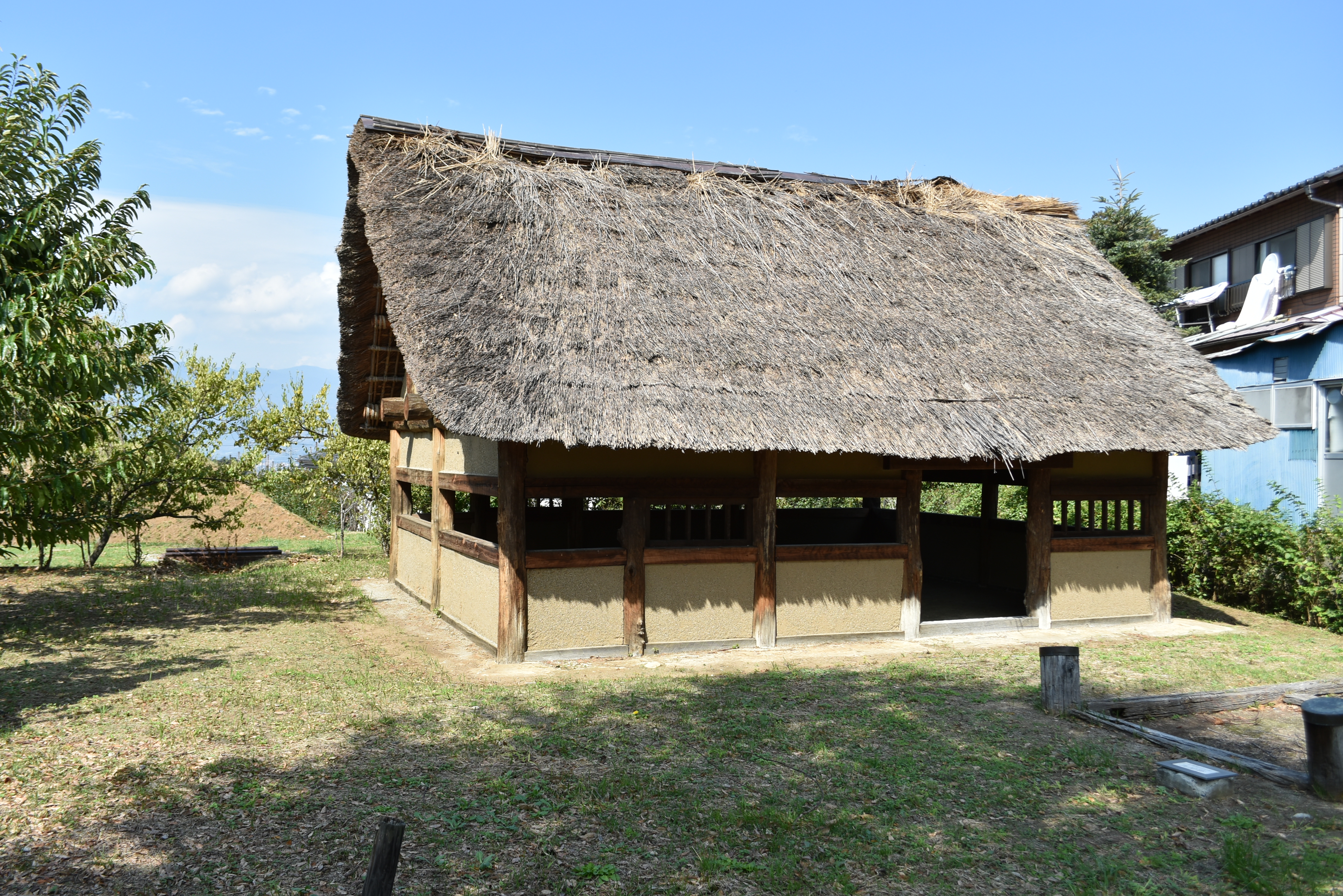
Katsunuma clan residence ruins
Sengoku period fortified residence ruins.
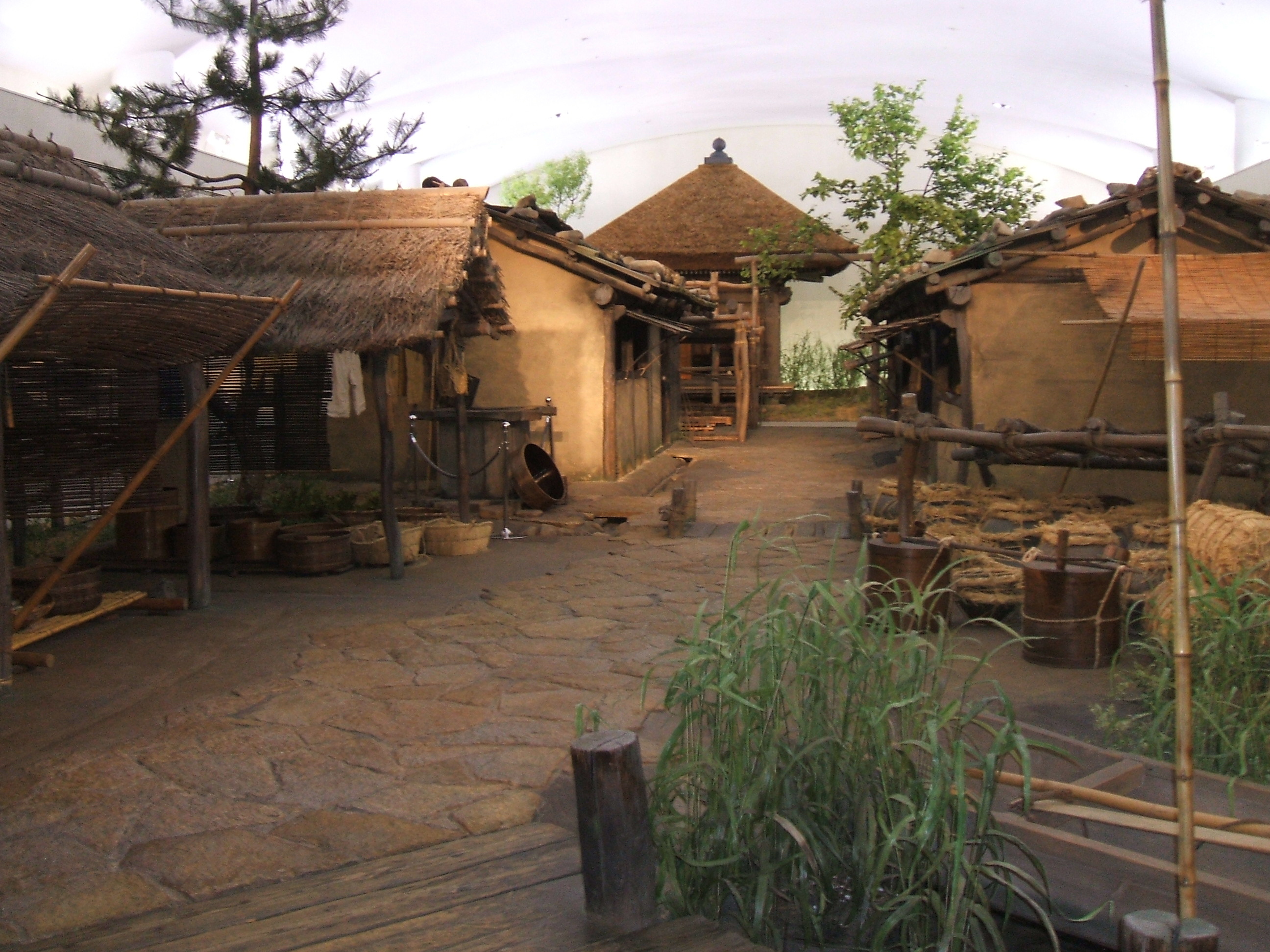
Kusado Sengen
Medieval port town near Ashida River
Binmanji Ishibotokedani Necropolis
Medieval Japanese necropolis with 1600 tombs.
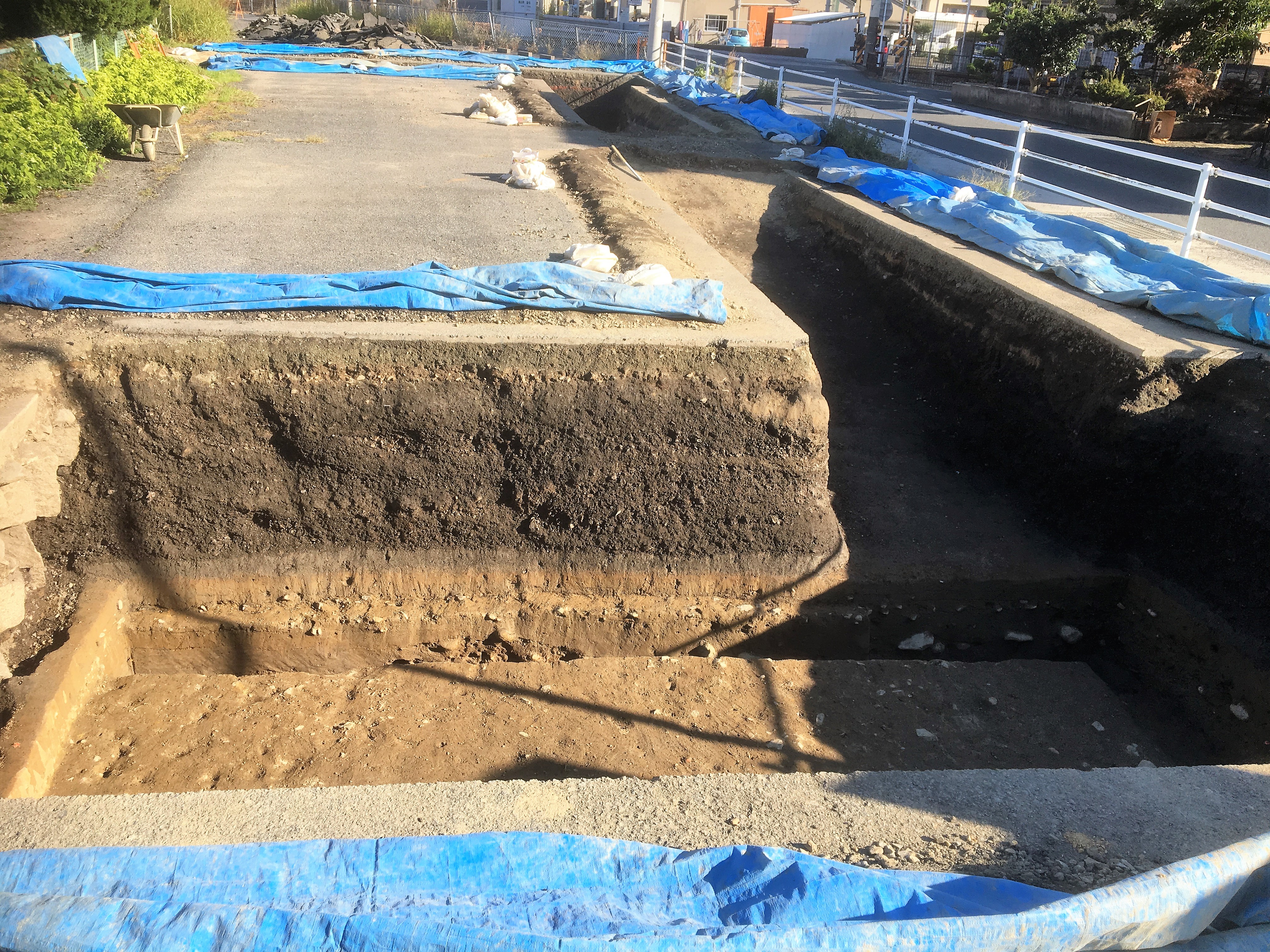
Bingo Provincial Capital
Ruins of ancient provincial capital structures