Explore the Map
Jingamine Castle
37.5953° N, 139.8114° E
About
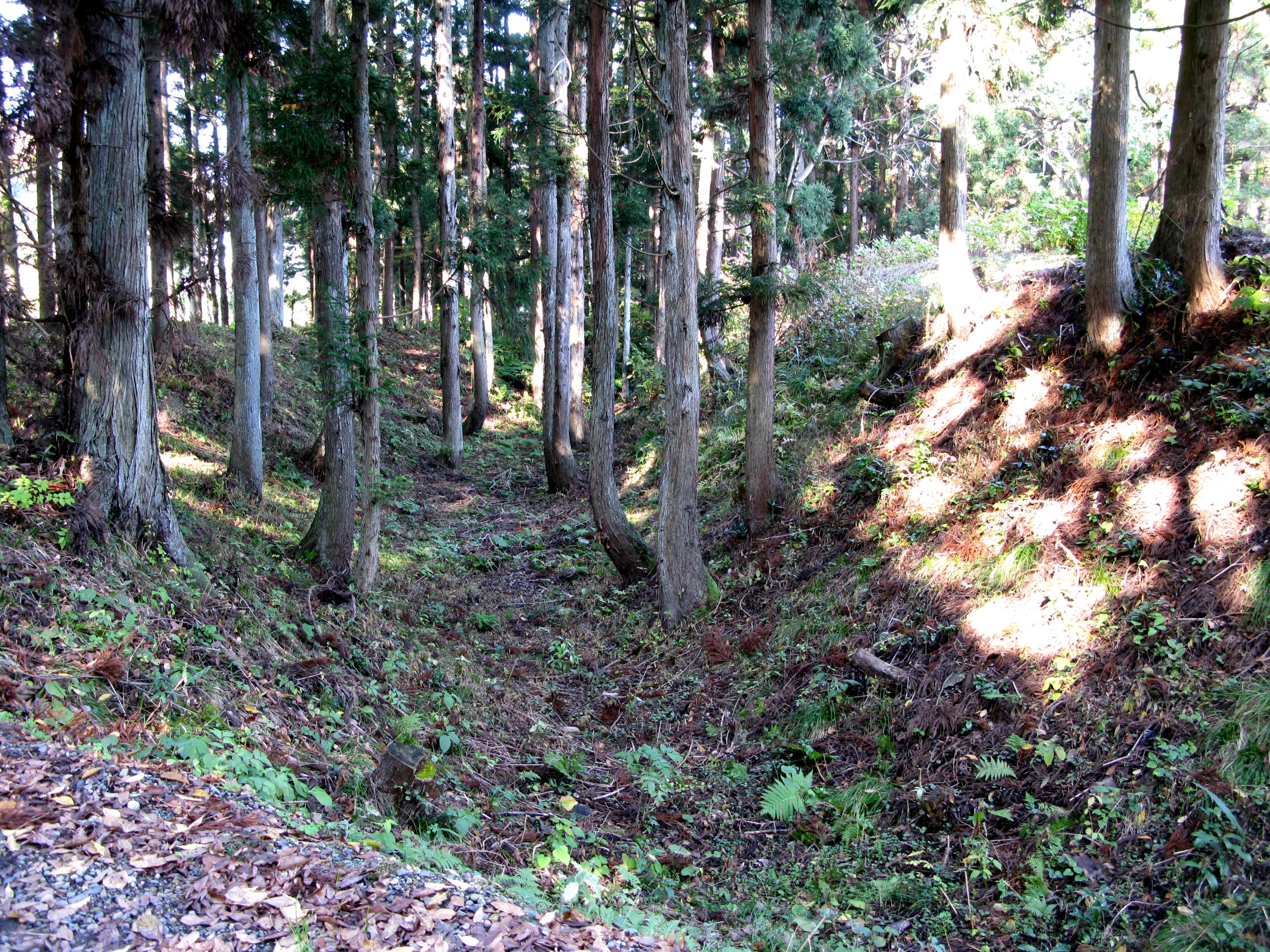
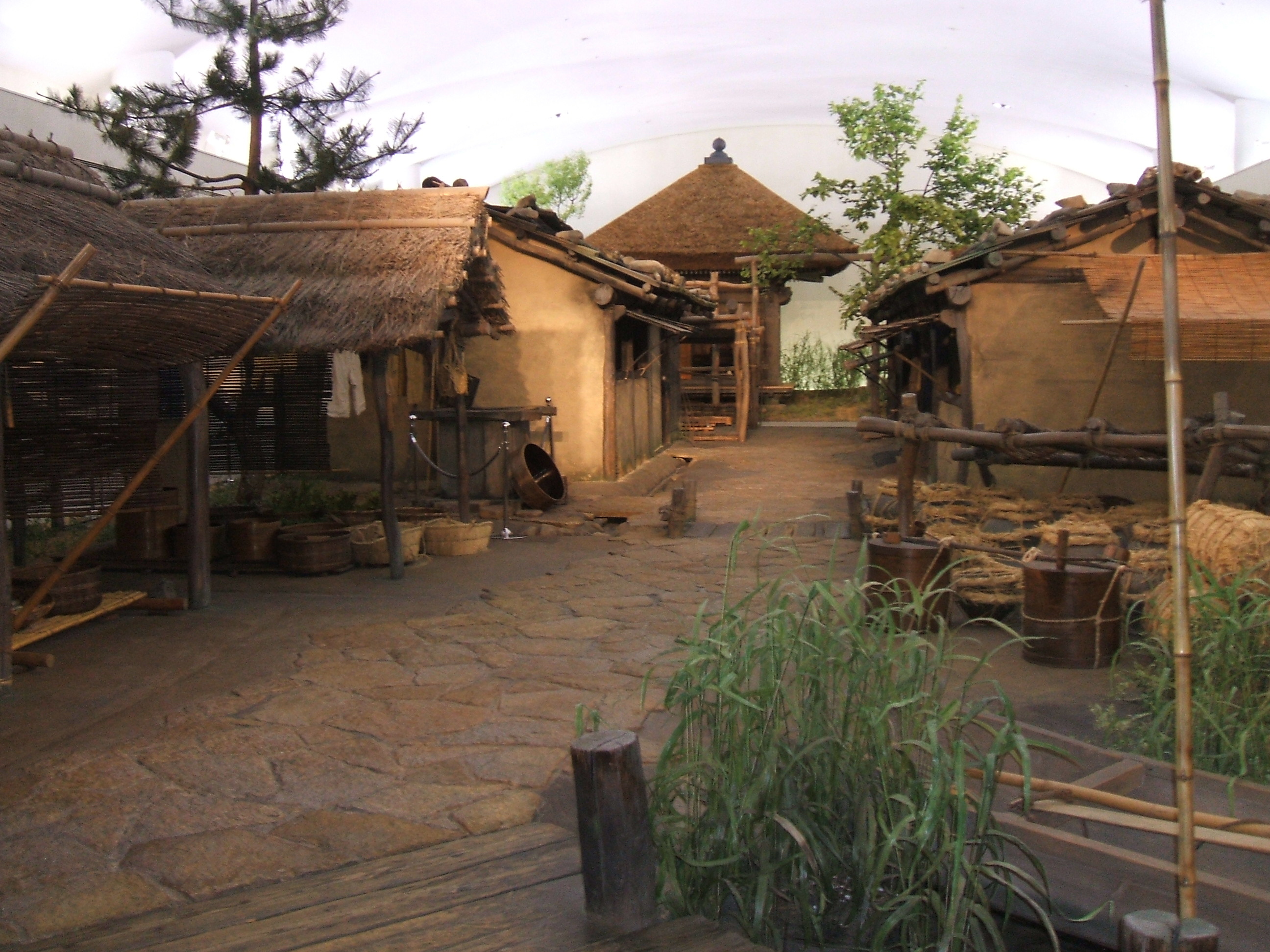
Jingamine Castle, a Heian period fortification, is situated in the Aizubange area of Fukushima Prefecture, Japan. Established in 1114 CE, it served as a fortified administrative center for the Fujiwara clan. The castle is strategically located on a hill, protected by a cliff and surrounded by a double moat. Archaeological findings include Chinese white porcelain, Korean celadons, and iron projectile points, indicating both its cultural connections and its role in the Gempei War. The castle's destruction is evidenced by scorched artifacts and carbonized remains, suggesting it was not rebuilt after the conflict. Recognized as a National Historic Site since 2007, Jingamine Castle offers insight into feudal Japan's political and military history.
Gallery
Explore photographs of ancient structures, artifacts, and archaeological excavations
Historical Timeline
Journey through time and discover key events in this site's history
Seizure by Jō clan
12th century CE
Destruction in Gempei War
12th century CE
Construction by Fujiwara no Tadazane
1114 CE
Archaeological Features
Unique architectural and cultural elements found at this historical site
Defensive Structures
Domestic and Habitation Structures
Frequently Asked Questions
Plan Your Visit
Tours, travel arrangements, and practical information
More Sites in Japan
Bingo Provincial Capital
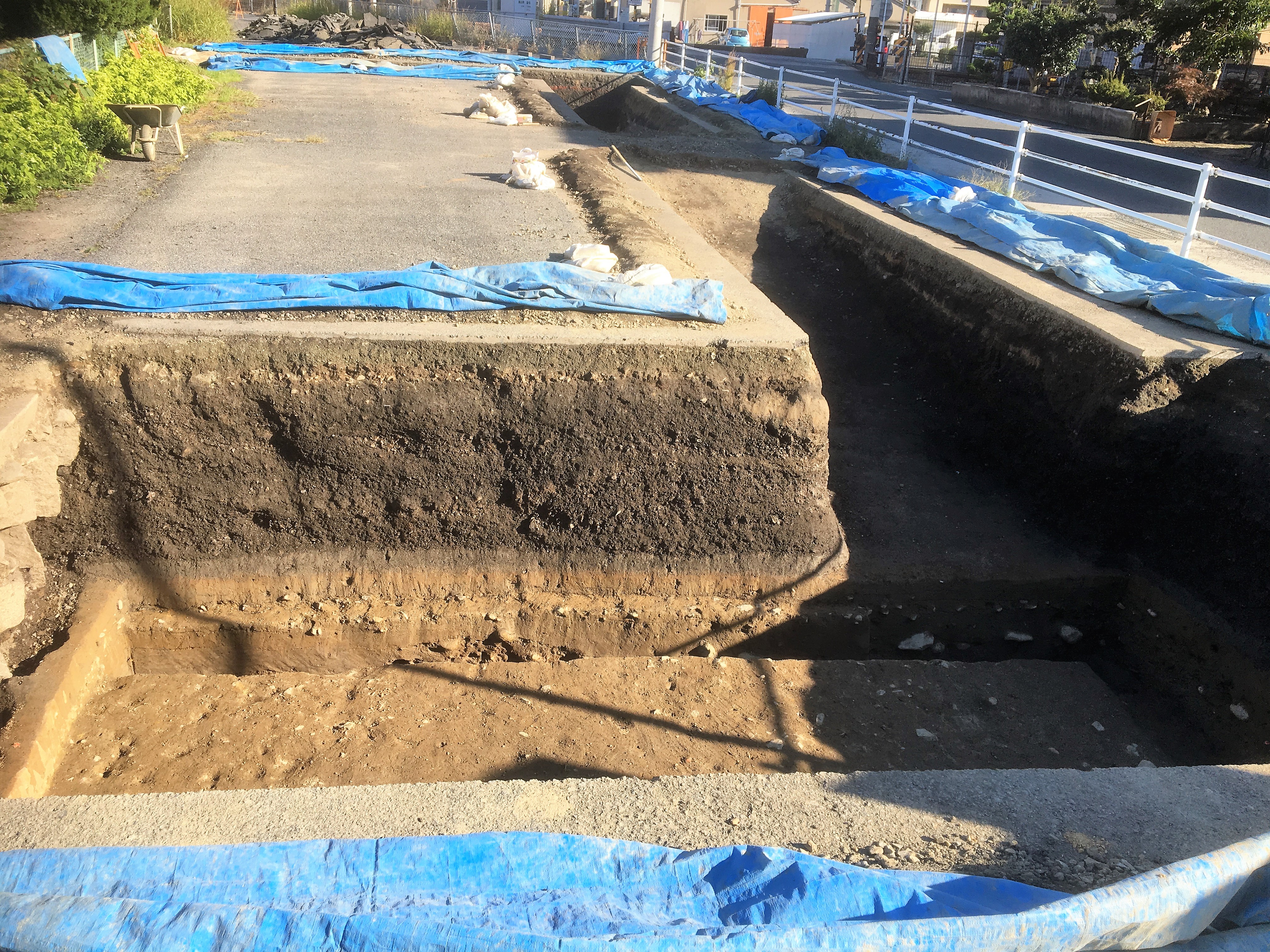
Ruins of ancient provincial capital structures
Binmanji Ishibotokedani Necropolis
Medieval Japanese necropolis with 1600 tombs.
Yoshizaki-Suba Site
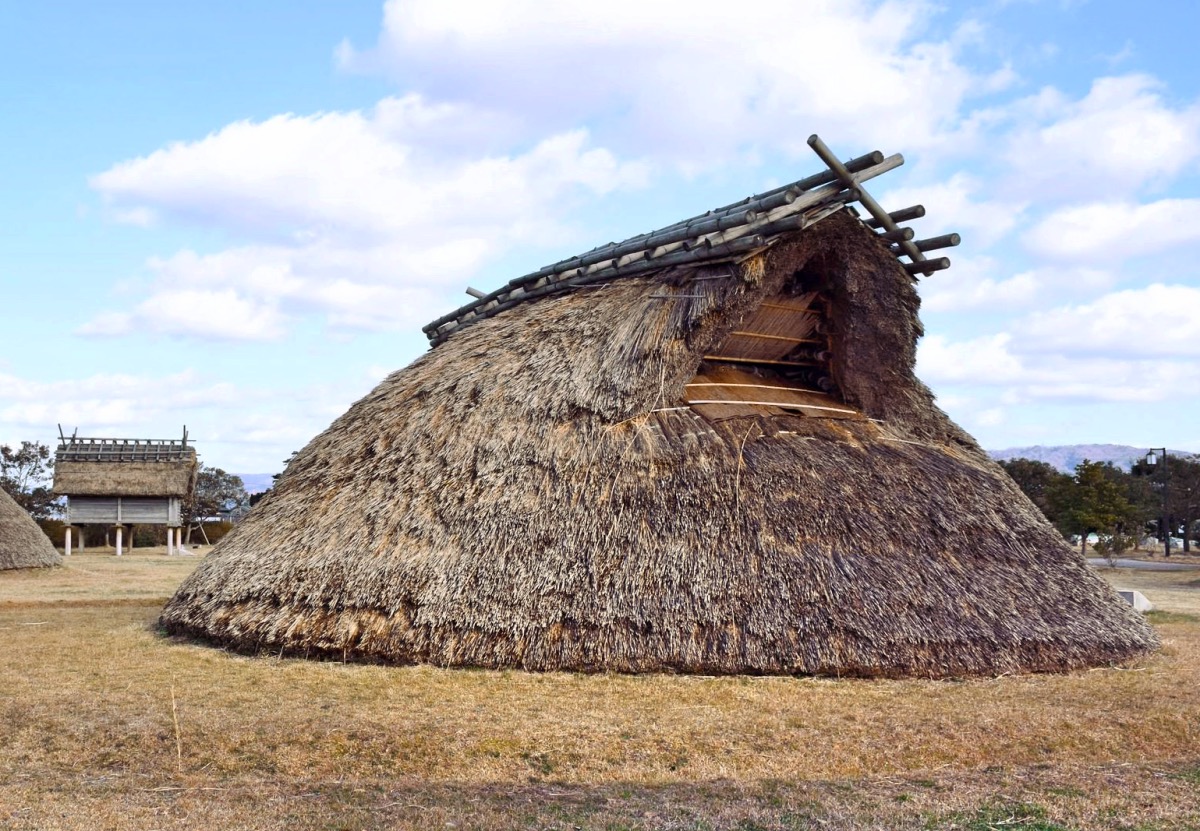
Yayoi period settlement remains, Ishikawa, Japan.

Komaru Castle
Sengoku period castle with moats and ramparts.
Katsunuma clan residence ruins
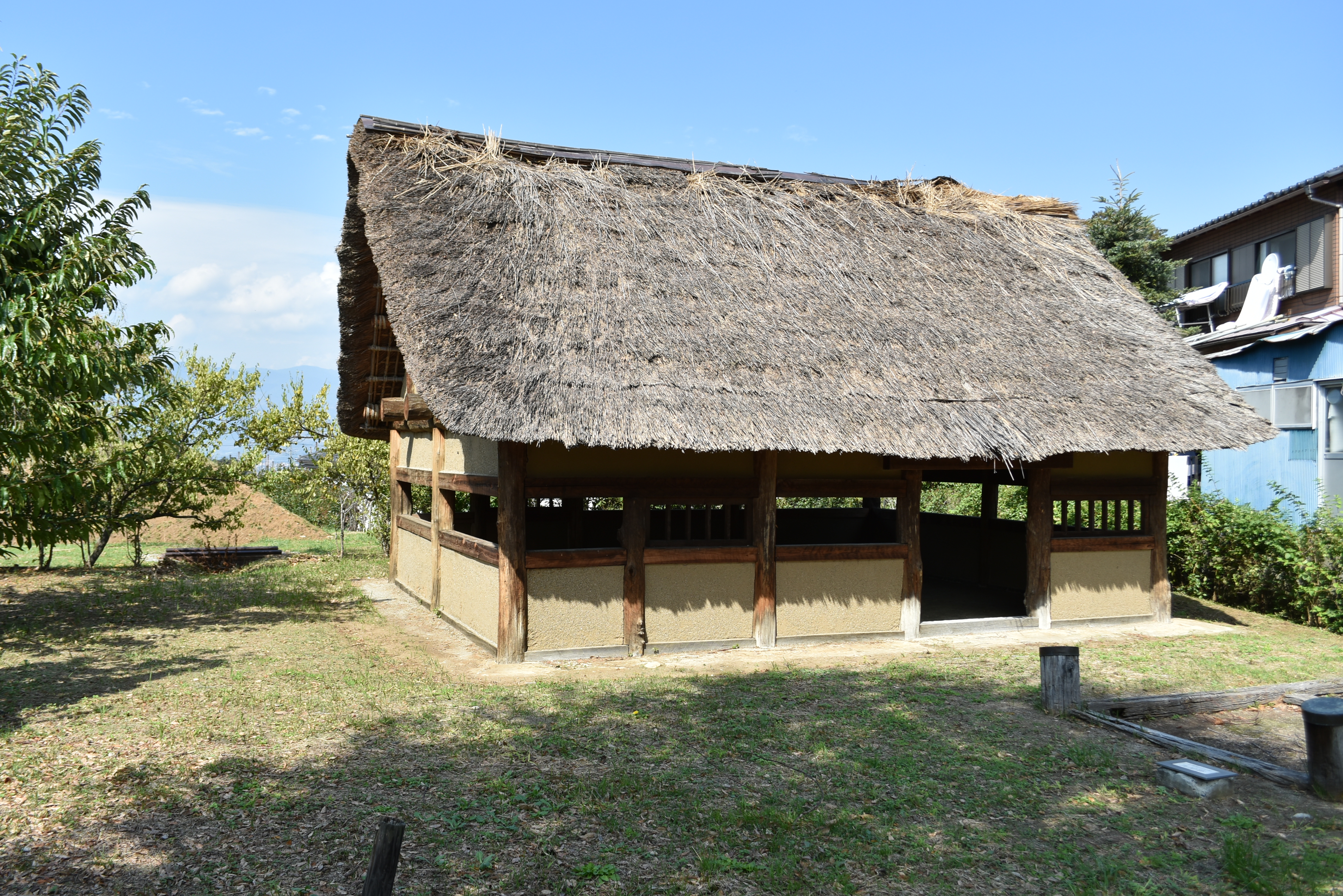
Sengoku period fortified residence ruins.
Kusado Sengen
Medieval port town near Ashida River