Explore the Map
Jōbenoma Site
36.9543° N, 137.4949° E
About
The Jōbenoma Site (じょうべのま遺跡, Jōbenoma iseki) is an archaeological site consisting of the Heian period ruins of a shōen located in what is now the Tanaka neighborhood of the town of Nyūzen in the Hokuriku region Japan. It has been protected as a National Historic Site since 1979.
Historical Timeline
Journey through time and discover key events in this site's history
Occupation (Heian)
9th–10th centuries
Discovery
1941
Full-scale excavations begin
1970s
National Historic Site designation
1979
Opened as archaeological park
April 1990
Archaeological Features
Unique architectural and cultural elements found at this historical site
Defensive Structures
Public and Civic Structures
Agricultural and Land Use Features
Domestic and Habitation Structures
Frequently Asked Questions
Plan Your Visit
Tours, travel arrangements, and practical information
More Sites in Japan
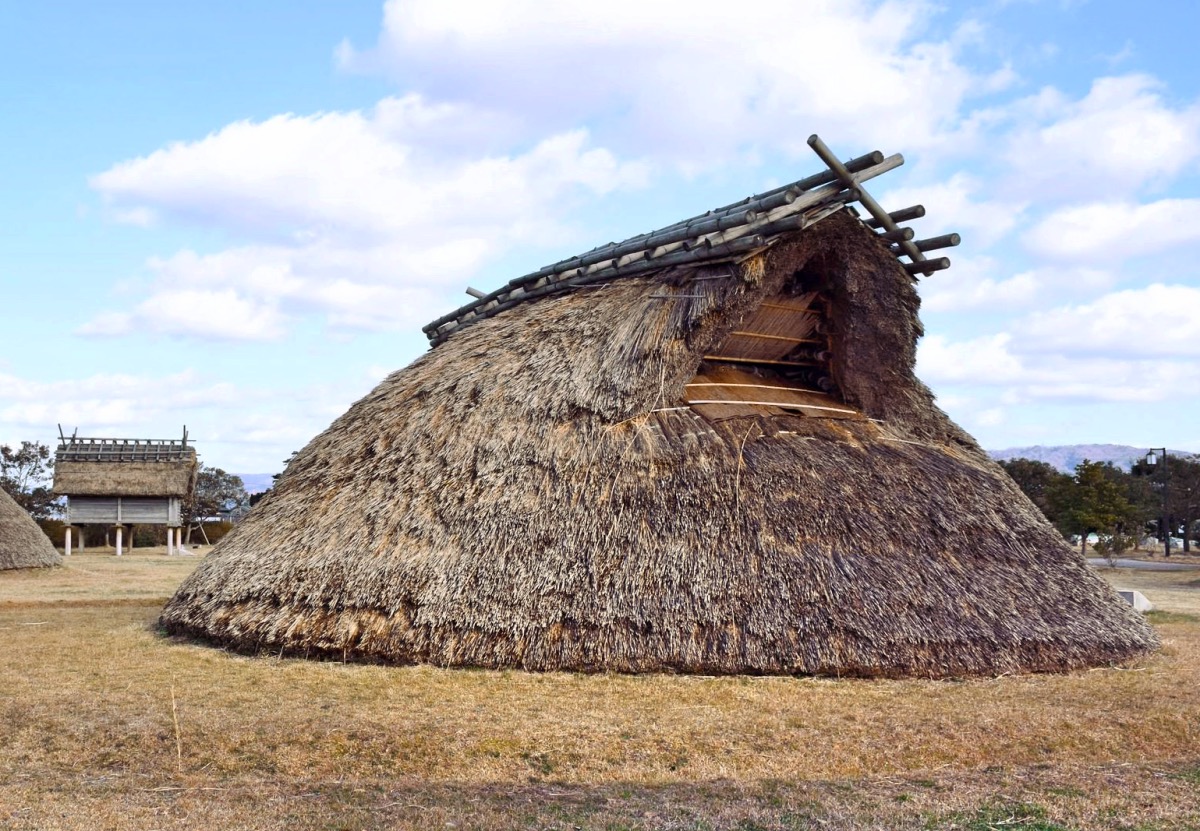
Yoshizaki-Suba Site
Yayoi period settlement remains, Ishikawa, Japan.
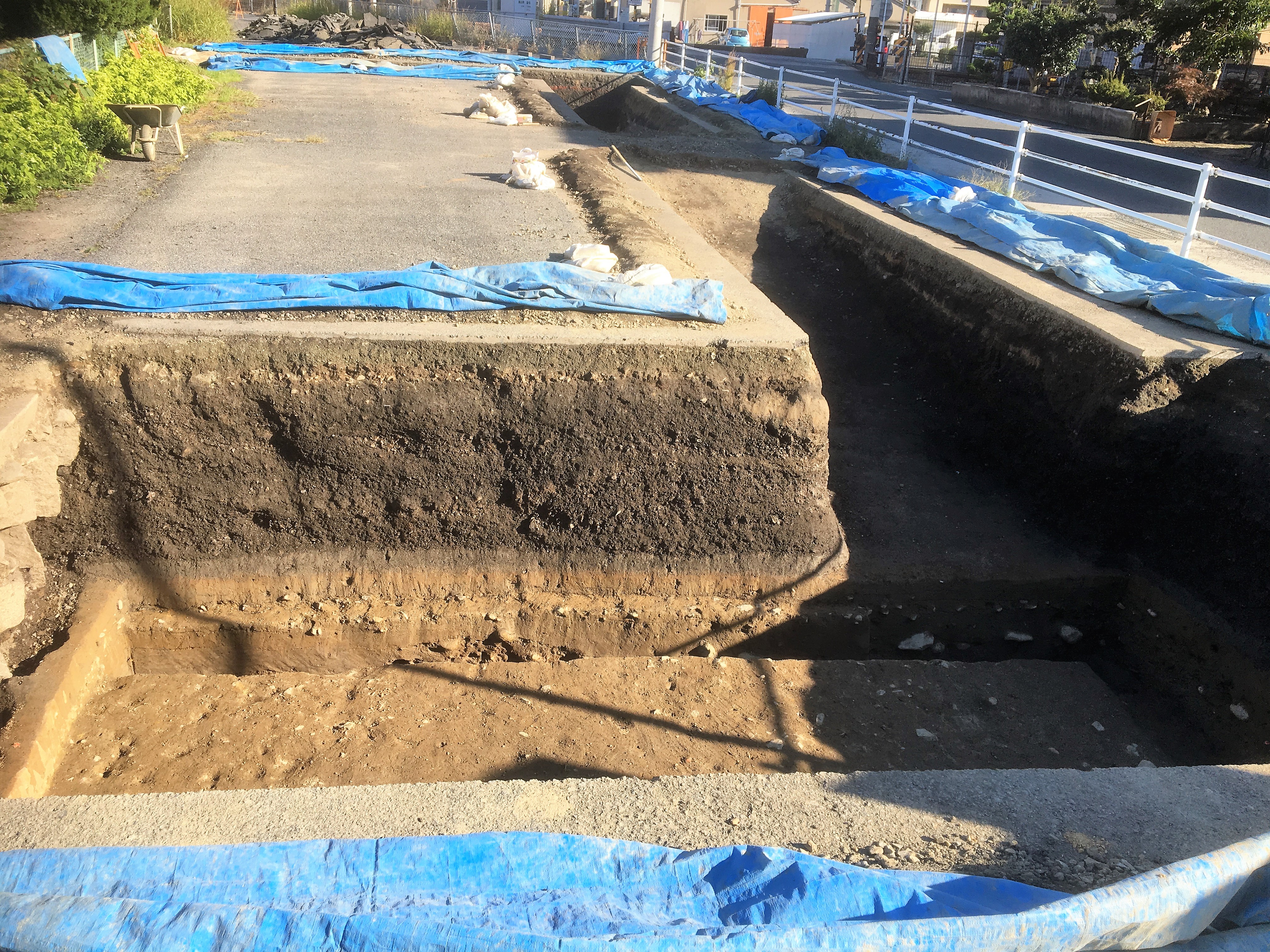
Bingo Provincial Capital
Ruins of ancient provincial capital structures
Binmanji Ishibotokedani Necropolis
Medieval Japanese necropolis with 1600 tombs.

Komaru Castle
Sengoku period castle with moats and ramparts.
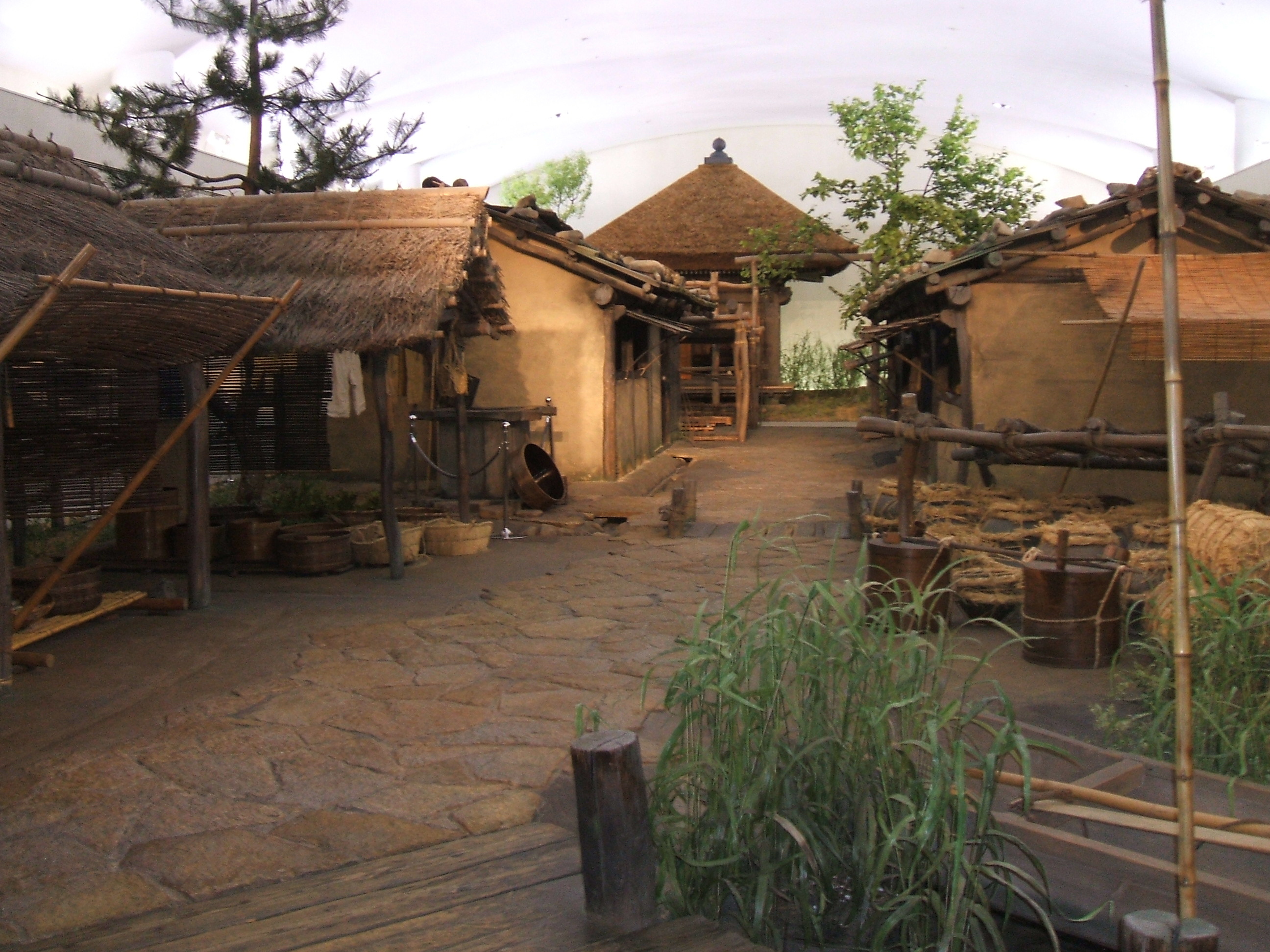
Kusado Sengen
Medieval port town near Ashida River
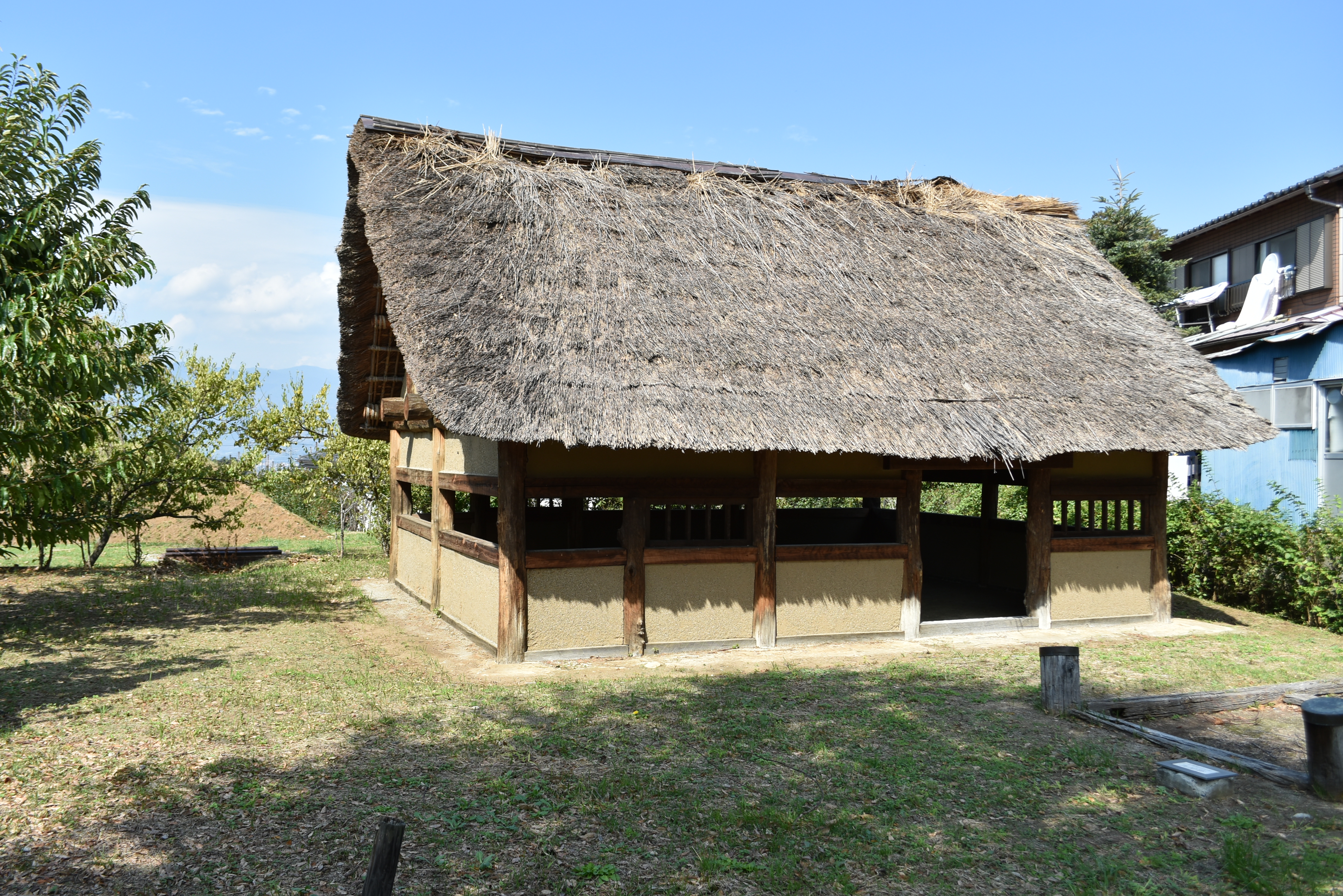
Katsunuma clan residence ruins
Sengoku period fortified residence ruins.