Explore the Map
Karako-Kagi Site
34.5574° N, 135.8024° E
About
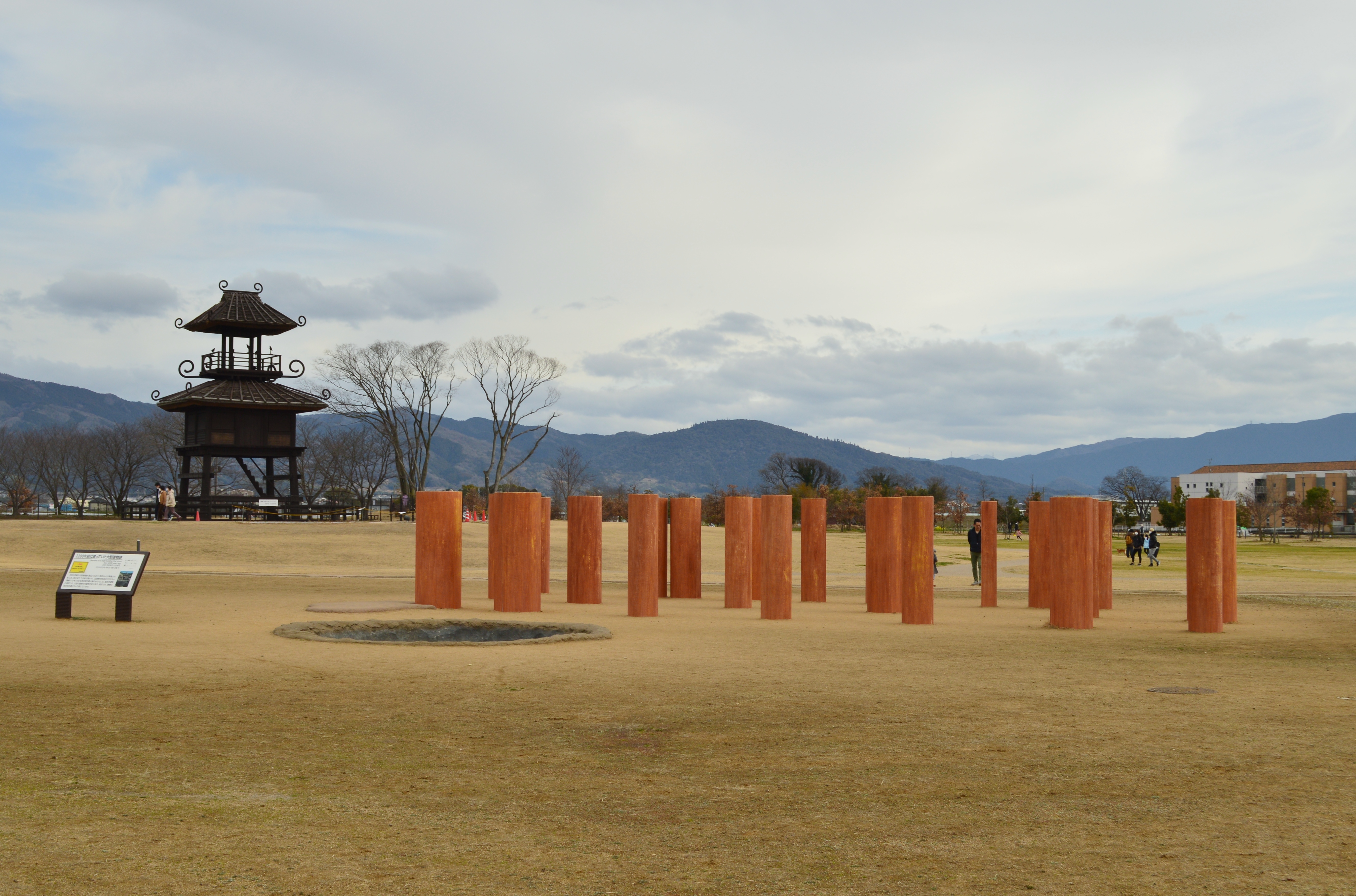
The Karako-Kagi Site, located in Tawaramoto, Nara, Japan, is a notable archaeological site from the Yayoi period. It is characterized by its metallurgical facility, indicating advanced craft and industrial capabilities for the time. The site also provides evidence of animal husbandry practices, specifically chicken breeding, which highlights the agricultural lifestyle of its inhabitants. Unlike many contemporary sites, no rice paddy fields are associated with Karako-Kagi, suggesting a diversified subsistence strategy that may have included dry-field farming or other food production methods. The site's significance is further emphasized by its designation as a National Historic Site, and artifacts from the area are displayed in the nearby Karako-Kagi Archaeological Museum.
Gallery
Explore photographs of ancient structures, artifacts, and archaeological excavations

Historical Timeline
Journey through time and discover key events in this site's history
Yayoi Village Establishment
300 BCE
Archaeological Features
Unique architectural and cultural elements found at this historical site
Animal Husbandry Features
Industrial and Craft Structures
Domestic and Habitation Structures
Frequently Asked Questions
Plan Your Visit
Tours, travel arrangements, and practical information


More Sites in Japan
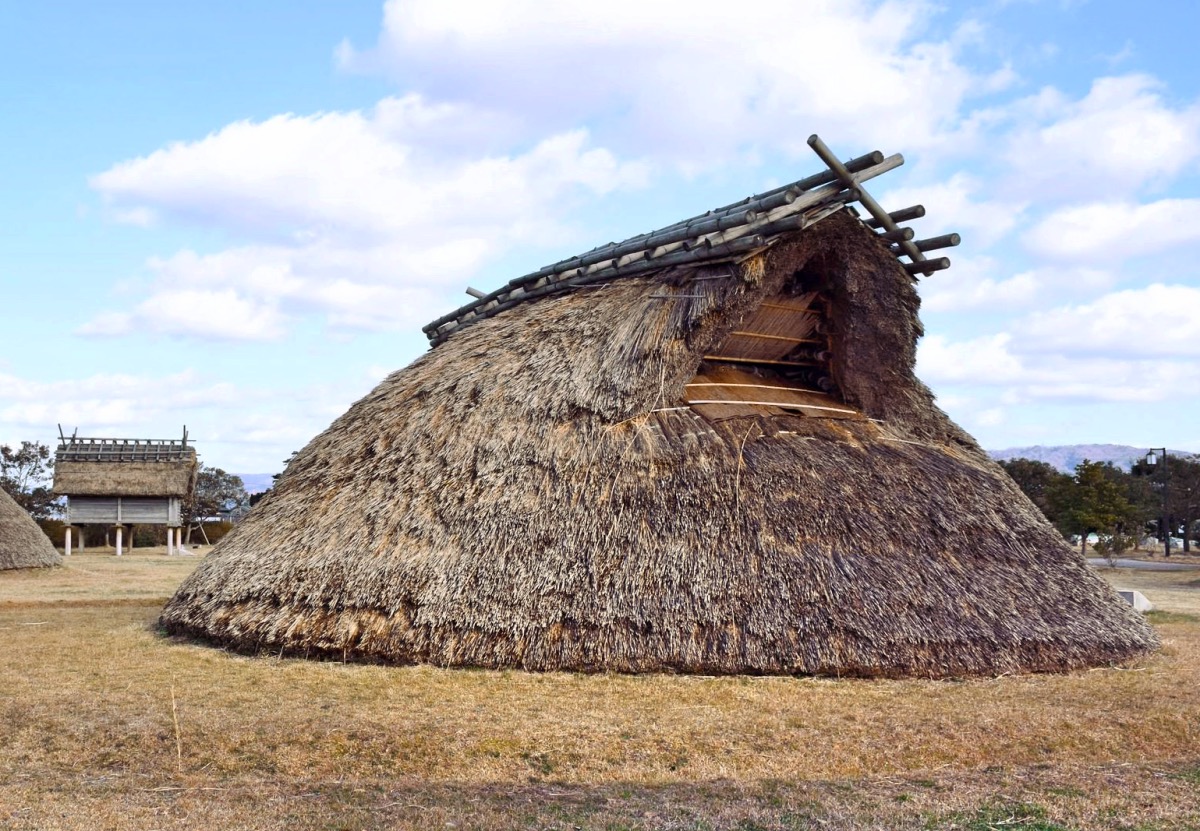
Yoshizaki-Suba Site
Yayoi period settlement remains, Ishikawa, Japan.
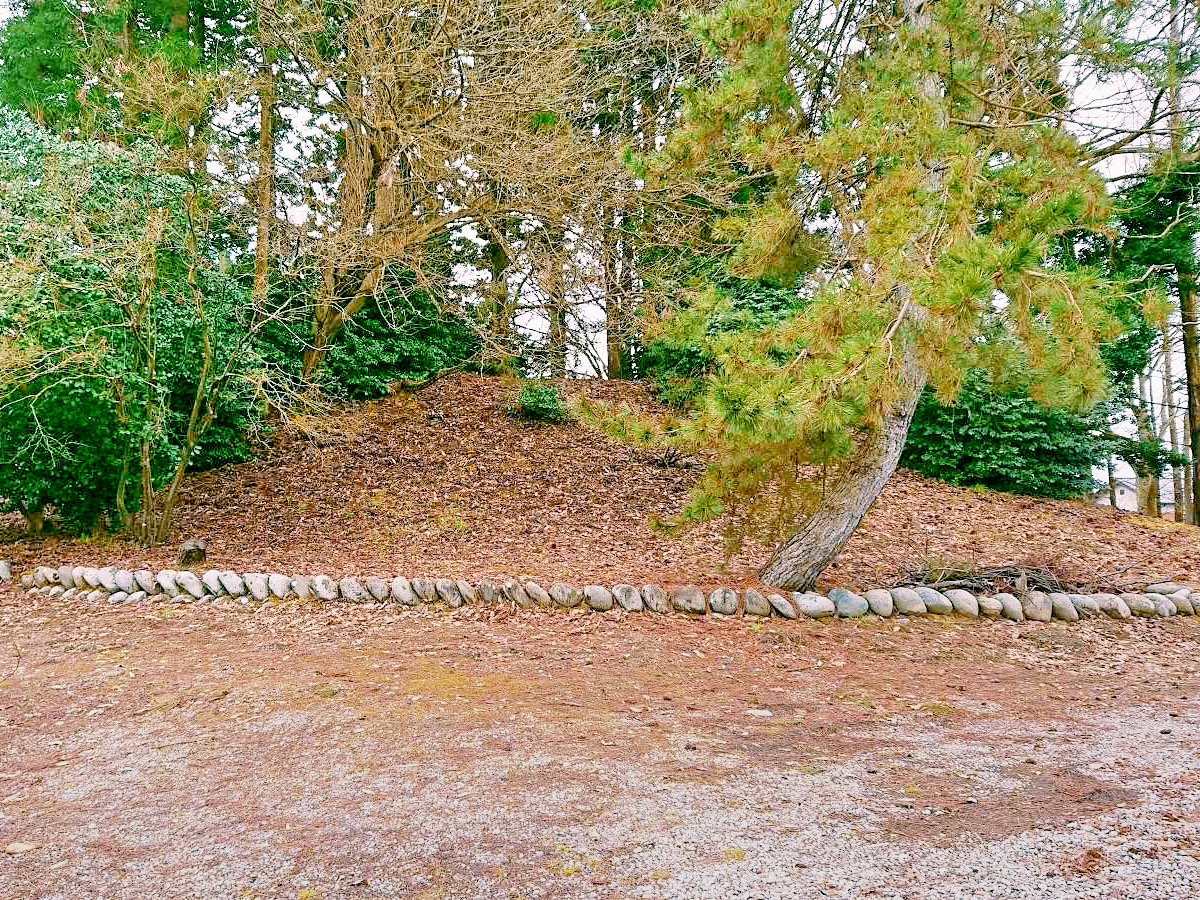
Kushidashin Site
Late Jōmon settlement with Kofun burial mounds.
Mangyō Site
Late Yayoi–Early Kofun settlement, Nanao (Ishikawa), Japan
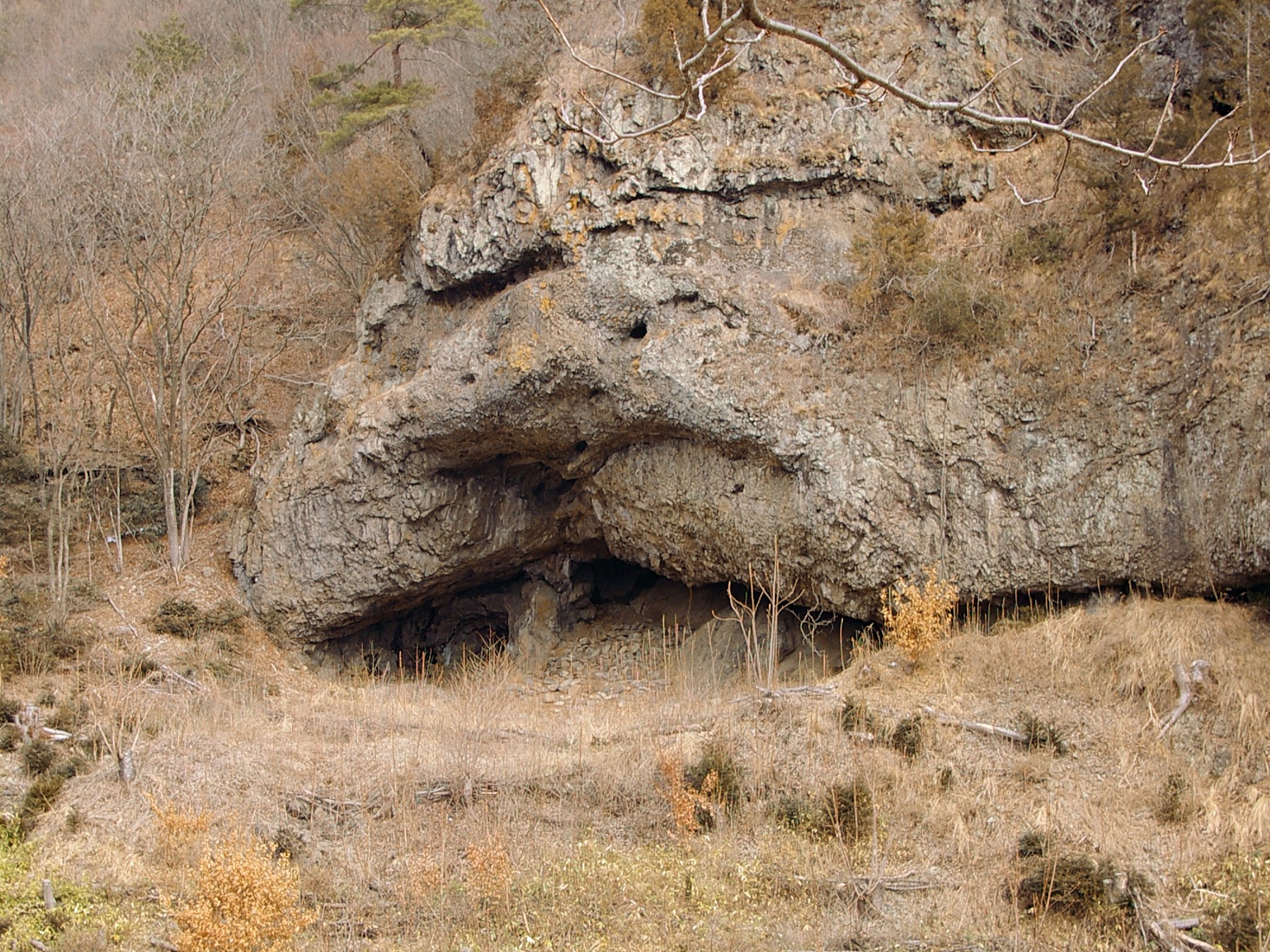
Tobayama Cave
Cave dwelling and tomb with grave goods
Komaru Castle
Sengoku period castle with moats and ramparts.
Uenohara site
Early Jōmon period settlement in Japan.