Explore the Map
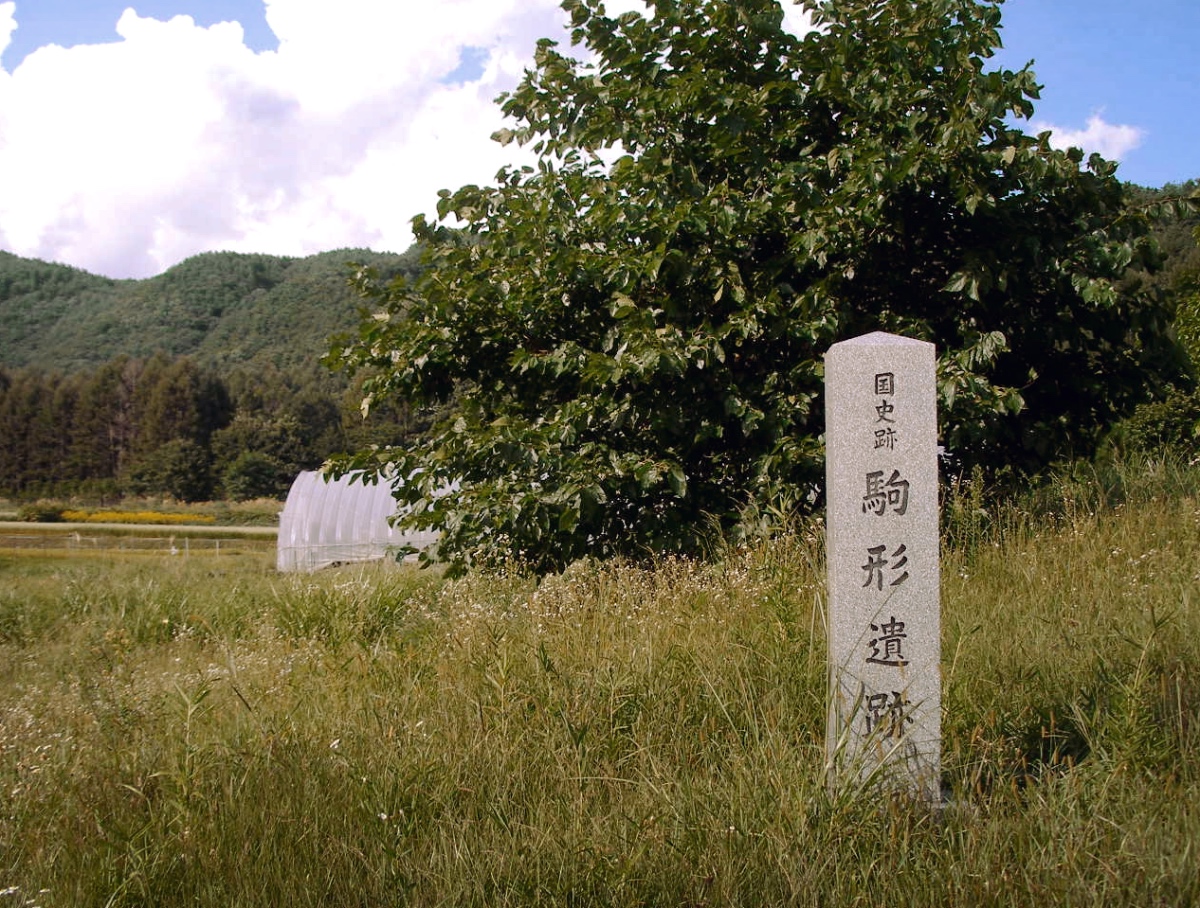
Komagata ruins
36.0394° N, 138.1892° E
About
The Komagata Ruins, located in Chino, Nagano, Japan, represent an extensive archaeological site with significant historical value. Situated on a well-watered plain at an elevation of 910 meters, the site is distinguished by its remnants of a Jōmon period village, which includes 106 pit dwellings and numerous prehistoric storage pits. Inhabited from the Japanese Paleolithic period through the Heian period, the site was a hub for crafting and trading ornaments, arrowheads, and tools made from nearby obsidian sources. The site's continuous occupation highlights its importance as a settlement and trade center over millennia. The absence of visitor facilities underscores its status as a protected National Historic Site, preserving its archaeological integrity.
Gallery
Explore photographs of ancient structures, artifacts, and archaeological excavations
Historical Timeline
Journey through time and discover key events in this site's history
Continuous settlement period
9000 BCE - 1100 CE
Early Jōmon period
5000 BCE - 4000 BCE
Late Jōmon period
2000 BCE - 1000 BCE
Archaeological Features
Unique architectural and cultural elements found at this historical site
Storage Structures
Industrial and Craft Structures
Domestic and Habitation Structures
Frequently Asked Questions
Plan Your Visit
Tours, travel arrangements, and practical information

More Sites in Japan
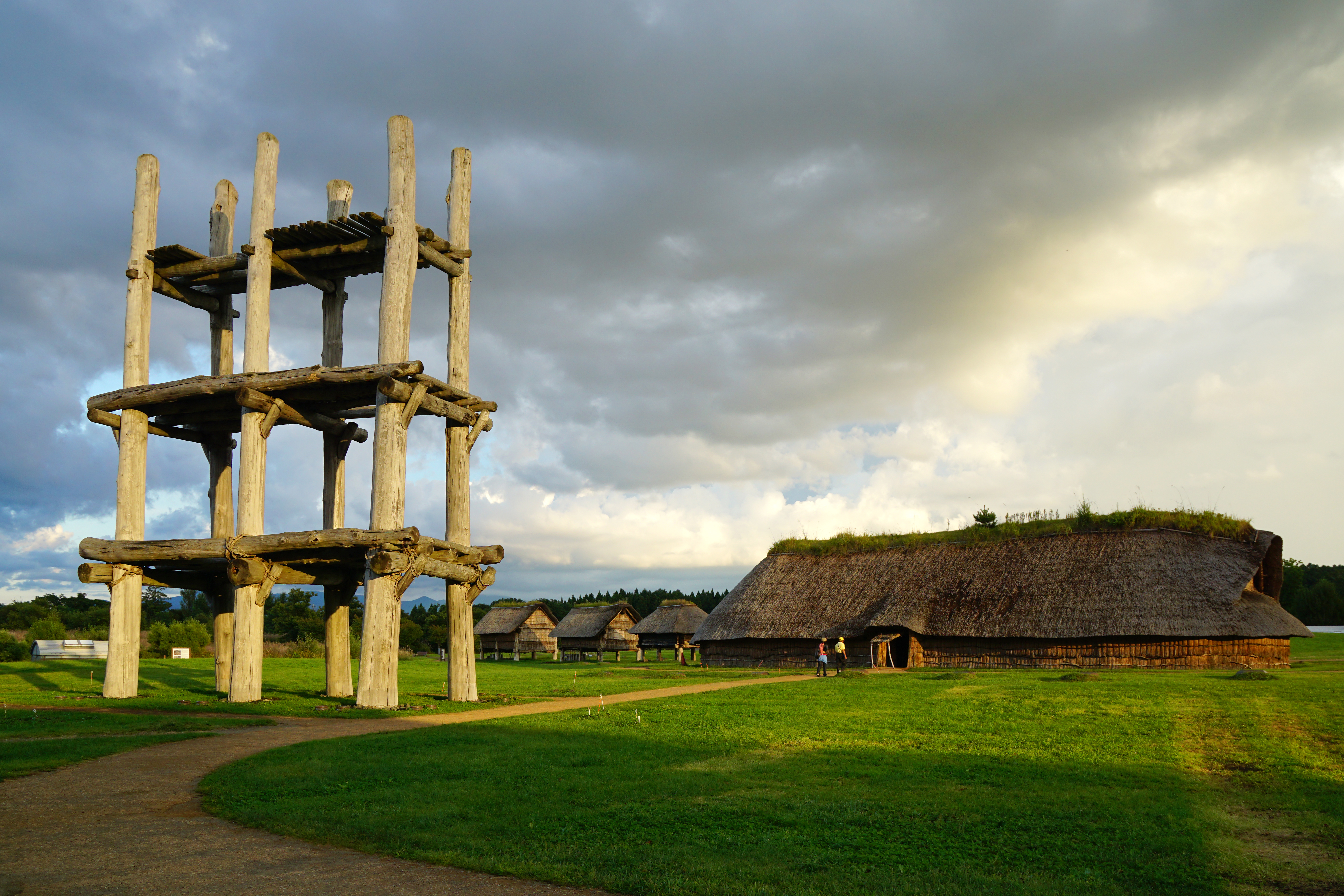
Sannai-Maruyama Site
Large Jōmon period settlement ruins
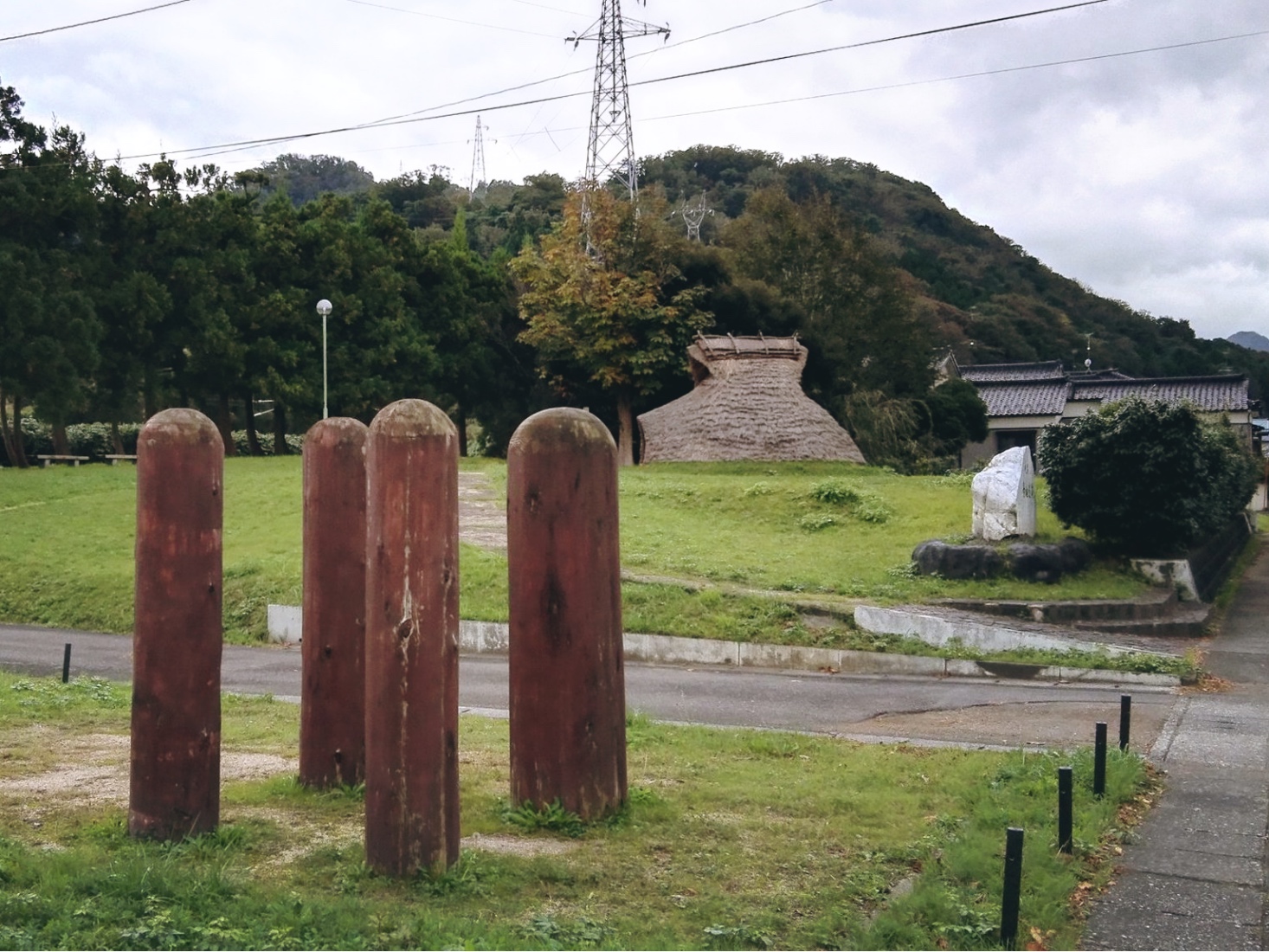
Terachi Site
Middle to late Jōmon period settlement
Mangyō Site
Late Yayoi–Early Kofun settlement, Nanao (Ishikawa), Japan

Komaru Castle
Sengoku period castle with moats and ramparts.
Furushida-Higashi ruins
Heian period fortified residence with moat.
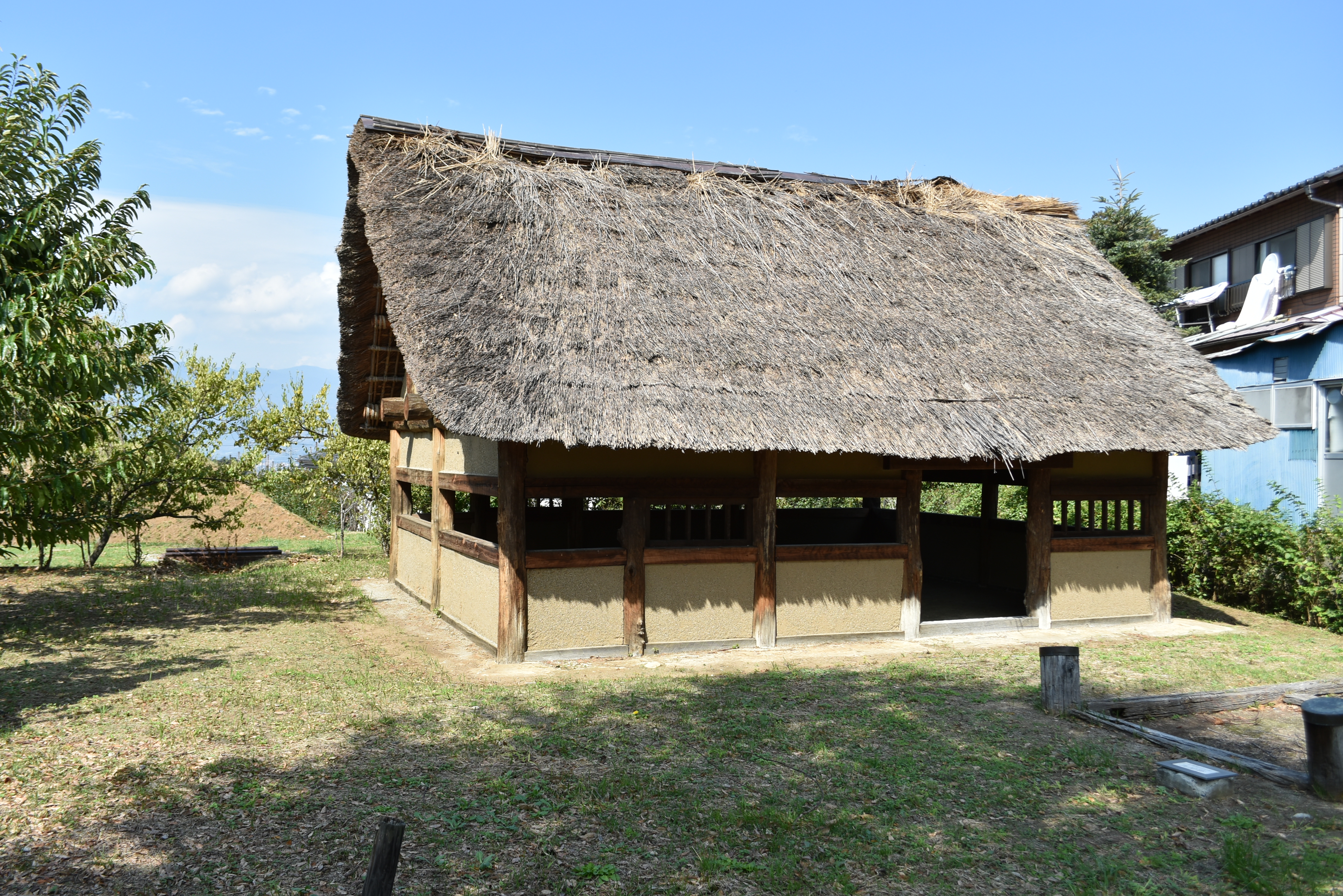
Katsunuma clan residence ruins
Sengoku period fortified residence ruins.