Kōrokan
Time Periods
Paleolithic
Mesolithic
Neolithic
Chalcolithic
Bronze Age
Iron Age
Classical Period
Post-Classical Period
Early Modern Period
Industrial Period
Contemporary Period
Time Periods
Paleolithic
Mesolithic
Neolithic
Chalcolithic
Bronze Age
Iron Age
Classical Period
Post-Classical Period
Early Modern Period
Industrial Period
Contemporary Period
Location
About
The kōrokan (鴻臚館, こうろかん) were guest houses for foreign ambassadors, traveling monks, and merchants that existed in Japan from the Asuka period to the end of the Heian period. These guest houses existed in Fukuoka, Osaka and Kyoto. The word kōrokan (鴻臚館) was coined in the Heian period by using the first two characters from the Chinese name 鴻臚寺 for Han dynasty and Qi dynasty temples charged with the responsibility of hosting foreign dignitaries. Only the location of the kōrokan in Fukuoka is known with precision today; its ruins were discovered on the grounds of Maizuru Castle Park in 1987 and were designated a National Historic Site in 2004. The guest house in Fukuoka is called Tsukushi Kōrokan (筑紫の鴻臚館), after the name of Tsukushi Province, which is part of Fukuoka Prefecture today
Plan Your Visit
Details
- Country
- Japan
- Source
- Wikipedia
More Sites in Japan
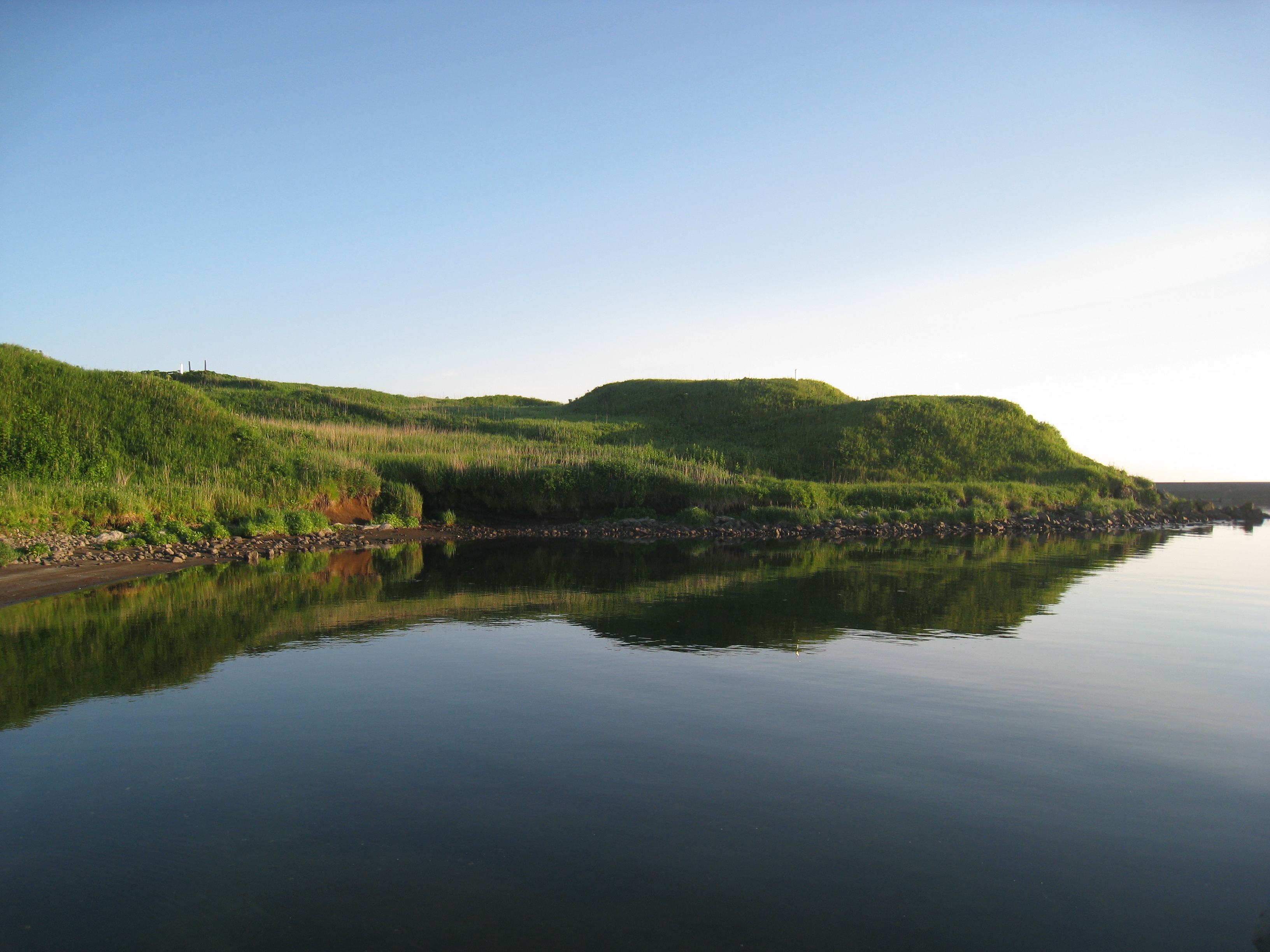
Nemuro Peninsula Chashi Sites
Ainu fortifications with moats on bluffs
Kitaema Cave Tombs
Cave tombs with sarcophagi in Japan.
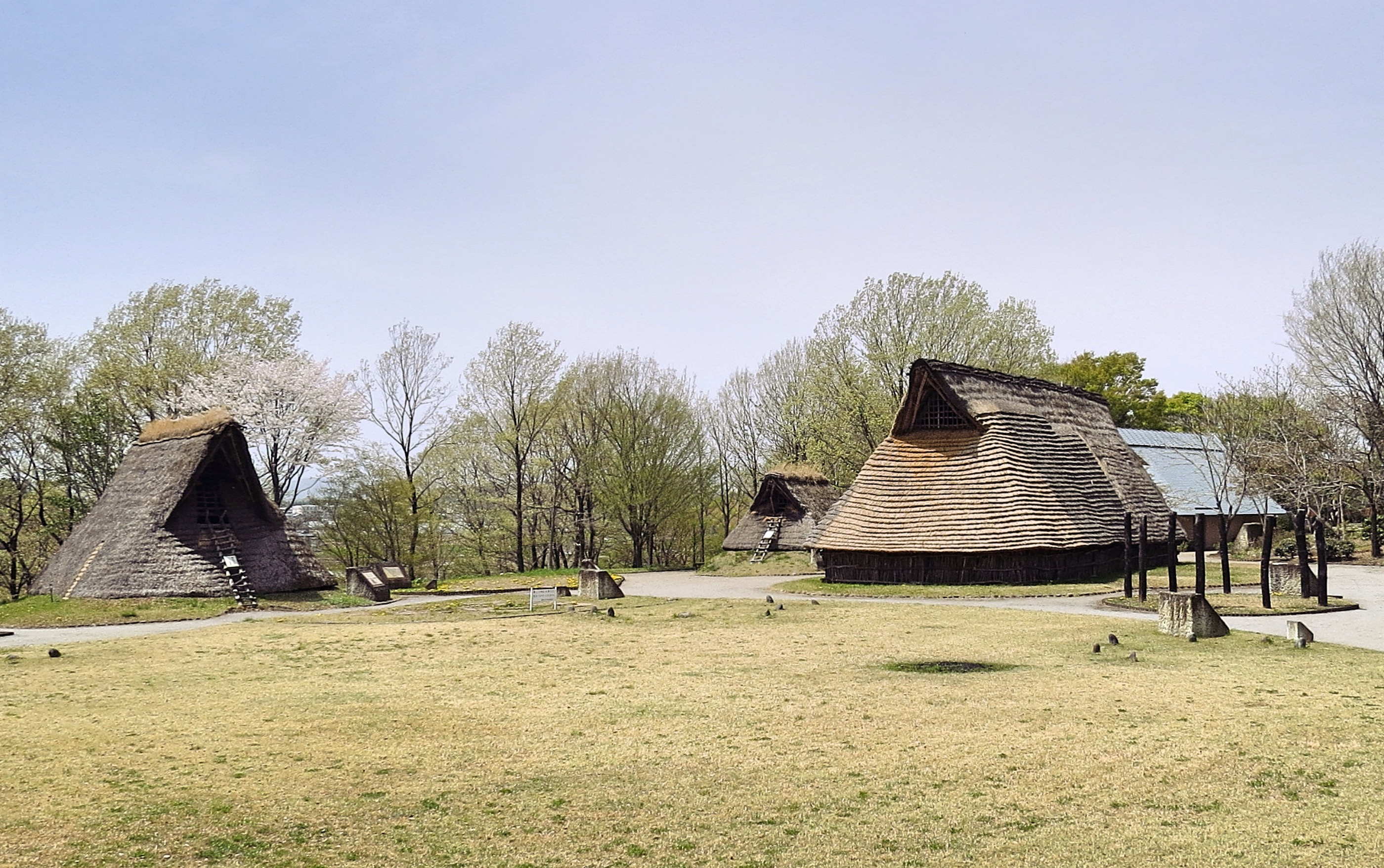
Negoyadai Site
Jōmon period settlement with necropolis
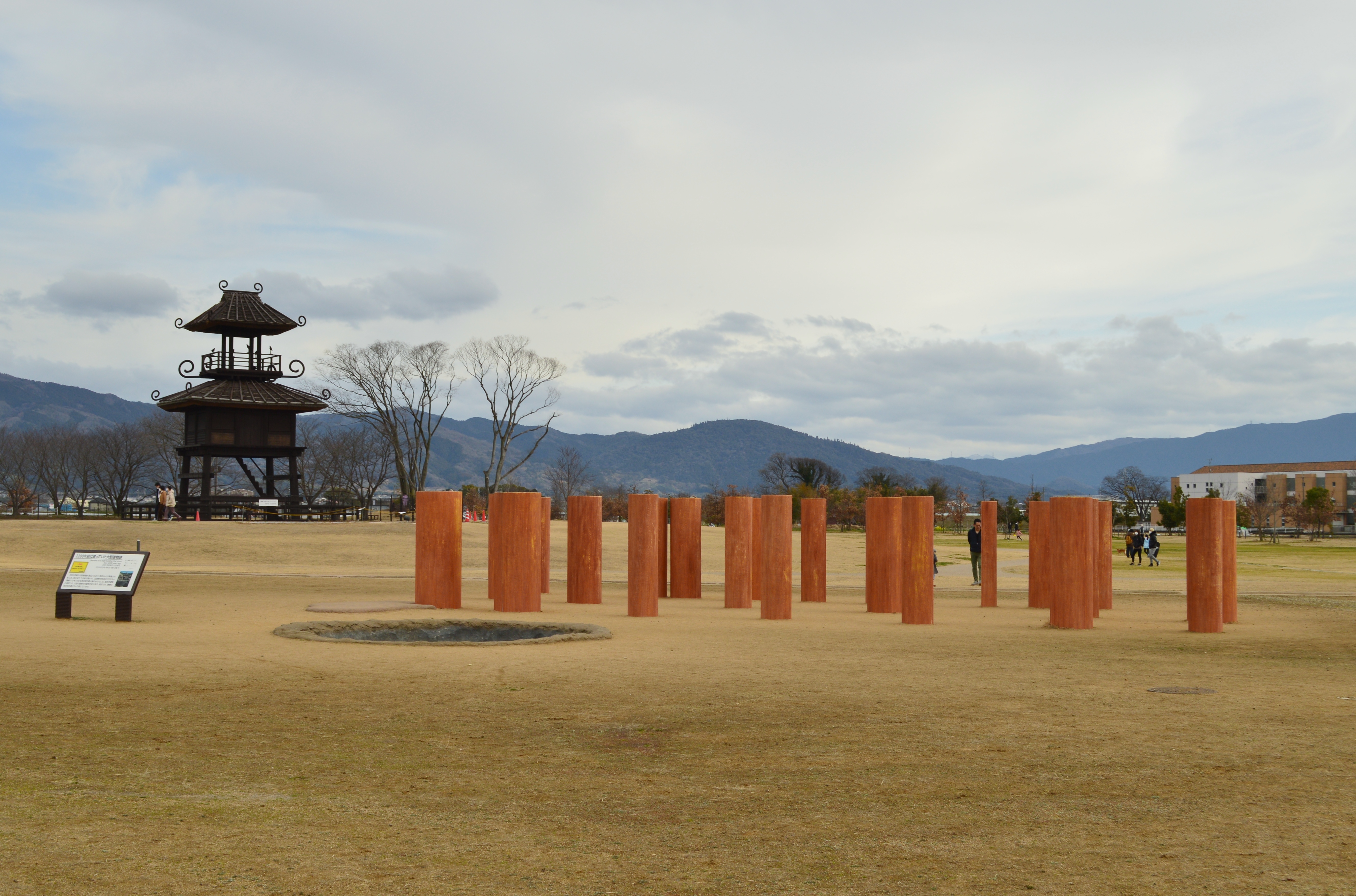
Karako-Kagi Site
Yayoi village with metallurgical facility
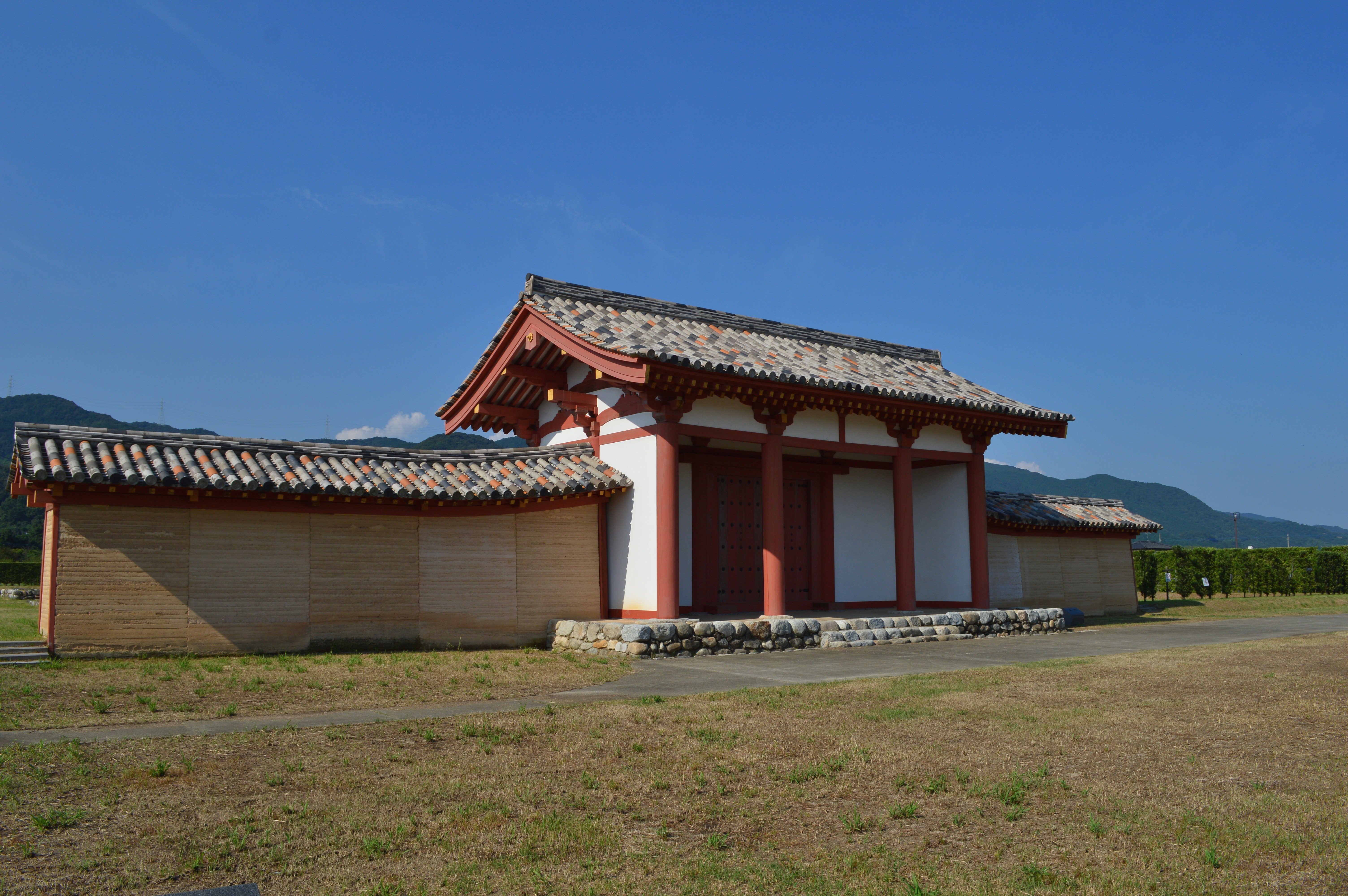
Hizen Provincial Capital
Ruins of Nara to Heian provincial capital
Suō Provincial Capital
Explore this archaeological site.