Explore the Map
Kitaema Cave Tombs
35.0547° N, 138.9203° E
About
The Kitaema Cave Tombs, located in Izunokuni, Shizuoka, Japan, represent an archaeological site significant for its burial practices during the transition from the final Kofun period to the early Nara period. This site consists of a series of corridor-type tombs, with burial chambers carved into a tuff hill. The site includes more than 50 tombs, some featuring stone sarcophagi shaped like houses, indicative of the evolving funerary customs from burial to cremation. One notable sarcophagus inscribed with 'Wakato-nari' has been declared a National Important Cultural Property. The site provides valuable insights into the cultural and ritual transformations during a pivotal era in Japanese history. Its designation as a National Historic Site underscores its importance in understanding the region’s archaeological narrative.
Historical Timeline
Journey through time and discover key events in this site's history
Kofun period necropolis
600 CE, 700 CE
Archaeological Features
Unique architectural and cultural elements found at this historical site
Burial and Funerary Structures
Environmental and Natural Features
Frequently Asked Questions
Plan Your Visit
Tours, travel arrangements, and practical information

More Sites in Japan
Binmanji Ishibotokedani Necropolis
Medieval Japanese necropolis with 1600 tombs.
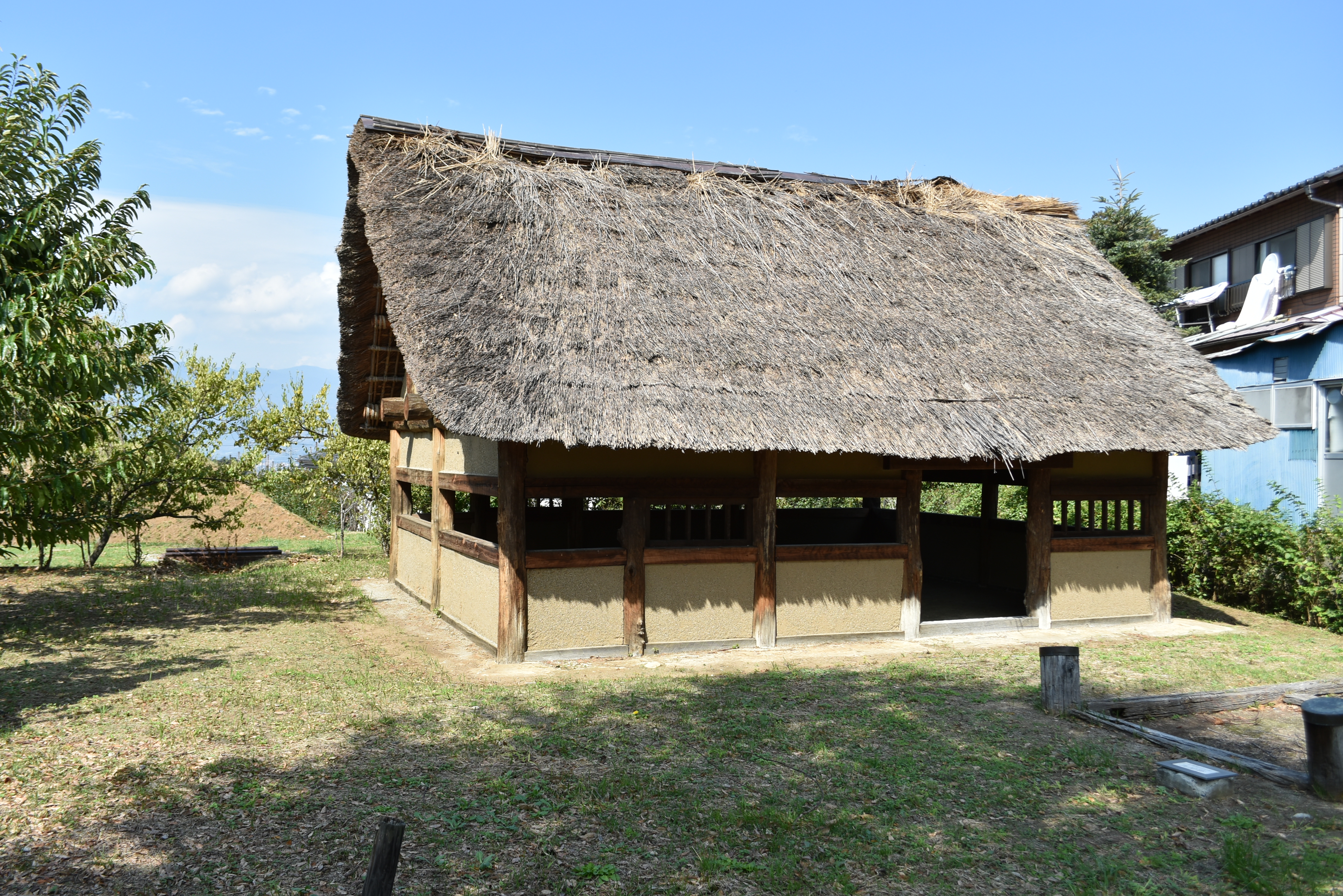
Katsunuma clan residence ruins
Sengoku period fortified residence ruins.
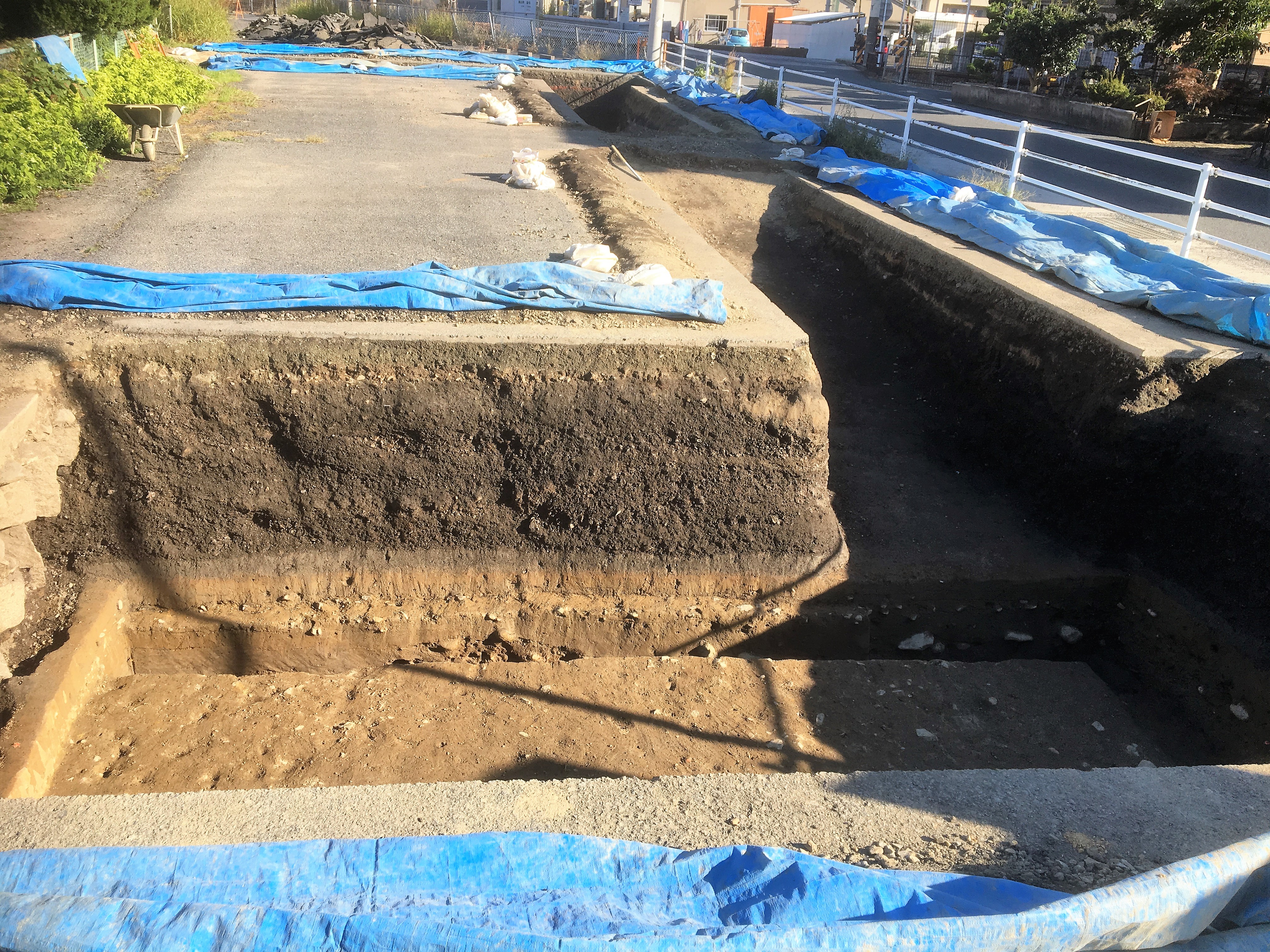
Bingo Provincial Capital
Ruins of ancient provincial capital structures
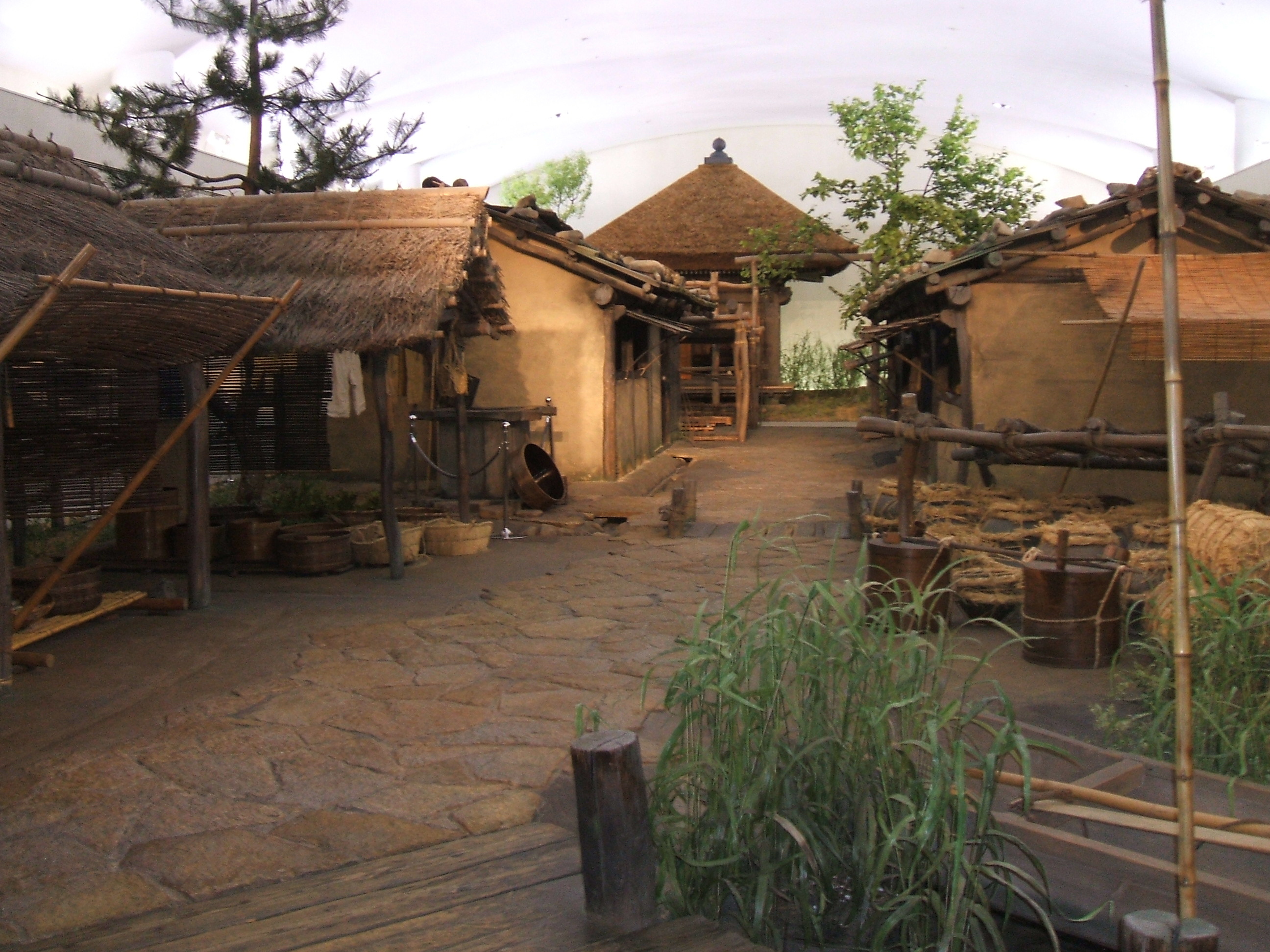
Kusado Sengen
Medieval port town near Ashida River
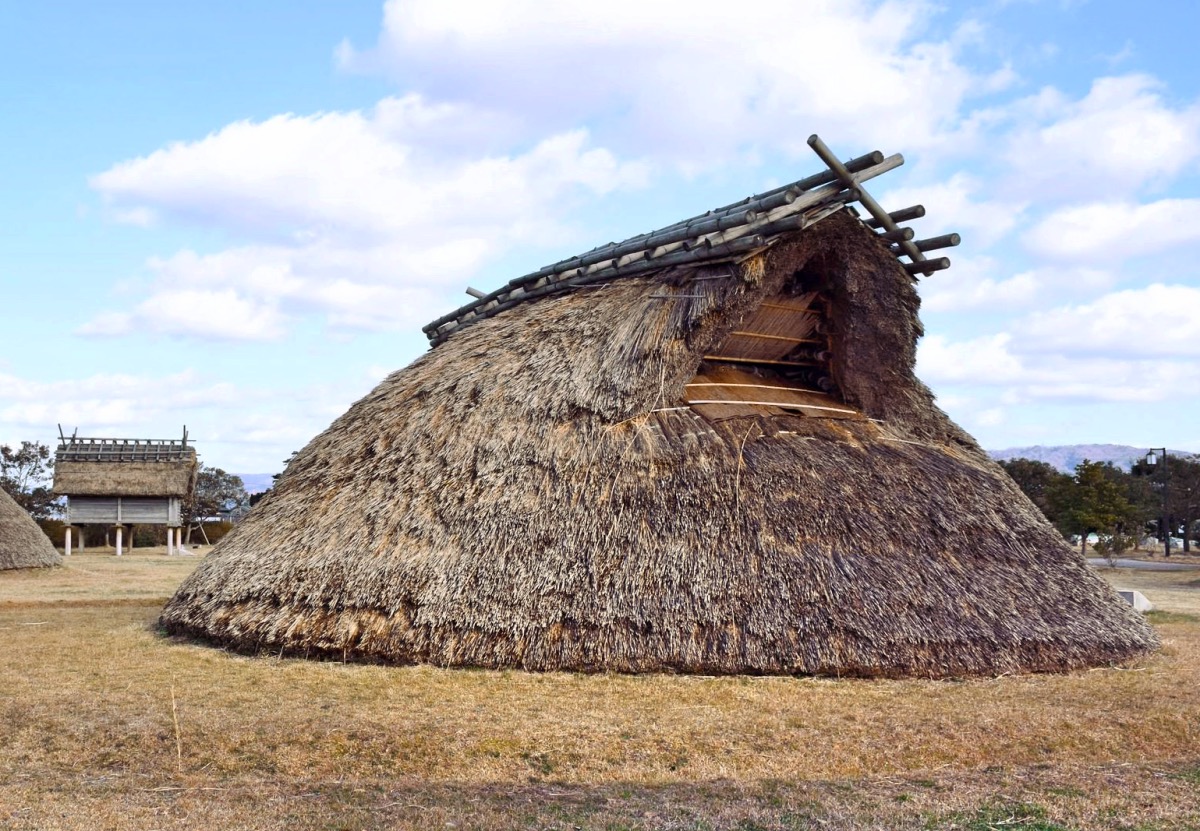
Yoshizaki-Suba Site
Yayoi period settlement remains, Ishikawa, Japan.

Komaru Castle
Sengoku period castle with moats and ramparts.