Explore the Map
Kurihara Ruins
35.7547° N, 139.6723° E
About
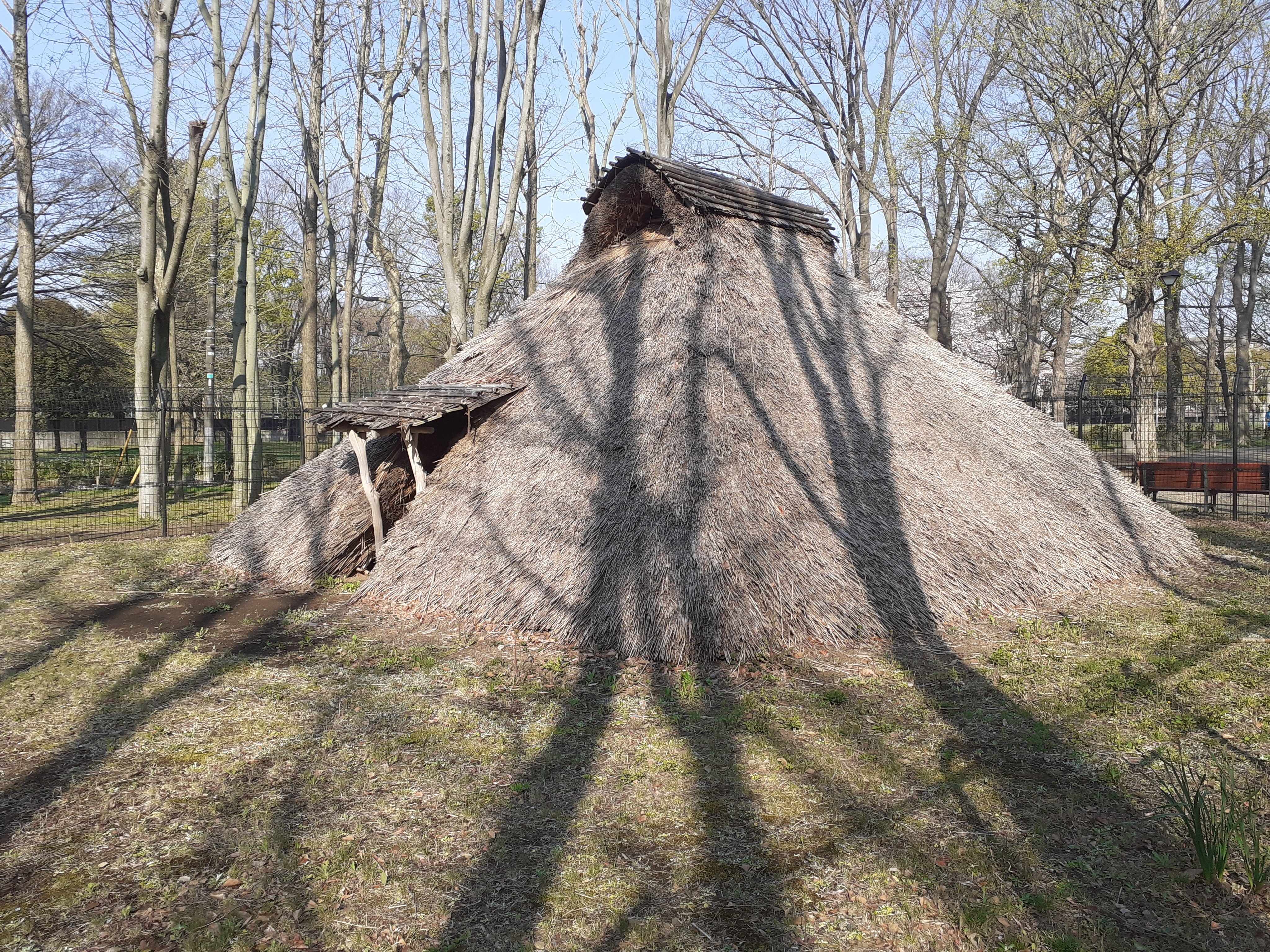
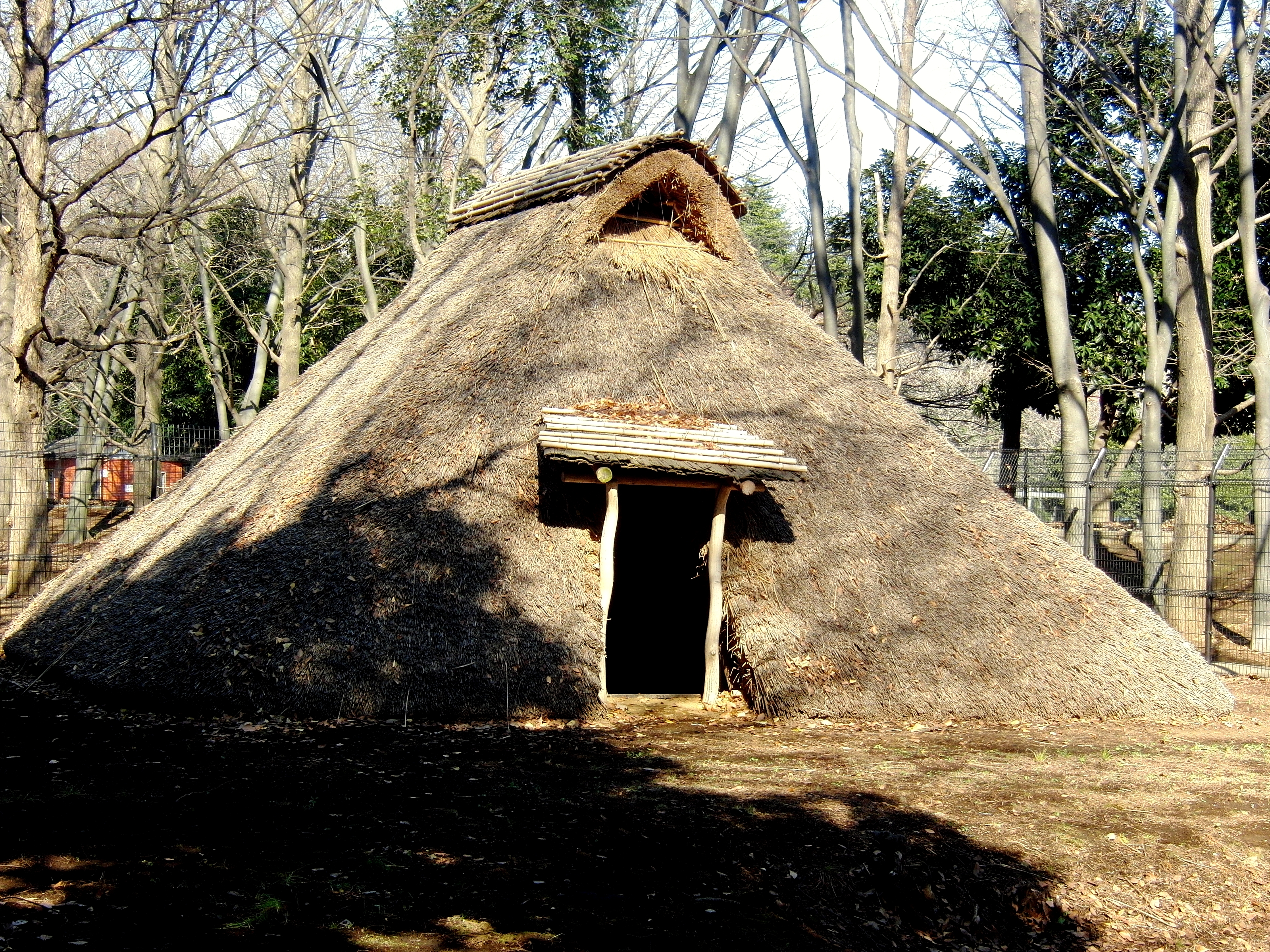
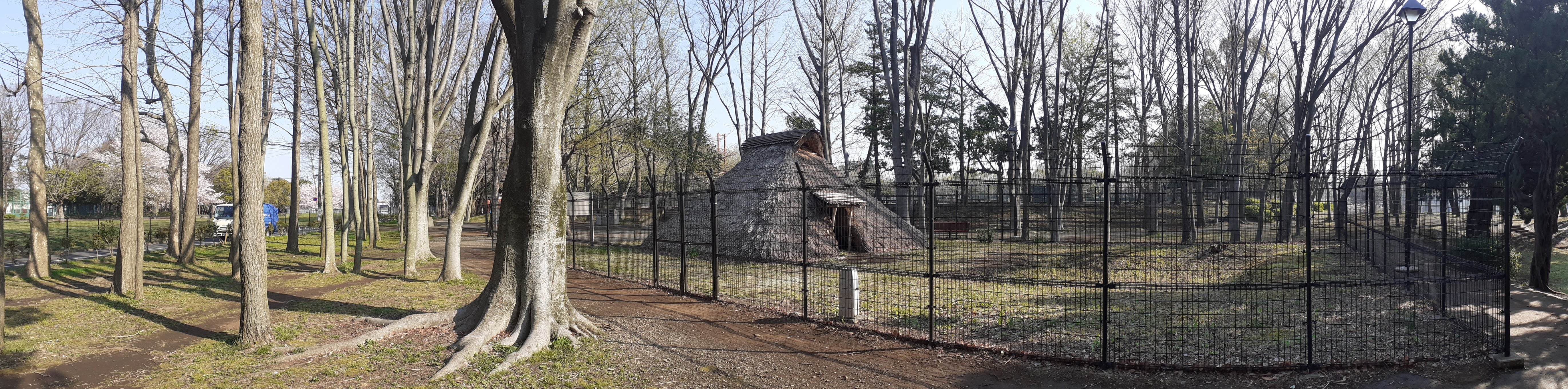
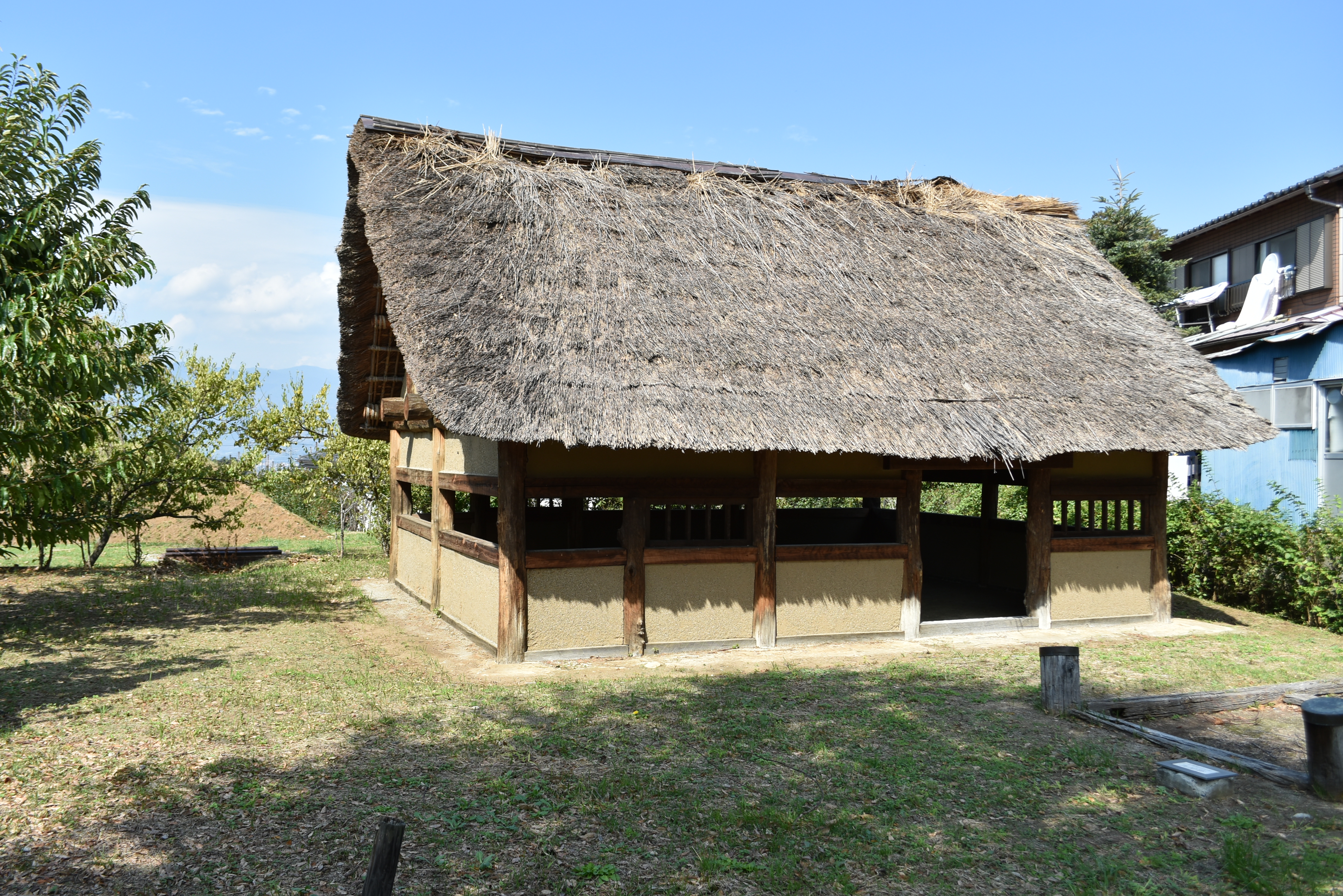
The Kurihara Ruins, located in Nerima Ward, Tokyo, represent a significant archaeological site featuring a reconstruction of a pit-house from the early Nara period. Unearthed during the 1950s, the site yielded obsidian tools dating back to the Paleolithic era, alongside Jōmon pottery. This points to a long history of habitation from the Yayoi through Heian periods. The reconstructed pit-house, designed by Tokyo University's Gaijiro Fujishima, provides insight into domestic architecture of the early Nara period. The site's archaeological significance lies in its evidence of continuous human occupation and cultural transitions, marked by both ancient habitation structures and tools spanning multiple periods.
Gallery
Explore photographs of ancient structures, artifacts, and archaeological excavations
Historical Timeline
Journey through time and discover key events in this site's history
Yayoi to Heian habitation
300 BCE – 1185 CE
Paleolithic tool use
50,000 BCE – 10,000 BCE
Early Nara period dwelling
710 CE – 794 CE
Archaeological Features
Unique architectural and cultural elements found at this historical site
Domestic and Habitation Structures
Frequently Asked Questions
Plan Your Visit
Tours, travel arrangements, and practical information
More Sites in Japan
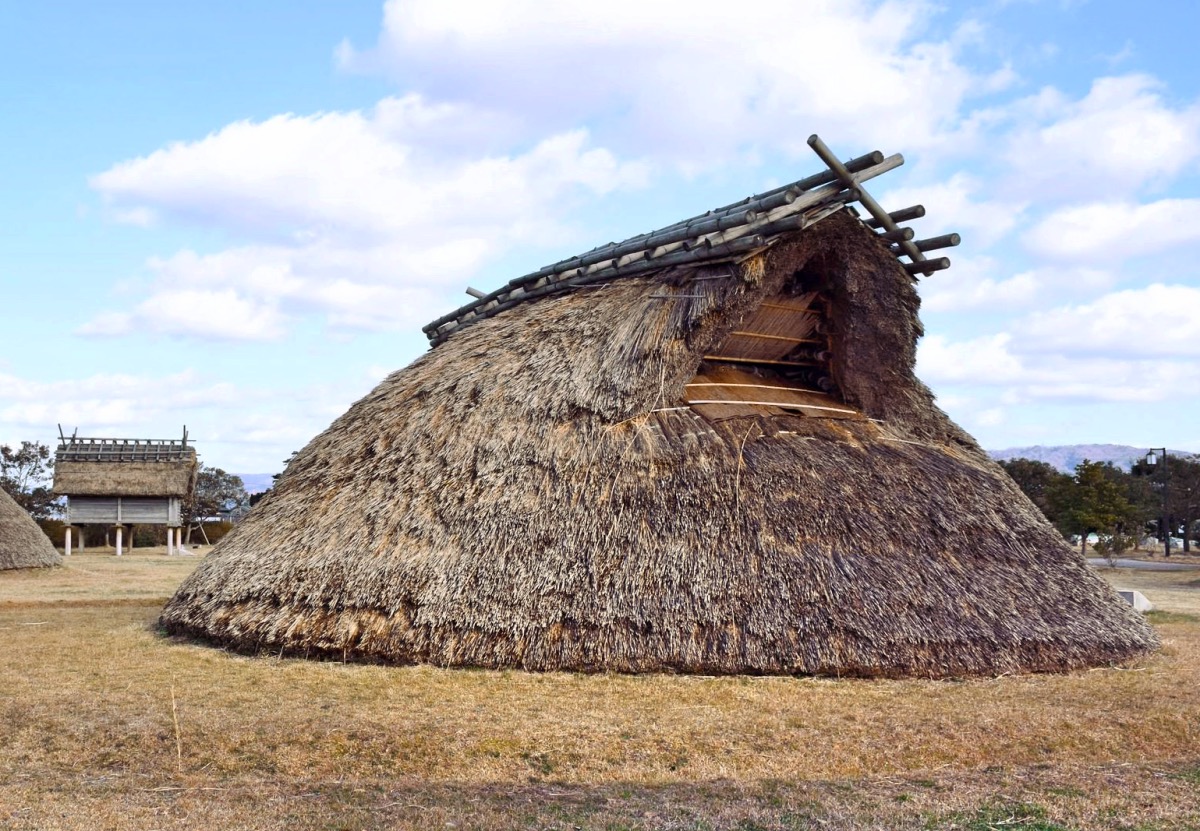
Yoshizaki-Suba Site
Yayoi period settlement remains, Ishikawa, Japan.
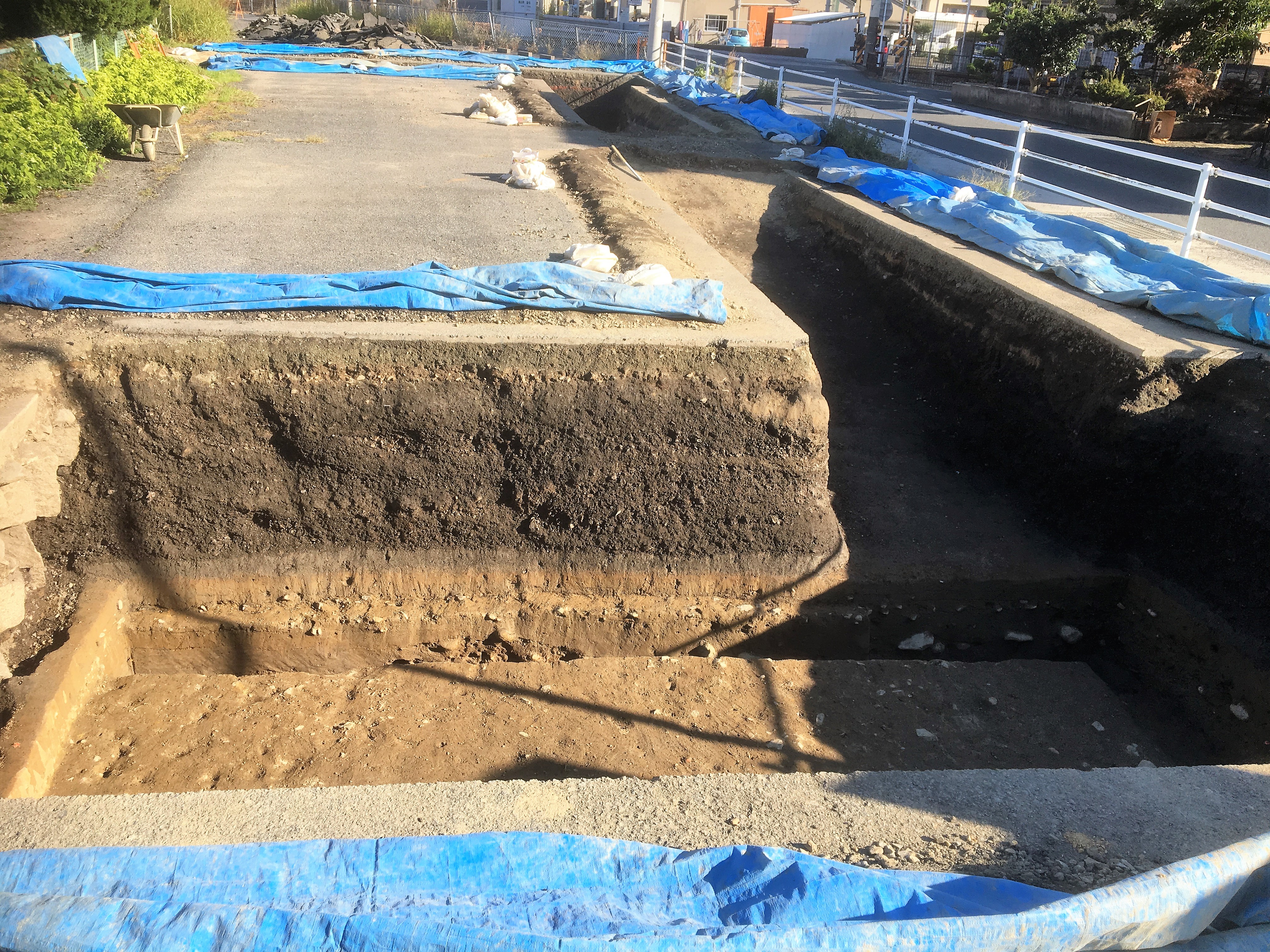
Bingo Provincial Capital
Ruins of ancient provincial capital structures

Komaru Castle
Sengoku period castle with moats and ramparts.
Mangyō Site
Late Yayoi–Early Kofun settlement, Nanao (Ishikawa), Japan
Katsunuma clan residence ruins
Sengoku period fortified residence ruins.
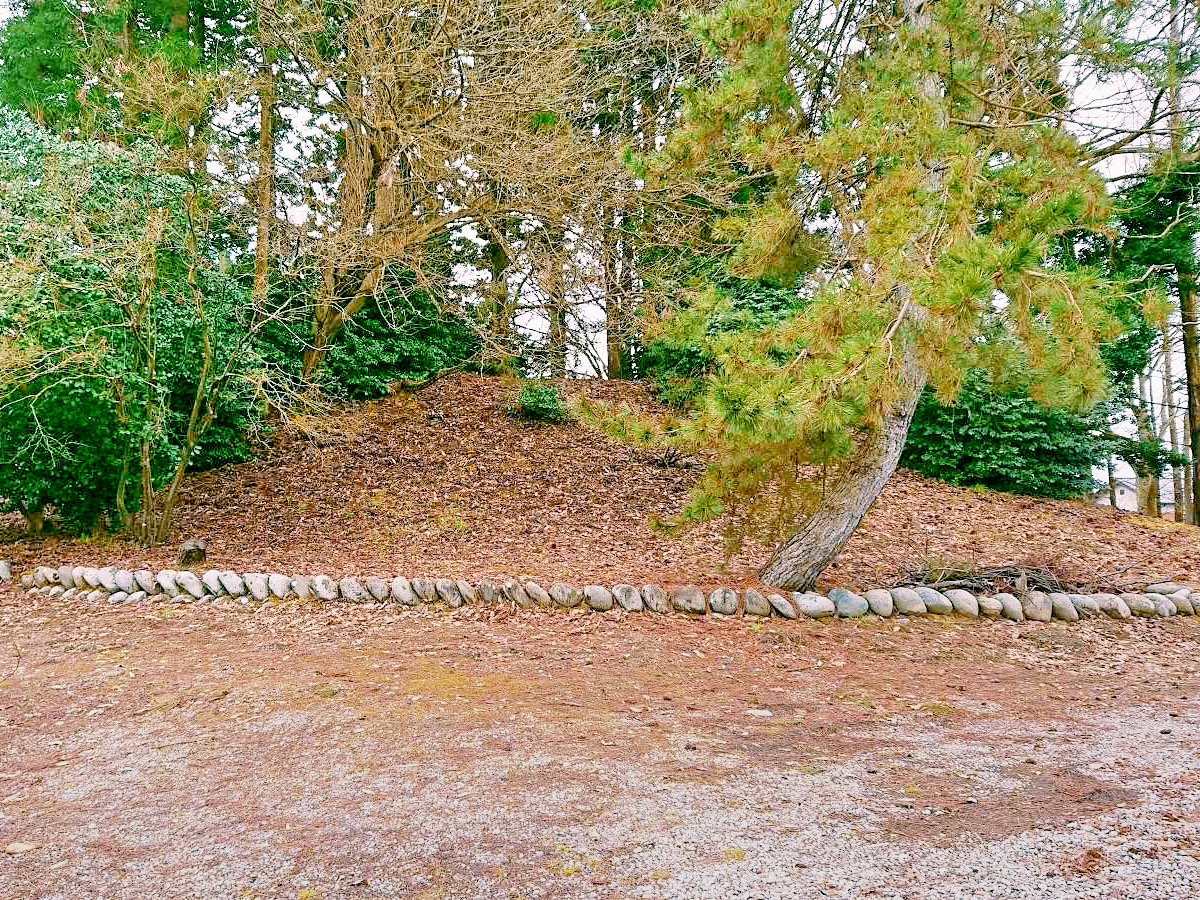
Kushidashin Site
Late Jōmon settlement with Kofun burial mounds.