Explore the Map
Ōmi Ōtsu Palace
35.0283° N, 135.8550° E
About
The Ōmi Ōtsu Palace (近江大津宮, Ōmi Ōtsu-no-miya) was an imperial palace built by Emperor Tenchi in Asuka period Japan in what is now the city of Ōtsu, Shiga Prefecture, Japan. It served as the capital of Japan for a five-year period from 667 to 672 AD. Also known as the Ōtsu Palace (大津宮, Ōtsu-no-miya), Shiga no Miyako (志賀の都), it was most frequently referred to in ancient sources as the Ōmi Ōtsu-no-miya (水海大津宮). It was at this location that the Ōmi Code and the family registry system were promulgated, which laid the foundations for the later ritsuryō state. It location was designated a National Historic Site of Japan in 1979, with the area under protection expanded in 2007
Historical Timeline
Journey through time and discover key events in this site's history
Fall of Baekje
660 AD
Battle of Baekgang
663 AD
Capital established at Ōmi Ōtsu Palace
667–672 AD
Death of Emperor Tenchi
671 AD
Jinshin War and palace destruction
672 AD
Rescue archaeology discovery
1974
Historic designation and expansion
1979; expanded 2007
Archaeological Features
Unique architectural and cultural elements found at this historical site
Defensive Structures
Miscellaneous Features
Public and Civic Structures
Domestic and Habitation Structures
Environmental and Natural Features
Transportation and Communication Structures
Frequently Asked Questions
Plan Your Visit
Tours, travel arrangements, and practical information
More Sites in Japan

Komaru Castle
Sengoku period castle with moats and ramparts.
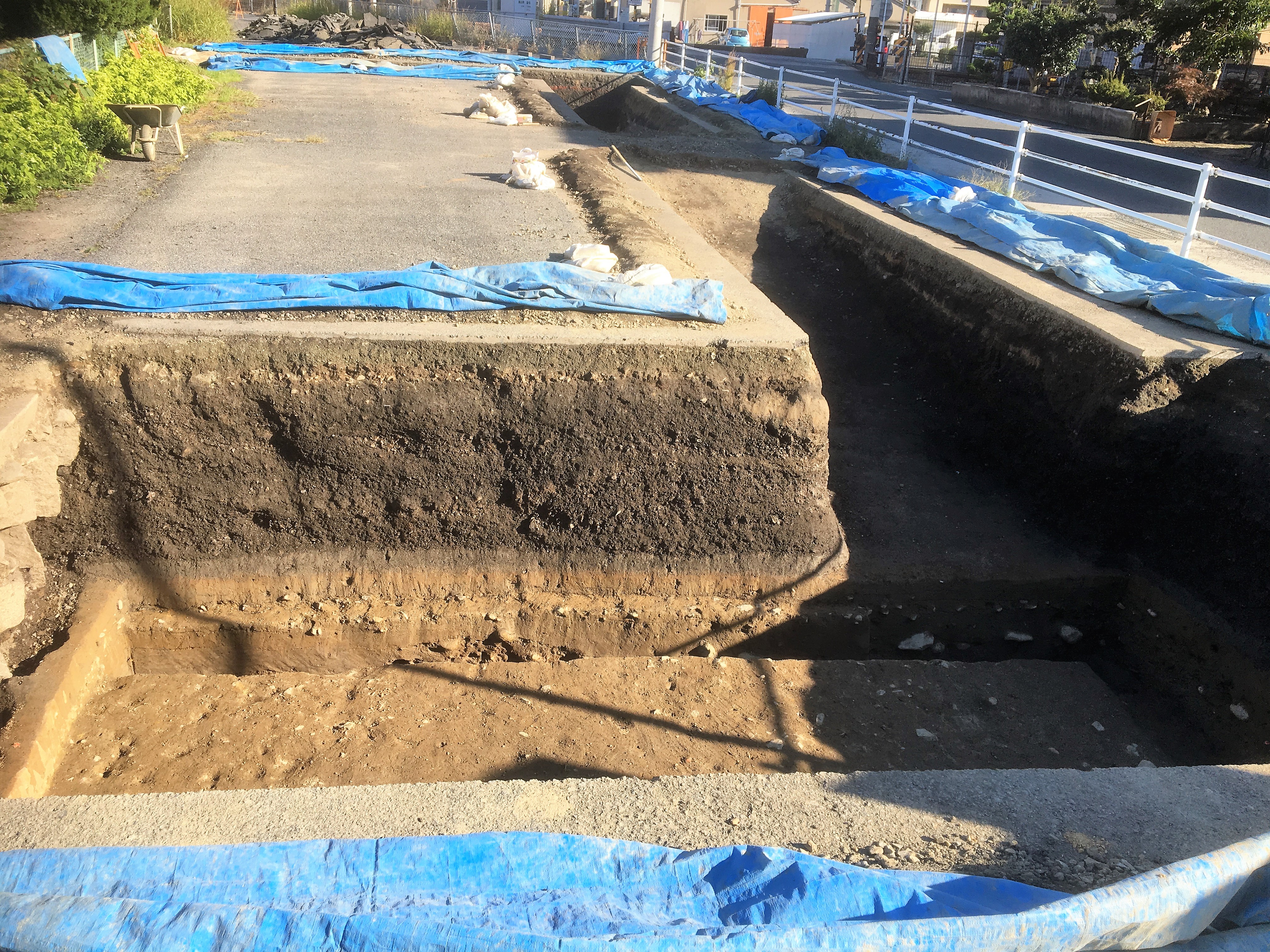
Bingo Provincial Capital
Ruins of ancient provincial capital structures
Furushida-Higashi ruins
Heian period fortified residence with moat.
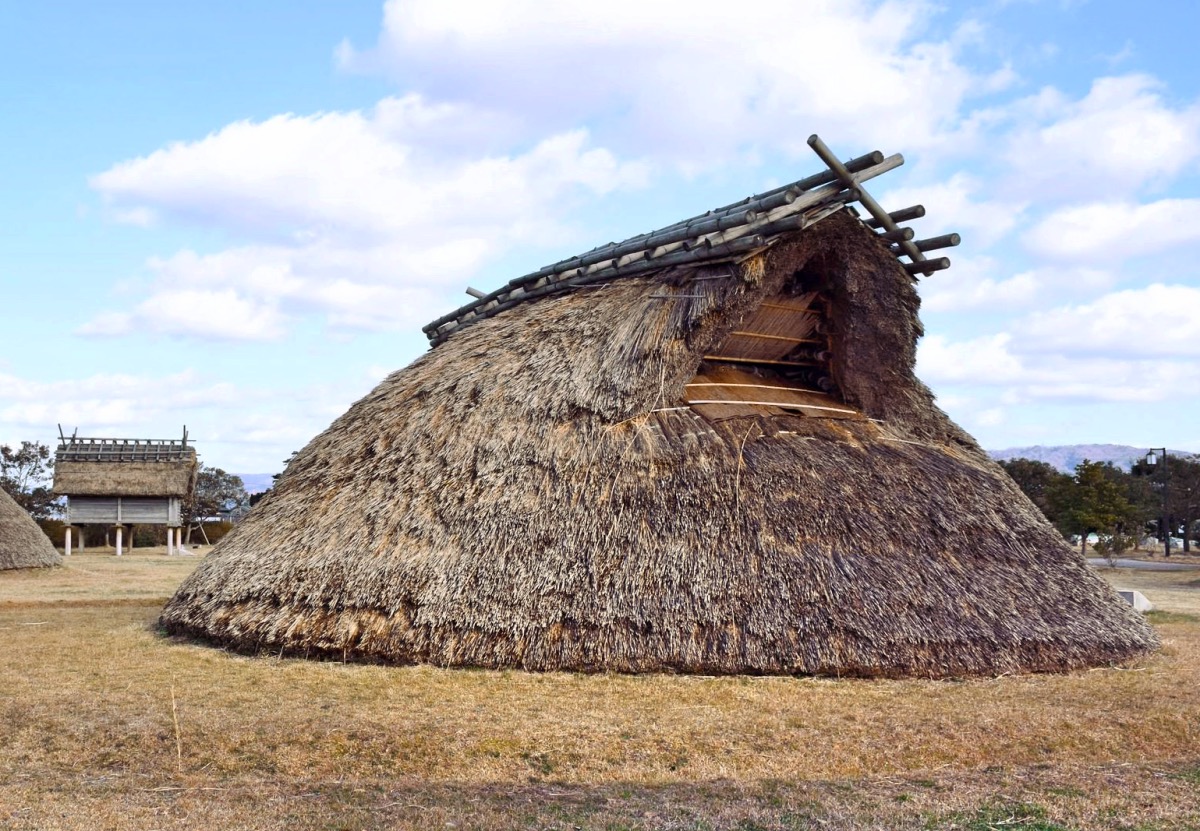
Yoshizaki-Suba Site
Yayoi period settlement remains, Ishikawa, Japan.
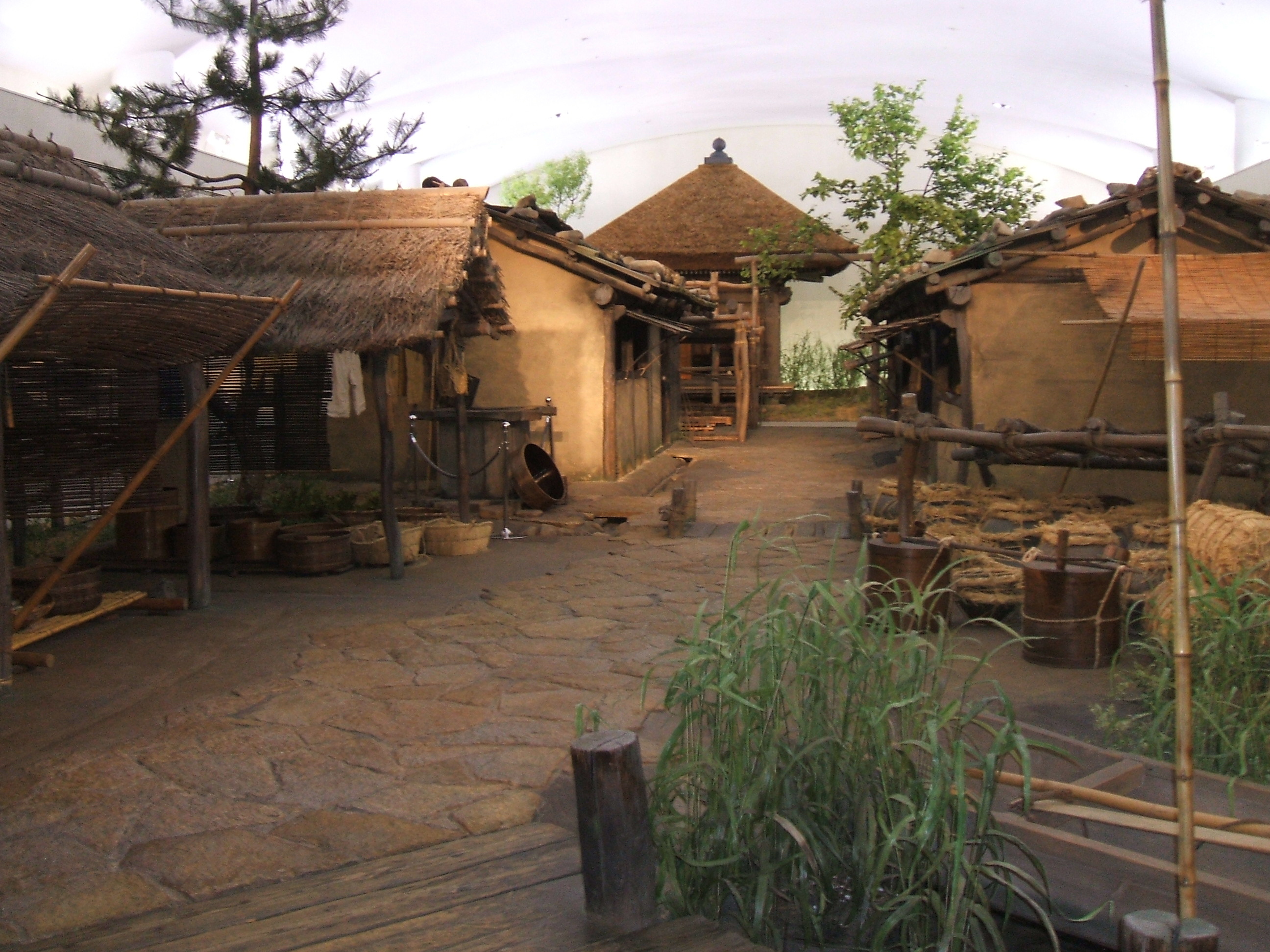
Kusado Sengen
Medieval port town near Ashida River
Binmanji Ishibotokedani Necropolis
Medieval Japanese necropolis with 1600 tombs.