Explore the Map
Ikegami-Sone Site
34.5018° N, 135.4273° E
About
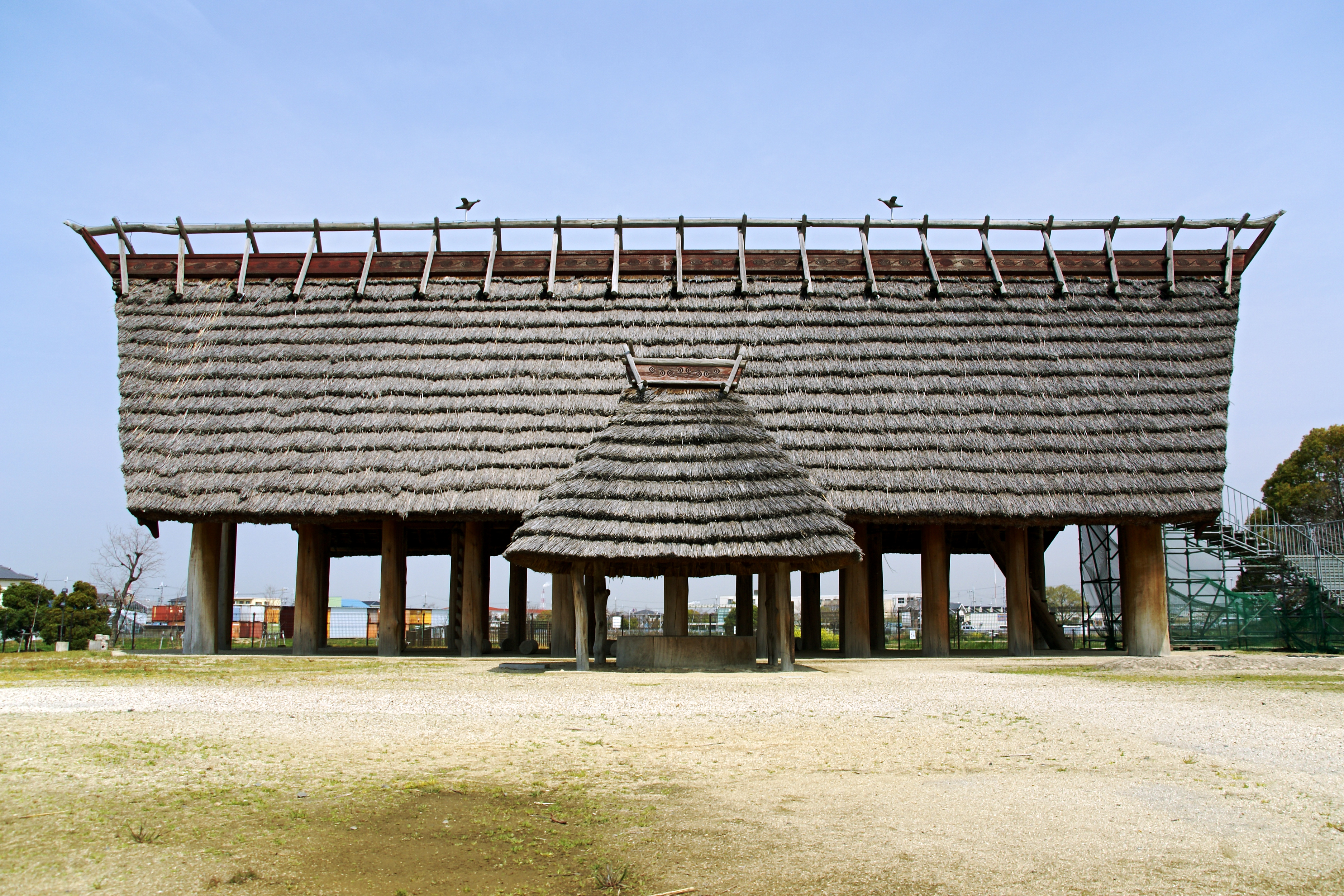
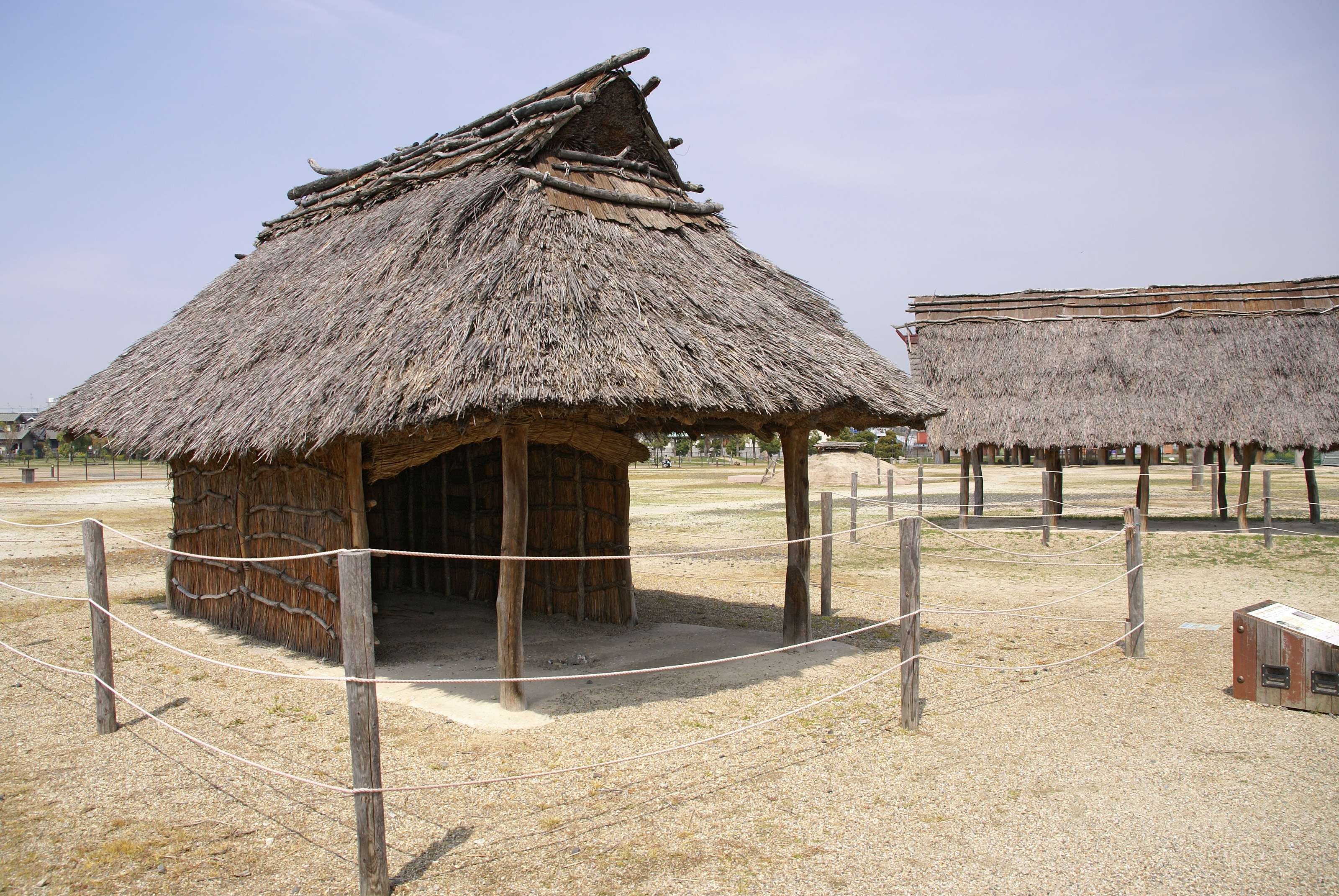
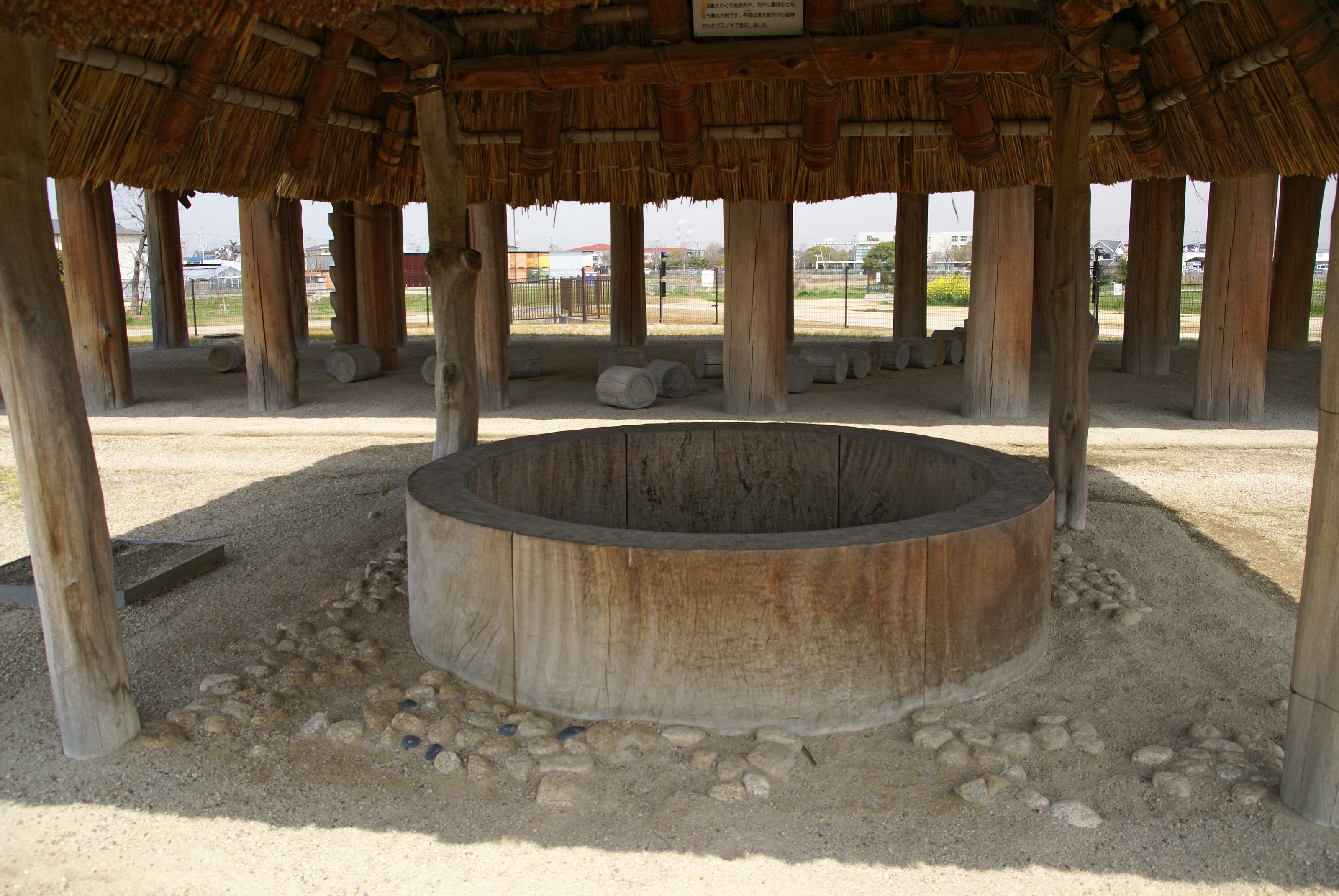
The Ikegami-Sone site is a significant archaeological site located in the Kansai region of Japan. Spanning 600,000 square meters, it is a large Yayoi period settlement characterized by its extensive infrastructure, including a double ring of moats and a substantial paddy field, indicating advanced agricultural practices. The site's central feature is a large pillar building, constructed around 52 BCE, possibly serving as a ritual or administrative center. Artifacts discovered at the site, such as Yayoi pottery and stone tools, suggest it was a hub for production and distribution, particularly for green schist stone knives. The absence of ironware indicates a delay in iron usage compared to other Yayoi sites. Its importance is further underscored by evidence of interaction with continental cultures, as seen in a dragon-decorated jar. The site offers valuable insights into the socio-economic and cultural aspects of the Yayoi period.
Gallery
Explore photographs of ancient structures, artifacts, and archaeological excavations
Historical Timeline
Journey through time and discover key events in this site's history
Construction of large pillar building
52 BCE
Archaeological Features
Unique architectural and cultural elements found at this historical site
Defensive Structures
Water Management Features
Burial and Funerary Structures
Industrial and Craft Structures
Religious and Ritual Structures
Agricultural and Land Use Features
Domestic and Habitation Structures
Frequently Asked Questions
Plan Your Visit
Tours, travel arrangements, and practical information


More Sites in Japan
Kushidashin Site
Late Jōmon settlement with Kofun burial mounds.
Mangyō Site
Late Yayoi–Early Kofun settlement, Nanao (Ishikawa), Japan
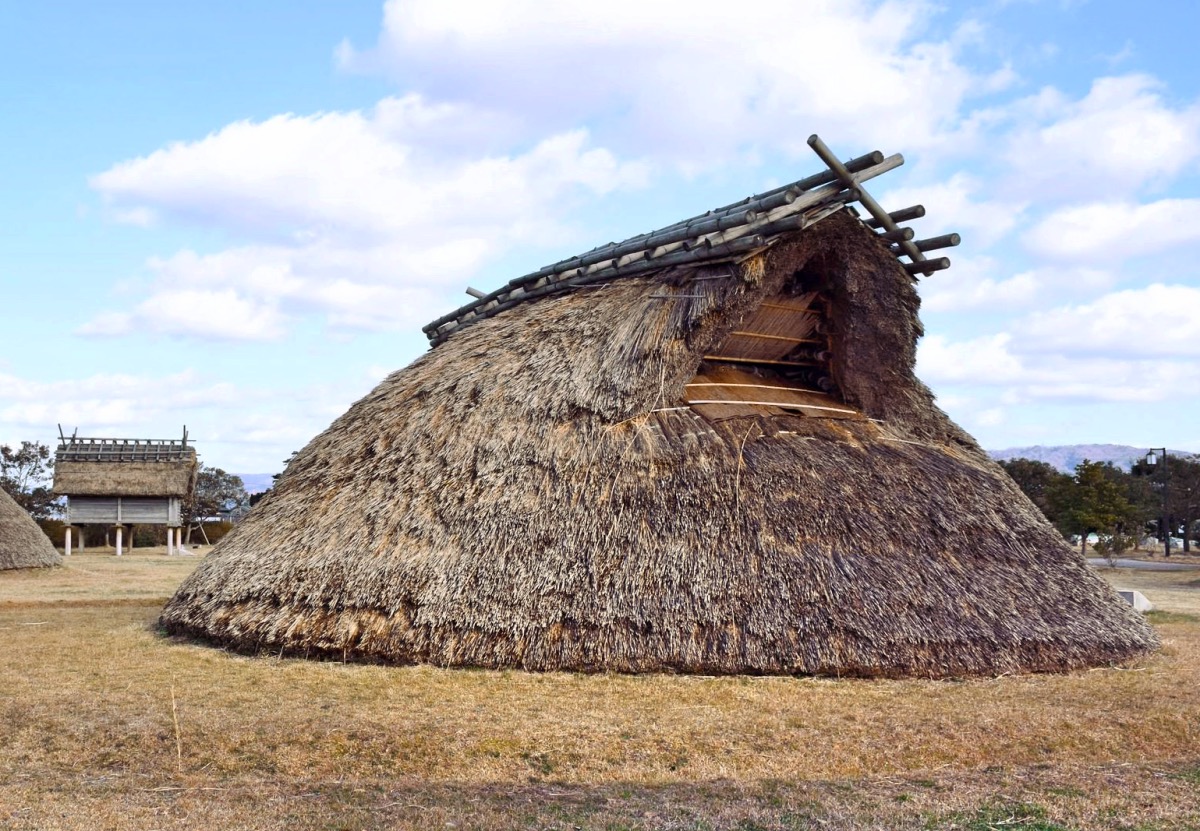
Yoshizaki-Suba Site
Yayoi period settlement remains, Ishikawa, Japan.
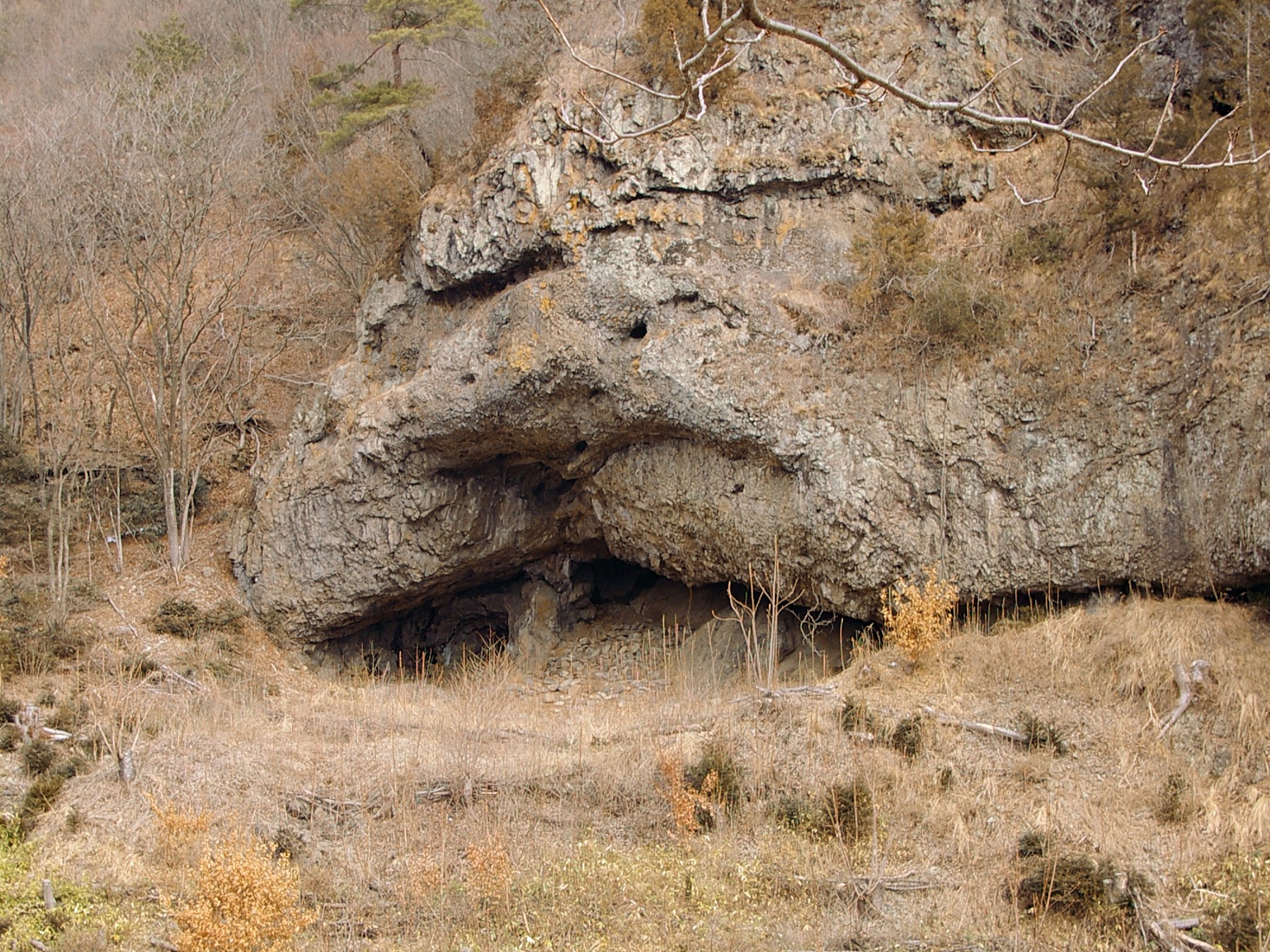
Tobayama Cave
Cave dwelling and tomb with grave goods
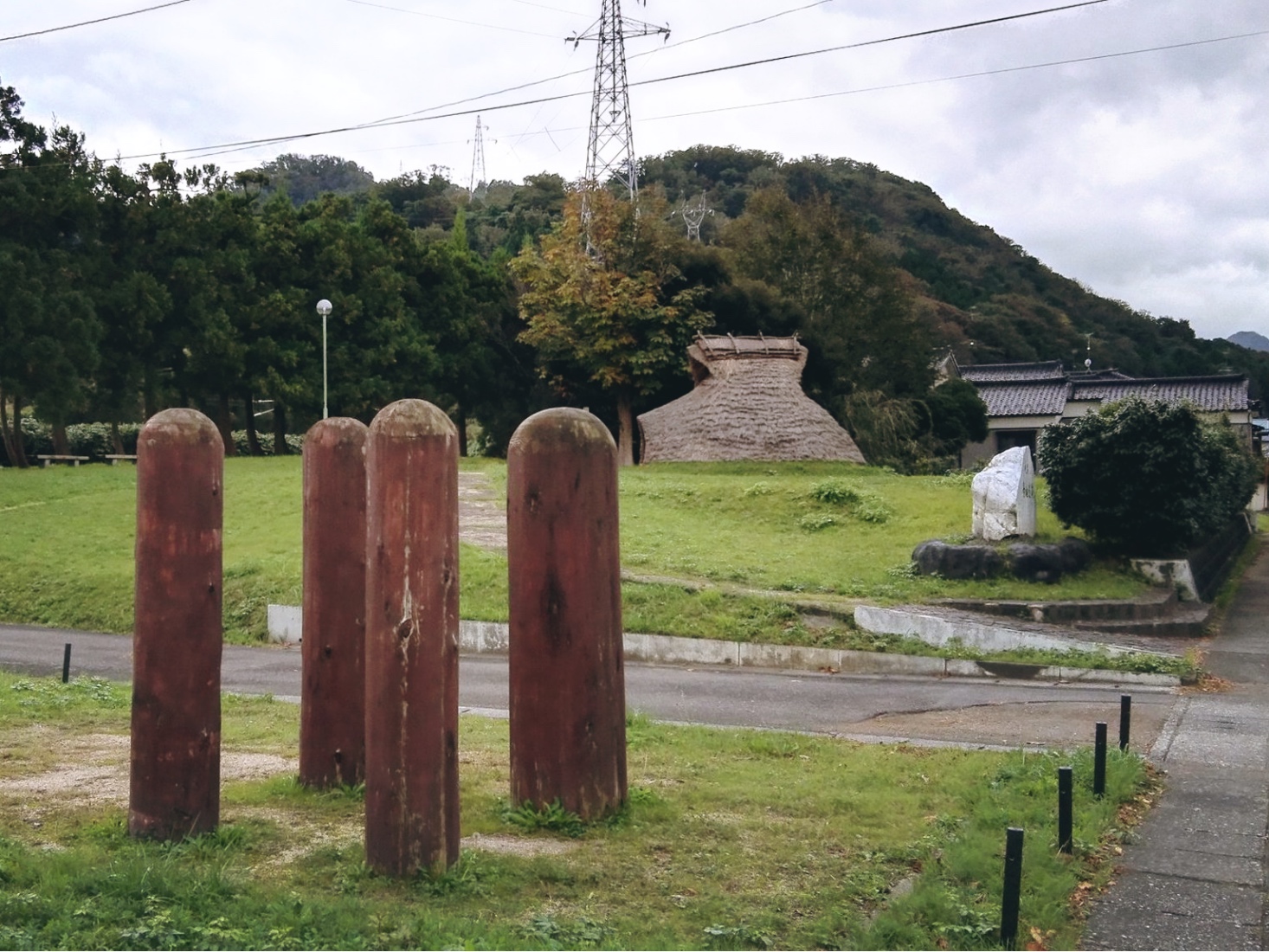
Terachi Site
Middle to late Jōmon period settlement
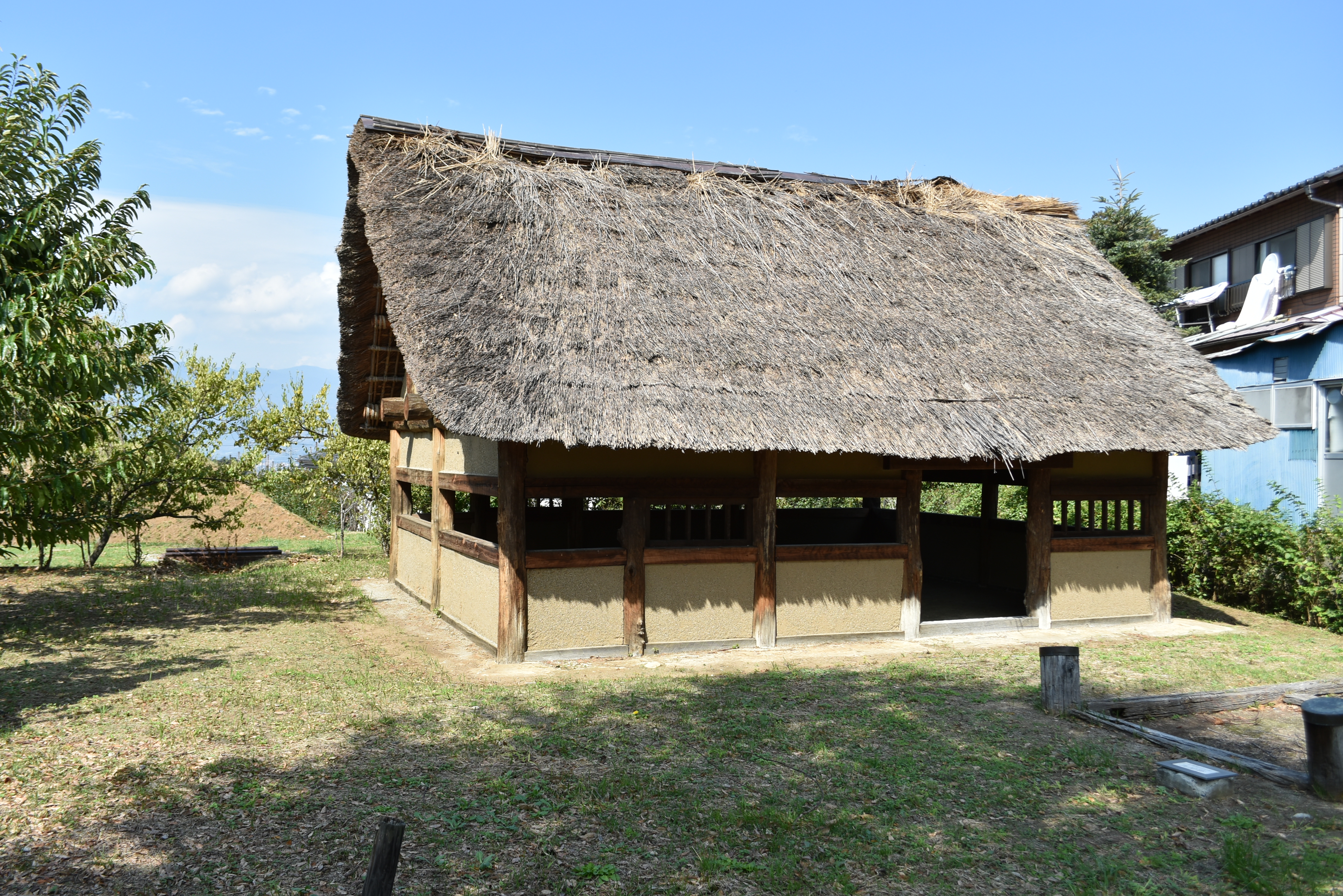
Katsunuma clan residence ruins
Sengoku period fortified residence ruins.