Explore the Map
Hanazono Site
34.7975° N, 132.8594° E
About
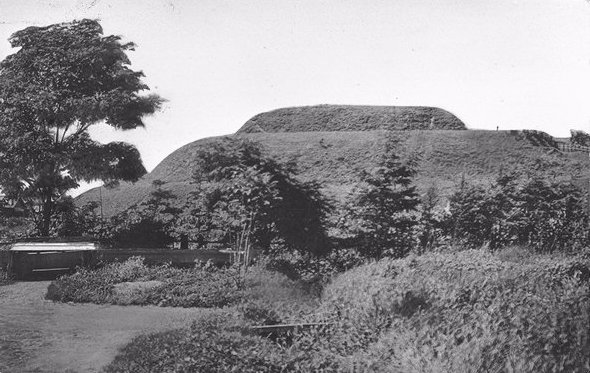
The Hanazono Site, located in the Tokaichi neighborhood of Miyoshi, Hiroshima Prefecture, Japan, is a significant archaeological site from the Yayoi period. Predominantly a necropolis, the site features a series of trapezoidal burial mounds and square grooved tombs situated on the northern slopes of a hill at an elevation of 190 meters. The site comprises several distinct burial mounds, with Burial Mound No. 1 being the largest, measuring 32 meters by 18 meters, and containing a variety of burial types including direct burials, stone-lined chambers, and stone sarcophagi. The presence of these burial structures indicates complex funerary practices during the middle to late Yayoi period, spanning from the 3rd century BCE to the 3rd century CE. The Hanazono Site was designated a National Historic Site of Japan in 1978, underscoring its archaeological importance.
Historical Timeline
Journey through time and discover key events in this site's history
Yayoi period burial construction
3rd century BCE to 3rd century CE
Archaeological Features
Unique architectural and cultural elements found at this historical site
Burial and Funerary Structures
Frequently Asked Questions
Plan Your Visit
Tours, travel arrangements, and practical information
More Sites in Japan
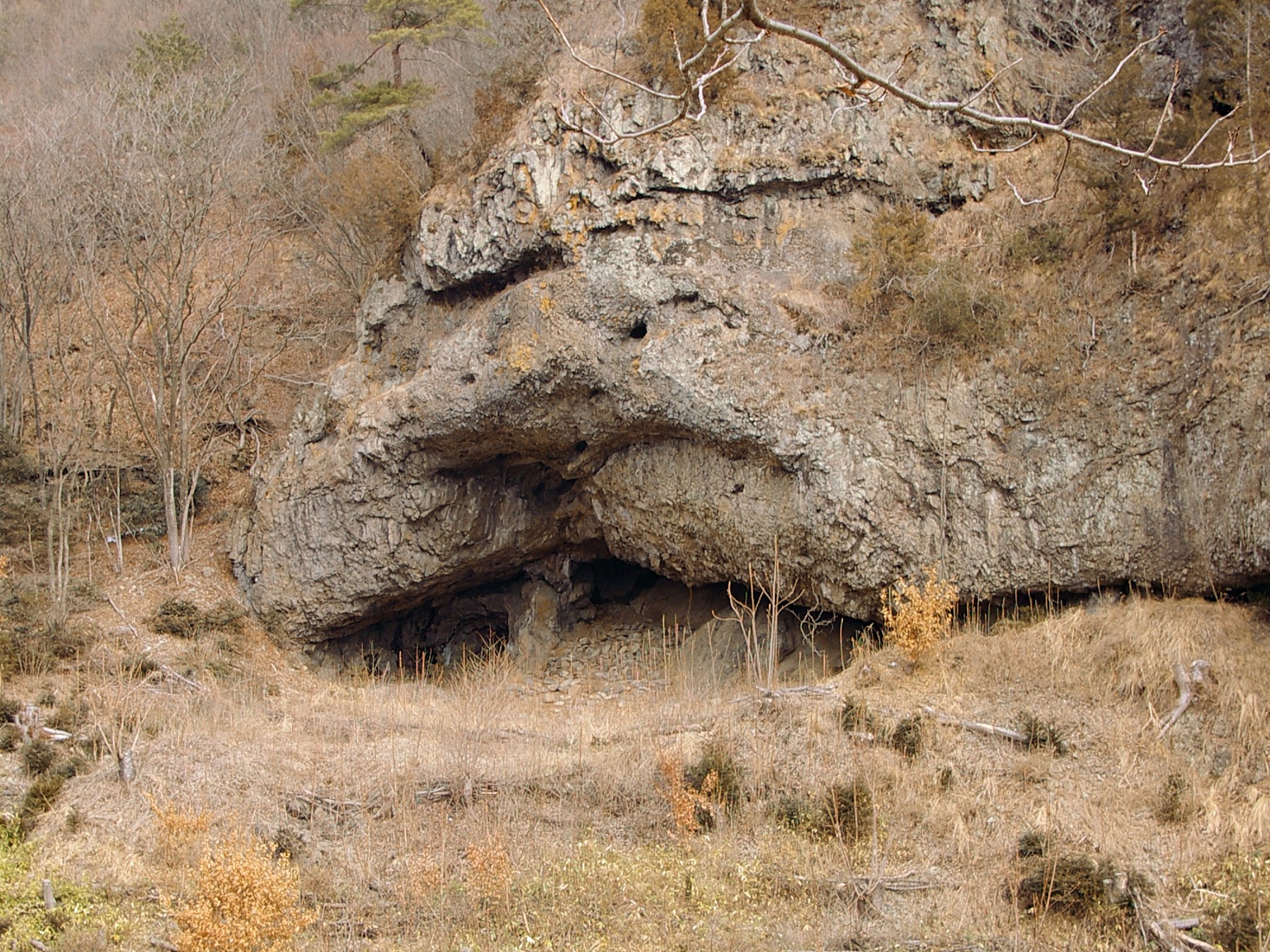
Tobayama Cave
Cave dwelling and tomb with grave goods
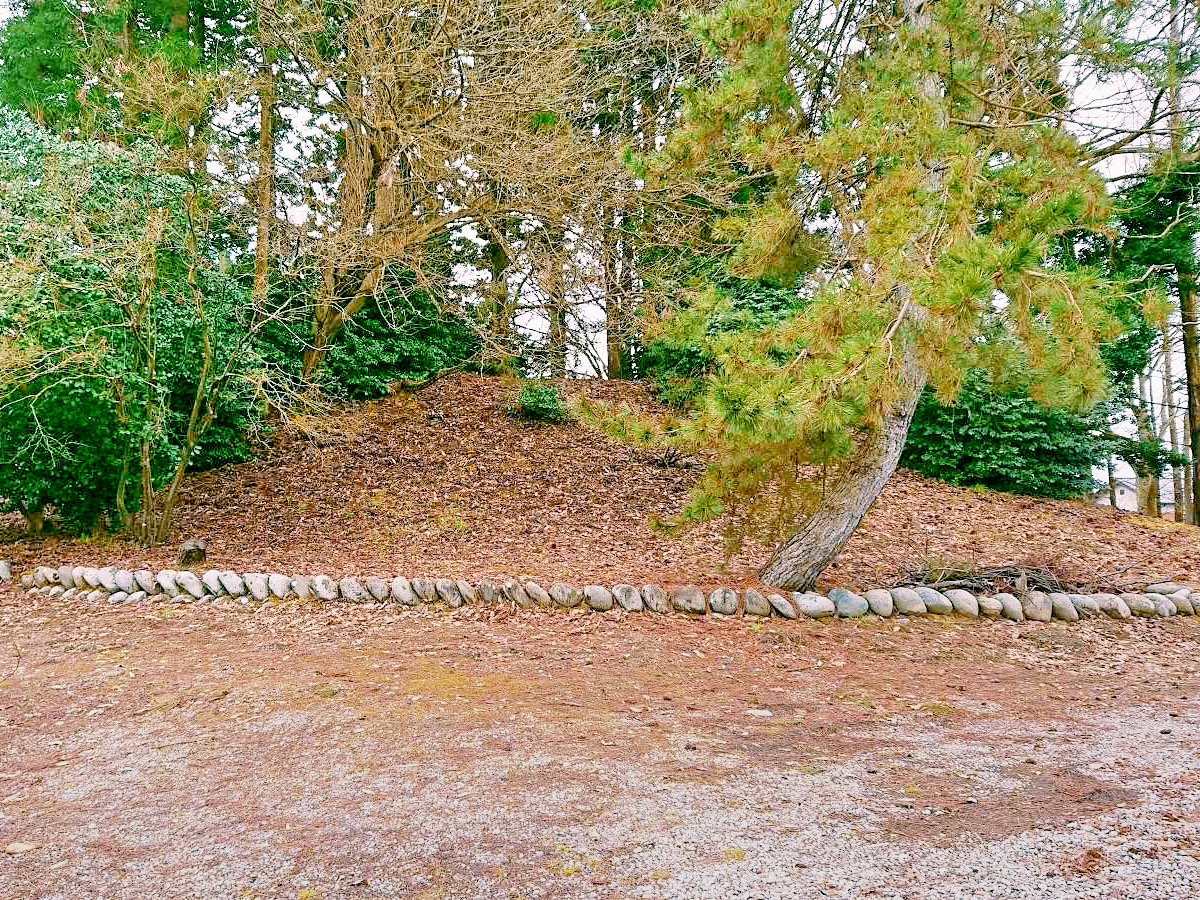
Kushidashin Site
Late Jōmon settlement with Kofun burial mounds.
Mangyō Site
Late Yayoi–Early Kofun settlement, Nanao (Ishikawa), Japan
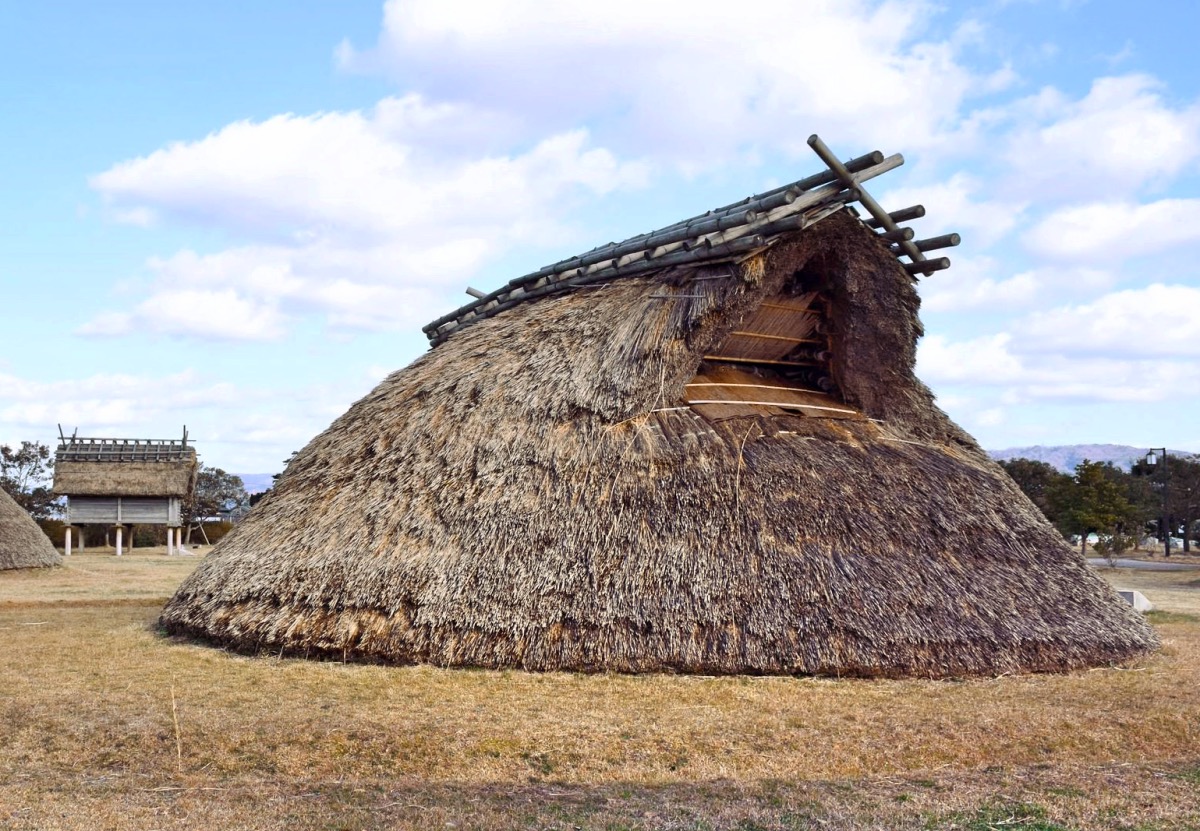
Yoshizaki-Suba Site
Yayoi period settlement remains, Ishikawa, Japan.
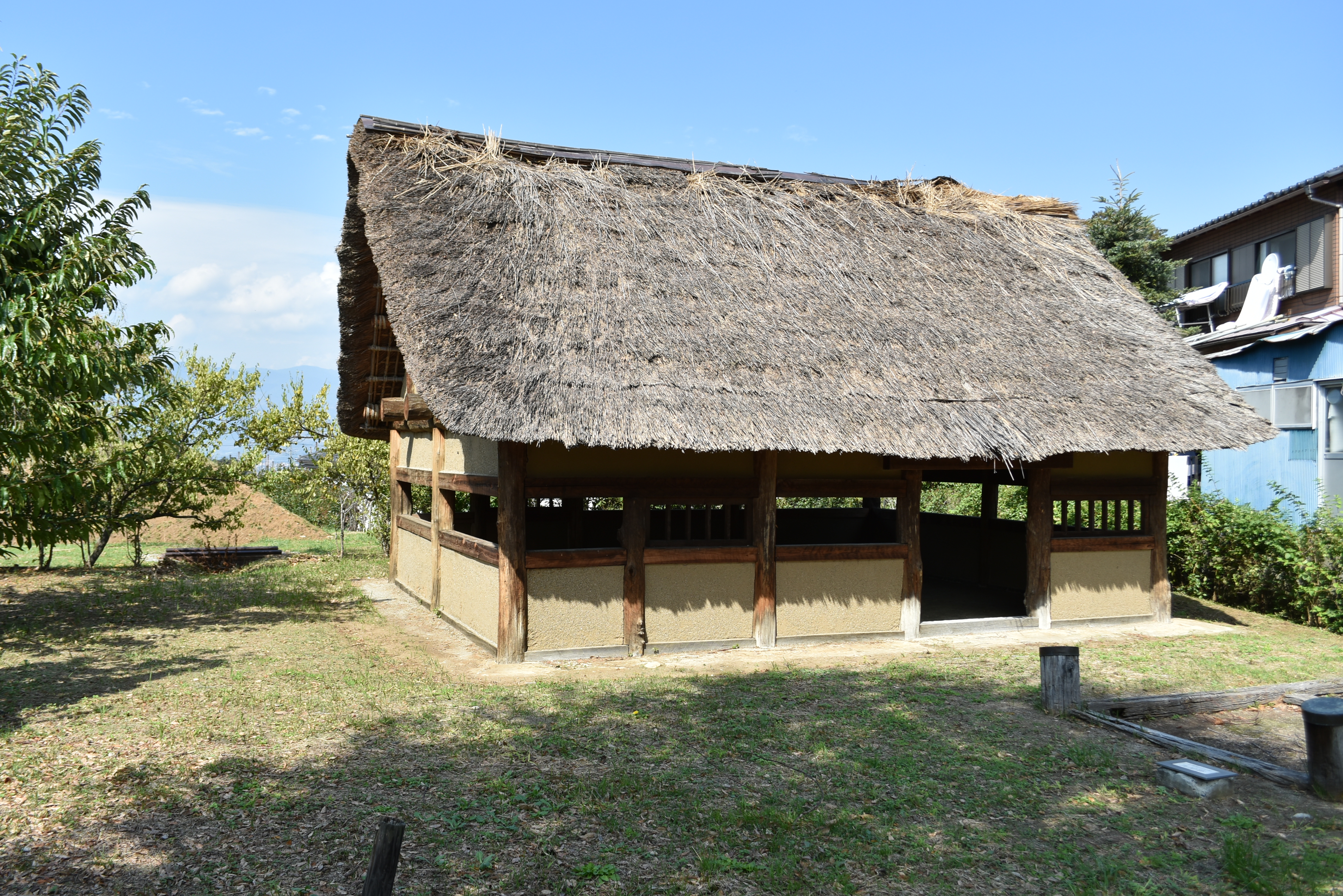
Katsunuma clan residence ruins
Sengoku period fortified residence ruins.
Moshiriya Chashi
Ainu fortified chashi on elevated site