Explore the Map
Ōnaka Site
34.7271° N, 134.8773° E
About
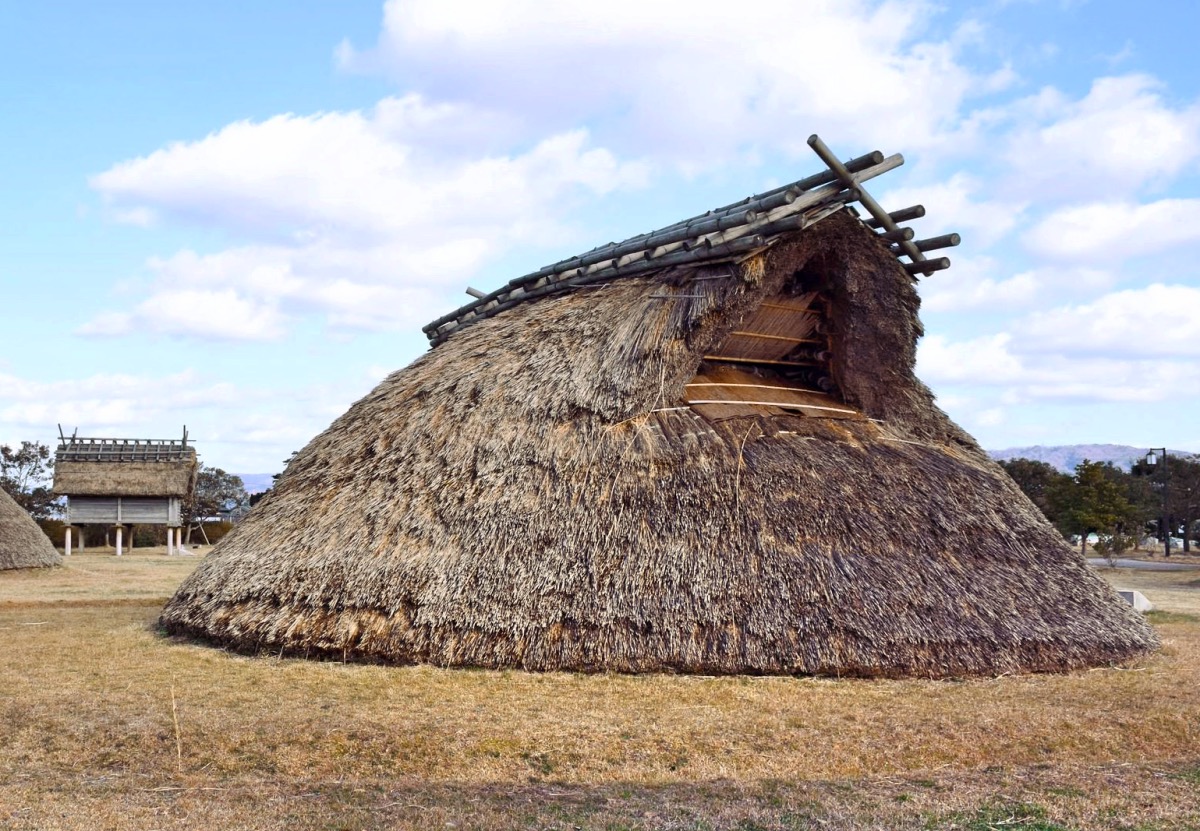
The Ōnaka site (大中遺跡, Ōnaka iseki) is an archaeological site with traces of a late Yayoi to Kofun period settlement in the town of Harima, Hyōgo Prefecture, in the Kansai region of Japan. The site was designated a National Historic Site in 1967.
Historical Timeline
Journey through time and discover key events in this site's history
Prefectural museum incorporated
13 October 2007
Site discovery by students
24 June 1962
Railway finds
1923
First excavation
December 1962
Ongoing excavation program
1962–2003
National Historic Site designation
1967
Park reconstructions and public opening
1974
Archaeological Features
Unique architectural and cultural elements found at this historical site
Storage Structures
Artistic and Decorative Features
Domestic and Habitation Structures
Environmental and Natural Features
Frequently Asked Questions
Plan Your Visit
Tours, travel arrangements, and practical information
More Sites in Japan
Yoshizaki-Suba Site
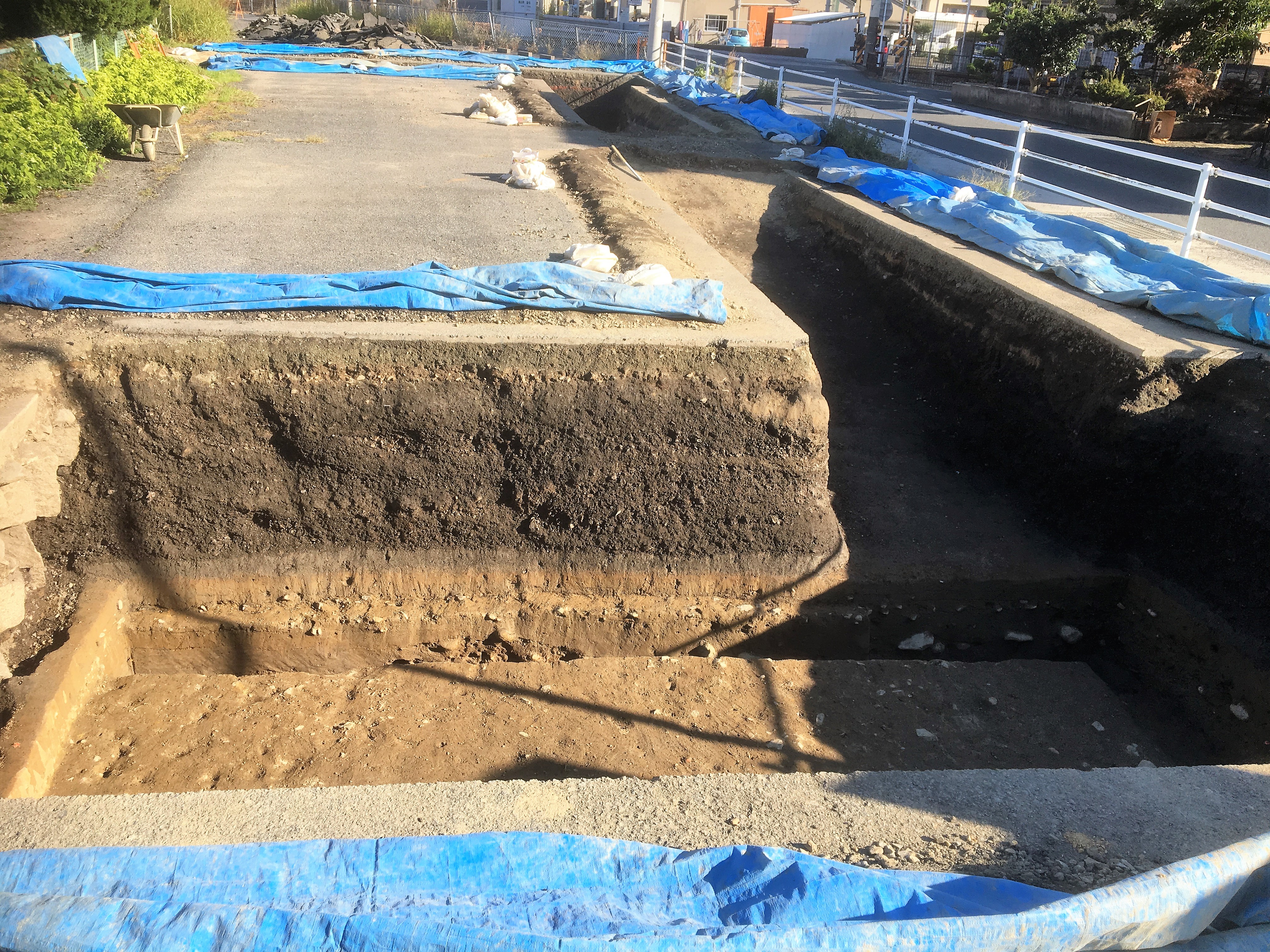
Yayoi period settlement remains, Ishikawa, Japan.
Bingo Provincial Capital
Ruins of ancient provincial capital structures
Katsunuma clan residence ruins
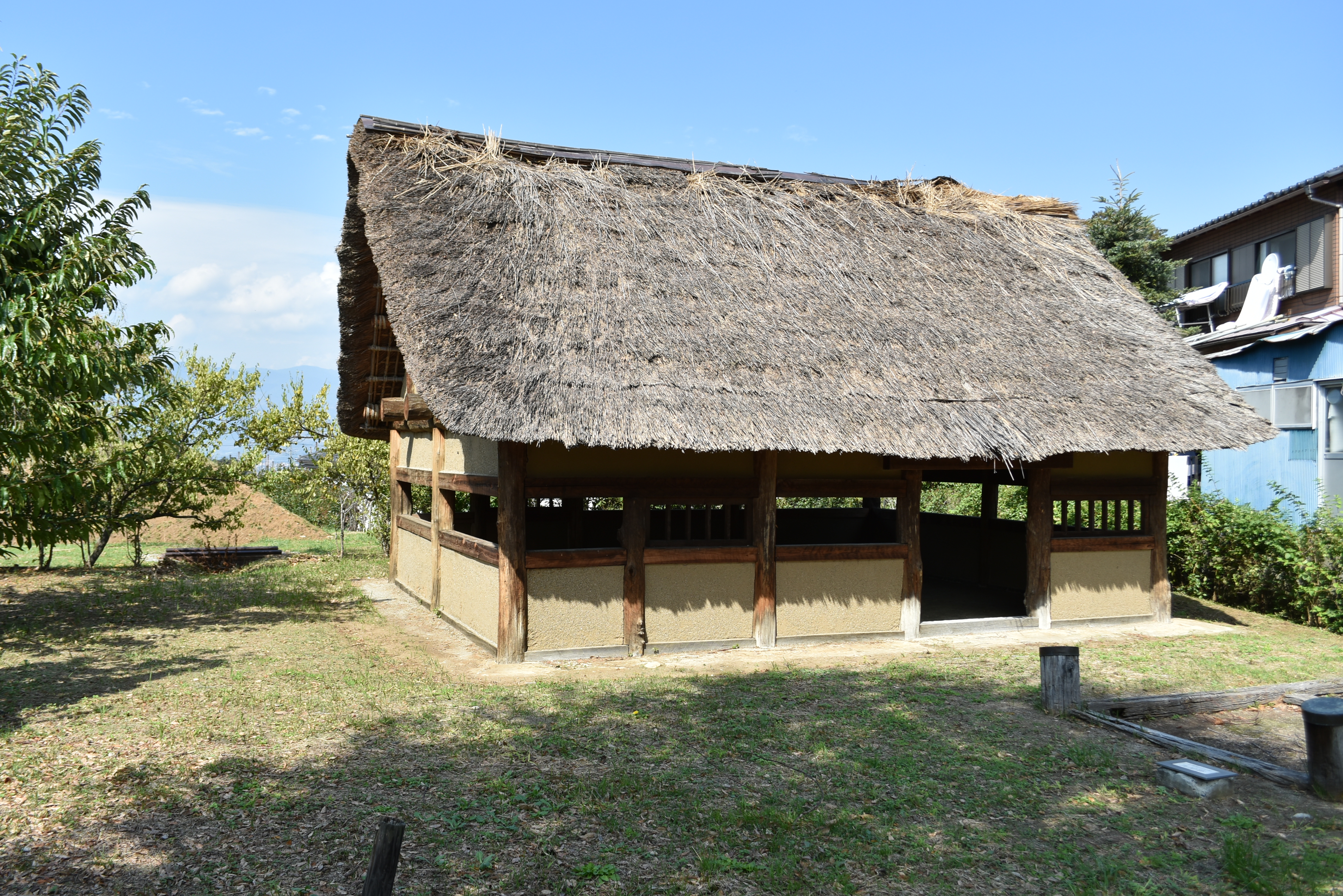
Sengoku period fortified residence ruins.
Mangyō Site
Late Yayoi–Early Kofun settlement, Nanao (Ishikawa), Japan
Binmanji Ishibotokedani Necropolis
Medieval Japanese necropolis with 1600 tombs.
Tobayama Cave
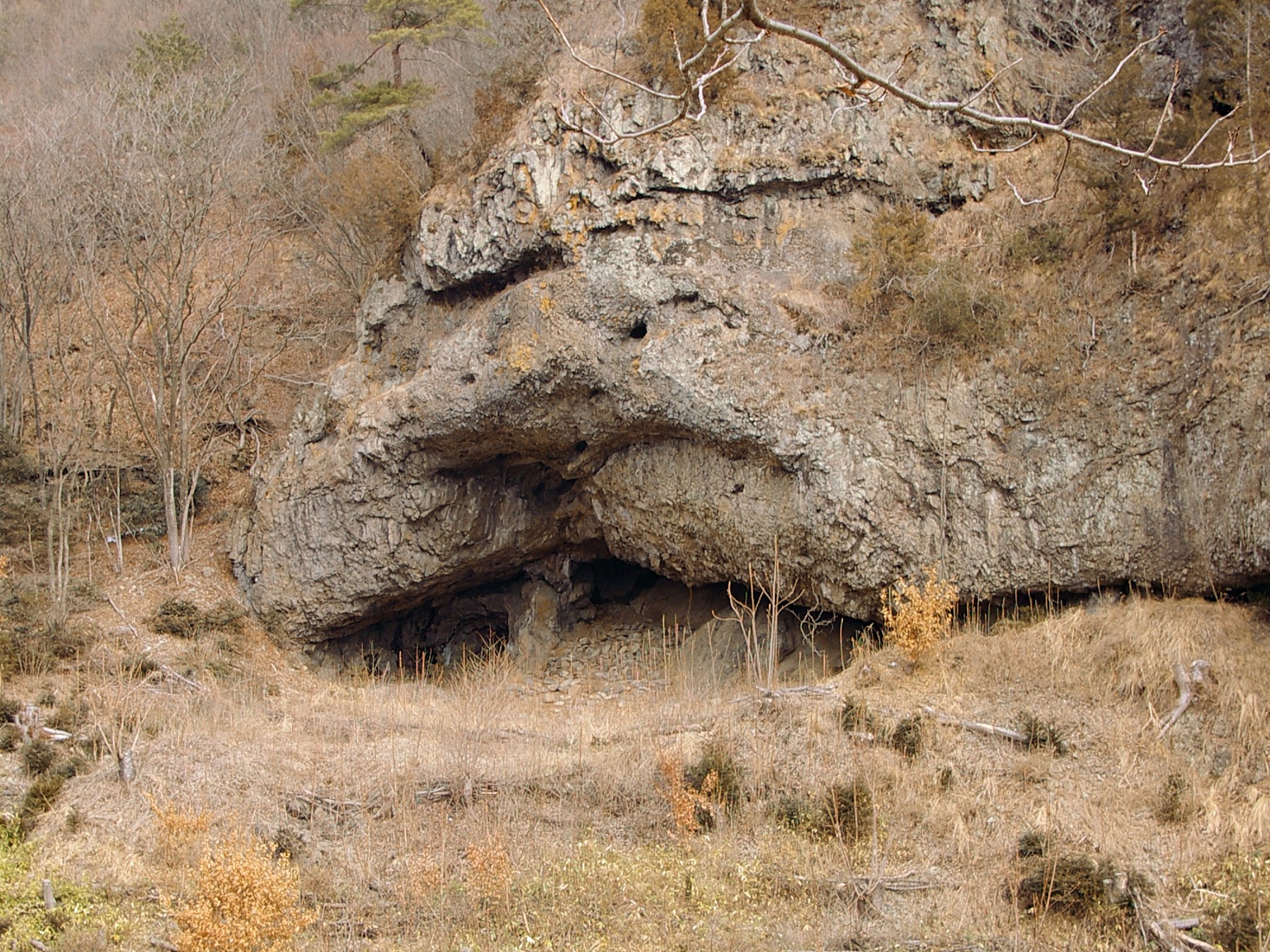
Cave dwelling and tomb with grave goods