Explore the Map
Sanuki Kokufu
34.2936° N, 133.9184° E
About
The Sanuki Kokufu archaeological site, located in Sakaide, Kagawa on Shikoku Island, represents the ruins of the Nara to early Heian period provincial capital of Sanuki Province. This site is a significant historical landmark designated as a National Historic Site of Japan in 2020. It reflects the administrative and architectural developments during the Taika Reform, which centralized governance following the Chinese ritsuryō system. The site reveals a structured arrangement of administrative buildings, granaries, and religious structures like temples, with evidence of continuous occupation and reconstruction from the 7th to the 13th century CE. The discovery of various building foundations, granaries, and wells provides insight into the evolution of provincial capitals in ancient Japan, highlighting the transition from centralized governance to feudalism.
Historical Timeline
Journey through time and discover key events in this site's history
Middle 7th Century Developments
7th century CE
Establishment of Sanuki Provincial Capital
645 CE
Middle 8th to 11th Century Developments
8th to 11th century CE
11th to 13th Century Developments
11th to 13th century CE
Archaeological Features
Unique architectural and cultural elements found at this historical site
Storage Structures
Water Management Features
Public and Civic Structures
Religious and Ritual Structures
Domestic and Habitation Structures
Frequently Asked Questions
Plan Your Visit
Tours, travel arrangements, and practical information
More Sites in Japan
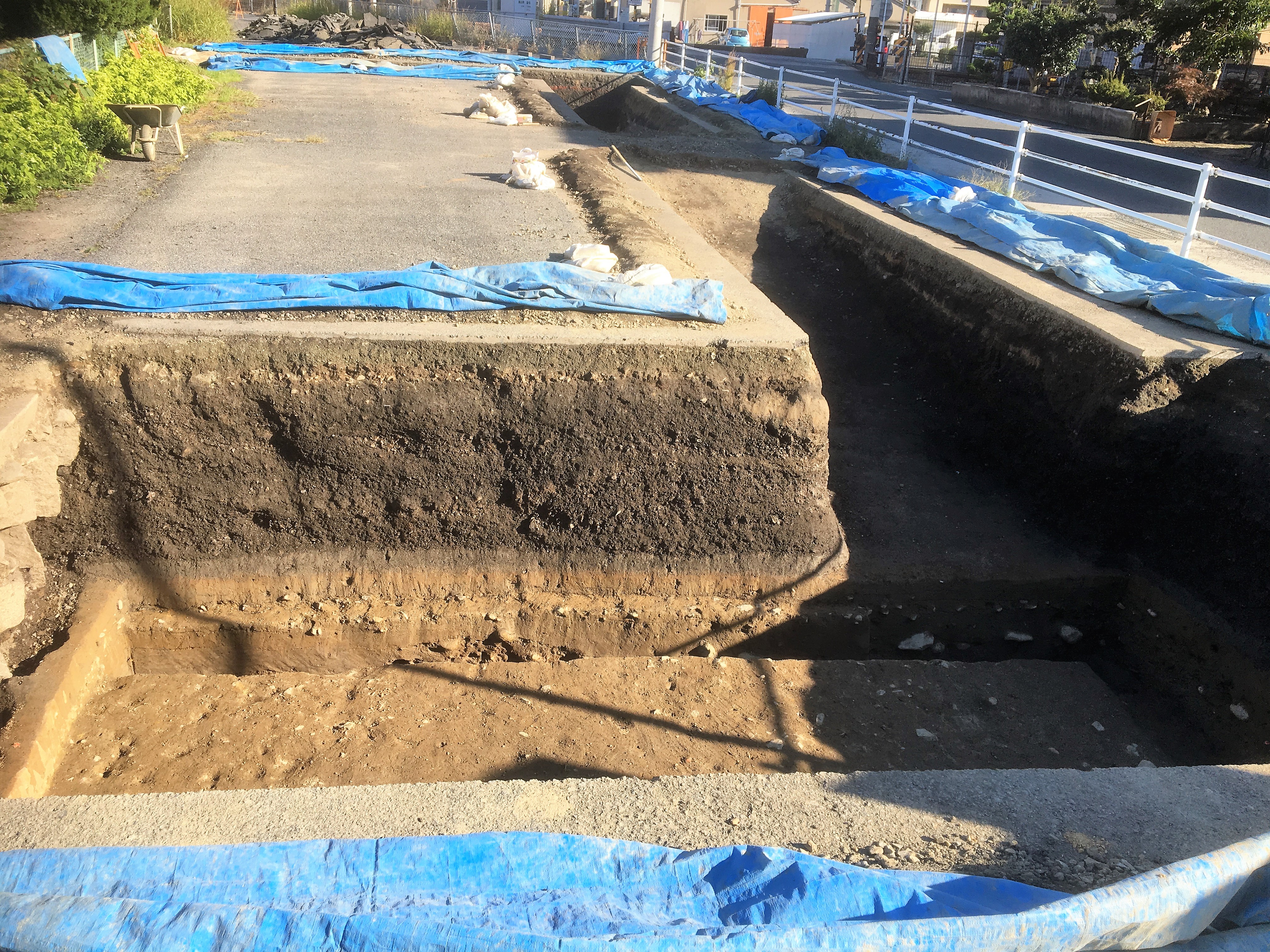
Bingo Provincial Capital
Ruins of ancient provincial capital structures

Komaru Castle
Sengoku period castle with moats and ramparts.
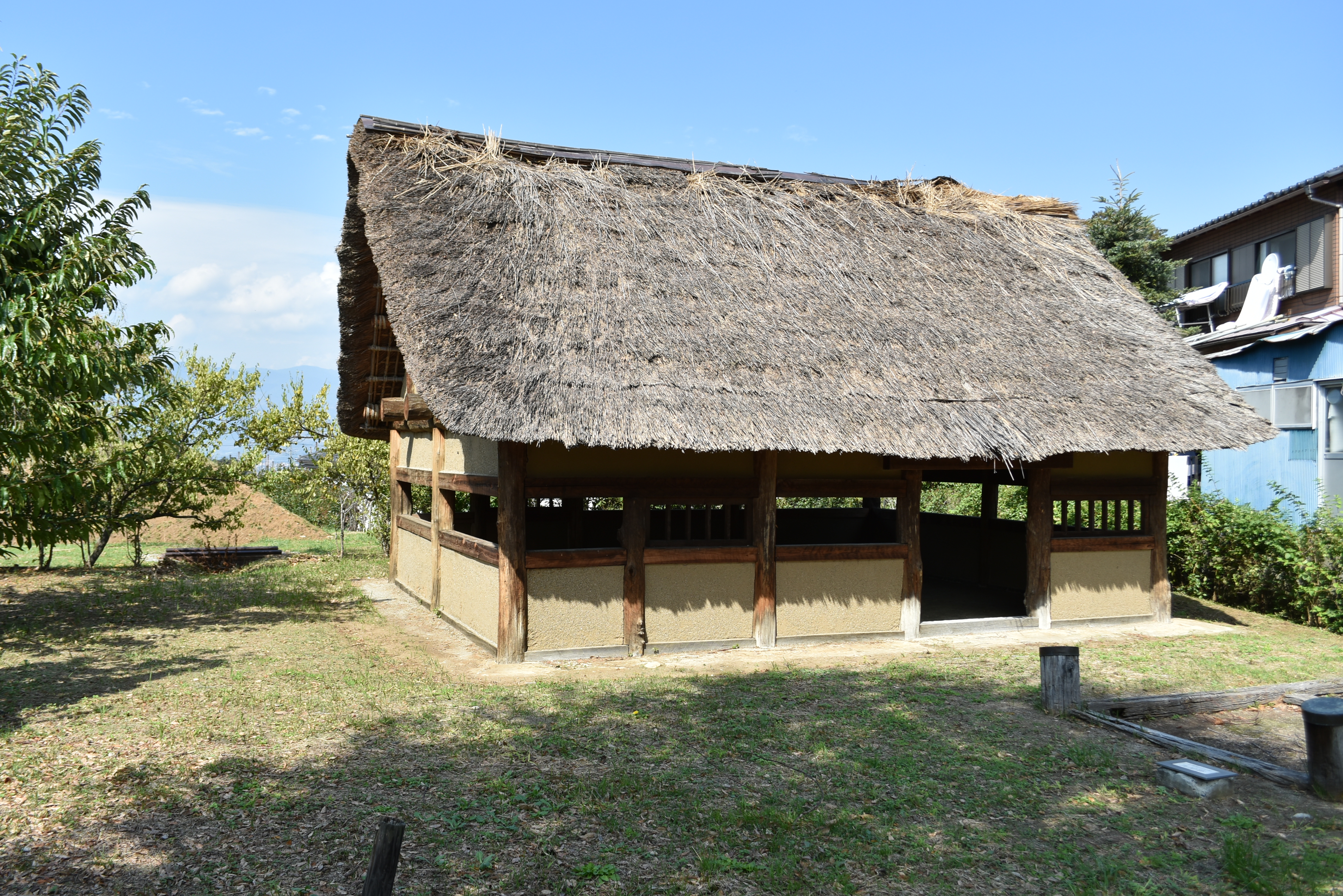
Katsunuma clan residence ruins
Sengoku period fortified residence ruins.
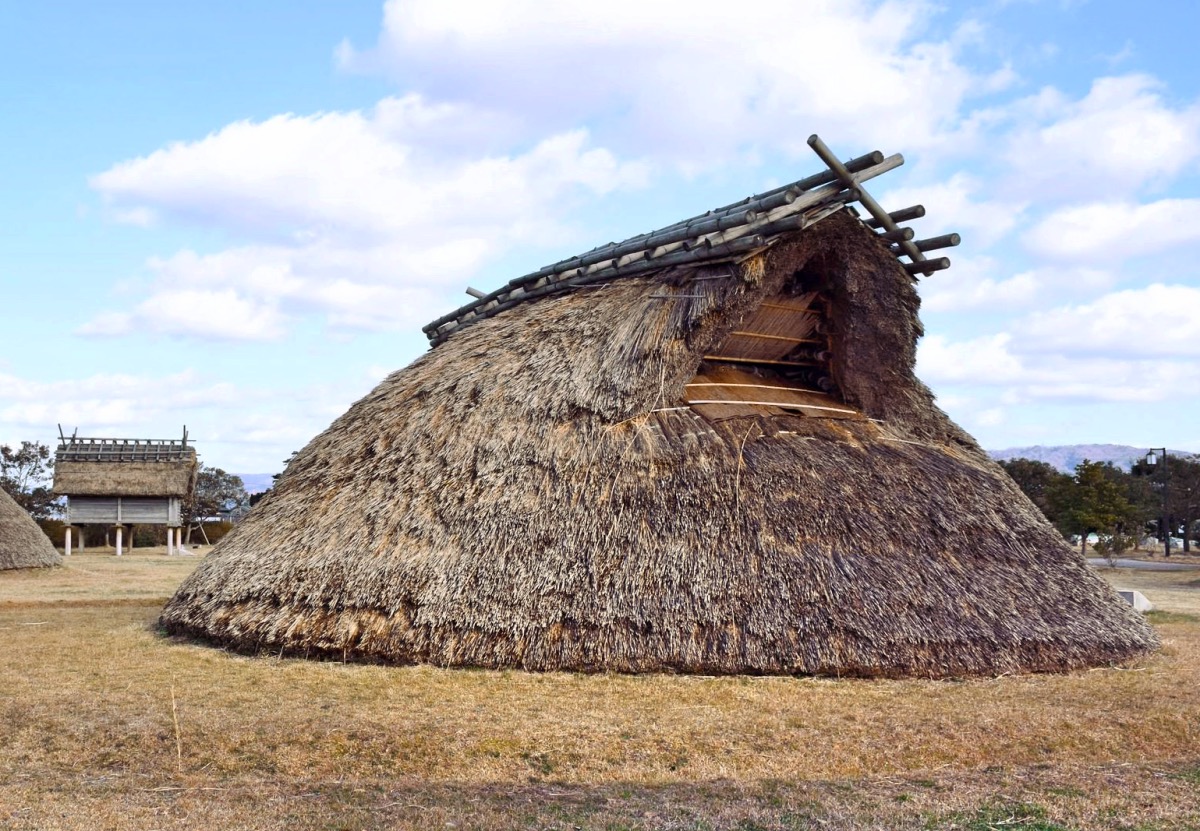
Yoshizaki-Suba Site
Yayoi period settlement remains, Ishikawa, Japan.
Furushida-Higashi ruins
Heian period fortified residence with moat.
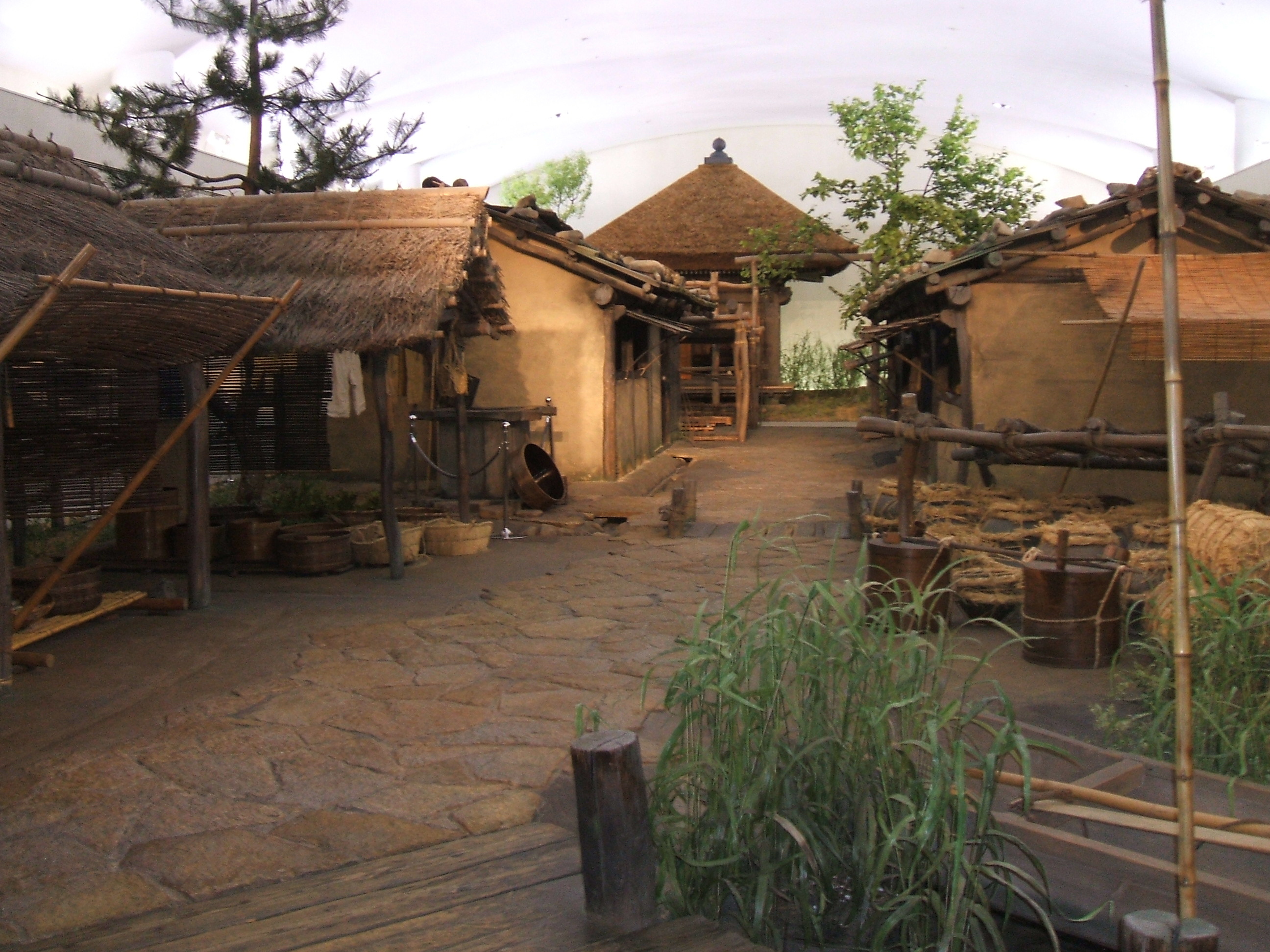
Kusado Sengen
Medieval port town near Ashida River