Explore the Map
Yamamoto Site
38.2242° N, 139.4800° E
About
The Yamamoto ruins in Murakami, Niigata, Japan, represent a significant archaeological site from the Yayoi period, distinguished as the most northerly moated hilltop settlement discovered from this era. Situated 40 meters above sea level, the site spans about 20,000 square meters and comprises a residential area and a separate burial ground. Key features include the remains of one pit dwelling, a trapezoidal defensive moat, and 17 graves, four of which contained earthenware coffins. Artifacts such as Yayoi and Jomon pottery, a small iron sword, stone tools, and numerous glass beads and bronze tubes highlight the site's cultural significance. Designated a National Historic Site in 2016, the Yamamoto site offers valuable insights into the Yayoi period's social and defensive strategies.
Historical Timeline
Journey through time and discover key events in this site's history
Yayoi Settlement Established
300 BCE - 300 CE
Archaeological Features
Unique architectural and cultural elements found at this historical site
Defensive Structures
Burial and Funerary Structures
Domestic and Habitation Structures
Frequently Asked Questions
Plan Your Visit
Tours, travel arrangements, and practical information
More Sites in Japan
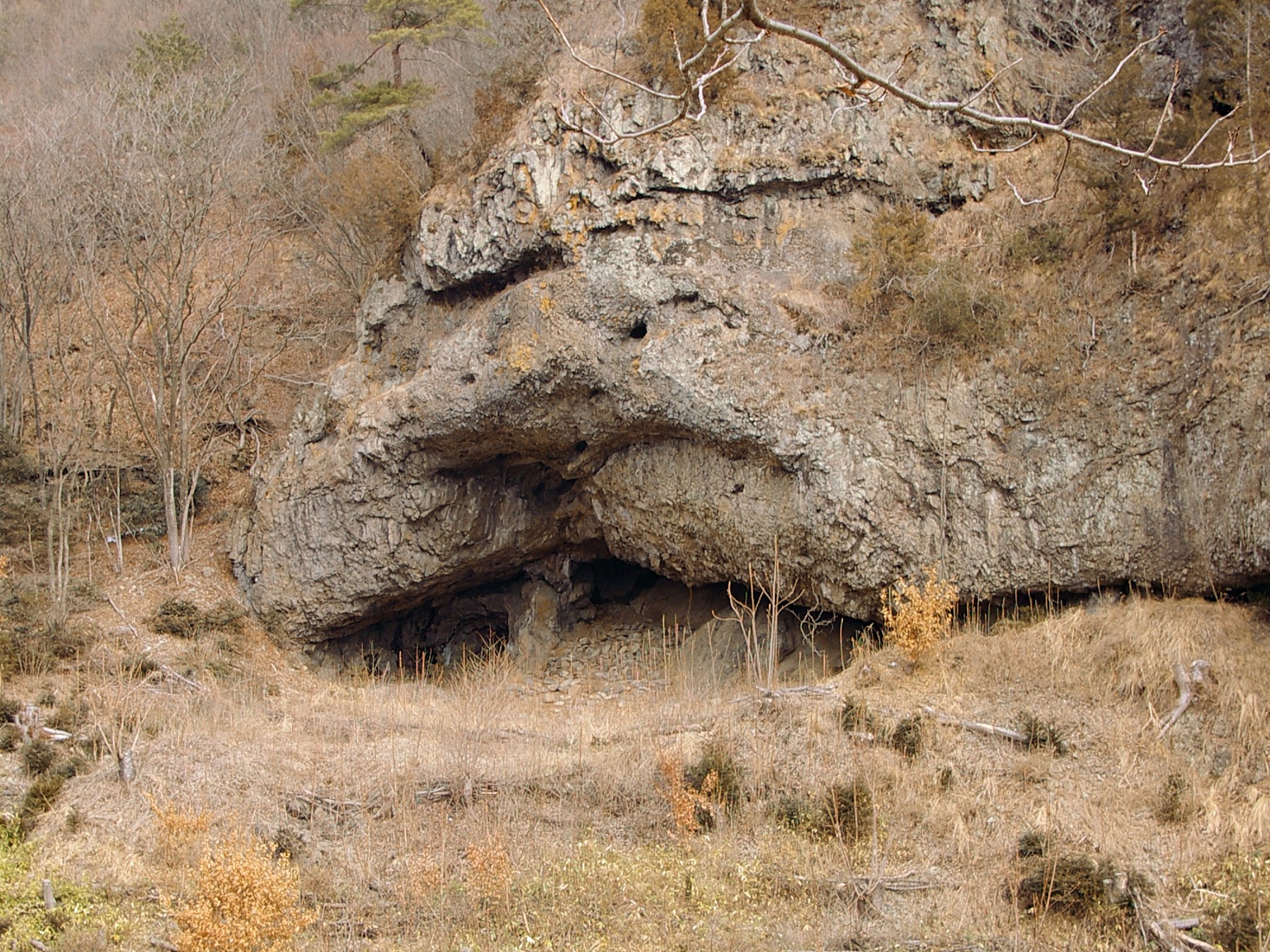
Tobayama Cave
Cave dwelling and tomb with grave goods
Mangyō Site
Late Yayoi–Early Kofun settlement, Nanao (Ishikawa), Japan
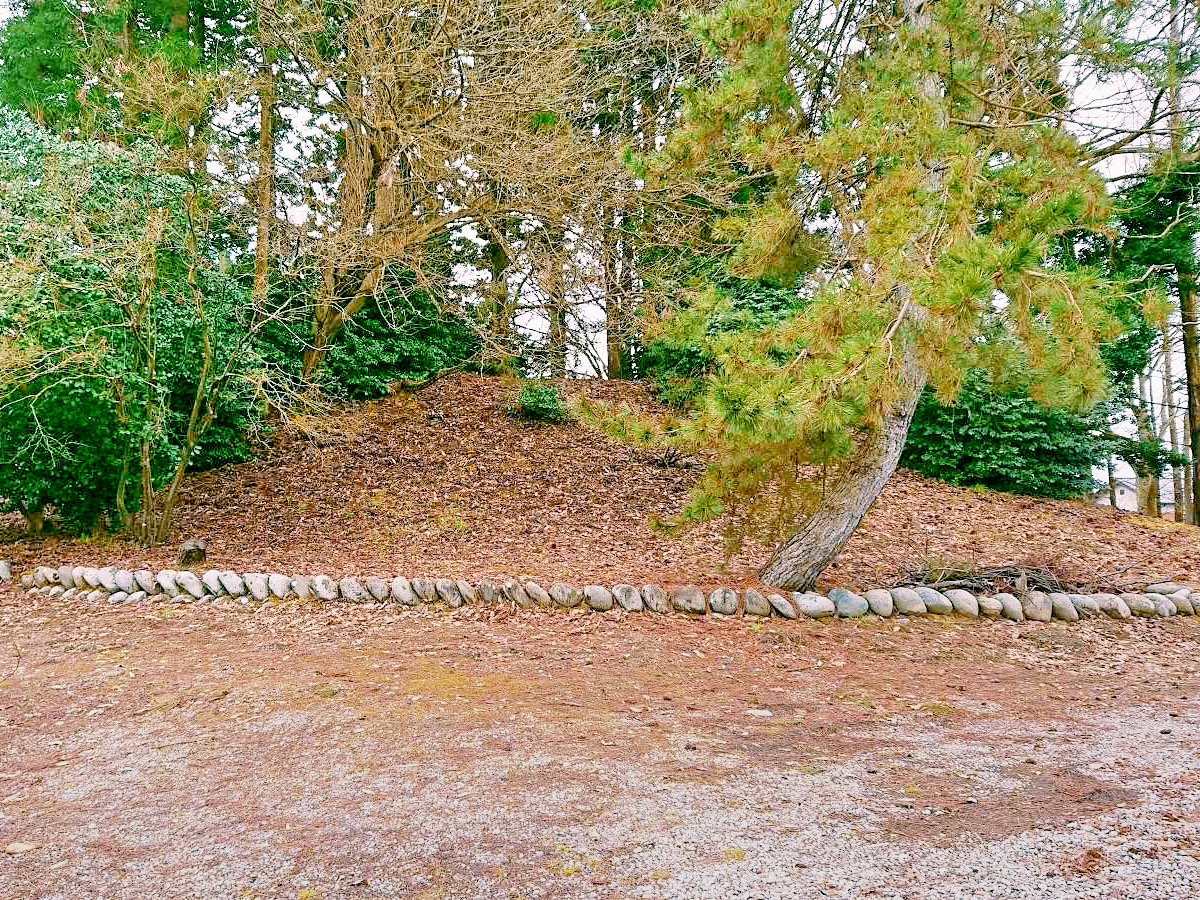
Kushidashin Site
Late Jōmon settlement with Kofun burial mounds.
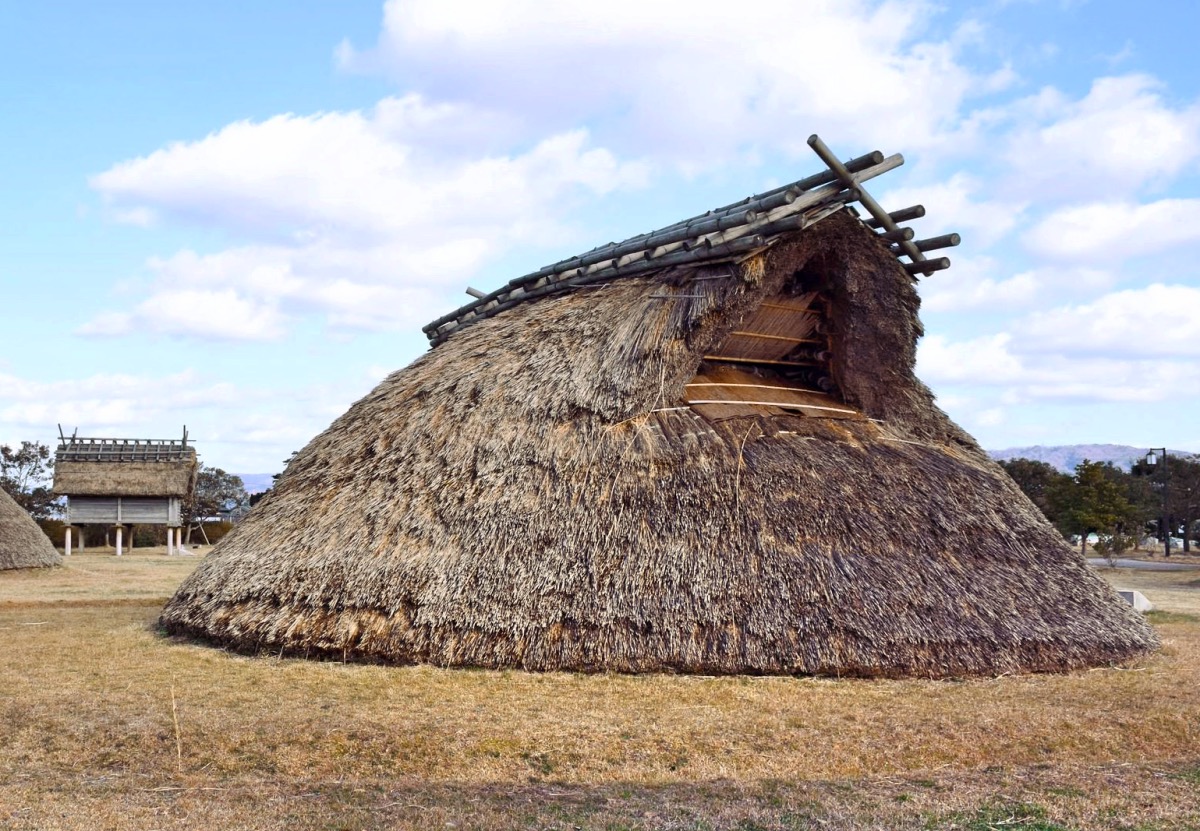
Yoshizaki-Suba Site
Yayoi period settlement remains, Ishikawa, Japan.

Komaru Castle
Sengoku period castle with moats and ramparts.
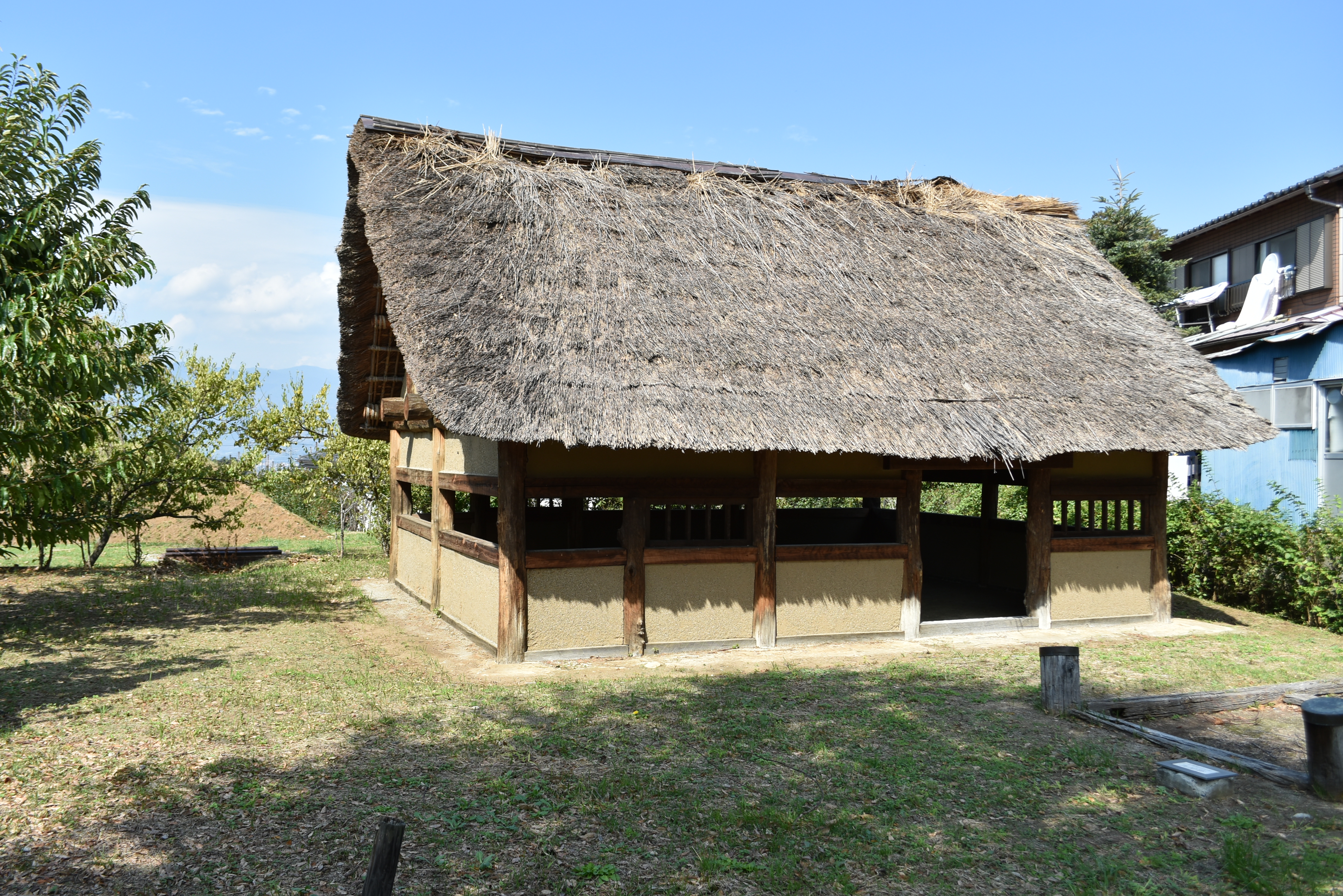
Katsunuma clan residence ruins
Sengoku period fortified residence ruins.