Explore the Map
Qasr Burqu'
32.6084° N, 37.9624° E
About
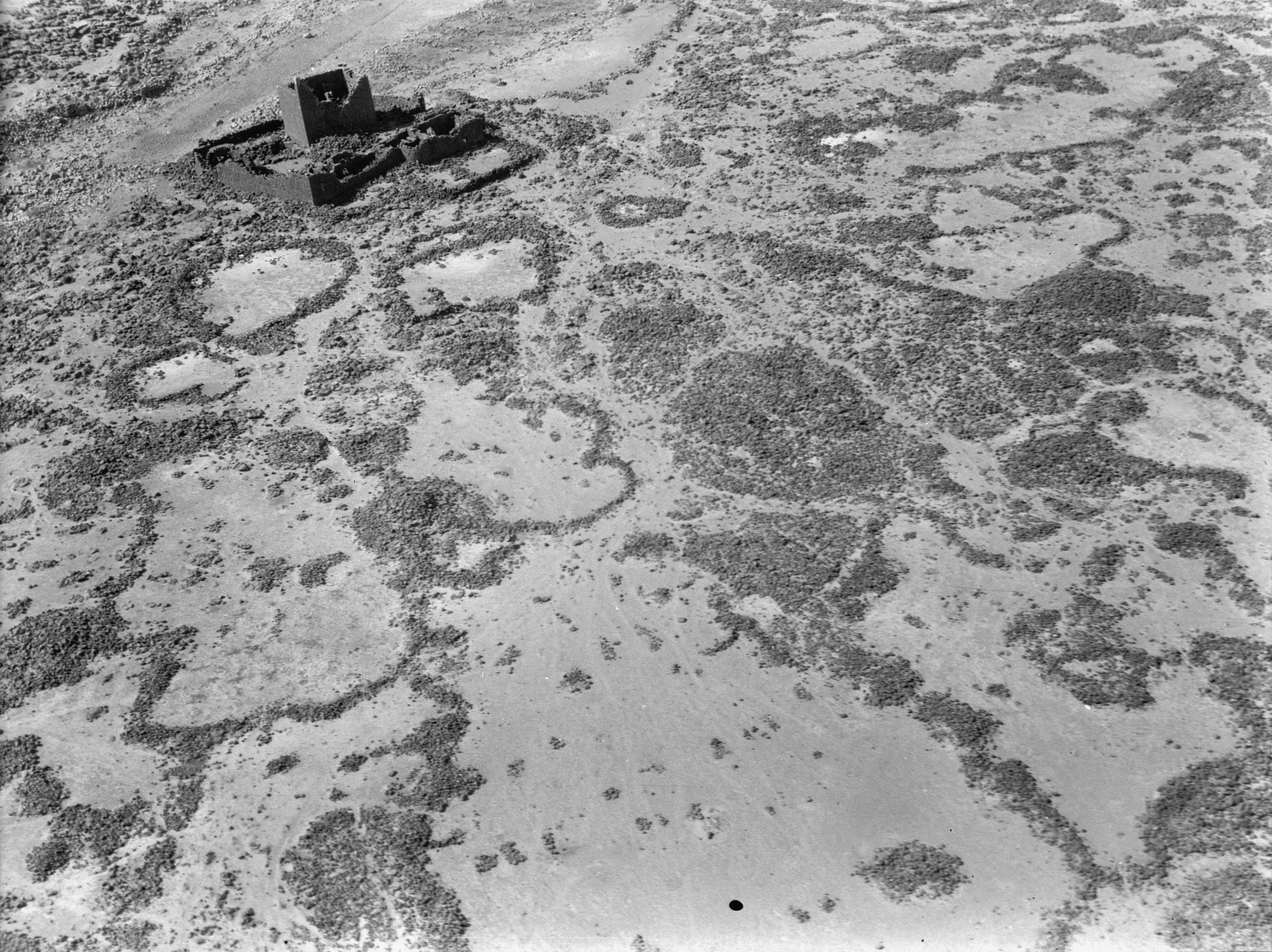
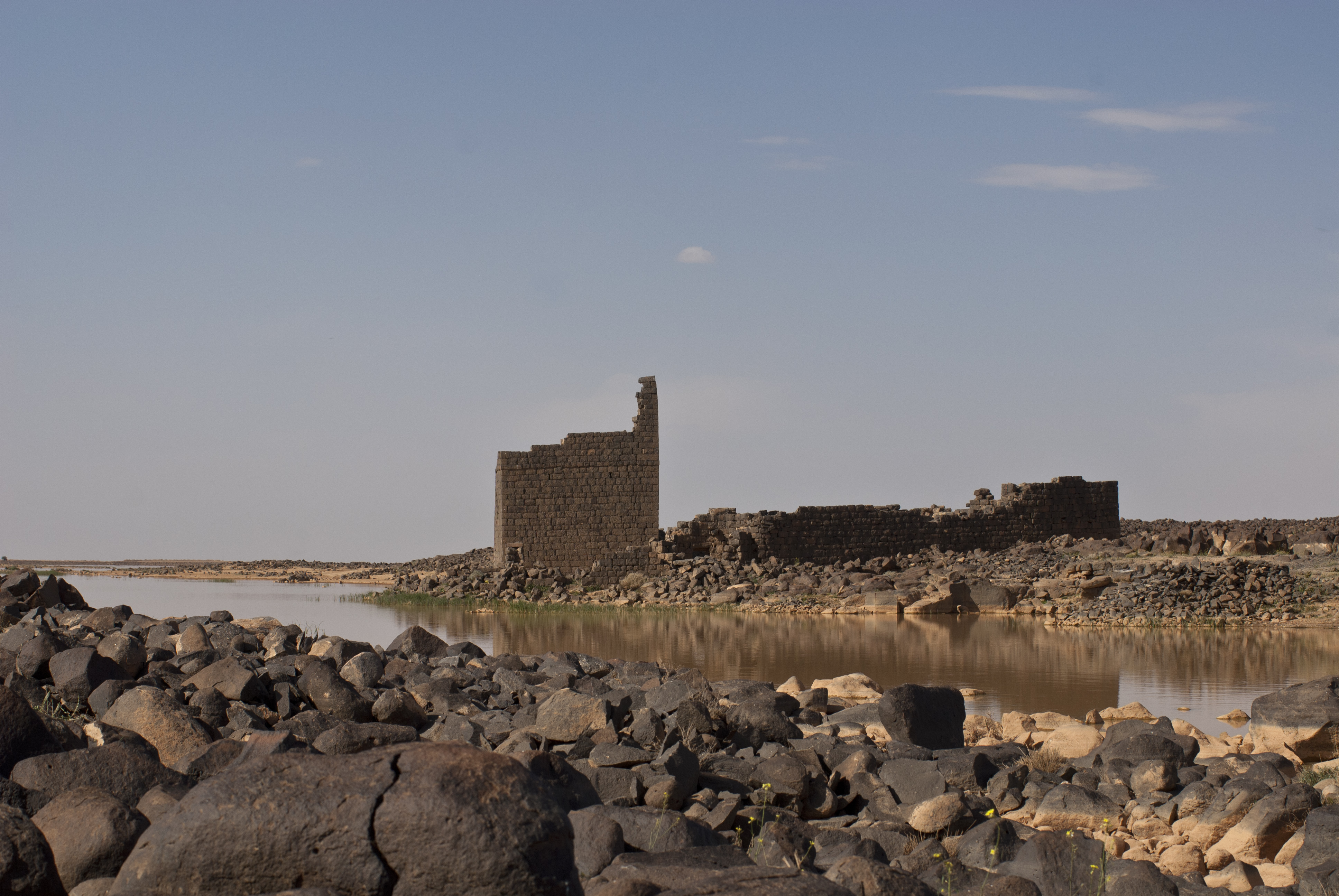
Qasr Burqu' is a significant archaeological site in the eastern Jordanian badia, characterized by its diverse historical layers. Initially, it served as a pastoral site in the Late Neolithic period, where nomadic herders utilized a natural lake. The site later saw the construction of a Roman fort, followed by a Byzantine monastery, indicating its ongoing strategic and religious importance. Under the Umayyad Caliphate, around 700 CE, the site was transformed into one of the earliest desert castles, possibly by al-Walid I, who repurposed existing structures into a palace complex. The site features a prominent Roman-origin tower, basalt enclosures for animal pens, and water management systems, evidencing its adaptation to the arid environment over millennia. Qasr Burqu' offers valuable insights into the region's transition from Neolithic pastoralism through Roman military presence to Umayyad architectural innovation.
Gallery
Explore photographs of ancient structures, artifacts, and archaeological excavations
Historical Timeline
Journey through time and discover key events in this site's history
Roman fort establishment
1st-5th century CE
Late Neolithic occupation
7th–6th millennium BCE
Byzantine monastery construction
6th century CE
Umayyad palace complex formation
700 CE
Archaeological Features
Unique architectural and cultural elements found at this historical site
Defensive Structures
Animal Husbandry Features
Water Management Features
Religious and Ritual Structures
Artistic and Decorative Features
Domestic and Habitation Structures
Frequently Asked Questions
Plan Your Visit
Tours, travel arrangements, and practical information
More Sites in Jordan
Tall al-Umayri
Archaeological site with temple and farms
Tall Damiyah
Iron Age mound with unique artifacts
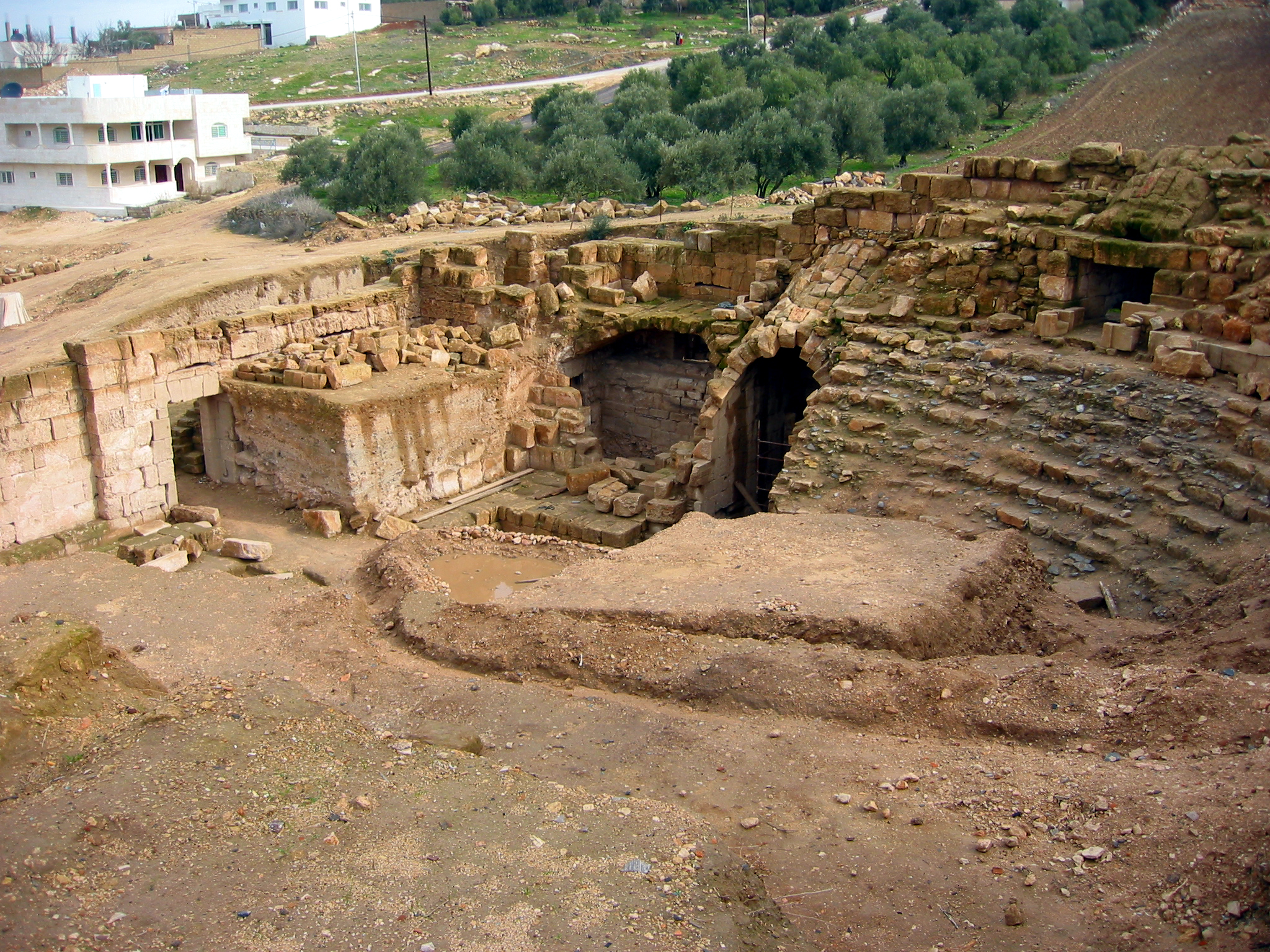
Capitolias
Ancient Roman city with minimal ruins.
Monastery of St Lot
Byzantine monastery with Bronze Age cave
Synagogue-Church at Gerasa
Byzantine synagogue converted to church
Khirbat Ataruz
Iron Age temple and settlement remains