
Explore the Map
Balasagun
42.7469° N, 75.2486° E
About
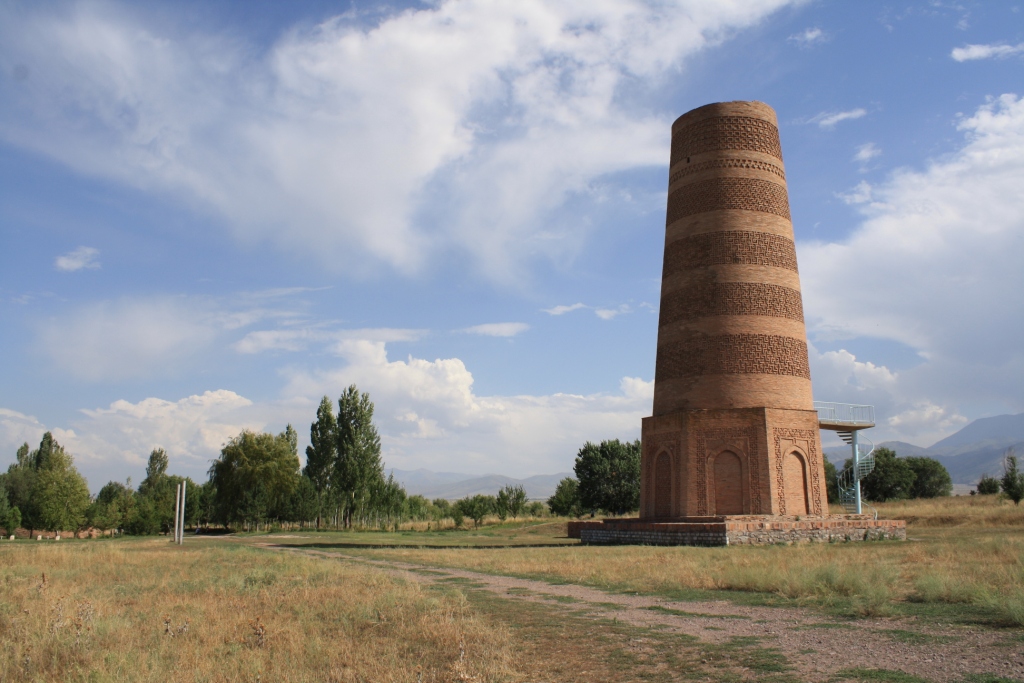
Balasagun was a significant ancient city located in the Chüy Valley of modern-day Kyrgyzstan, strategically positioned along the Silk Road. Founded by the Sogdians and later established as the capital of the Kara-Khanid Khanate in the 9th century CE, it was a major political and economic center until its decline post-Mongol conquest in the 13th century. The city is renowned for its diverse cultural heritage, evident in the remnants of Sogdian language use, a sizable Nestorian Christian population, and the construction of the Burana Tower in the 11th century. The site features a blend of domestic structures, defensive towers, and religious and artistic elements, including petroglyphs and stelae, reflecting its historical significance as a cultural and trade hub.
Gallery
Explore photographs of ancient structures, artifacts, and archaeological excavations
Historical Timeline
Journey through time and discover key events in this site's history
Founding of Balasagun
9th century CE
Capital of Kara-Khanid Khanate
10th century CE
Burana Tower Construction
11th century CE
Capture by Qara Khitai
1134 CE
Capture by Mongols
1218 CE
Archaeological Features
Unique architectural and cultural elements found at this historical site
Defensive Structures
Burial and Funerary Structures
Religious and Ritual Structures
Artistic and Decorative Features
Domestic and Habitation Structures
Frequently Asked Questions
Plan Your Visit
Tours, travel arrangements, and practical information
More Sites in Kyrgyzstan
Koshoy Korgon
Ruined mud fortress of uncertain date
Suyab
Ancient Silk Road city with diverse ruins
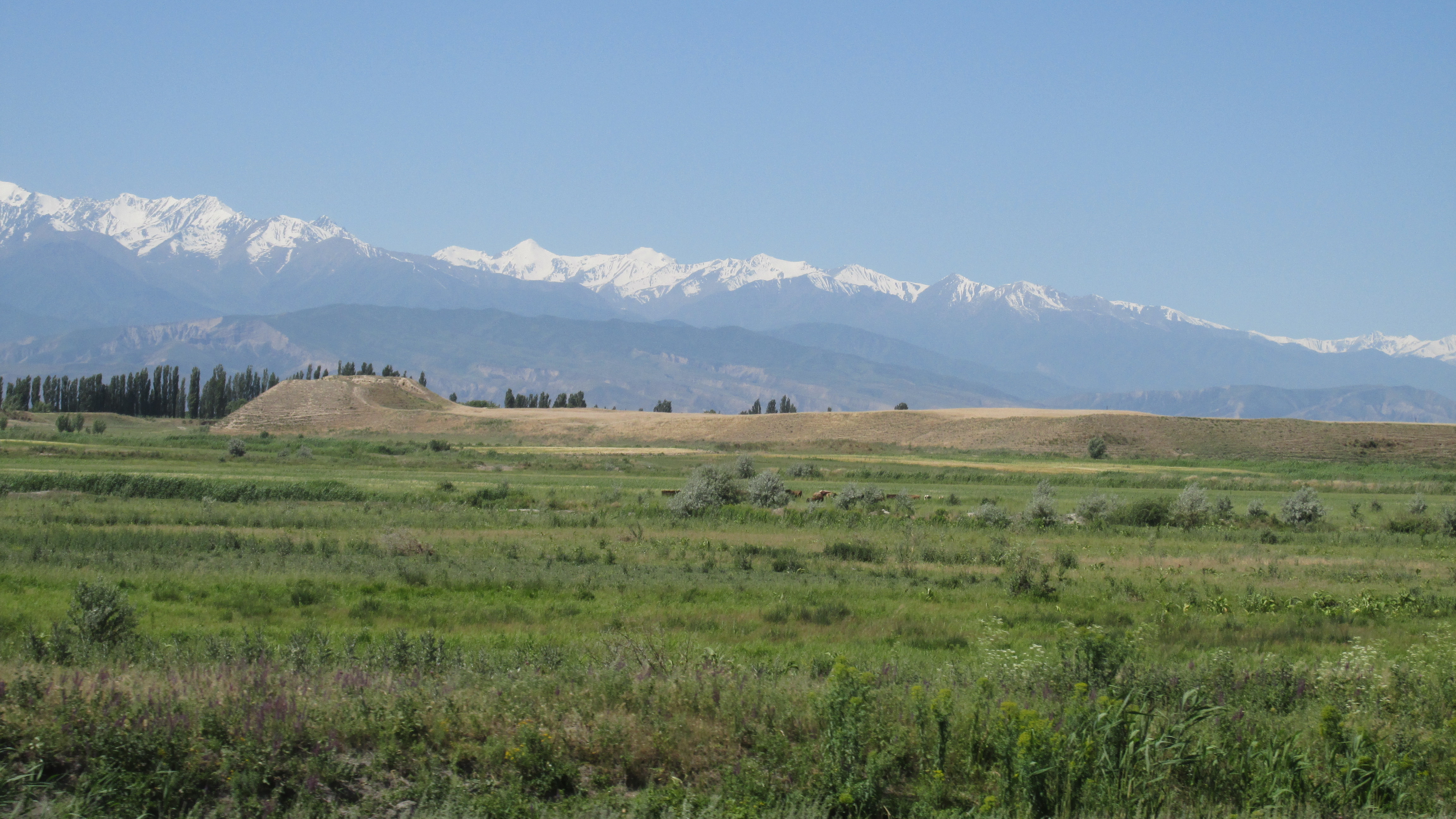
Navekat
Ancient Silk Road city with citadel.
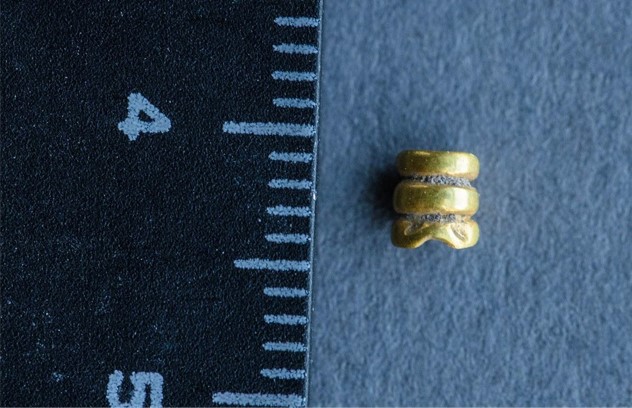
Aigyr-Zhal 2
Multiperiod site with burial mounds and artifacts
Shakh Fazil
Qarakhanid mausoleum complex, 11th century
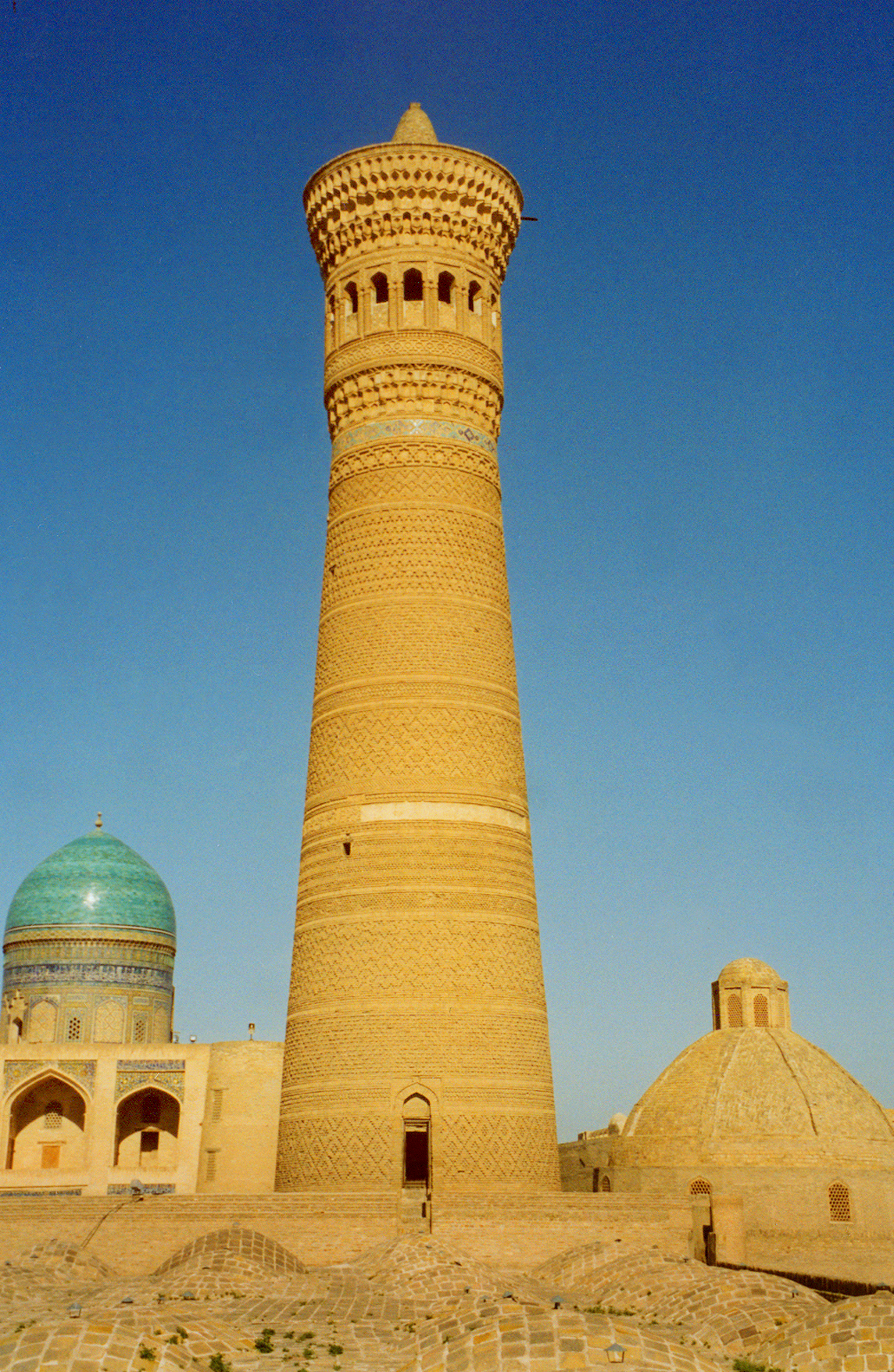
Manas Ordo
14th-century mausoleum with kufic script