
Explore the Map
Suyab
42.8052° N, 75.1999° E
About
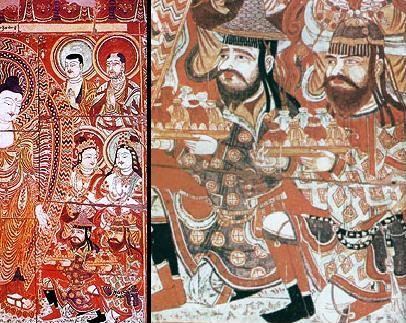
Suyab, also known as Ordukent, was a prominent Silk Road city located in present-day Kyrgyzstan. It emerged as a trading hub in the 5th and 6th centuries CE, largely driven by Sogdian merchants. The site features a blend of cultural and religious artifacts, including remnants of Chinese fortifications, Buddhist temples, Nestorian churches, and Zoroastrian ossuaries. Suyab played a significant role in the Western Turkic Khaganate as a principal capital before becoming a military outpost of the Tang dynasty in the 7th century. The city witnessed several changes in control, from the Tang dynasty to the Turgesh, and later to the Qarluq, reflecting its strategic importance. Despite its vibrant history, Suyab was eventually abandoned in the 11th century, leaving behind a rich archaeological legacy of diverse cultural influences.
Gallery
Explore photographs of ancient structures, artifacts, and archaeological excavations
Historical Timeline
Journey through time and discover key events in this site's history
5th-6th Century CE, Sogdian Settlement
5th Century CE
629 CE, Xuanzang's Visit
629 CE
648-719 CE, Tang Dynasty Period
648 CE, 719 CE
766 CE, Qarluq Capture
766 CE
787 CE, End of Chinese Control
787 CE
983 CE, Hudud al-Alam Reference
983 CE
11th Century CE, Abandonment
11th Century CE
Archaeological Features
Unique architectural and cultural elements found at this historical site
Storage Structures
Defensive Structures
Burial and Funerary Structures
Religious and Ritual Structures
Artistic and Decorative Features
Domestic and Habitation Structures
Frequently Asked Questions
Plan Your Visit
Tours, travel arrangements, and practical information
More Sites in Kyrgyzstan
Koshoy Korgon
Ruined mud fortress of uncertain date
Shakh Fazil
Qarakhanid mausoleum complex, 11th century
Tash Rabat
15th-century stone caravanserai in Kyrgyzstan
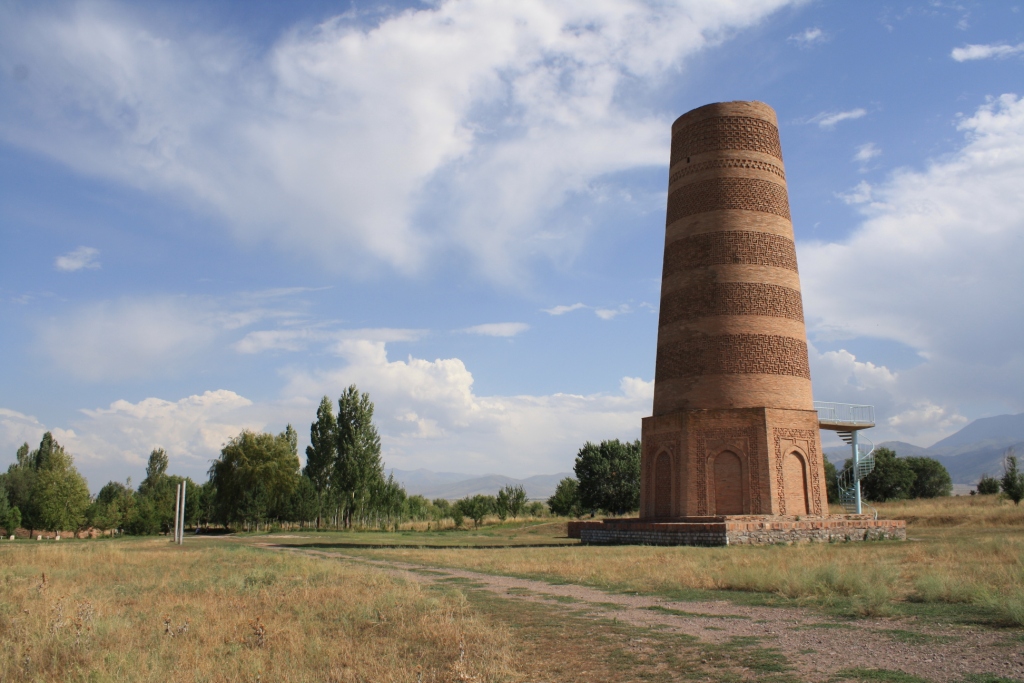
Balasagun
Ancient city on the Silk Road.
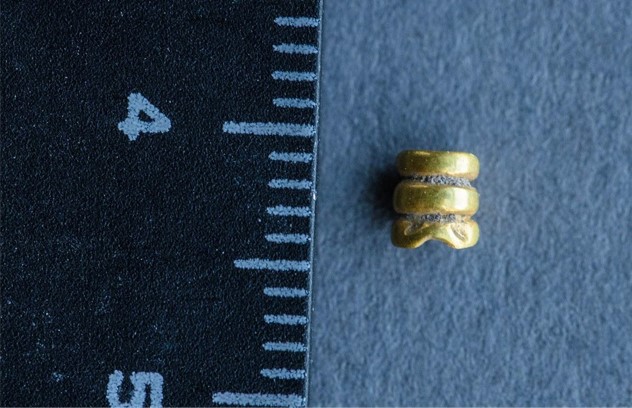
Aigyr-Zhal 2
Multiperiod site with burial mounds and artifacts
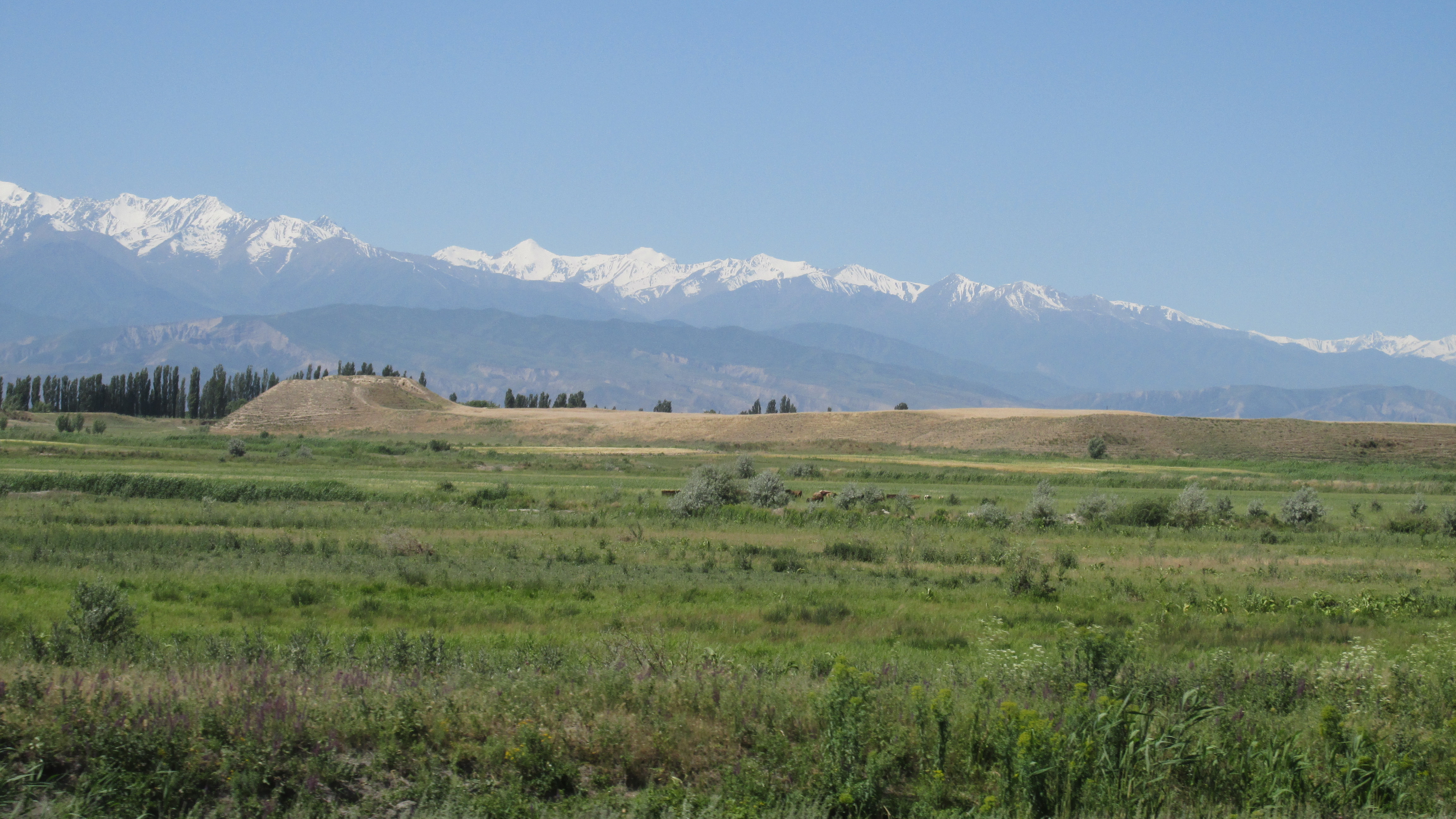
Navekat
Ancient Silk Road city with citadel.