Time Periods
Paleolithic
Mesolithic
Neolithic
Chalcolithic
Bronze Age
Iron Age
Classical Period
Post-Classical Period
Early Modern Period
Industrial Period
Contemporary Period
Time Periods
Paleolithic
Mesolithic
Neolithic
Chalcolithic
Bronze Age
Iron Age
Classical Period
Post-Classical Period
Early Modern Period
Industrial Period
Contemporary Period
Location
About
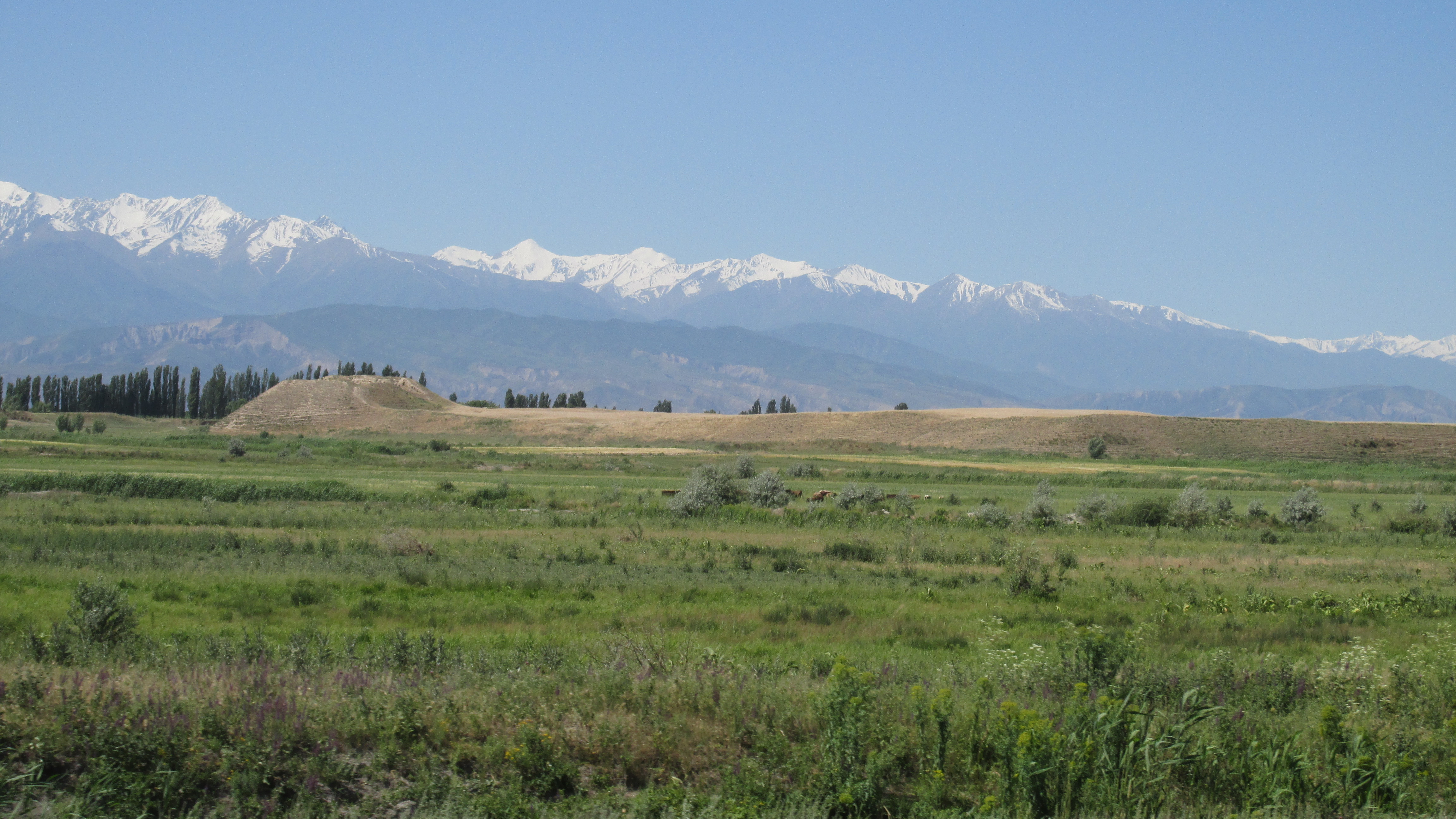
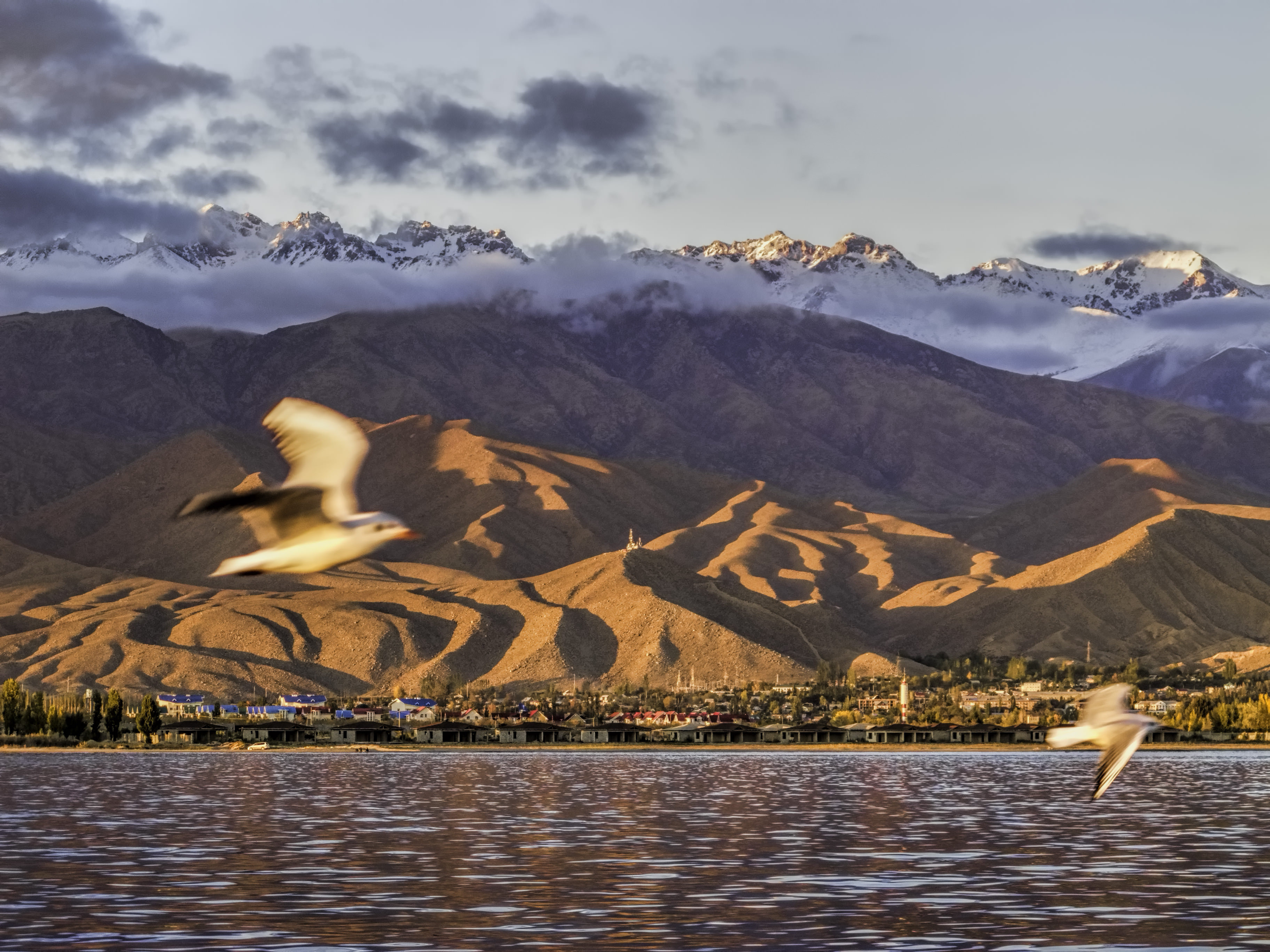
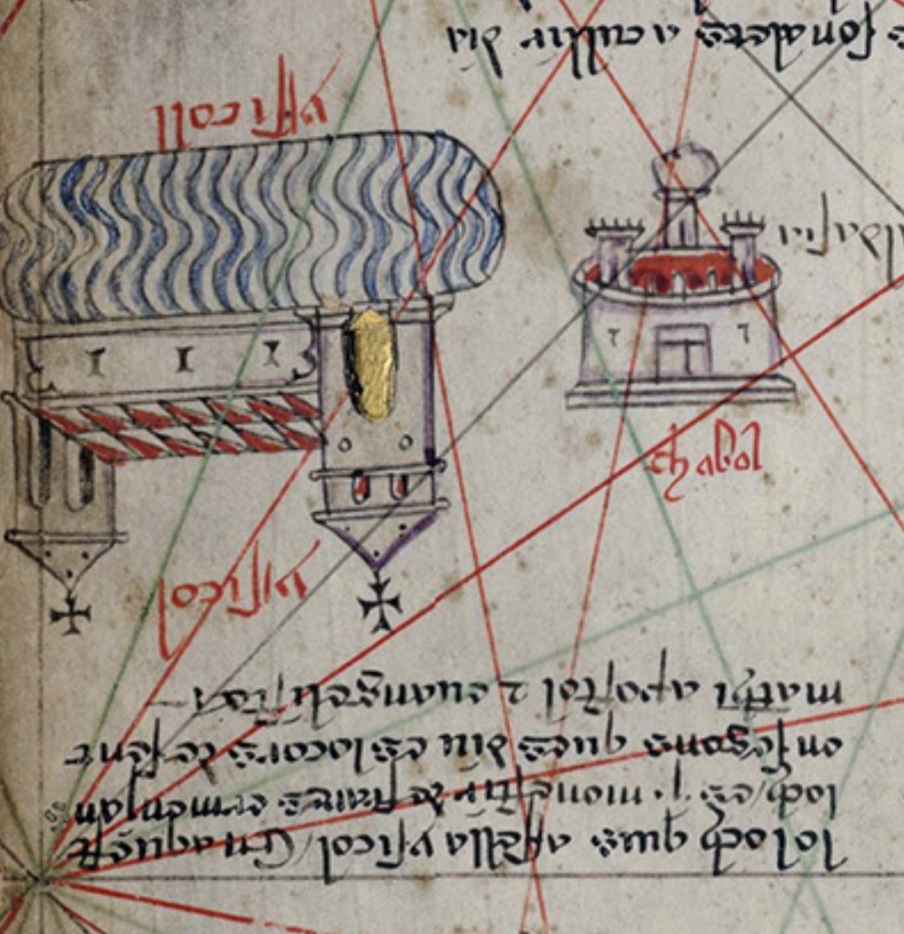
Issyk-Kul is a unique endorheic saline lake located in the Tianshan Mountains of Kyrgyzstan. It holds significant archaeological and historical importance, being a key site along the Silk Road in the 7th century CE. The lake is notable for its depth and saline content, preventing it from freezing during harsh winters. Historically, it has been a crossroad of cultures, evidenced by settlements and religious structures, including mosques and churches. The lake was a pivotal point during the spread of the Black Death in the 14th century, serving as a conduit for trade and disease. In more recent history, it was used as a testing site by the Soviet Navy. The lake's ecological and cultural richness continues to make it a site of interest for both archaeologists and environmentalists.
Gallery
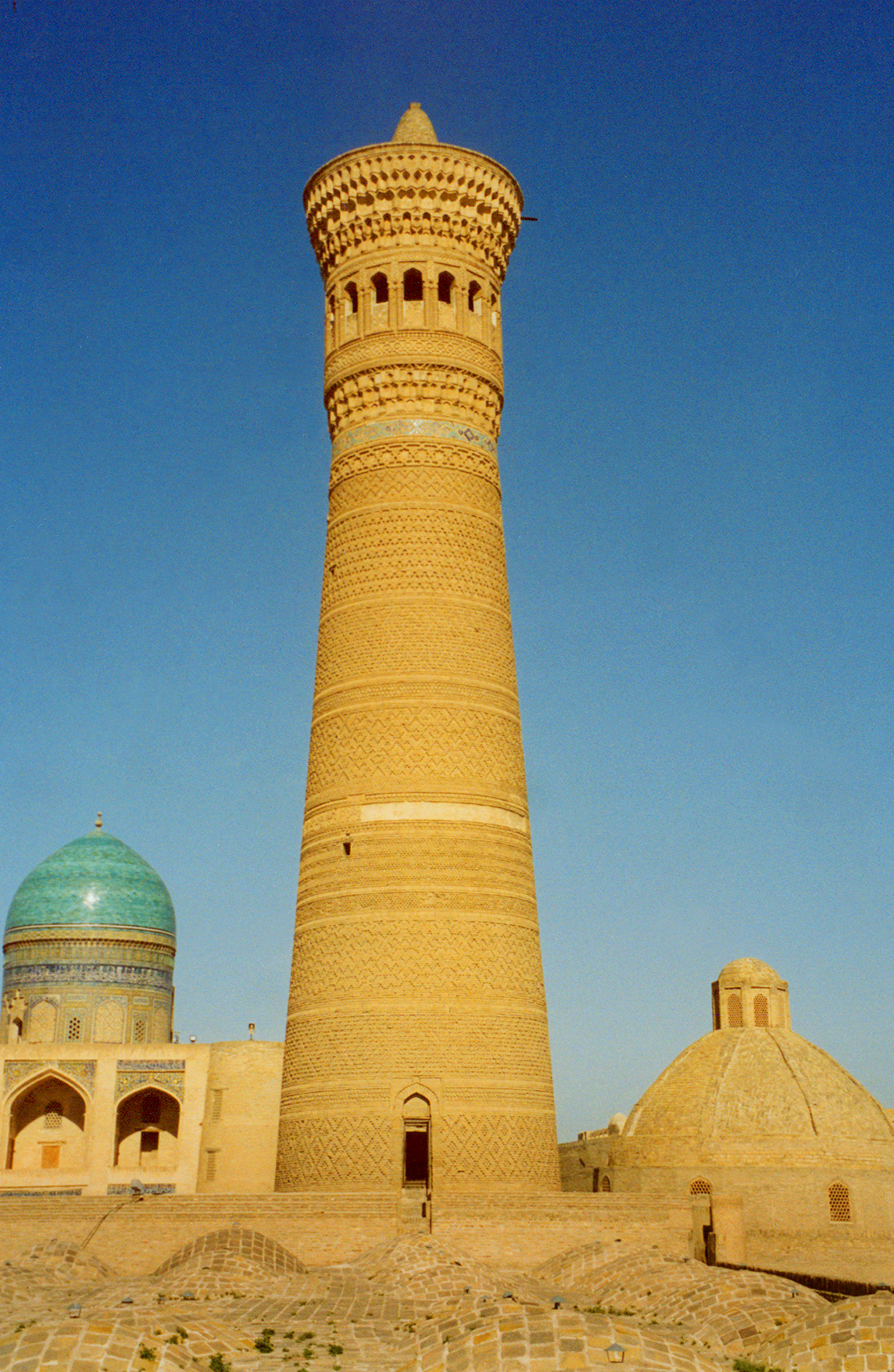
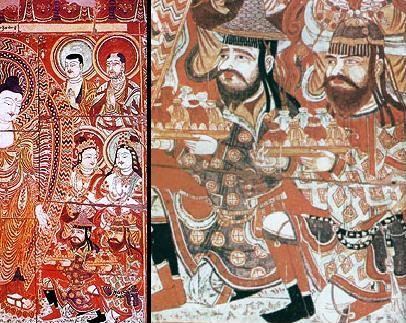
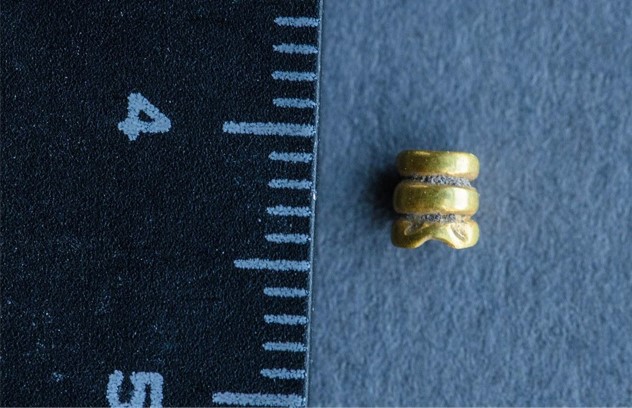
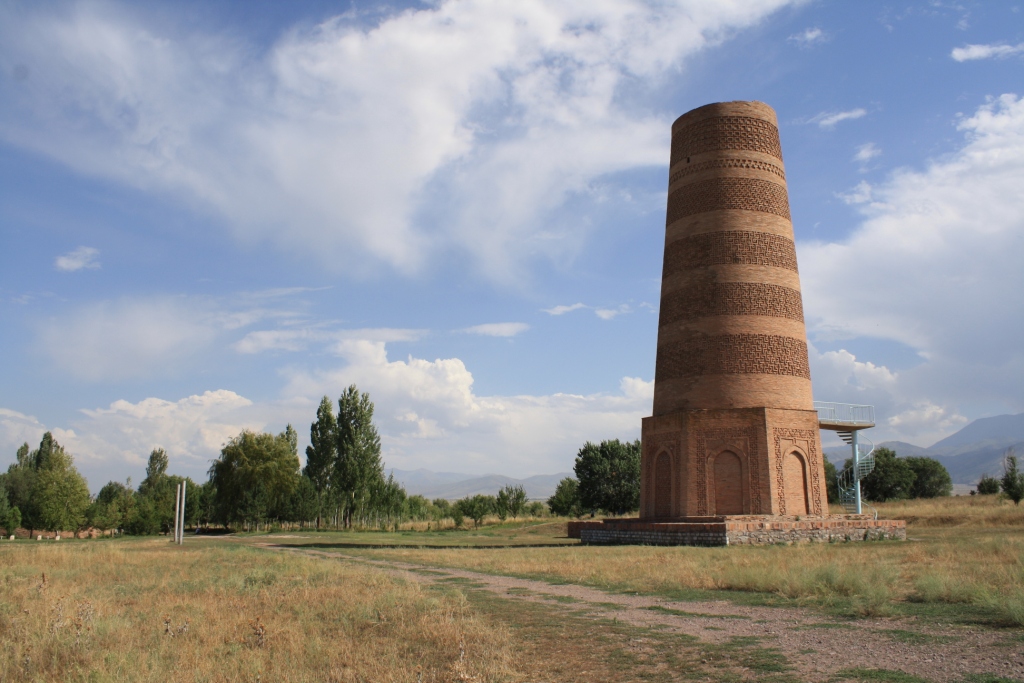
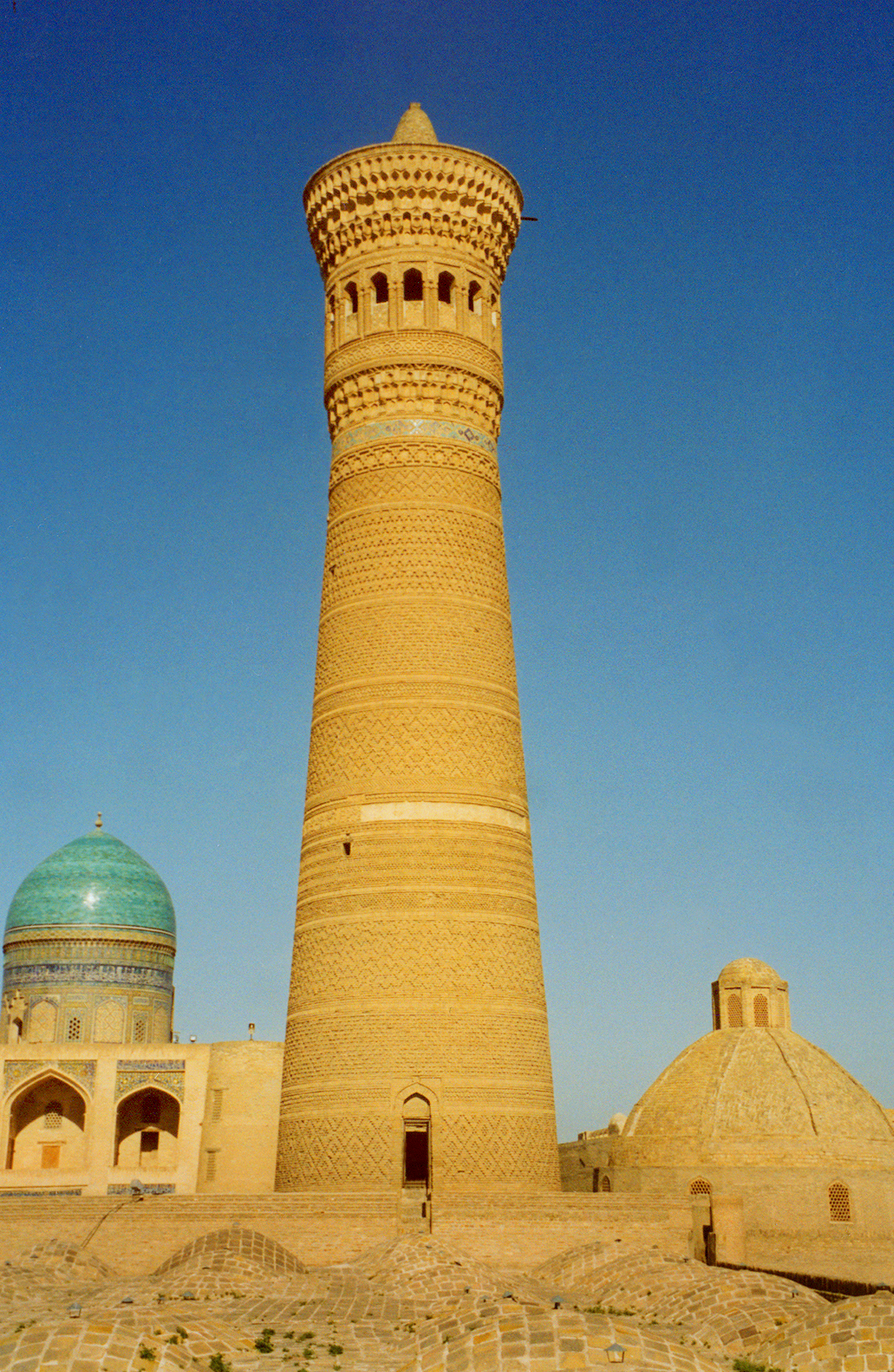
Explore photographs of ancient structures, artifacts, and archaeological excavations at Issyk-Kul

Archaeological Features
Explore the unique architectural and cultural elements found at this historical site
Miscellaneous Features
Burial and Funerary Structures
Religious and Ritual Structures
Domestic and Habitation Structures
Environmental and Natural Features
Historical Timeline
Journey through time and discover key events in this site's archaeological history
Plan Your Visit
Details
- Country
- Kyrgyzstan
- Source
- Wikipedia