Time Periods
Paleolithic
Mesolithic
Neolithic
Chalcolithic
Bronze Age
Iron Age
Classical Period
Post-Classical Period
Early Modern Period
Industrial Period
Contemporary Period
Time Periods
Paleolithic
Mesolithic
Neolithic
Chalcolithic
Bronze Age
Iron Age
Classical Period
Post-Classical Period
Early Modern Period
Industrial Period
Contemporary Period
Location
About
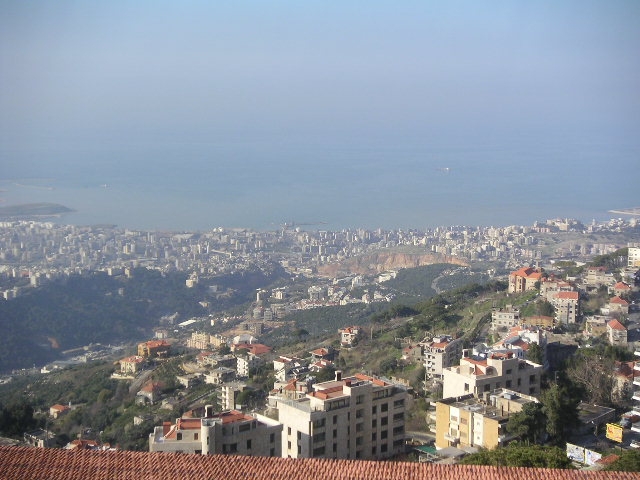
Beit Mery is an archaeological site in Lebanon that showcases a blend of Phoenician, Roman, and Byzantine heritage. The town is notable for its ruins, including a Roman temple dedicated to the god Mercury, which is a testament to its significance during the Roman Empire. Additionally, the site contains Byzantine structures from the 5th and 6th centuries, adding layers to its historical narrative. In the 18th century, the Maronite Monastery of Saint John the Baptist was constructed over the remnants of the Roman temple, integrating both ancient and more recent religious architecture. The area also features Roman public baths and marketplaces, highlighting its civic importance. Beit Mery's archaeological significance is augmented by nearby prehistoric sites where Acheulean and Heavy Neolithic tools have been found, indicating human activity dating back to the Neolithic period.
Gallery
Explore photographs of ancient structures, artifacts, and archaeological excavations at Beit Mery

Archaeological Features
Explore the unique architectural and cultural elements found at this historical site
Public and Civic Structures
Industrial and Craft Structures
Religious and Ritual Structures
Historical Timeline
Journey through time and discover key events in this site's archaeological history
Plan Your Visit
Details
- Country
- Lebanon
- Source
- Wikipedia
More Sites in Lebanon
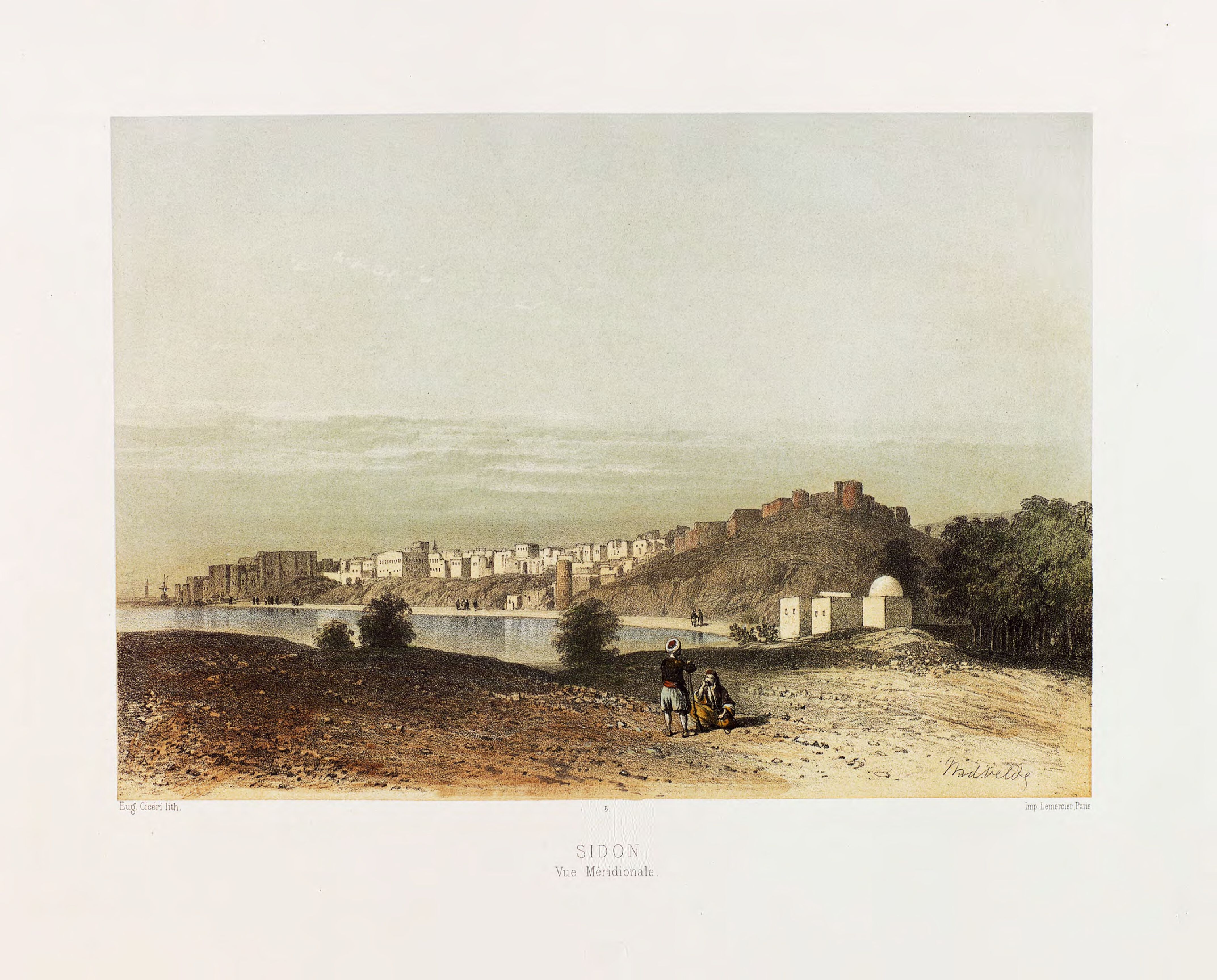
Sidon
Ancient Phoenician city with rich history
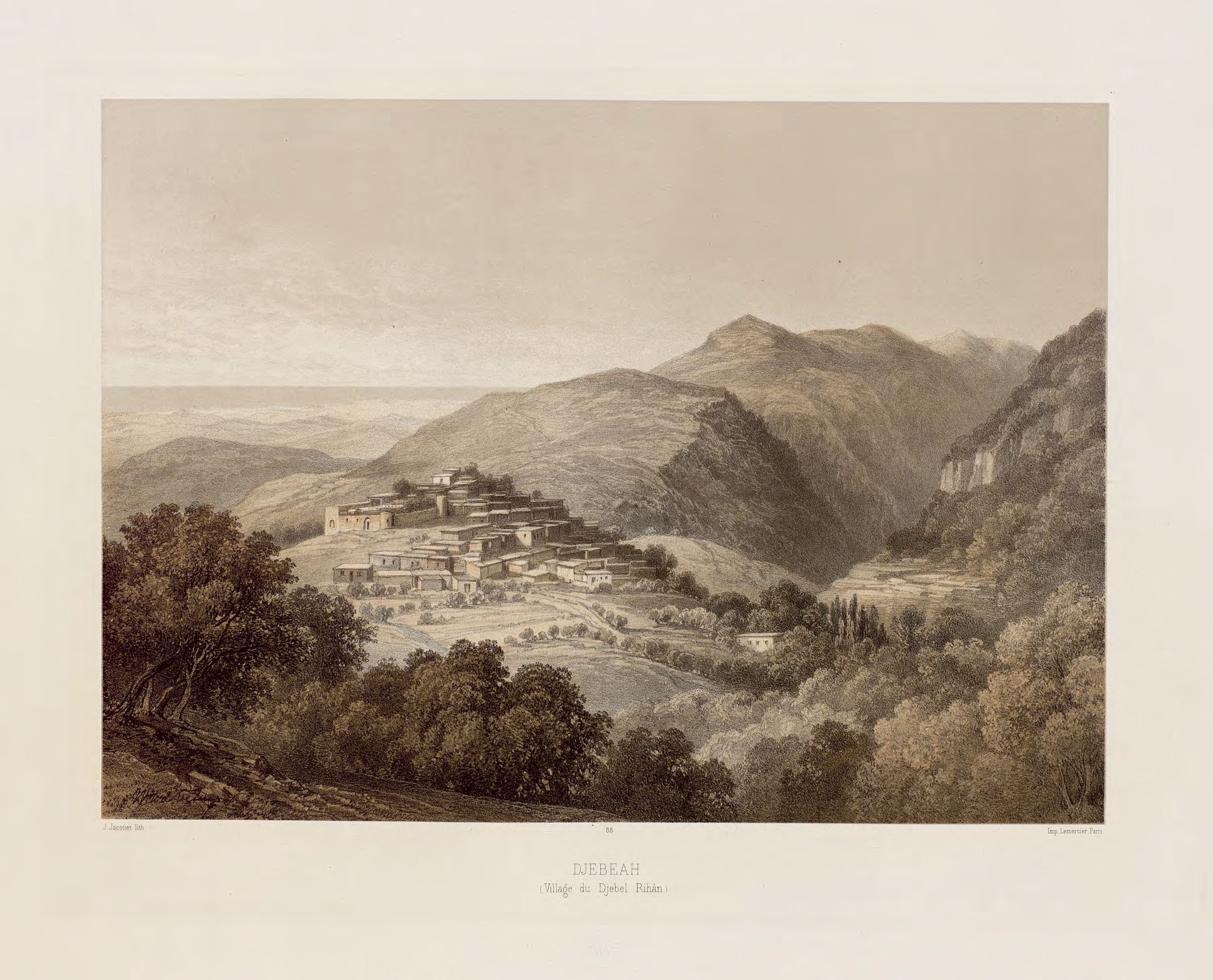
Jbaa
Neolithic to contemporary Lebanese archaeological site
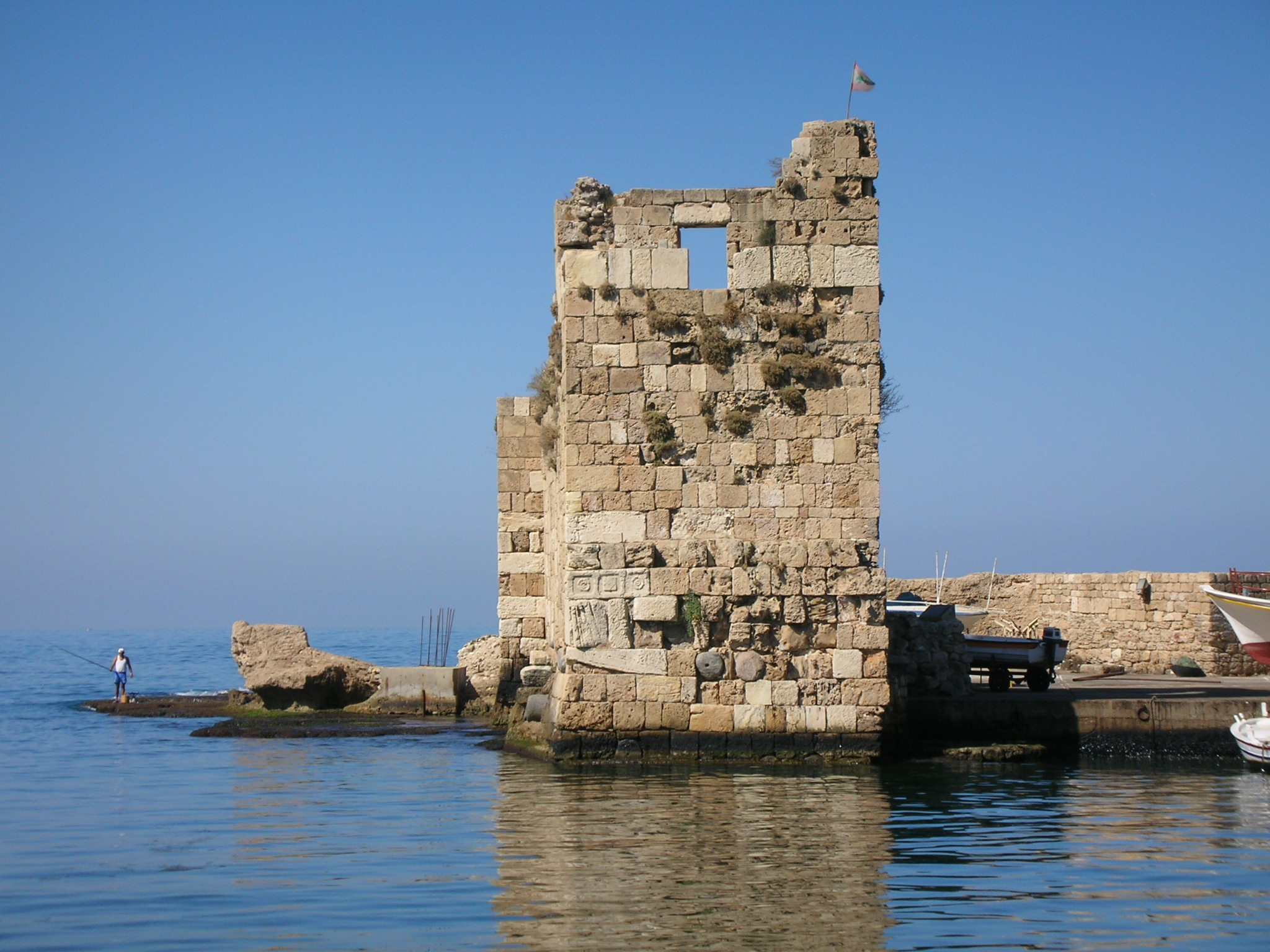
Byblos
Ancient city with layered historical strata
Baalbek
Ancient city with Roman temples and ruins
Majdal Anjar
Archaeological site with temple and fortress.

Sarepta
Phoenician city with diverse archaeological finds