
Explore the Map
Umm al-Amad, Lebanon
33.1280° N, 35.1535° E
About
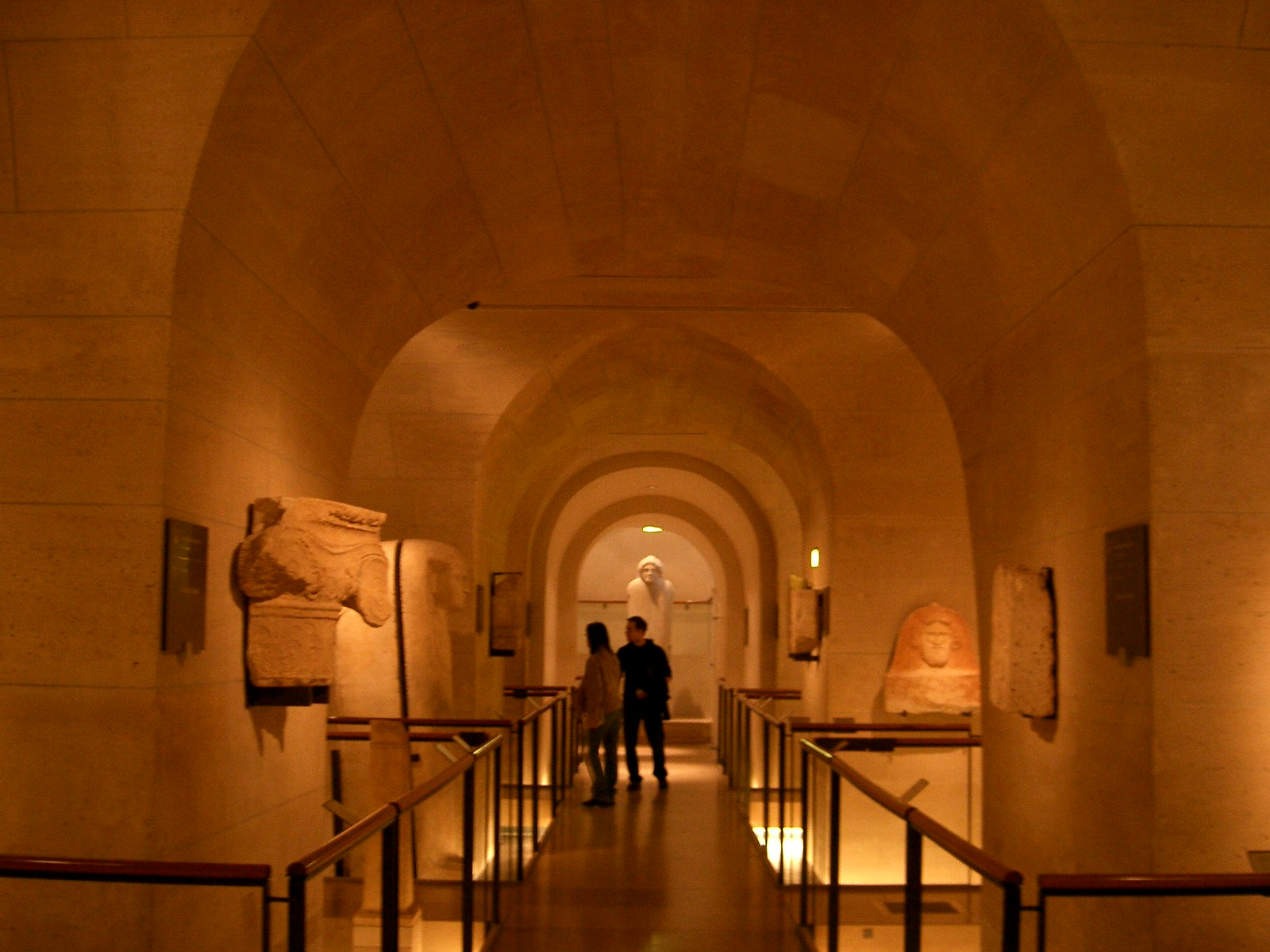
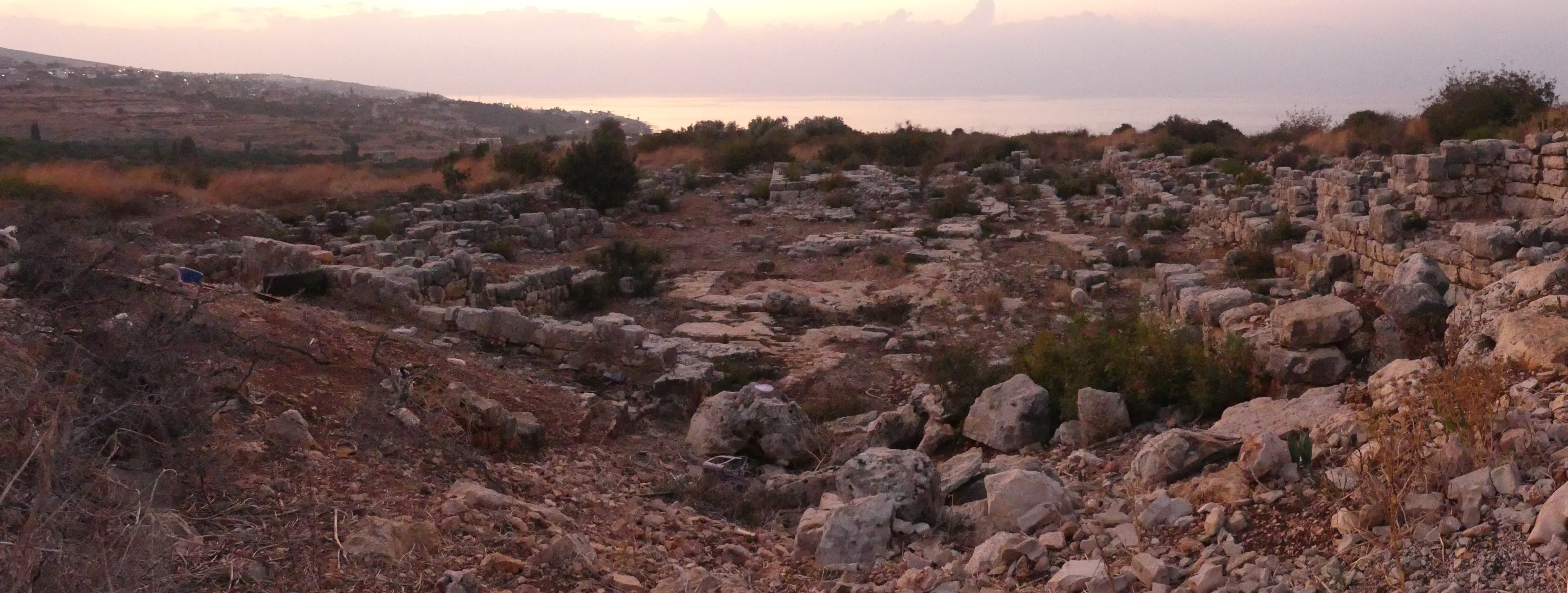
Umm Al Amad, located near Naqoura in Lebanon, is a significant archaeological site from the Hellenistic period within the Phoenician heartland. Spanning over six hectares, the site is notable for its two prominent temples, the Temple of Milk‘ashtart and the Eastern Temple with Throne Chapel, constructed between 287 and 222 BCE. It served as a religious center for the Phoenician cult, particularly dedicated to the god Baal Hamon. The site also features 23 Phoenician Adoration steles, dating from 400 to 100 BCE, which depict figures in a gesture of adoration. Though no Roman structures were found, evidence of Byzantine reoccupation is present. The site holds significant historical artifacts, many of which are housed in the National Museum of Beirut and the Louvre, offering insight into the Phoenician culture's final stages under Greek influence.
Gallery
Explore photographs of ancient structures, artifacts, and archaeological excavations
Historical Timeline
Journey through time and discover key events in this site's history
Byzantine Reoccupation
5th-7th century CE
Construction of Temples
287-222 BCE
Phoenician Adoration Steles
400-100 BCE
Archaeological Features
Unique architectural and cultural elements found at this historical site
Water Management Features
Religious and Ritual Structures
Astronomical and Timekeeping Structures
Frequently Asked Questions
Plan Your Visit
Tours, travel arrangements, and practical information
Recommended Tours


More Sites in Lebanon
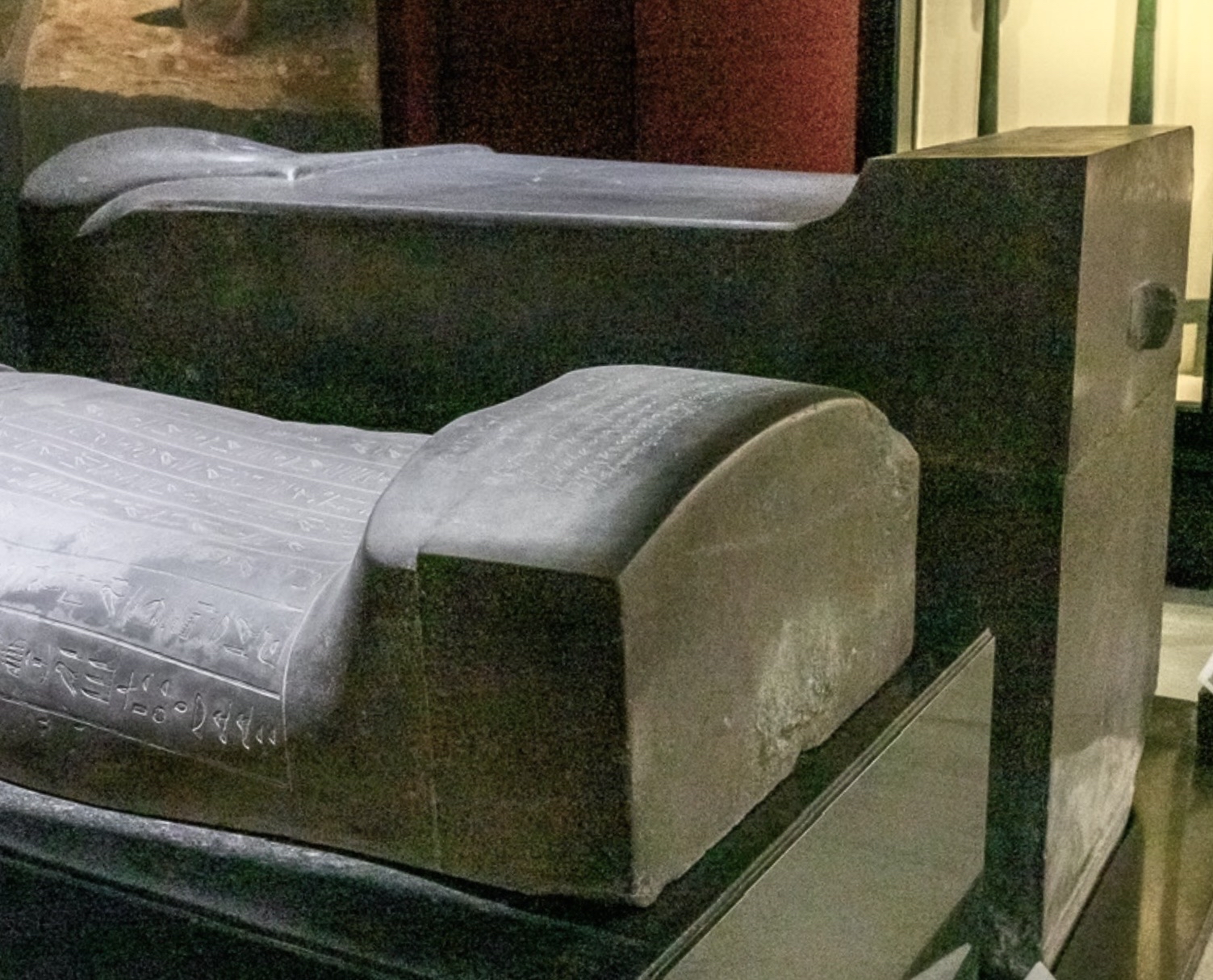
Royal necropolis of Ayaa
Subterranean necropolis with diverse sarcophagi styles.
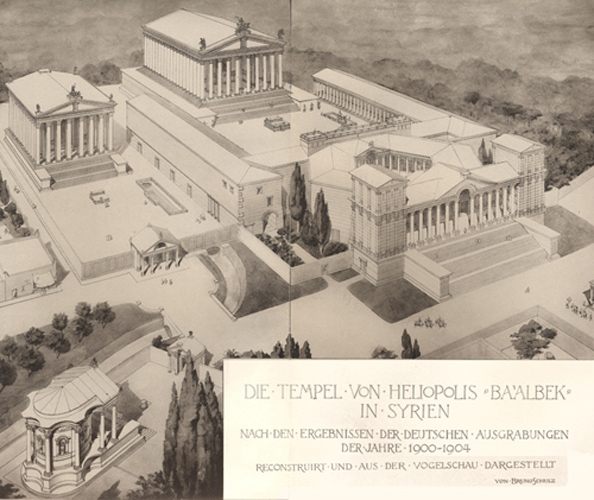
Temple of Eshmun
Phoenician healing temple with Greco-Persian influence
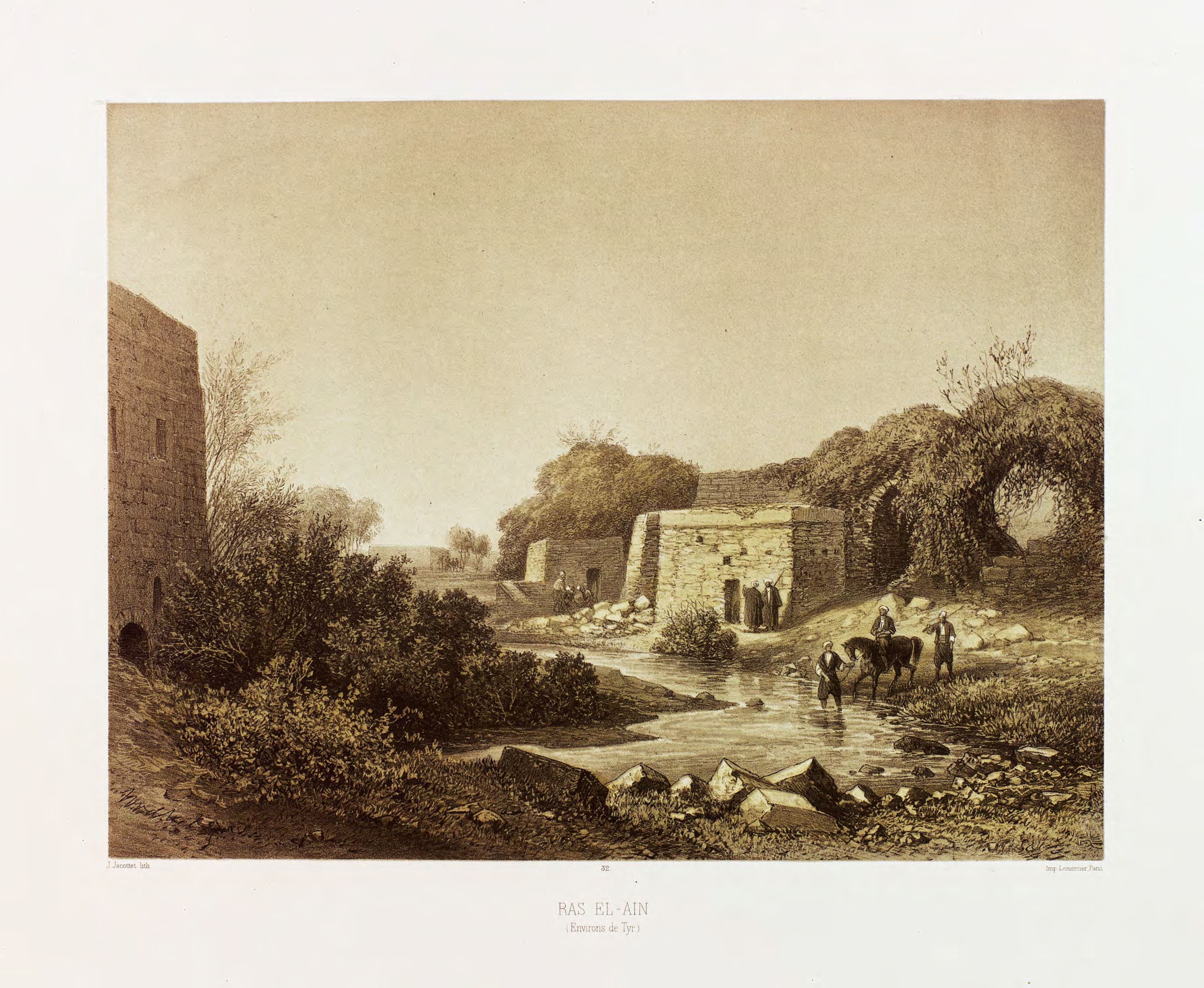
Ras al-Ain, Lebanon
Ancient fountains, reservoirs, and Roman aqueducts
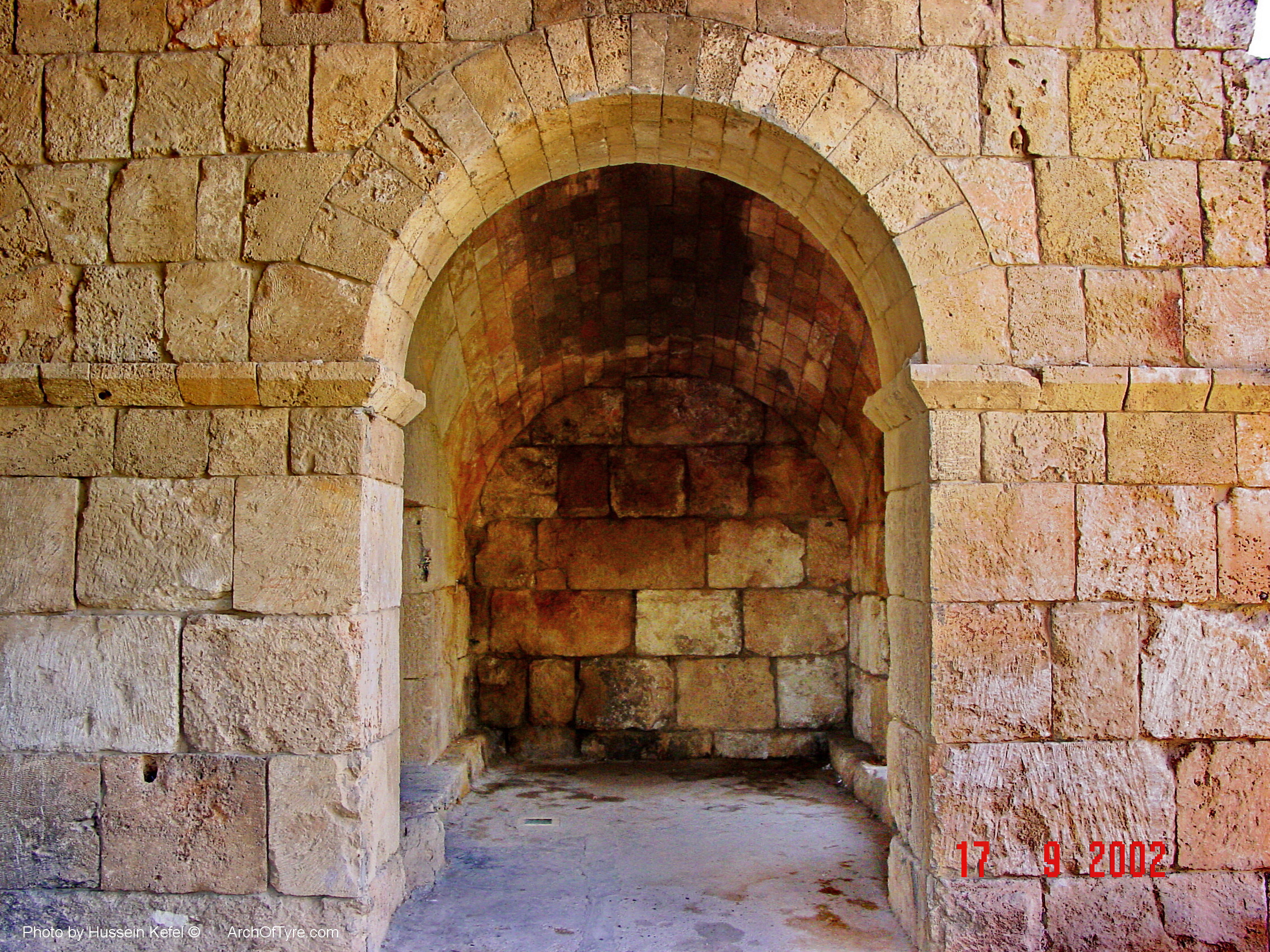
Tyre Hippodrome
Roman-era chariot racing hippodrome in Tyre.

Byblos
Ancient city with layered historical strata
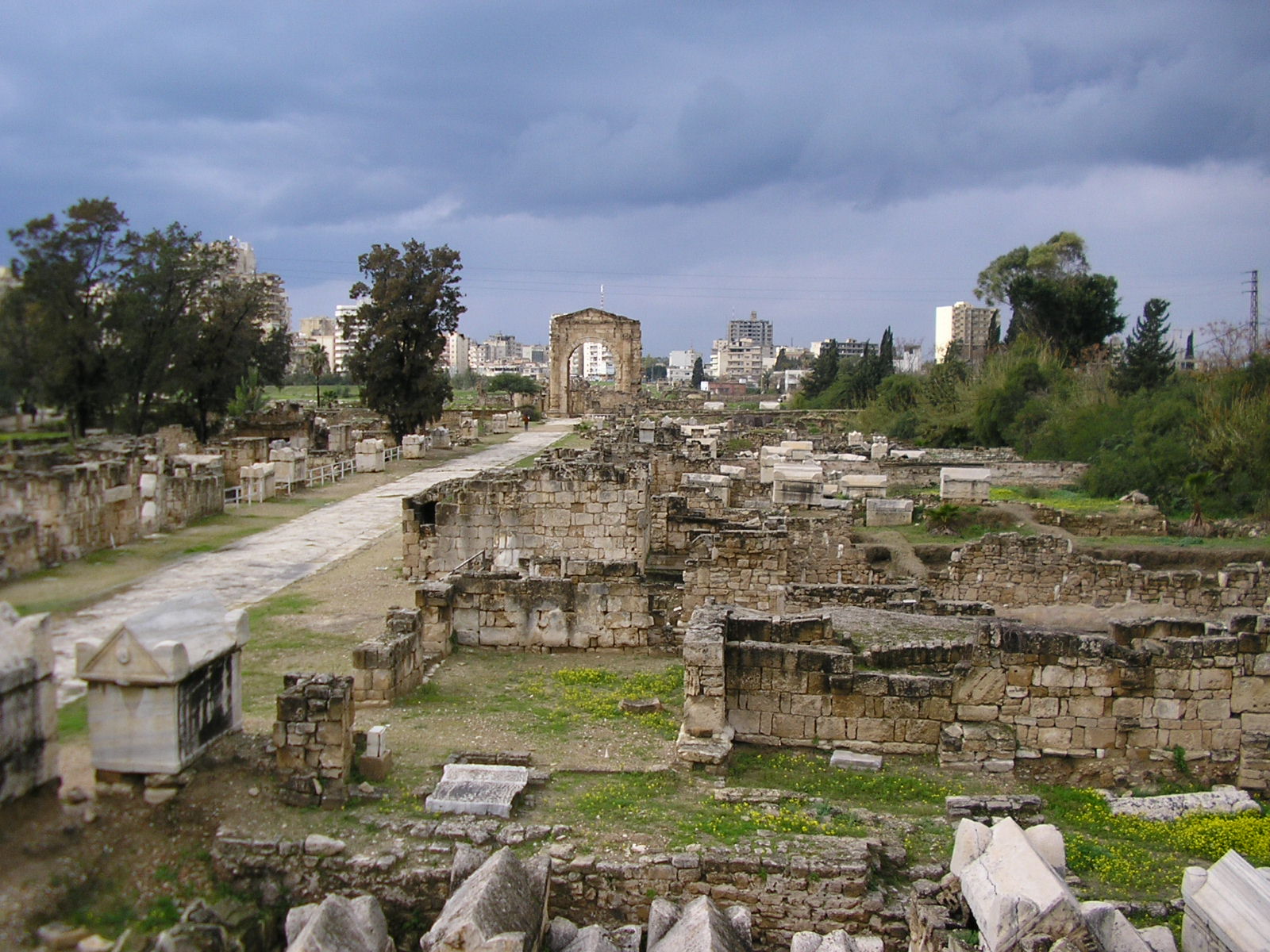
Tyre Necropolis
Ancient burial site with Roman and Phoenician relics