
Time Periods
Paleolithic
Mesolithic
Neolithic
Chalcolithic
Bronze Age
Iron Age
Classical Period
Post-Classical Period
Early Modern Period
Industrial Period
Contemporary Period
Time Periods
Paleolithic
Mesolithic
Neolithic
Chalcolithic
Bronze Age
Iron Age
Classical Period
Post-Classical Period
Early Modern Period
Industrial Period
Contemporary Period
Location
About
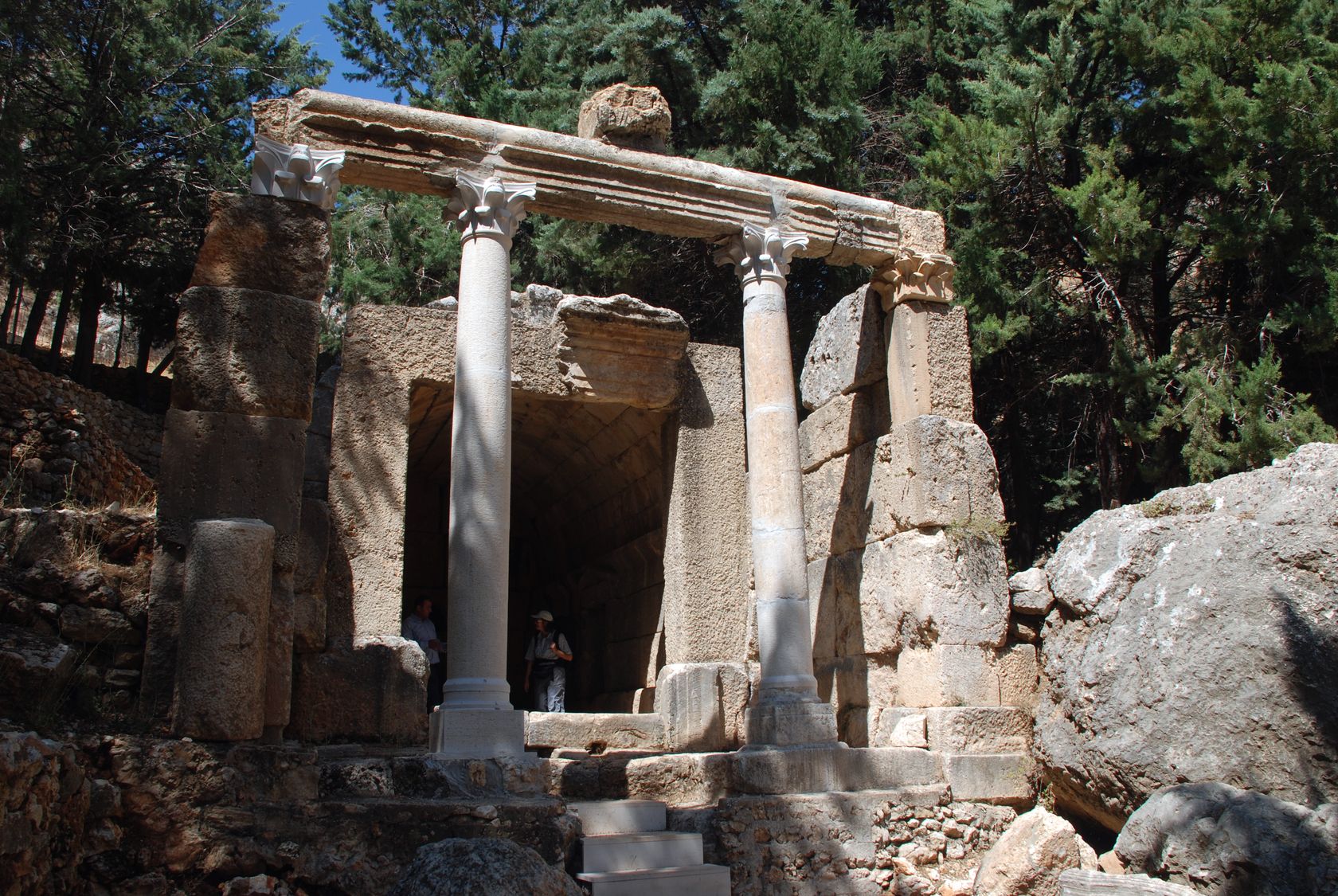
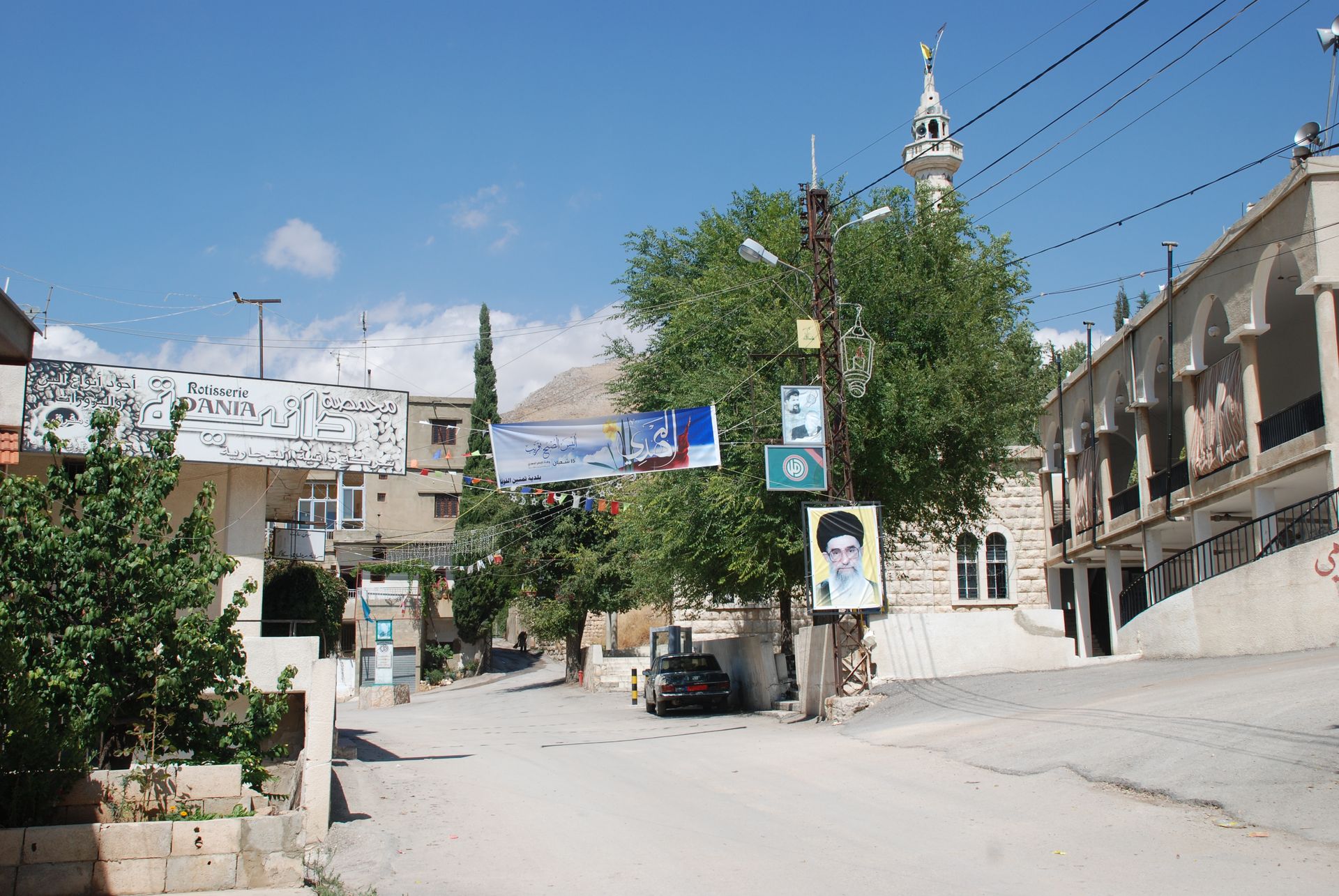
Temnin el-Foka, a village in the Beqaa Valley of Lebanon, is distinguished by its Roman nymphaeum, indicating a significant interaction with Roman architecture and water management practices. The nymphaeum, an arched watercourse leading to an underground cistern, is a testament to sophisticated engineering techniques and religious or ritual significance. The presence of a boundary pillar carved with a goddess suggests possible religious or ritual functions tied to the water source. The village has a history of continuous settlement since Roman times. In the Ottoman period, it was documented in tax registers, revealing a predominantly Muslim population. This site offers insights into the cultural and historical dynamics of the region, displaying influences from both classical and early modern periods.
Gallery
Explore photographs of ancient structures, artifacts, and archaeological excavations at Temnin el-Foka
Archaeological Features
Explore the unique architectural and cultural elements found at this historical site
Water Management Features
Religious and Ritual Structures
Historical Timeline
Journey through time and discover key events in this site's archaeological history
Plan Your Visit
Details
- Country
- Lebanon
- Source
- Wikipedia
More Sites in Lebanon
Jbaa
Neolithic to contemporary Lebanese archaeological site
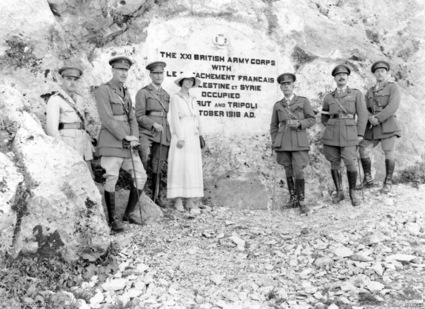
Stelae of Nahr el-Kalb
Rock reliefs and inscriptions near Beirut, Lebanon
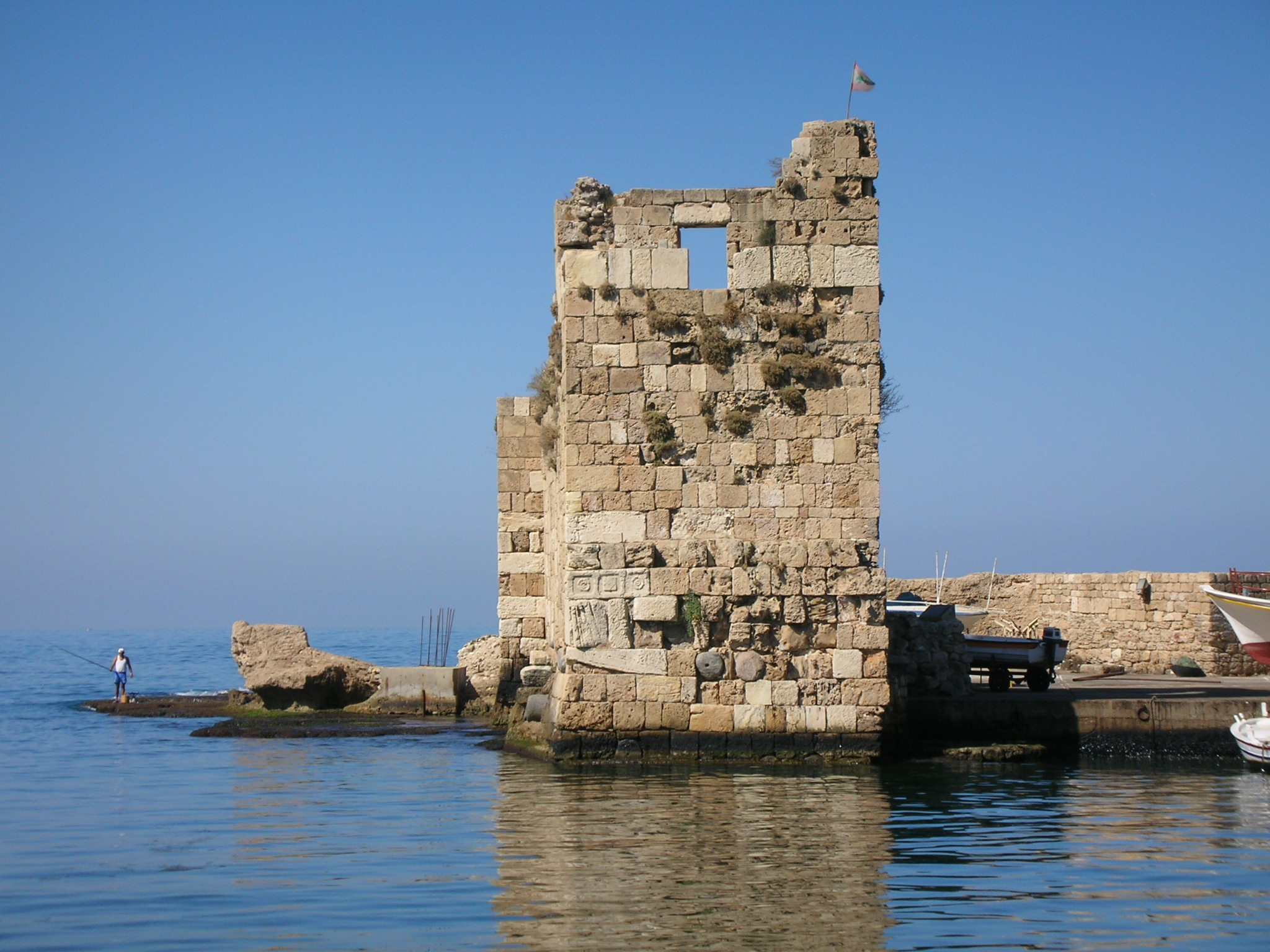
Byblos
Ancient city with layered historical strata
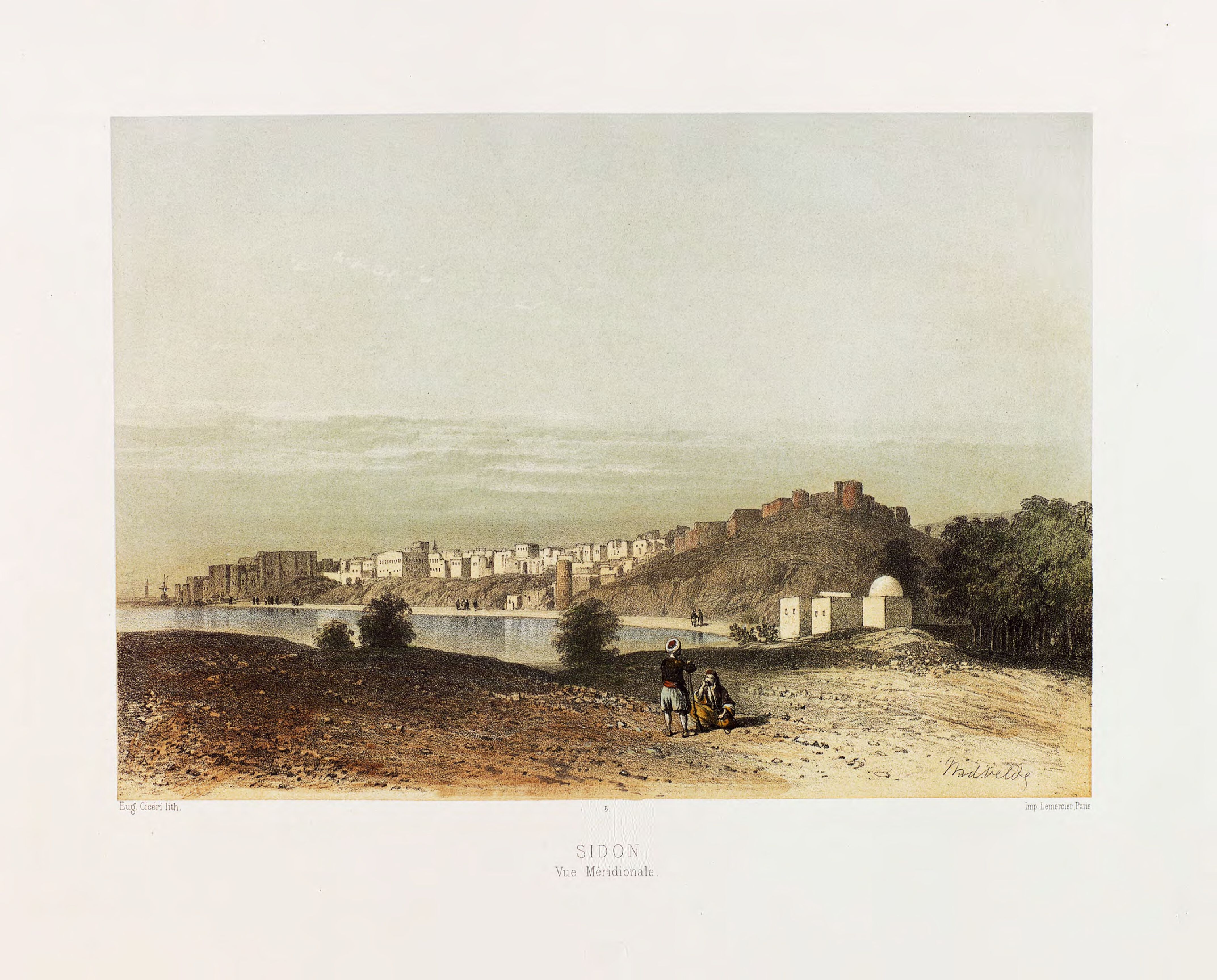
Sidon
Ancient Phoenician city with rich history
Chamaa
Historical castle on strategic hill.
Karak Nuh
Village with historical tomb and Roman inscription.