Time Periods
Paleolithic
Mesolithic
Neolithic
Chalcolithic
Bronze Age
Iron Age
Classical Period
Post-Classical Period
Early Modern Period
Industrial Period
Contemporary Period
Time Periods
Paleolithic
Mesolithic
Neolithic
Chalcolithic
Bronze Age
Iron Age
Classical Period
Post-Classical Period
Early Modern Period
Industrial Period
Contemporary Period
Location
About
Karak Nuh, located in the Beqaa Governorate of Lebanon, is a village notable for its historical and archaeological significance. It boasts a sarcophagus traditionally associated with the biblical figure Noah, which has been referenced in historical texts since the 10th century CE. The village was known as al-Karak during the Ayyubid period, later becoming Karak Nuh under the Mamluks. It became an educational and administrative center for Shia Islam in the region. A Roman inscription dating back to 84 CE was discovered within the town, adding to its historical richness. The site also features a cenotaph and a large structure thought to be part of an ancient aqueduct, highlighting its blend of myth and history. The village's prominence declined following devastation in the 17th century and subsequent reconstruction efforts.
Archaeological Features
Explore the unique architectural and cultural elements found at this historical site
Water Management Features
Burial and Funerary Structures
Religious and Ritual Structures
Artistic and Decorative Features
Domestic and Habitation Structures
Historical Timeline
Journey through time and discover key events in this site's archaeological history
Plan Your Visit
Details
- Country
- Lebanon
- Source
- Wikipedia
More Sites in Lebanon
Chamaa
Historical castle on strategic hill.
Jbaa
Neolithic to contemporary Lebanese archaeological site
Baalbek
Ancient city with Roman temples and ruins
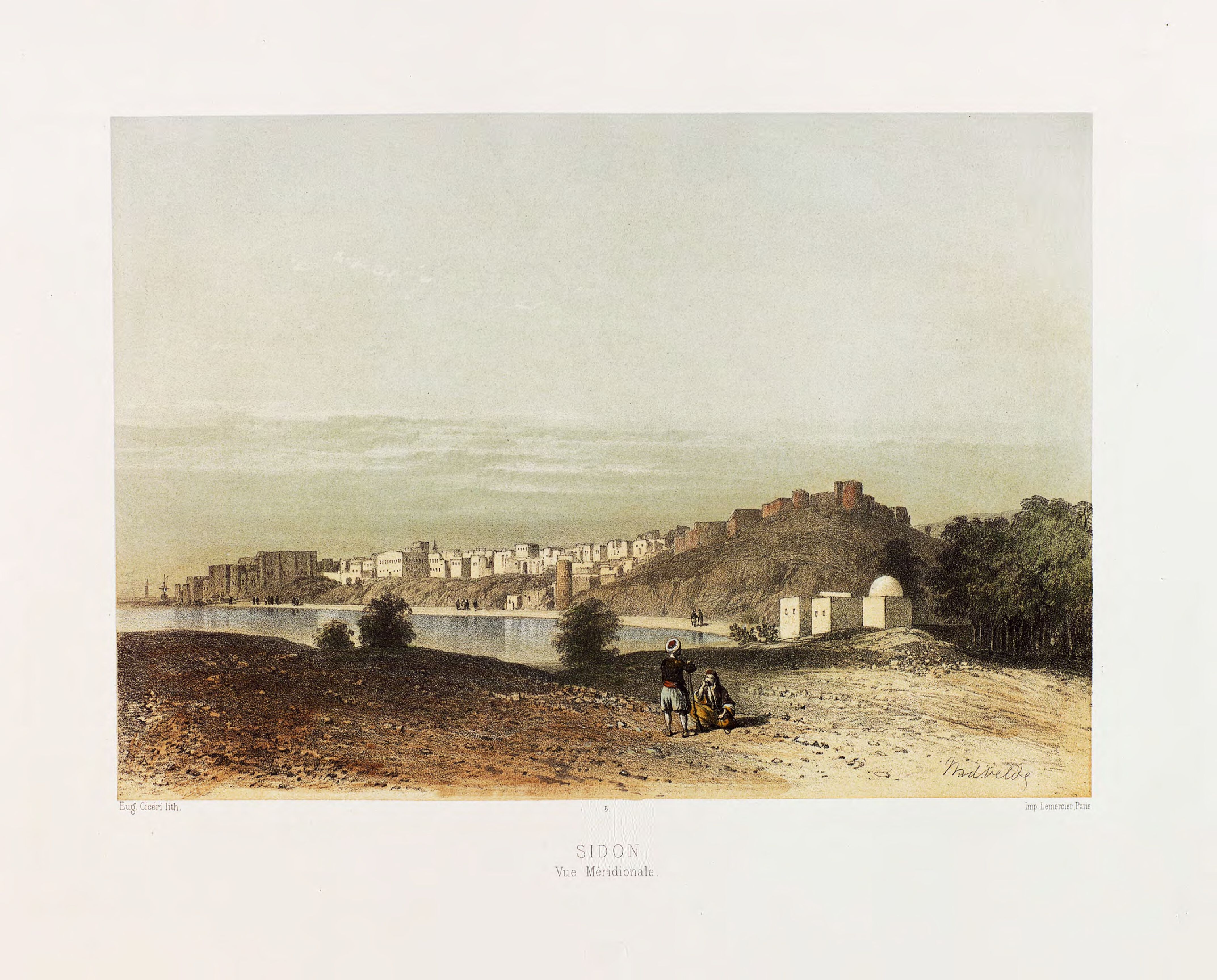
Sidon
Ancient Phoenician city with rich history
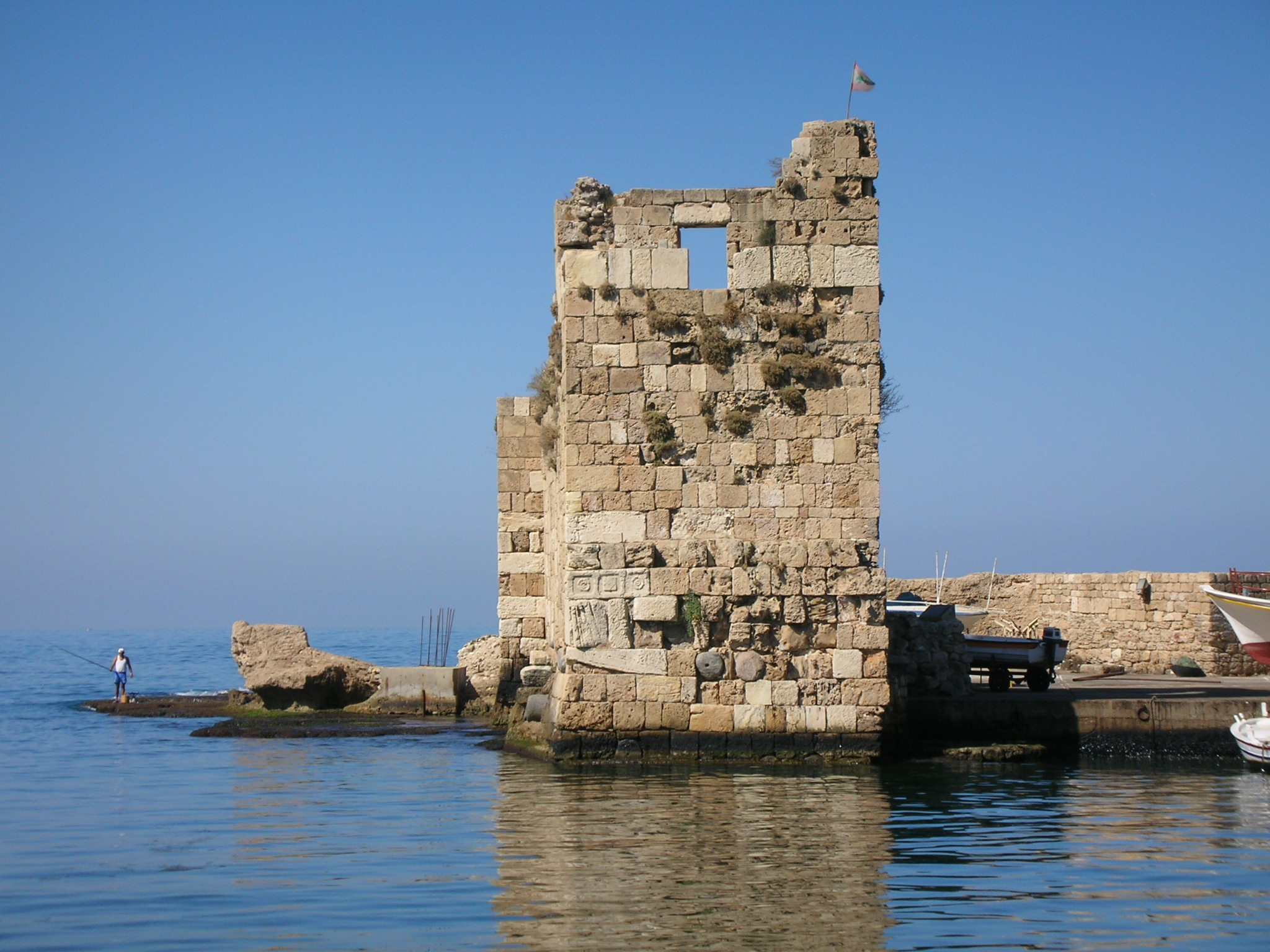
Byblos
Ancient city with layered historical strata
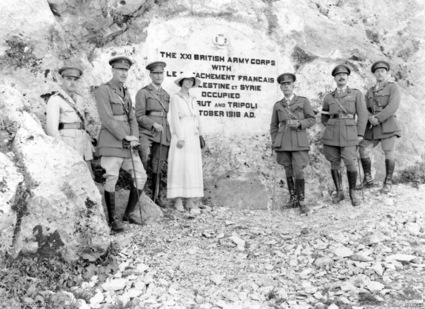
Stelae of Nahr el-Kalb
Rock reliefs and inscriptions near Beirut, Lebanon