Time Periods
Paleolithic
Mesolithic
Neolithic
Chalcolithic
Bronze Age
Iron Age
Classical Period
Post-Classical Period
Early Modern Period
Industrial Period
Contemporary Period
Time Periods
Paleolithic
Mesolithic
Neolithic
Chalcolithic
Bronze Age
Iron Age
Classical Period
Post-Classical Period
Early Modern Period
Industrial Period
Contemporary Period
Location
About
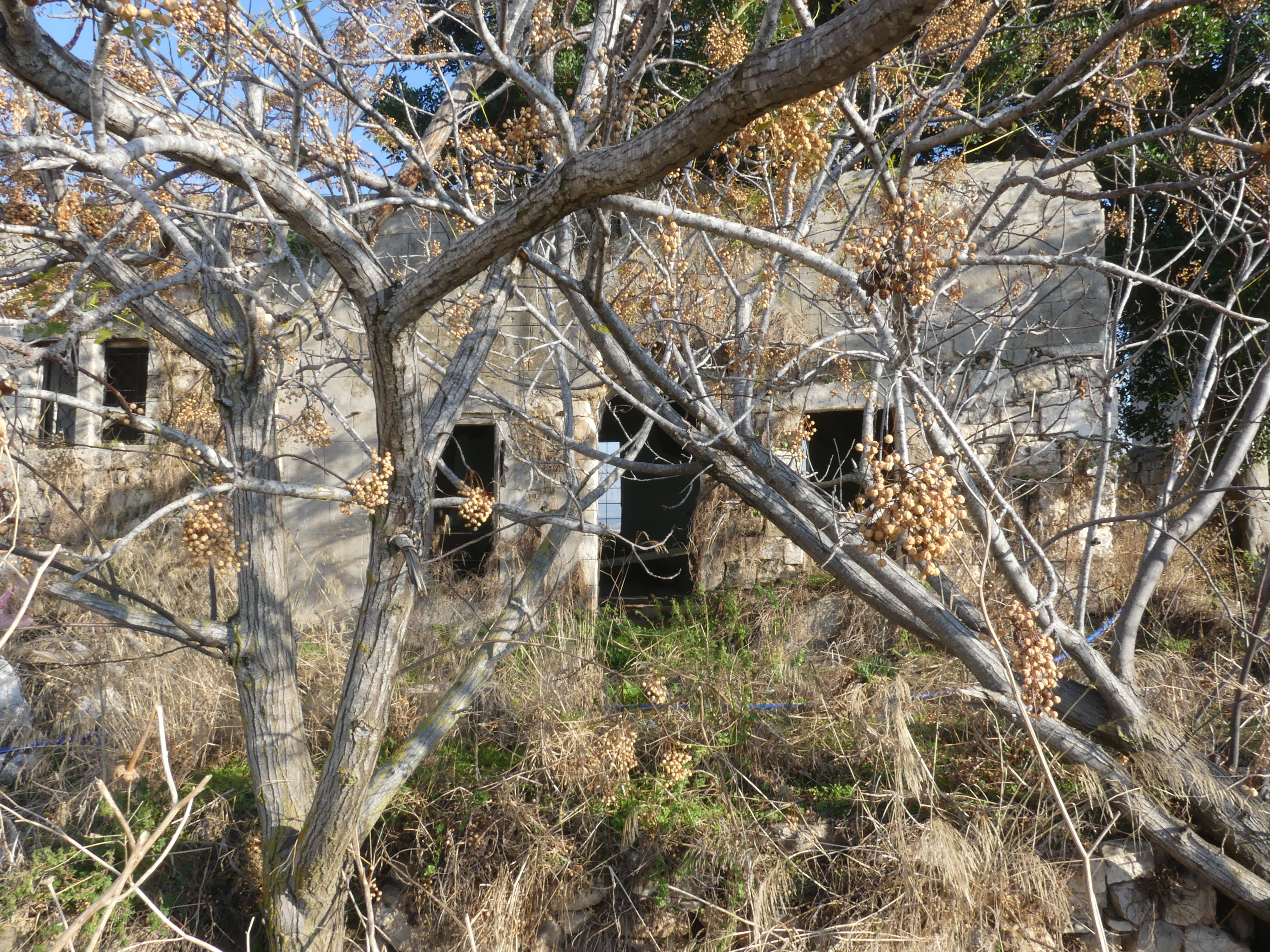
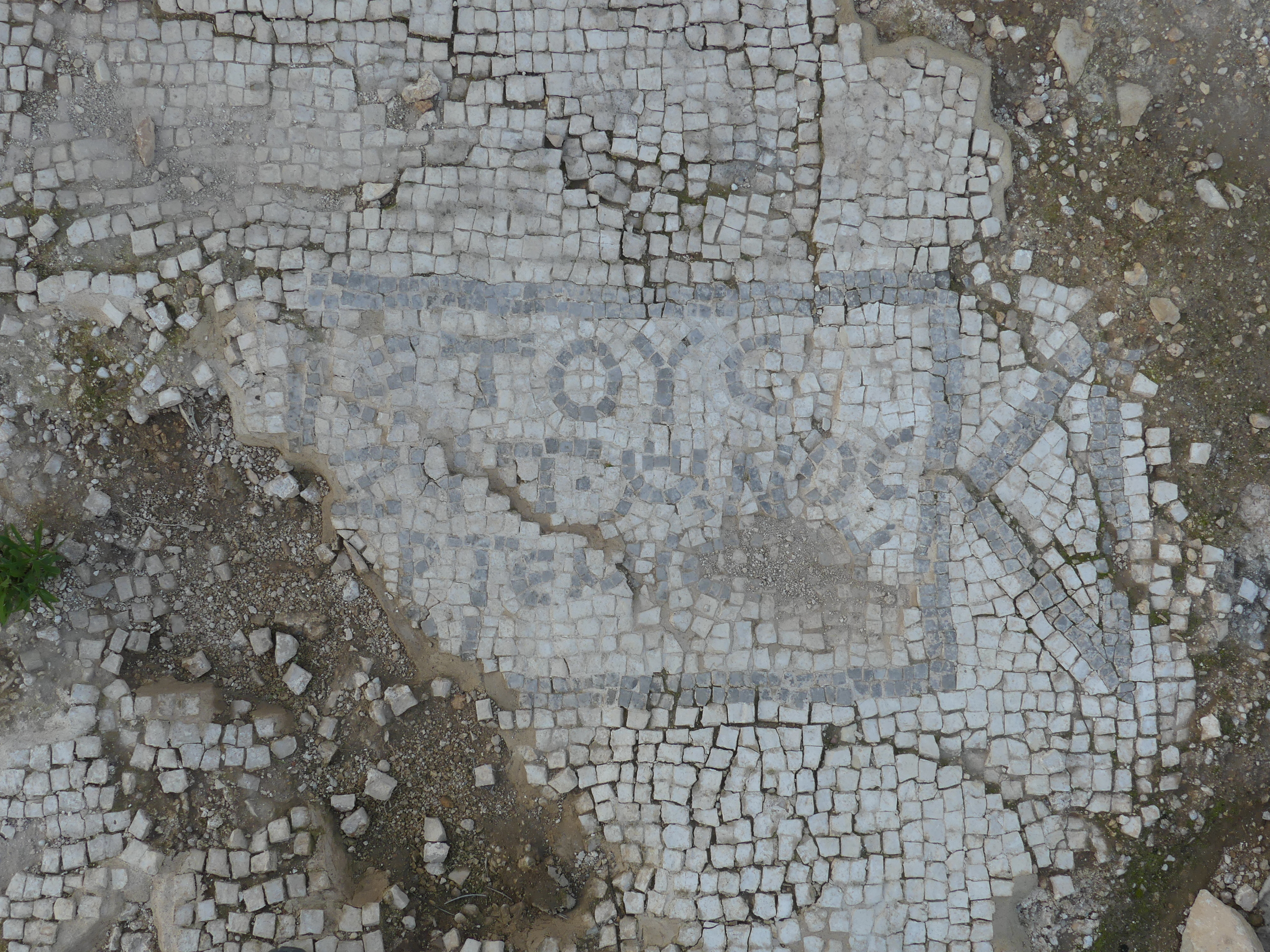
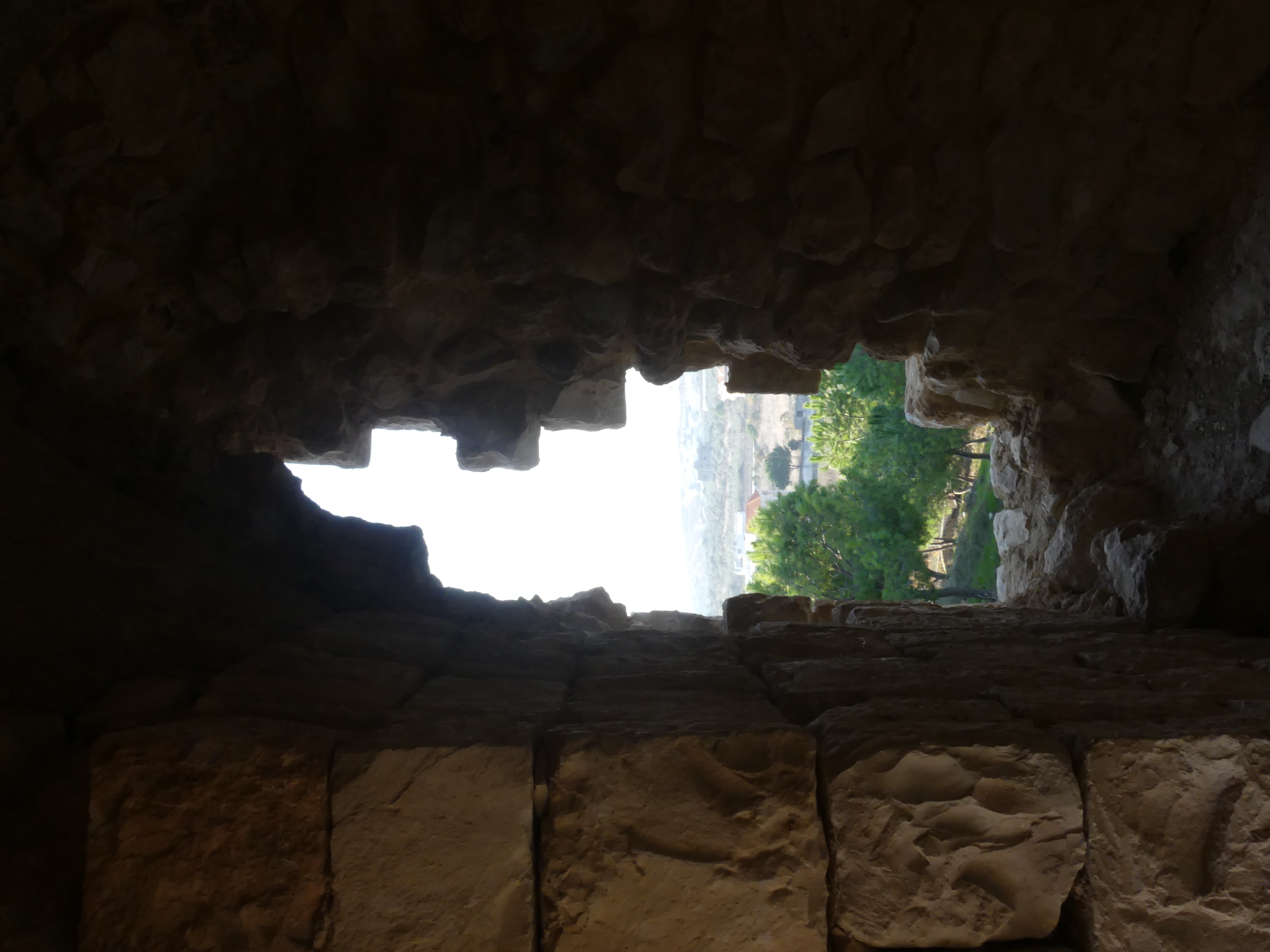
Chamaa, a village in southern Lebanon, is archaeologically significant due to its historical castle and strategic location. The site features a blend of defensive, religious, and domestic structures. Initially settled during the Roman-Byzantine era, the area later hosted a Crusader fortress in the 12th century, known as Scandelion Castle. The Byzantine influence is evident from a mosaic discovered on the hill. Throughout history, the site has witnessed various phases of habitation and control, including Ottoman governance and a notable revitalization under the Shiite leader Nasif al-Nassar in the 18th century. Despite its decline and destruction by Ahmad Pasha al-Jazzar, the site remains of interest due to its ongoing historical significance and recent military relevance, serving as a base for UNIFIL.
Gallery
Explore photographs of ancient structures, artifacts, and archaeological excavations at Chamaa
Archaeological Features
Explore the unique architectural and cultural elements found at this historical site
Defensive Structures
Animal Husbandry Features
Water Management Features
Religious and Ritual Structures
Artistic and Decorative Features
Historical Timeline
Journey through time and discover key events in this site's archaeological history
Plan Your Visit
Details
- Country
- Lebanon
- Source
- Wikipedia
More Sites in Lebanon
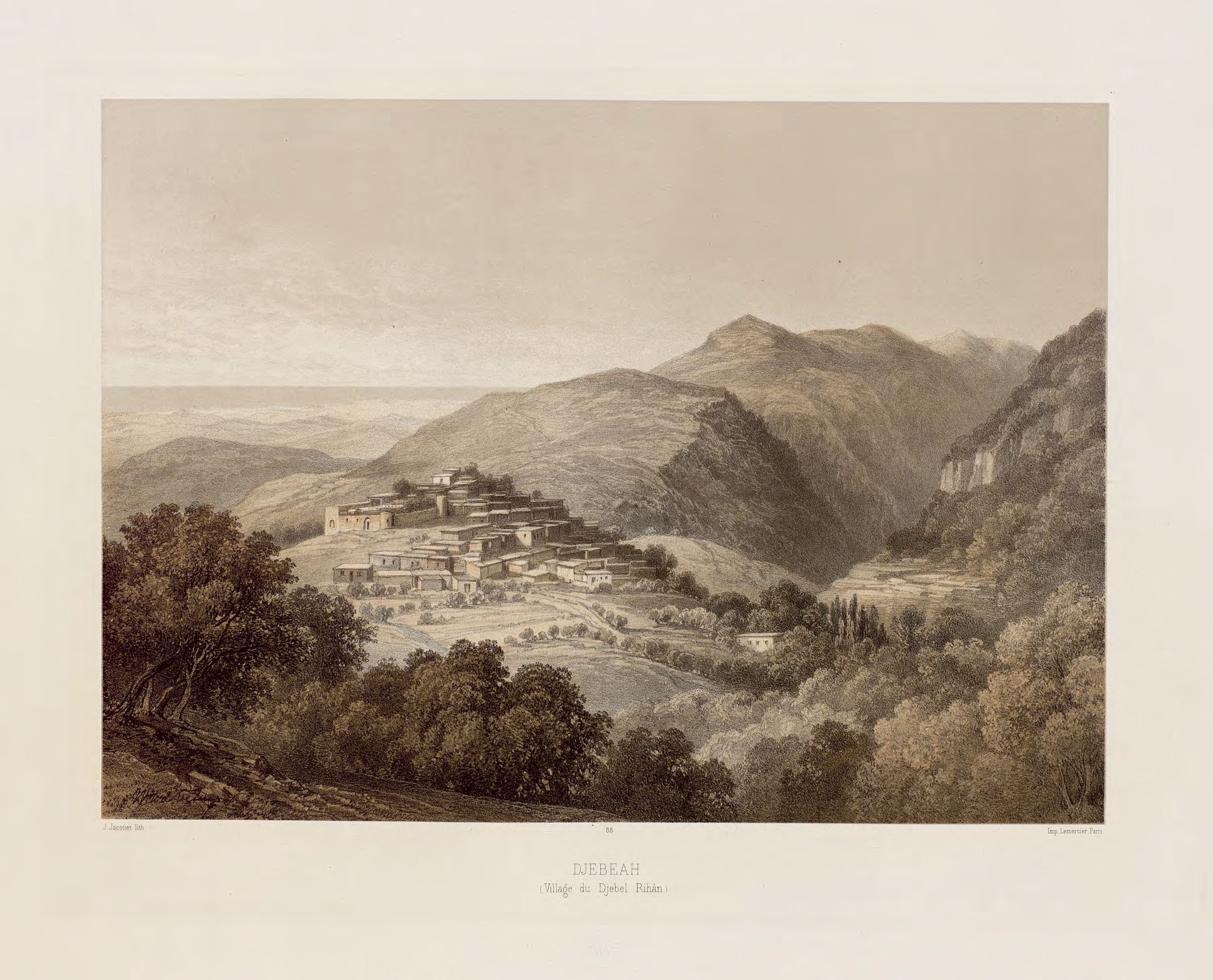
Jbaa
Neolithic to contemporary Lebanese archaeological site
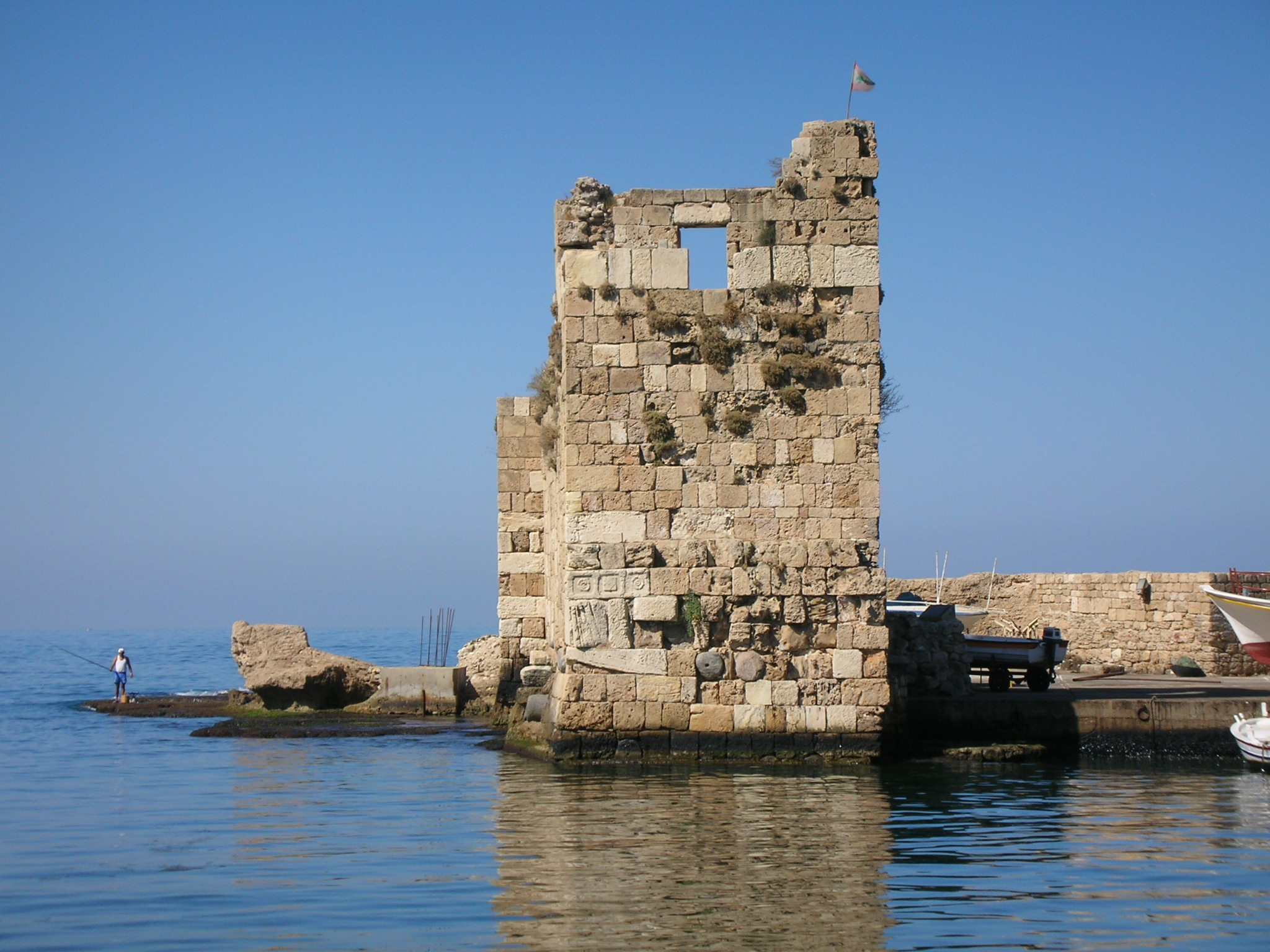
Byblos
Ancient city with layered historical strata
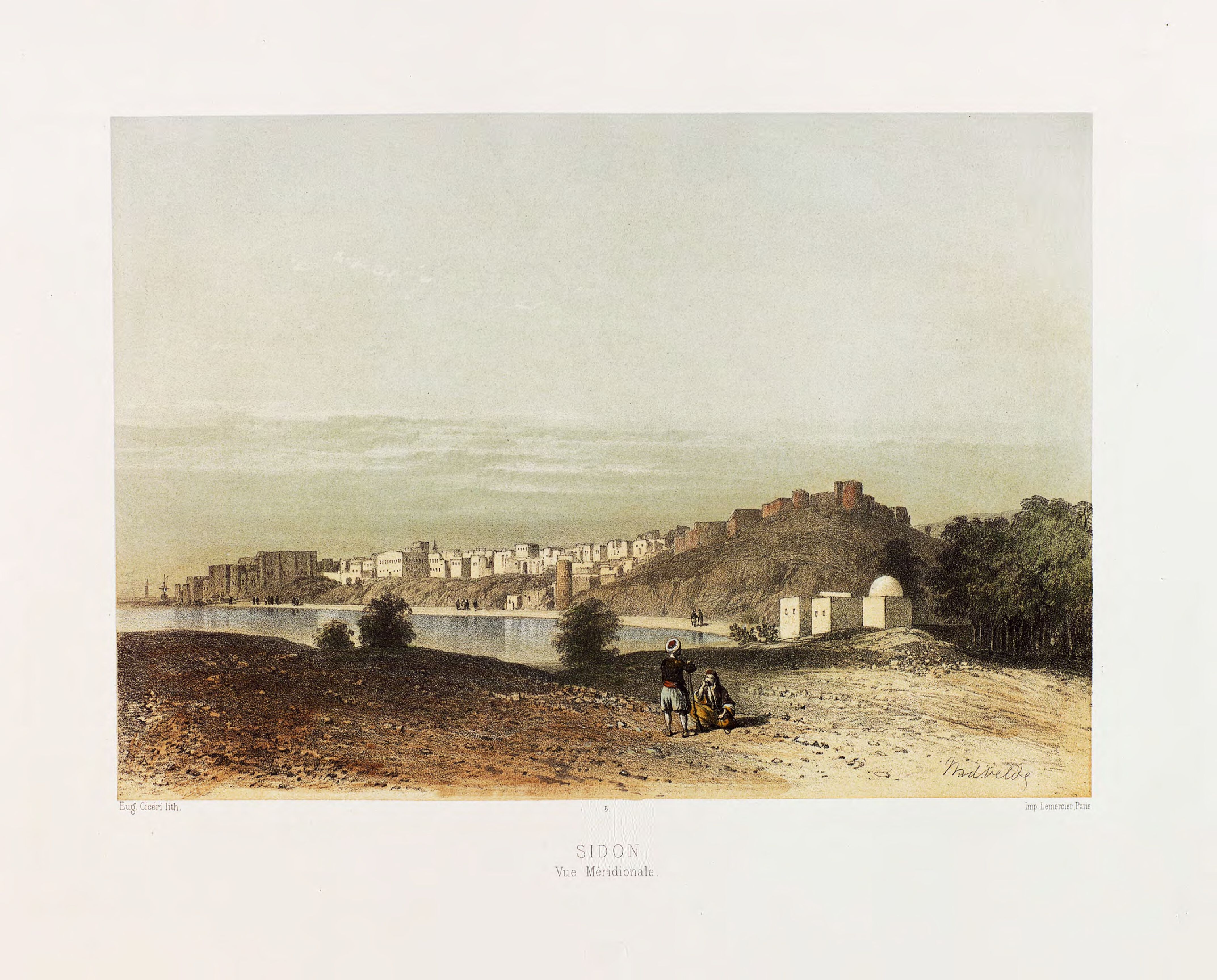
Sidon
Ancient Phoenician city with rich history
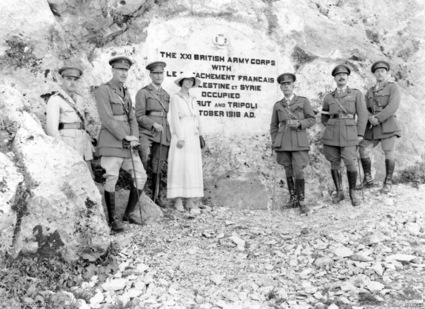
Stelae of Nahr el-Kalb
Rock reliefs and inscriptions near Beirut, Lebanon
Karak Nuh
Village with historical tomb and Roman inscription.
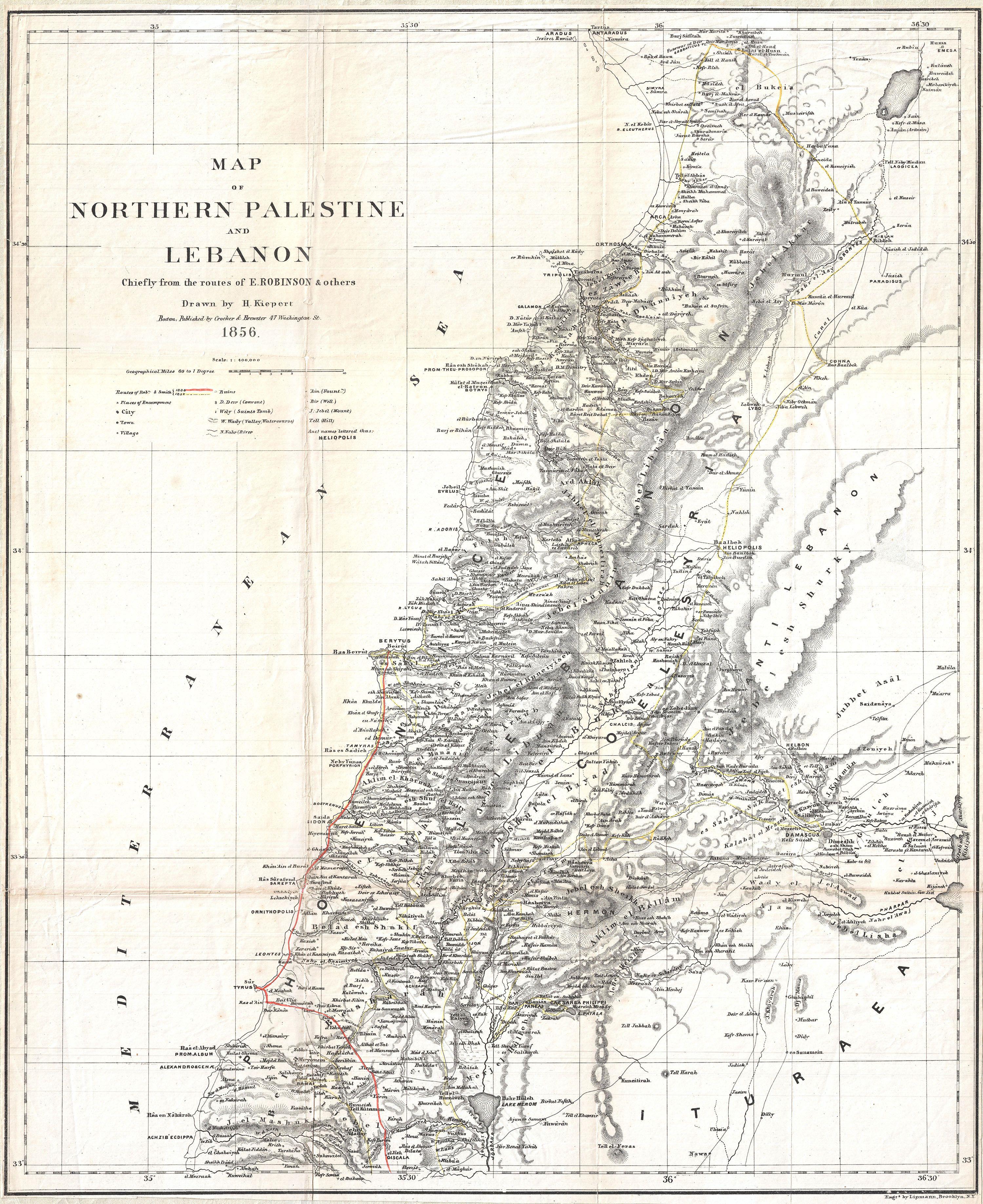
Baalbek
Ancient city with Roman temples and ruins