Explore the Map
Ras al-Ain, Lebanon
33.2281° N, 35.2172° E
About
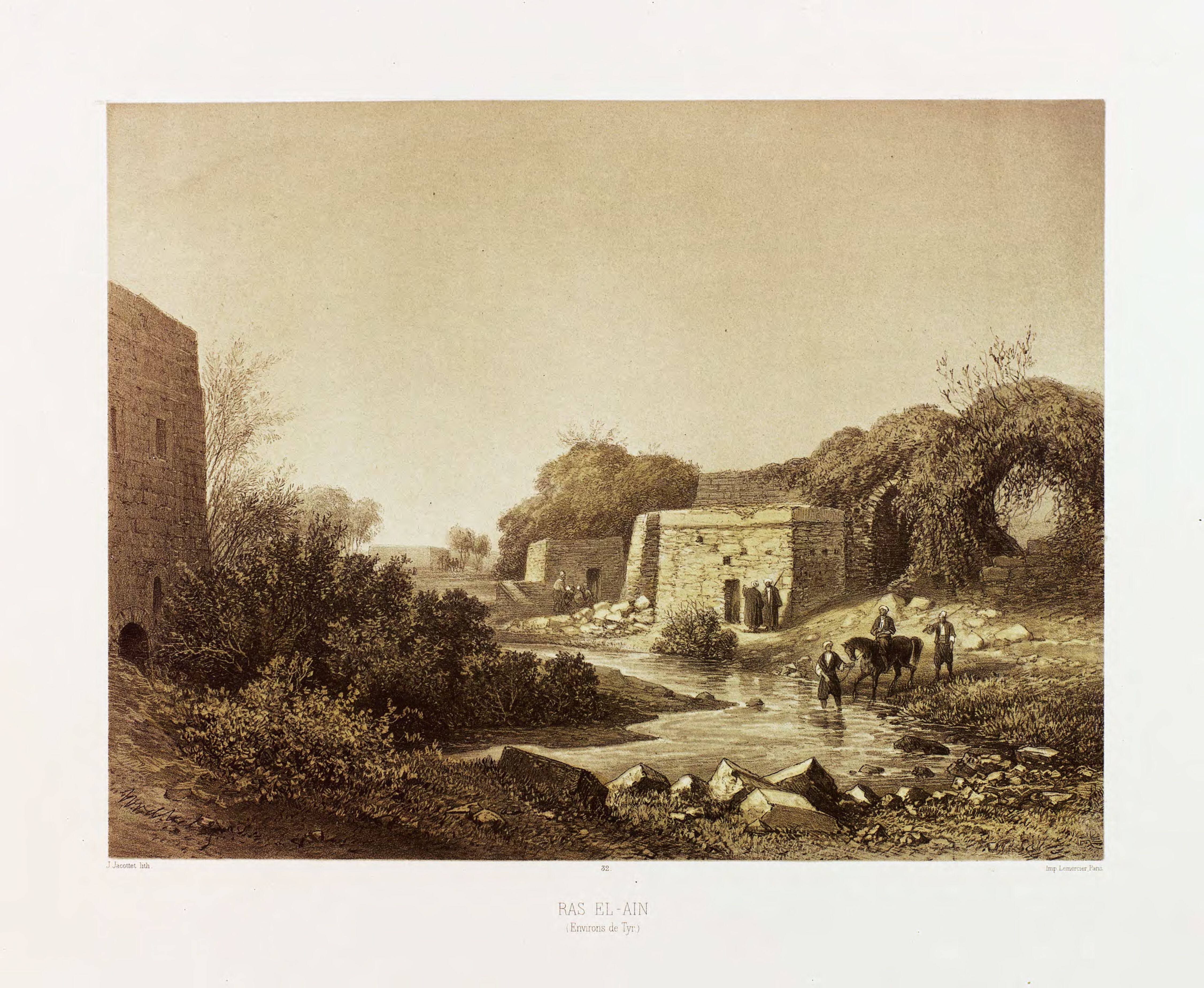
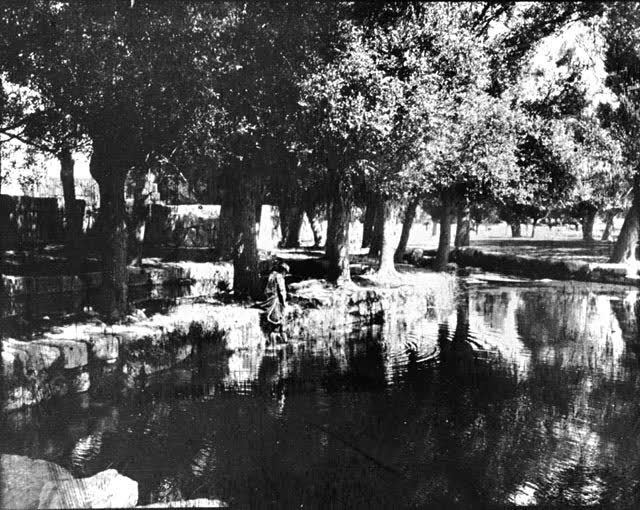
Ras el Ain, located in the fertile plains south of Tyre, Lebanon, is a site of significant archaeological interest due to its extensive water management features, notably from the Roman period. Historically, it served as a vital water source for the ancient city of Tyre, with its artesian wells and robust aqueducts. The site displays remarkable masonry, evidenced by the remains of aqueducts with round arches and cornices, which highlight the engineering prowess of the Roman era. The presence of these features, combined with historical references such as the Mosaic of Rehob, underscores Ras el Ain's long-standing importance across various periods, from the Late Bronze Age through the Classical Period to modern times. Its continued use and preservation reflect its enduring significance in the region’s history.
Gallery
Explore photographs of ancient structures, artifacts, and archaeological excavations
Historical Timeline
Journey through time and discover key events in this site's history
Phoenician Water Source
1500 BCE - 1200 BCE
Roman Aqueduct Construction
0 CE - 400 CE
Mosaic Mention
200 CE - 300 CE
PEF Survey
1881 CE
Archaeological Features
Unique architectural and cultural elements found at this historical site
Water Management Features
Industrial and Craft Structures
Artistic and Decorative Features
Frequently Asked Questions
Plan Your Visit
Tours, travel arrangements, and practical information
More Sites in Lebanon
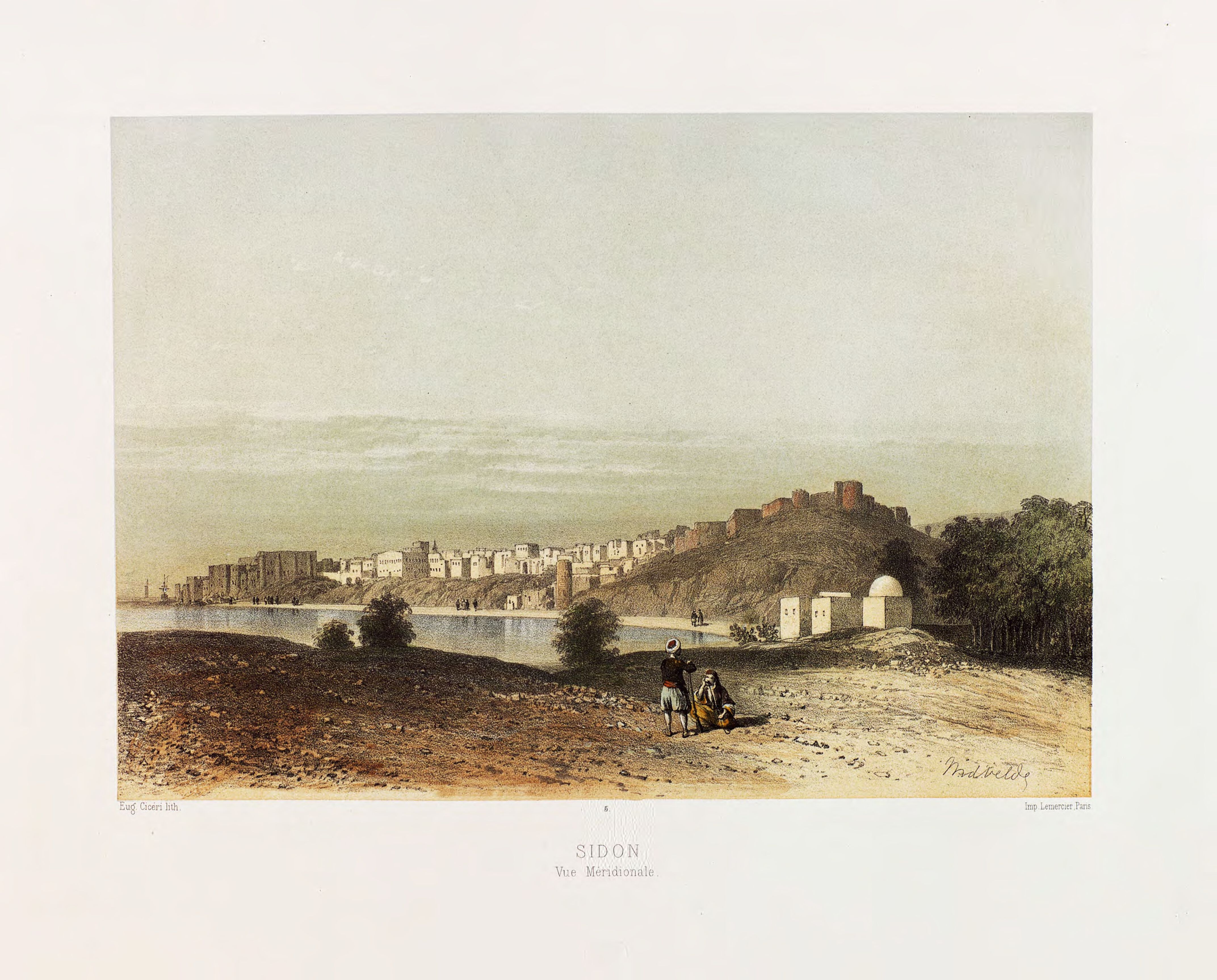
Sidon
Ancient Phoenician city with rich history
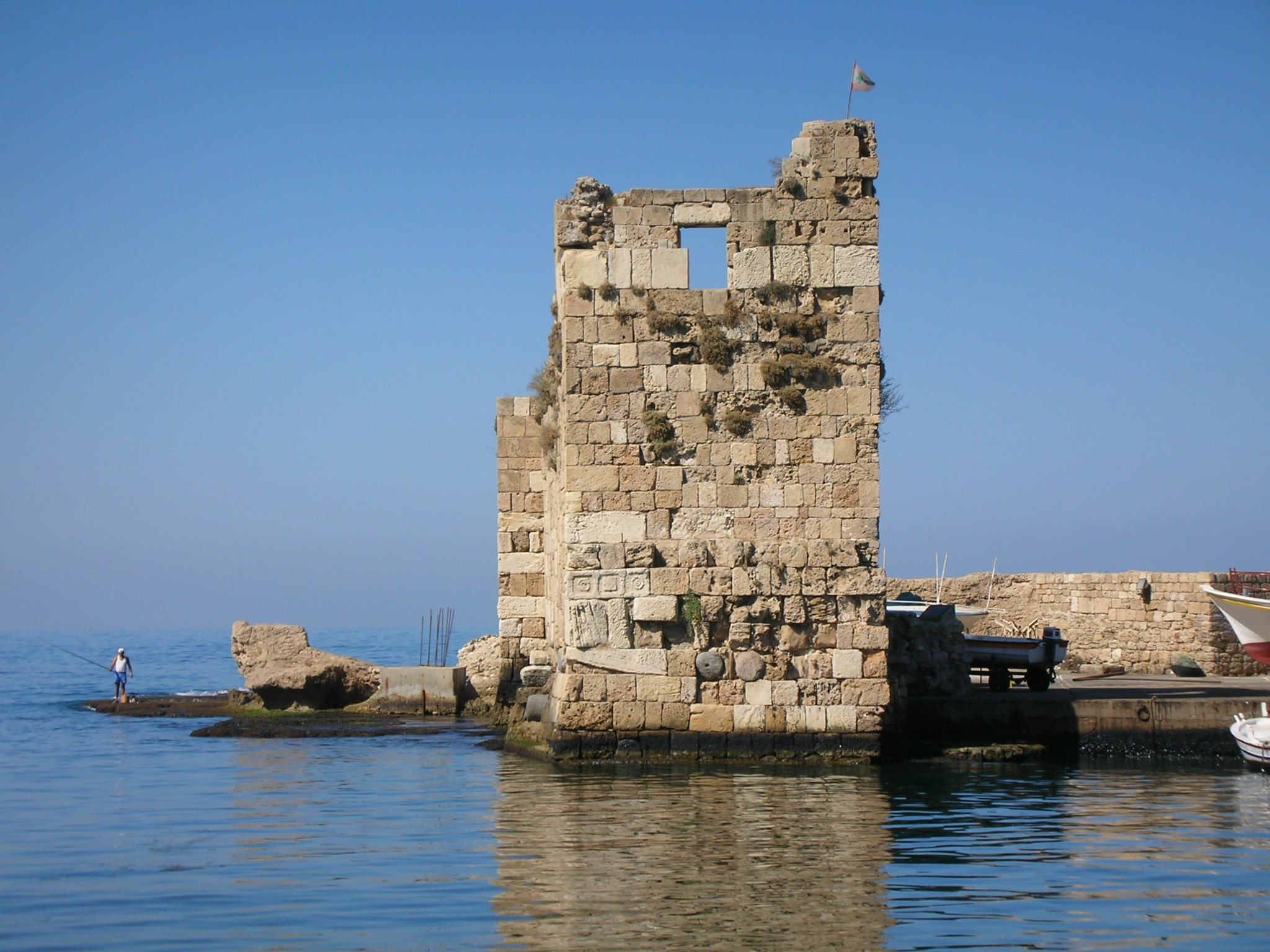
Byblos
Ancient city with layered historical strata
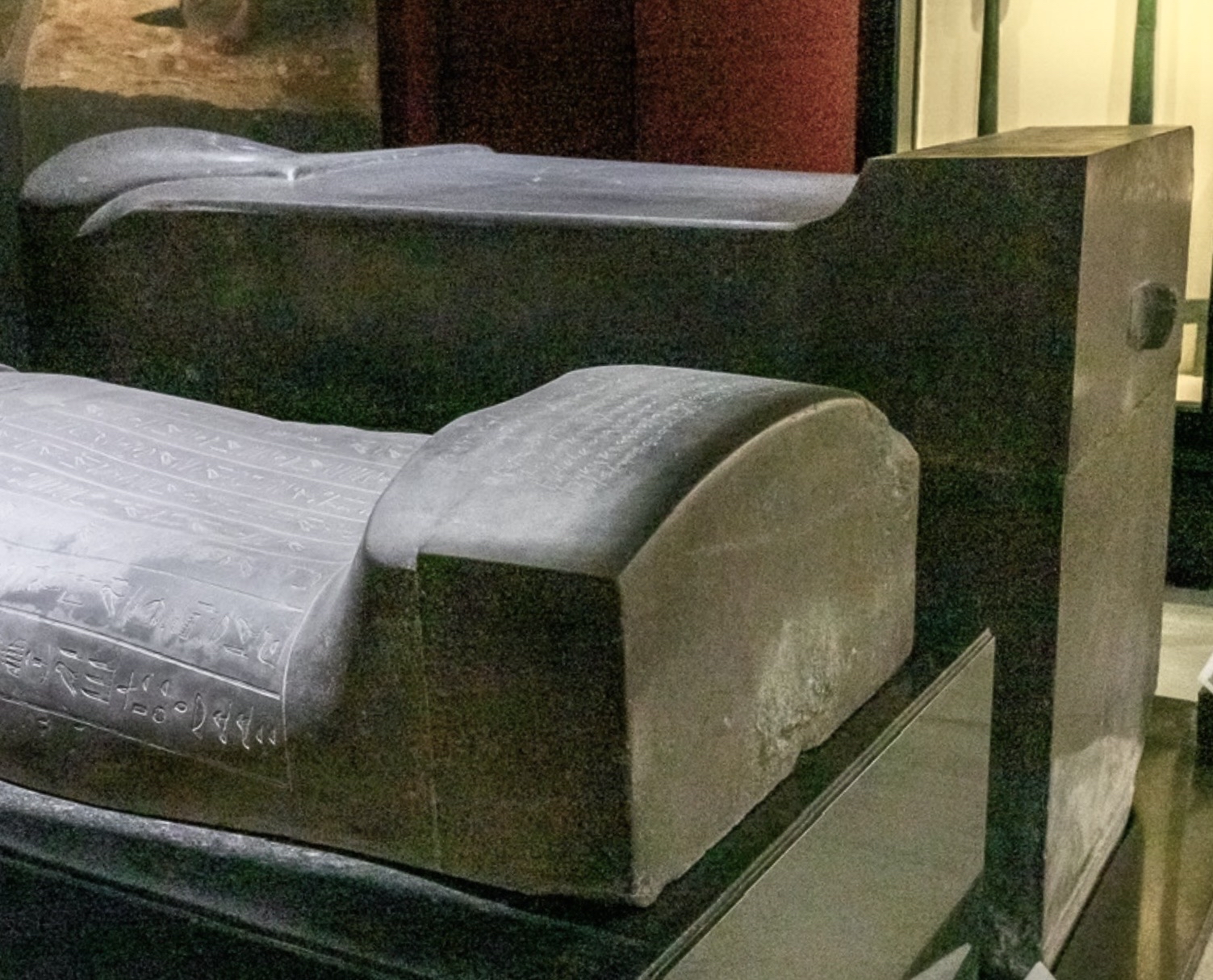
Royal necropolis of Ayaa
Subterranean necropolis with diverse sarcophagi styles.
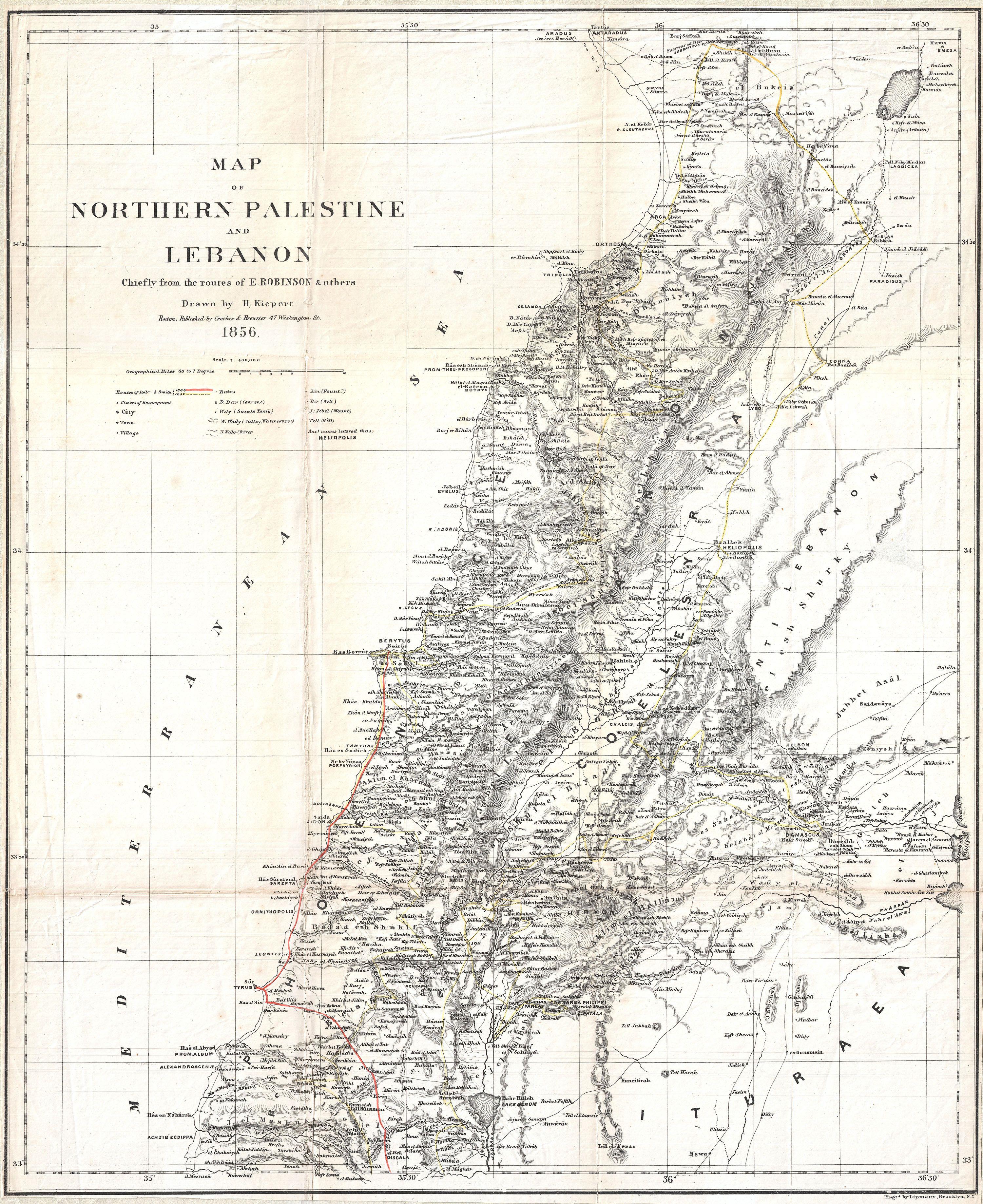
Baalbek
Ancient city with Roman temples and ruins

Tyre, Lebanon
Ancient Phoenician city with harbor remains
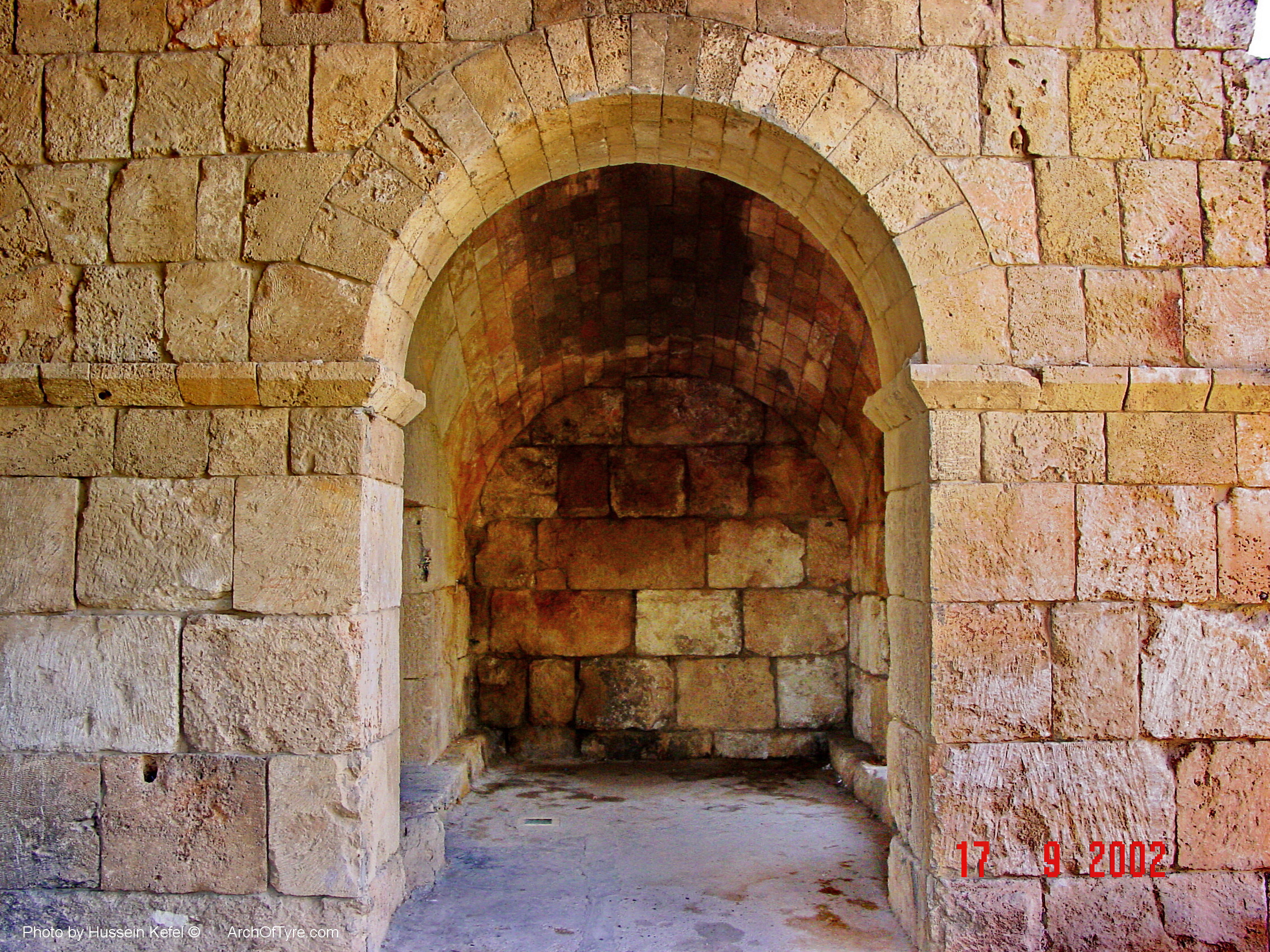
Tyre Hippodrome
Roman-era chariot racing hippodrome in Tyre.