Time Periods
Paleolithic
Mesolithic
Neolithic
Chalcolithic
Bronze Age
Iron Age
Classical Period
Post-Classical Period
Early Modern Period
Industrial Period
Contemporary Period
Time Periods
Paleolithic
Mesolithic
Neolithic
Chalcolithic
Bronze Age
Iron Age
Classical Period
Post-Classical Period
Early Modern Period
Industrial Period
Contemporary Period
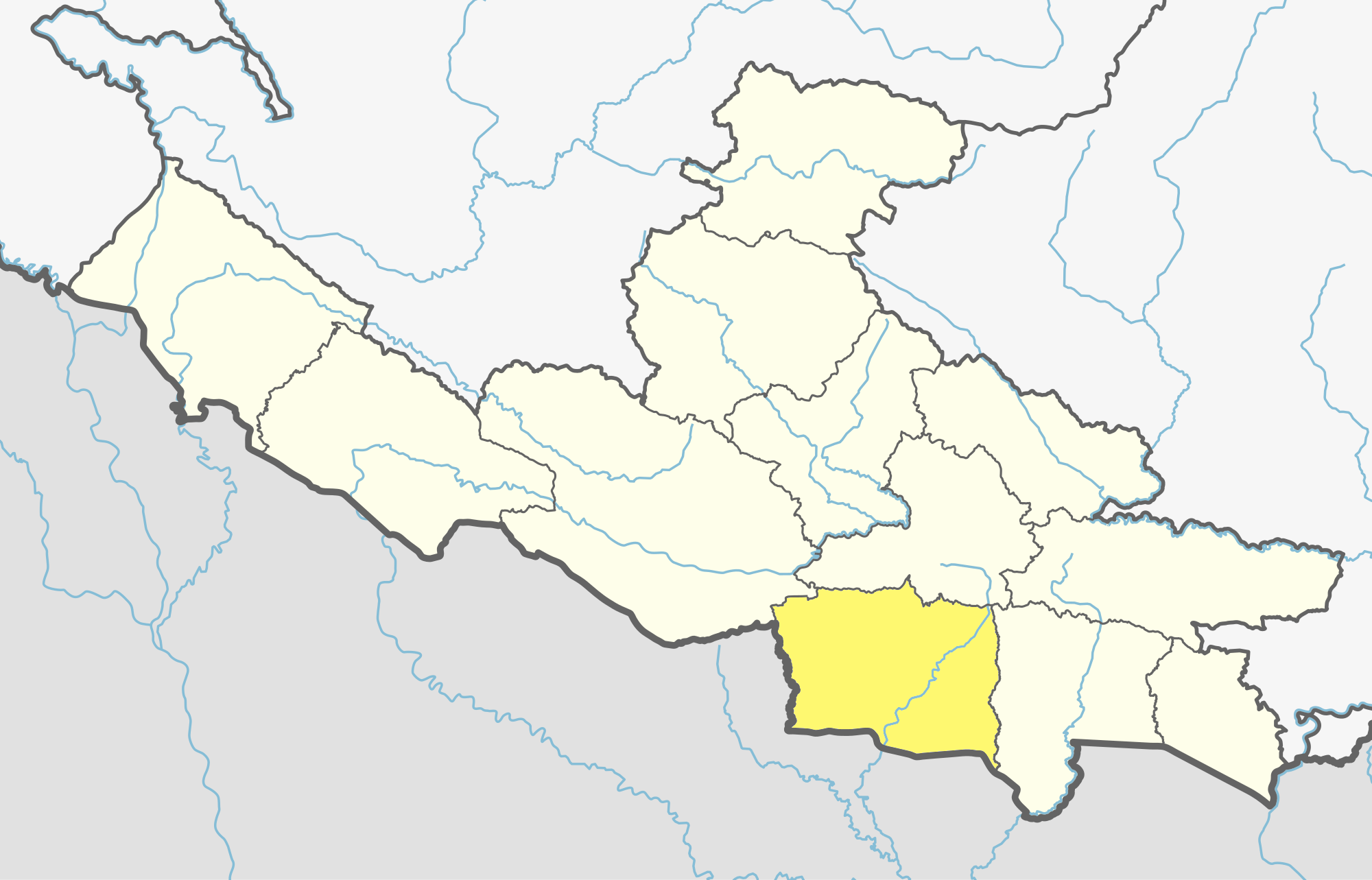
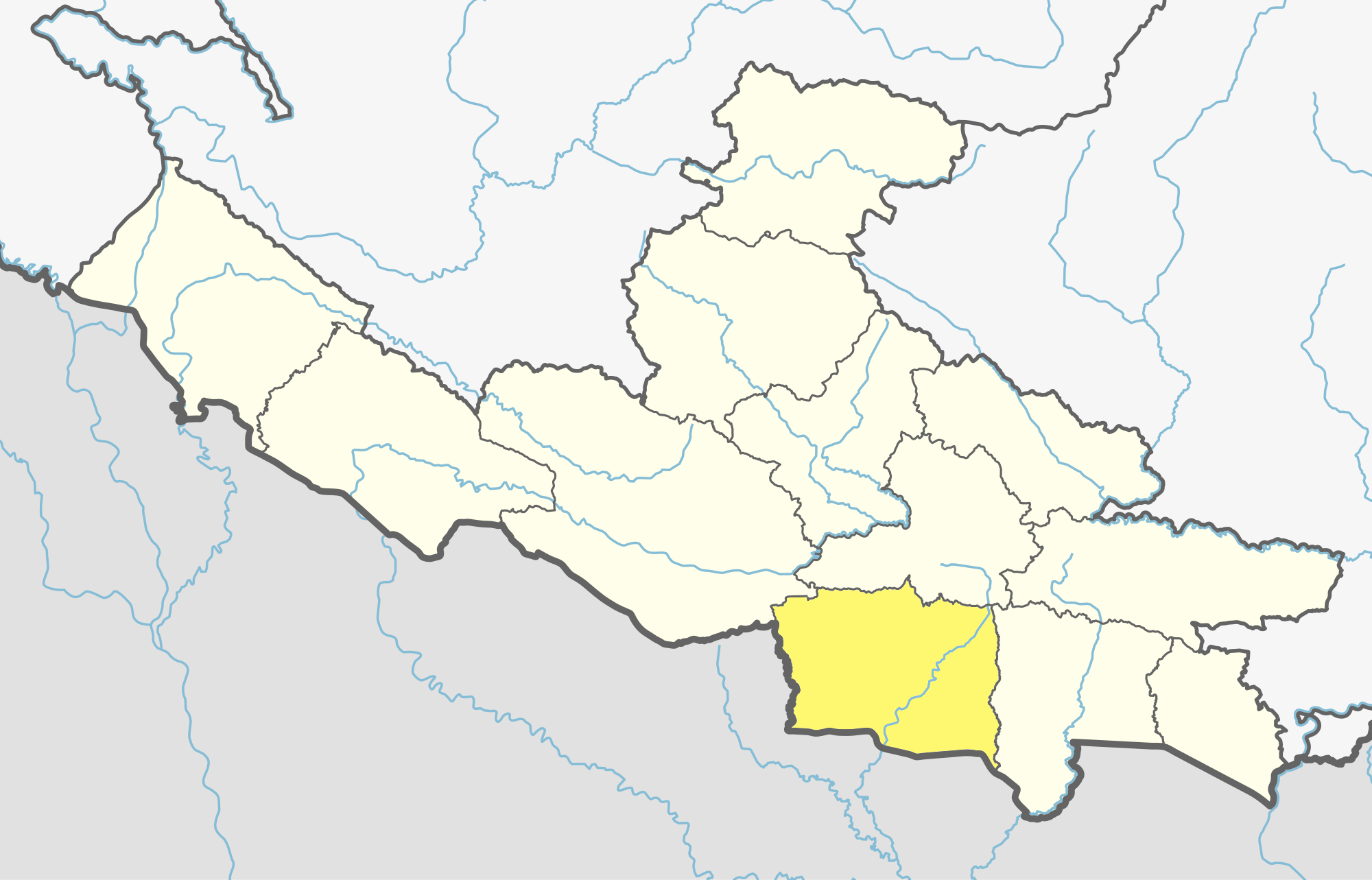
Location
About
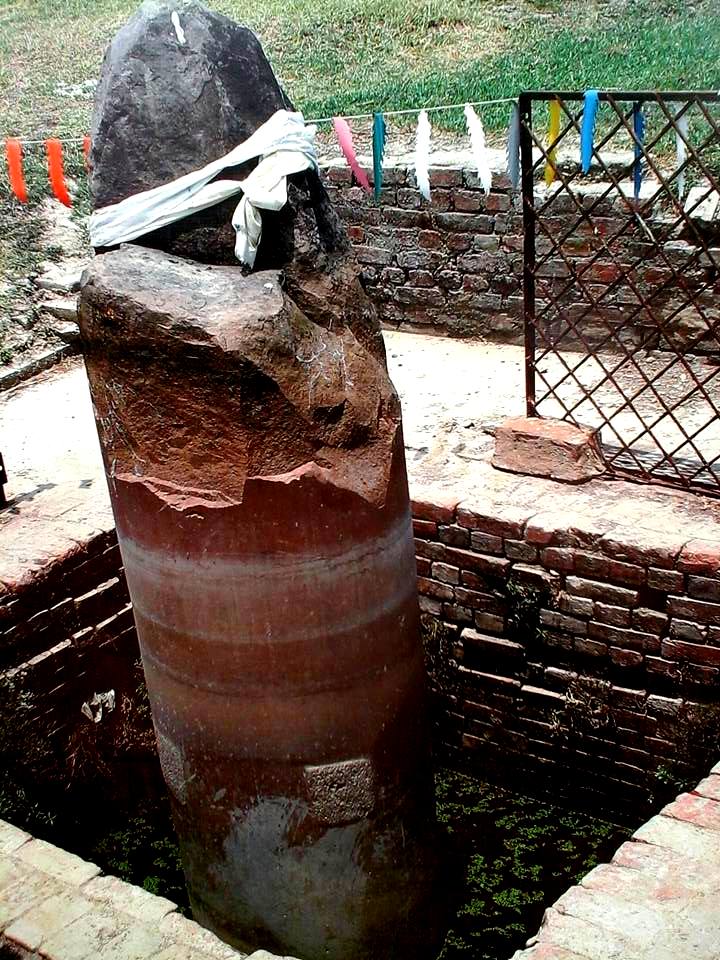
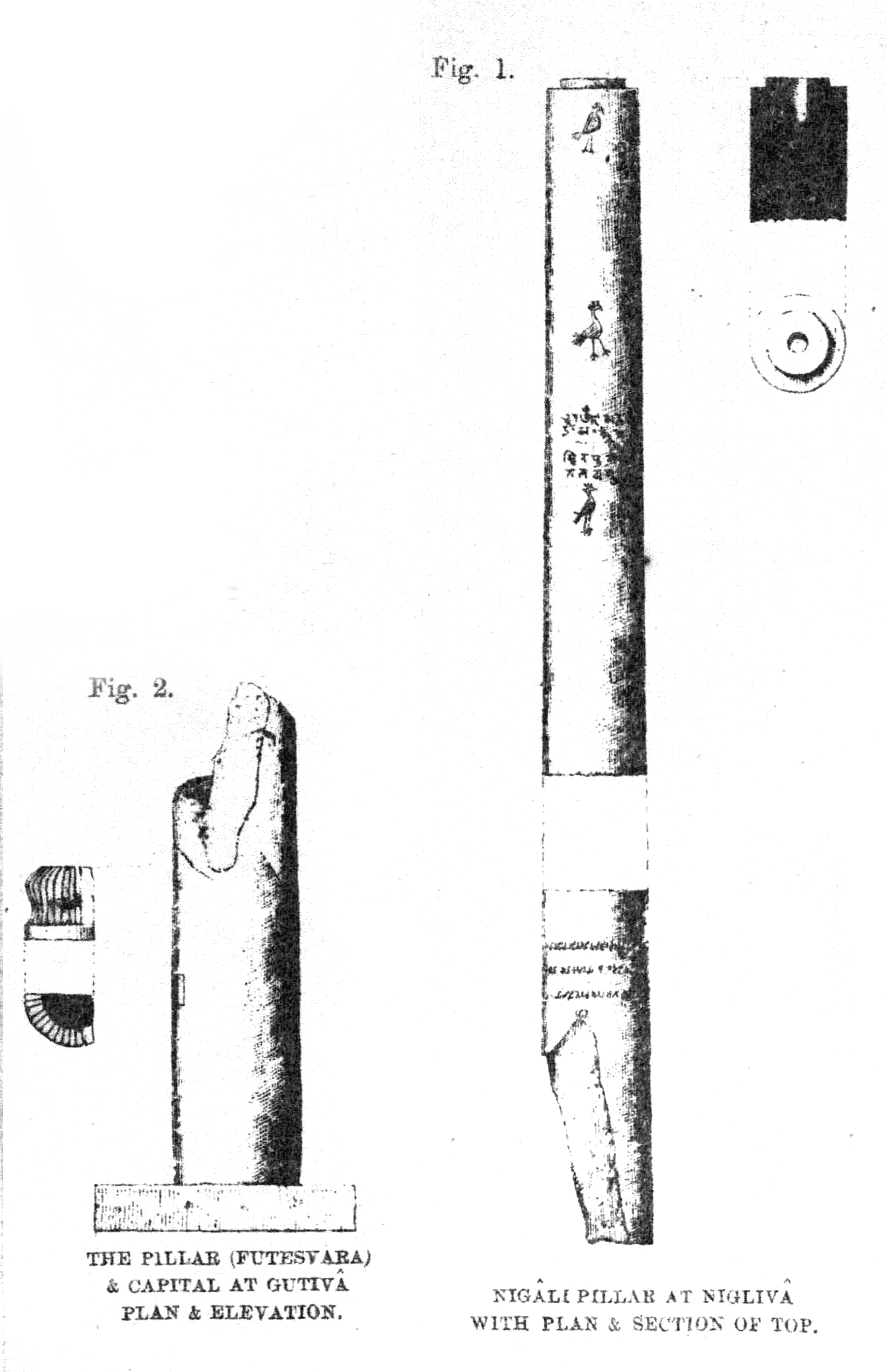
Gotihawa, historically known as Khemavati, is a significant archaeological site located in southern Nepal, near Kapilavastu. It is renowned for its connection to the Theravāda Buddhist tradition, being the birthplace of Kakusandha Buddha, one of the ancient Buddhas. A notable archaeological feature of Gotihawa is the base of a Pillar of Ashoka, a remnant of the Mauryan dynasty during the 3rd century BCE. The pillar's existence underscores the region's historical importance in the spread of Buddhism and the Mauryan influence in the region. The site is a testament to the area's long-standing spiritual and cultural heritage, highlighted by its integration into the narrative of the Buddhist Pāli Canon.
Gallery
Explore photographs of ancient structures, artifacts, and archaeological excavations at Gotihawa
Archaeological Features
Explore the unique architectural and cultural elements found at this historical site
Religious and Ritual Structures
Historical Timeline
Journey through time and discover key events in this site's archaeological history
Plan Your Visit
Details
- Country
- Nepal
- Source
- Wikipedia
More Sites in Nepal
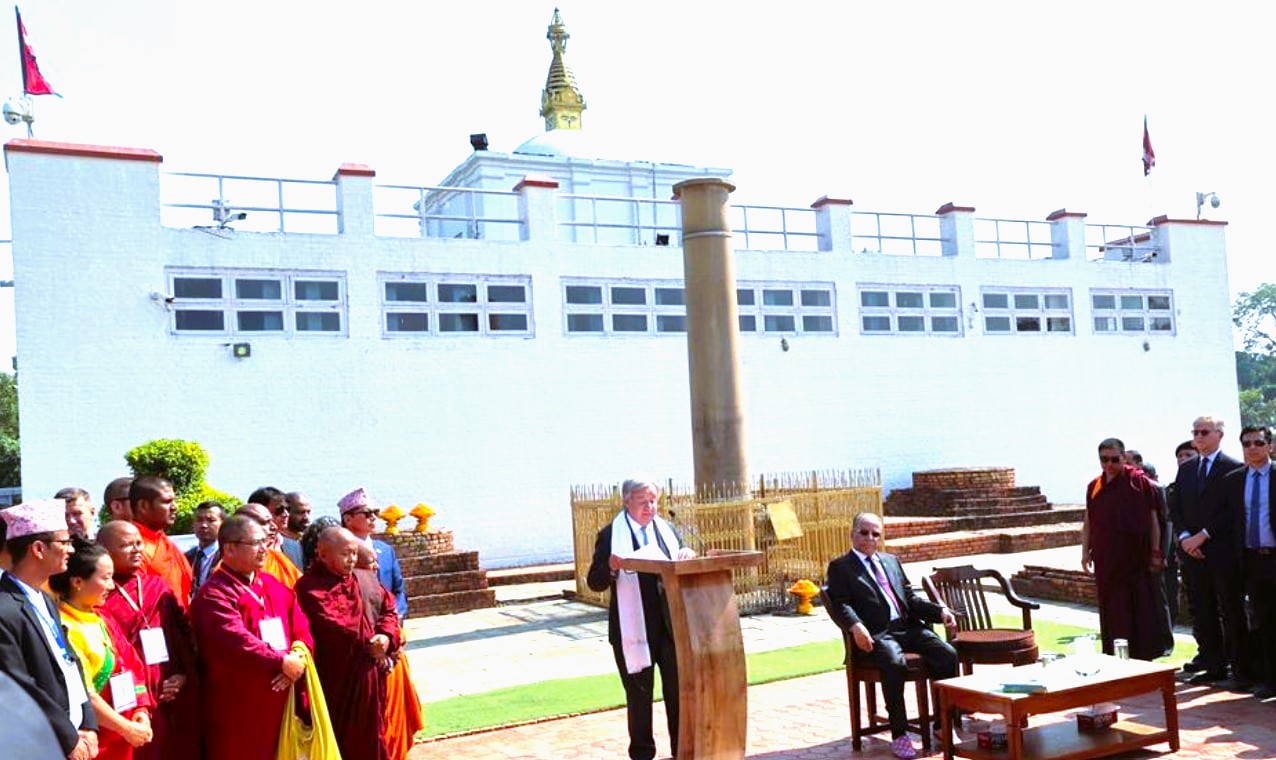
Lumbini
Ancient Buddhist pilgrimage site in Nepal
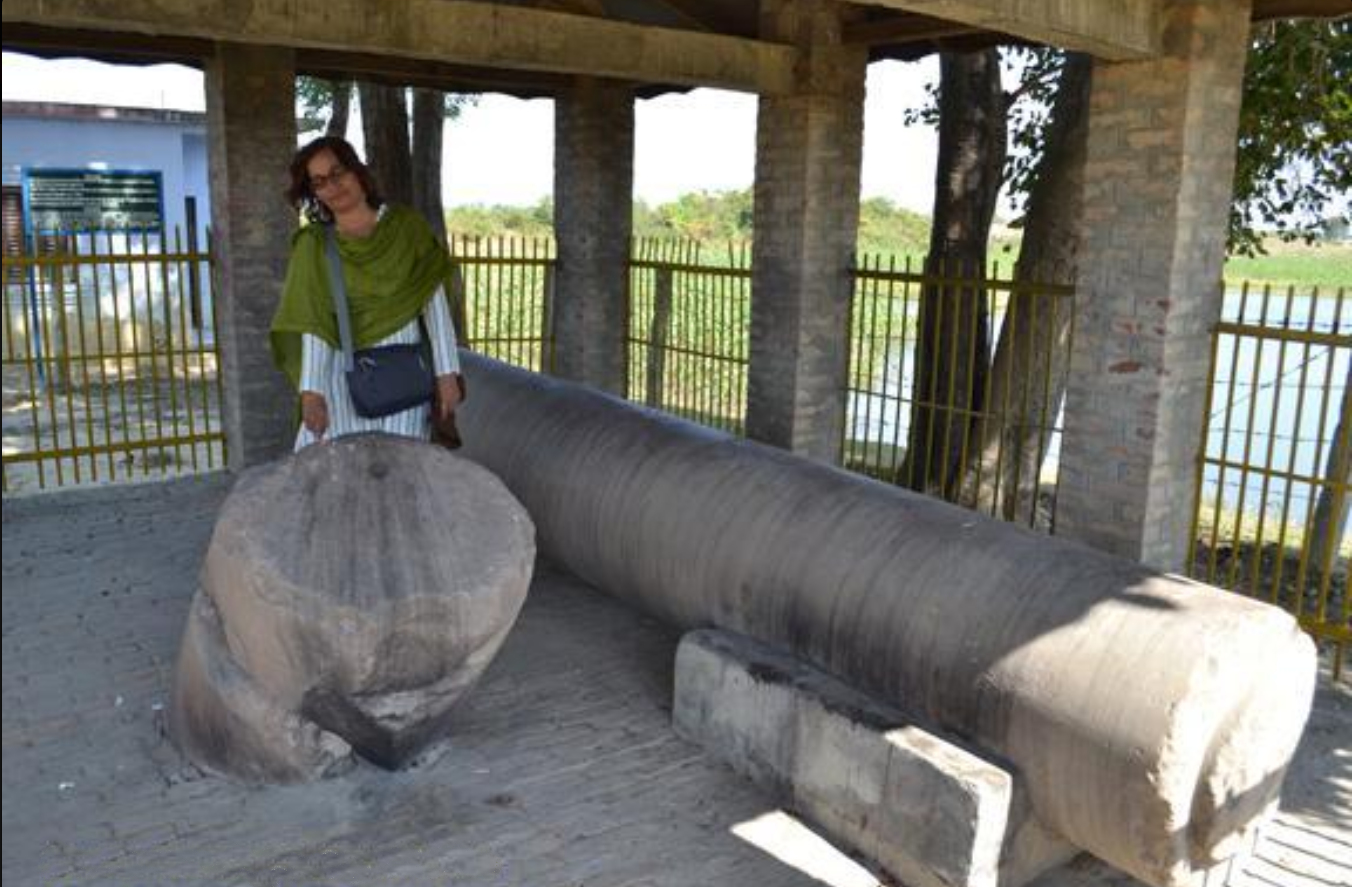
Nigali Sagar
Ashokan pillar with ancient inscriptions
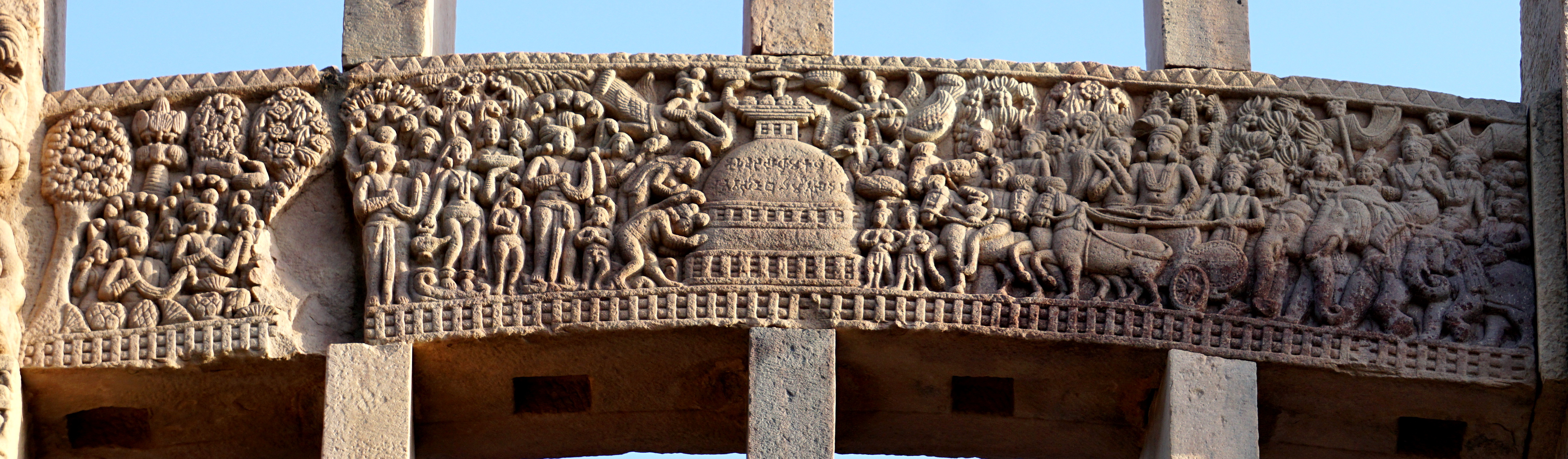
Ramagrama stupa
Intact Buddhist stupa with Buddha relics
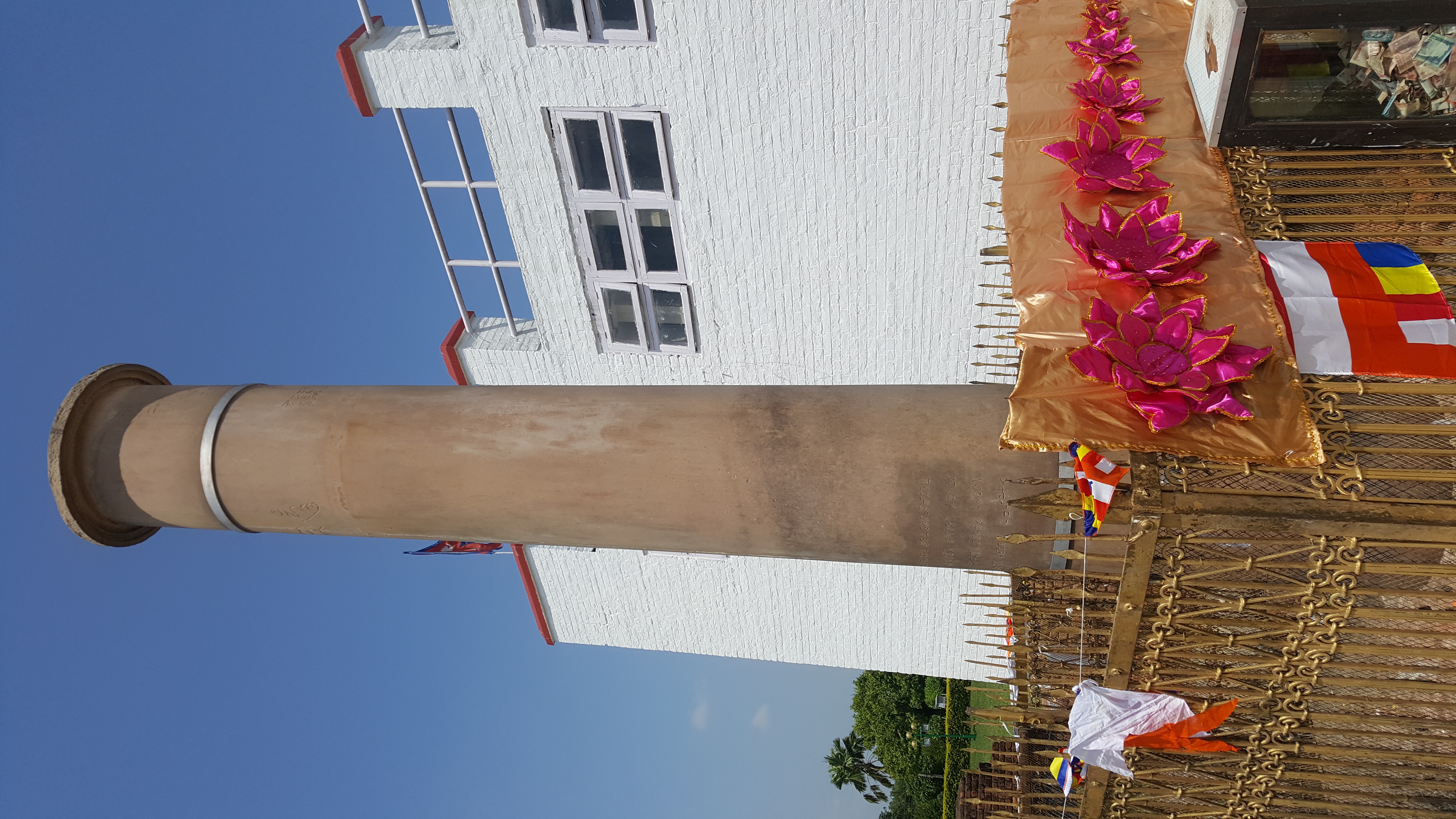
Lumbini pillar inscription
Ashokan pillar with Brahmi inscription
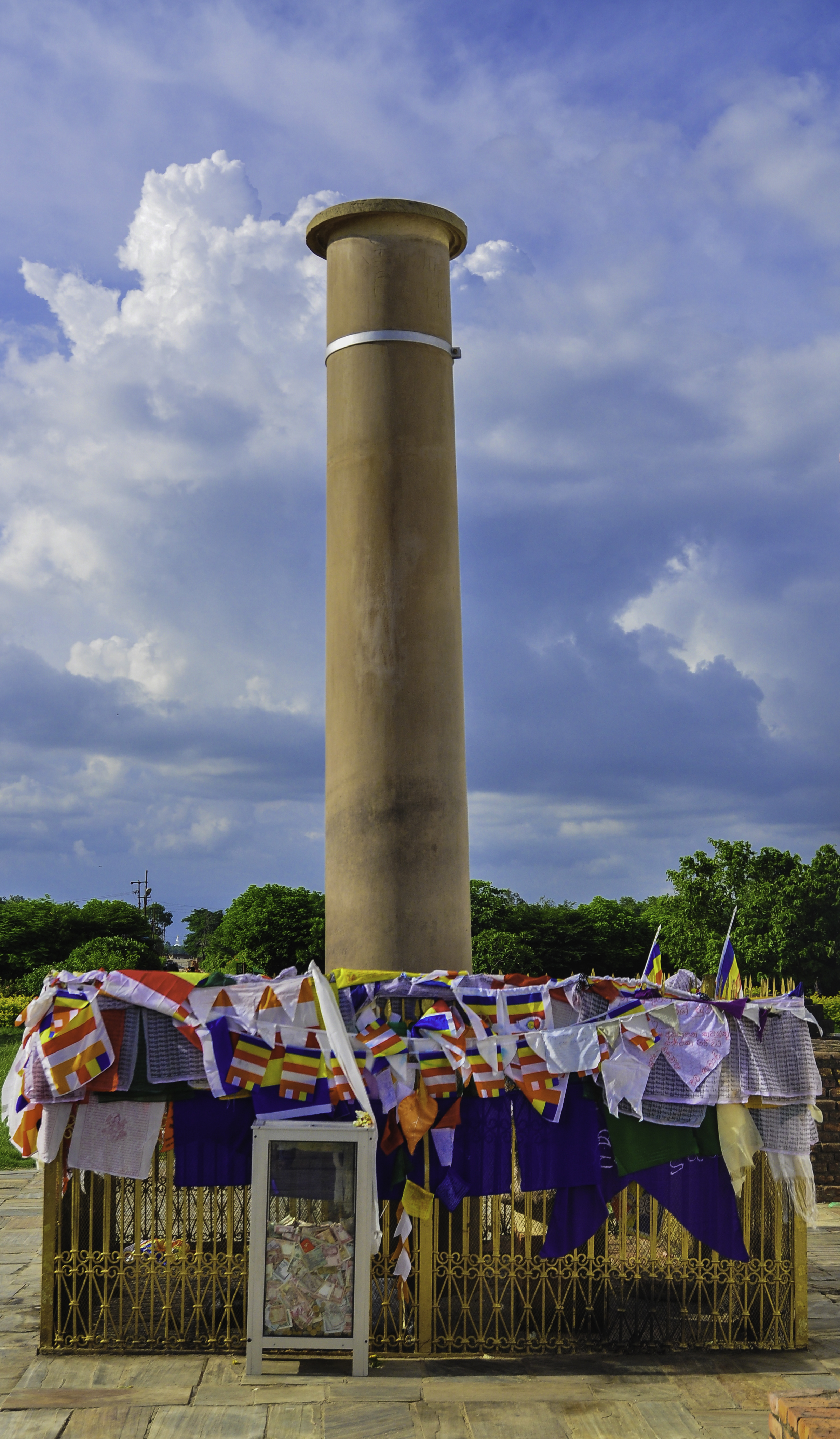
Maya Devi Temple, Lumbini
Ancient temple at Buddha's birthplace, Lumbini.
Tilaurakot
Fortified ancient city with monumental gateways