
Explore the Map
Cherung Royal Tomb
37.8961° N, 126.5567° E
About
The Cherŭng Royal Tomb, also known as Jeneung Royal Tomb, is a significant archaeological site from the 15th century CE, located in Kaesong, North Korea. It serves as the resting place of Queen Sinui, the first wife of Yi Song-gye, the founder of the Joseon dynasty. Constructed in 1392, the tomb was built shortly after her death, featuring a carved granite base and an accompanying 'spirit road' flanked by statues of military officers and Confucian officials. Despite its historical importance, the tomb is not included in the World Heritage Site listing for the Royal Tombs of the Joseon Dynasty due to its location in North Korea. This site embodies the cultural and political transitions from the Goryeo to the Joseon dynasty, providing insight into the era's funerary practices and artistic expressions.
Historical Timeline
Journey through time and discover key events in this site's history
Death of Queen Sinui
1392 CE
Posthumous Title Awarded
1392 CE
Construction of Cherŭng Royal Tomb
1392 CE
Archaeological Features
Unique architectural and cultural elements found at this historical site
Burial and Funerary Structures
Artistic and Decorative Features
Transportation and Communication Structures
Plan Your Visit
Tours, travel arrangements, and practical information

More Sites in North Korea
Mausoleum of King Wang Kŏn
Goryeo mausoleum in Kaesŏng, North Korea
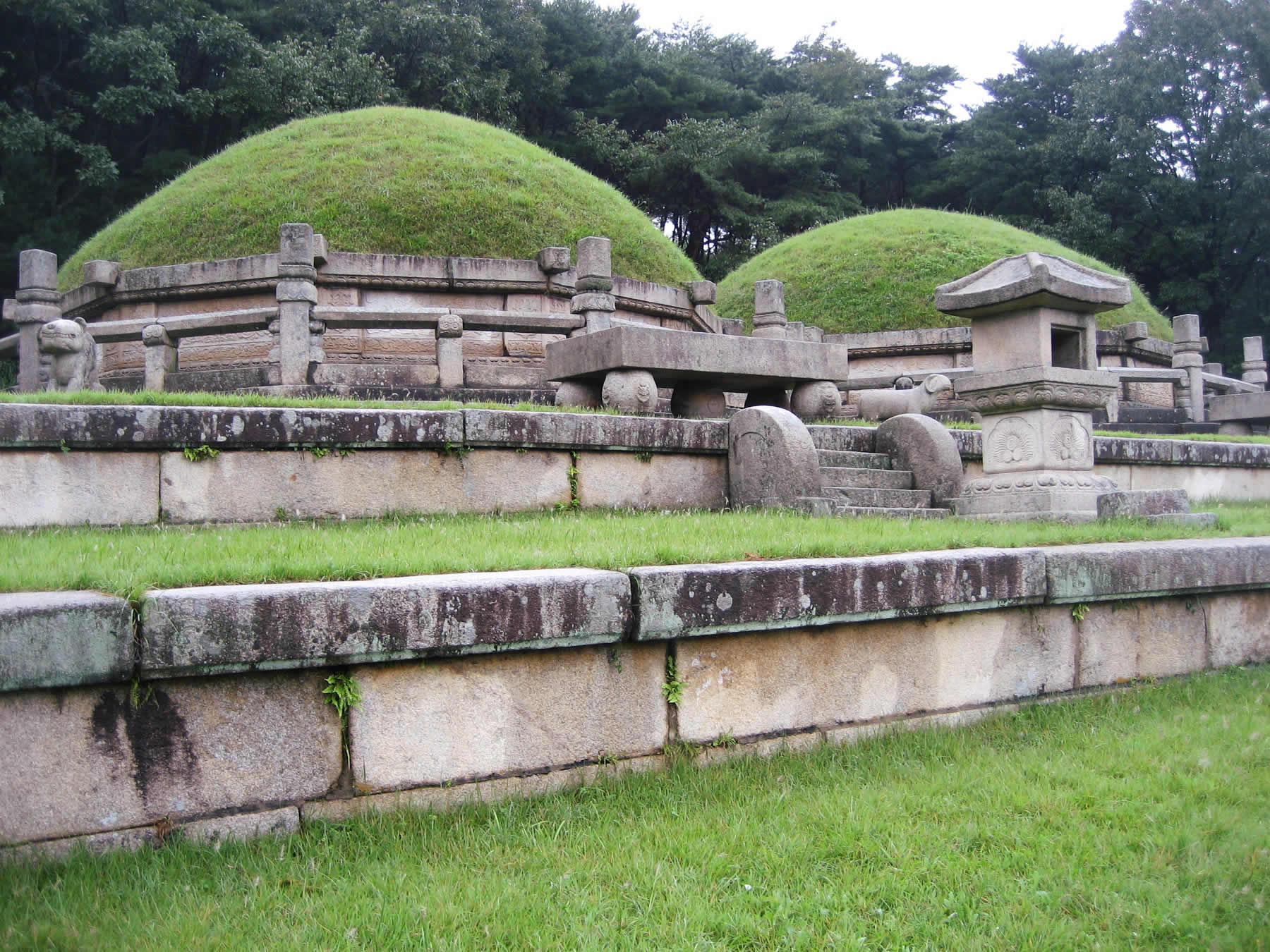
Mausoleum of King Kongmin
14th-century Goryeo royal tombs with statues
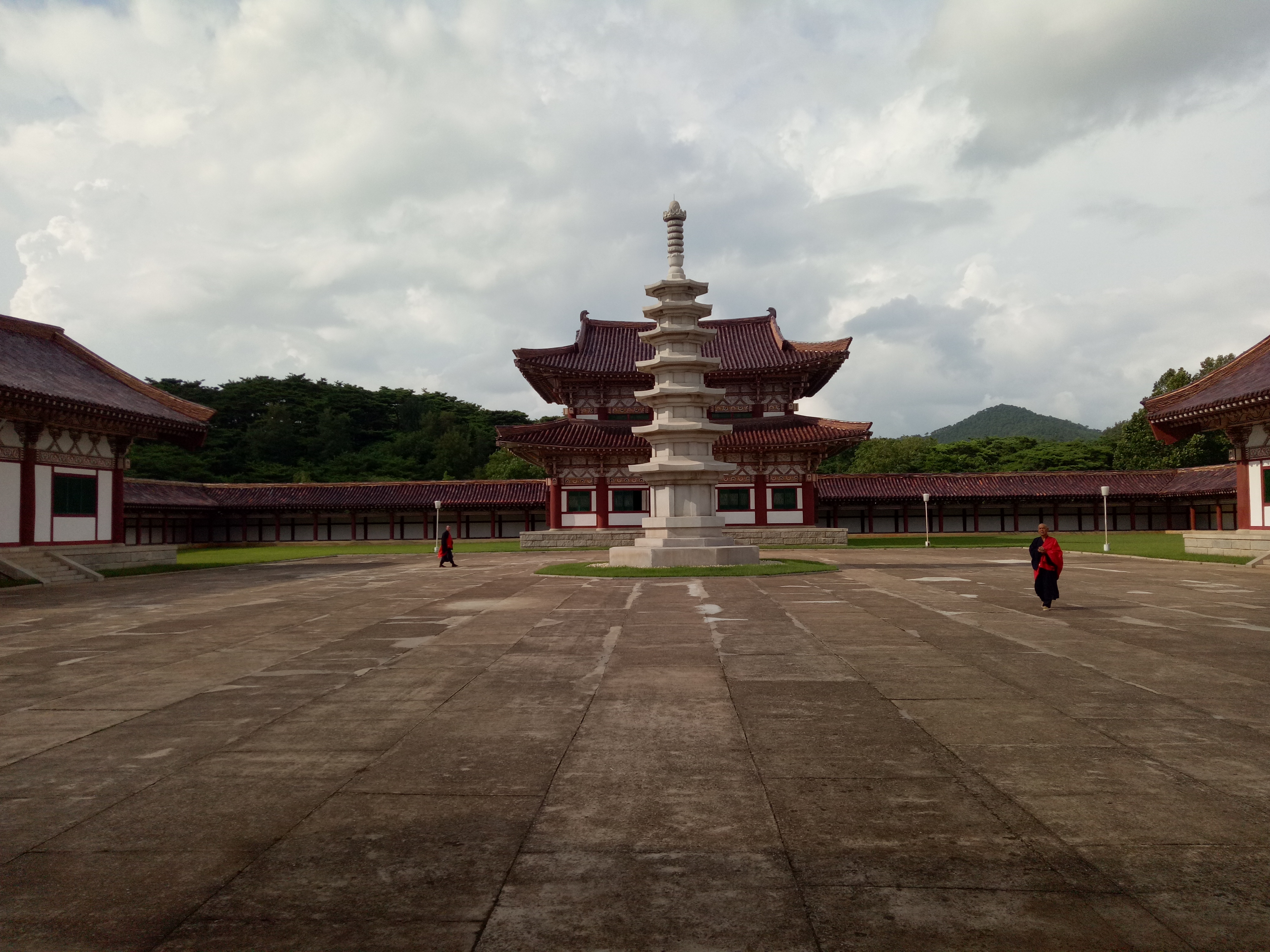
Tomb of King Tongmyong
Goguryeo royal tomb with Buddhist murals
Hurung
15th-century royal Joseon mausoleum with statues
Sungin Hall
14th-century Korean shrine with gable roof
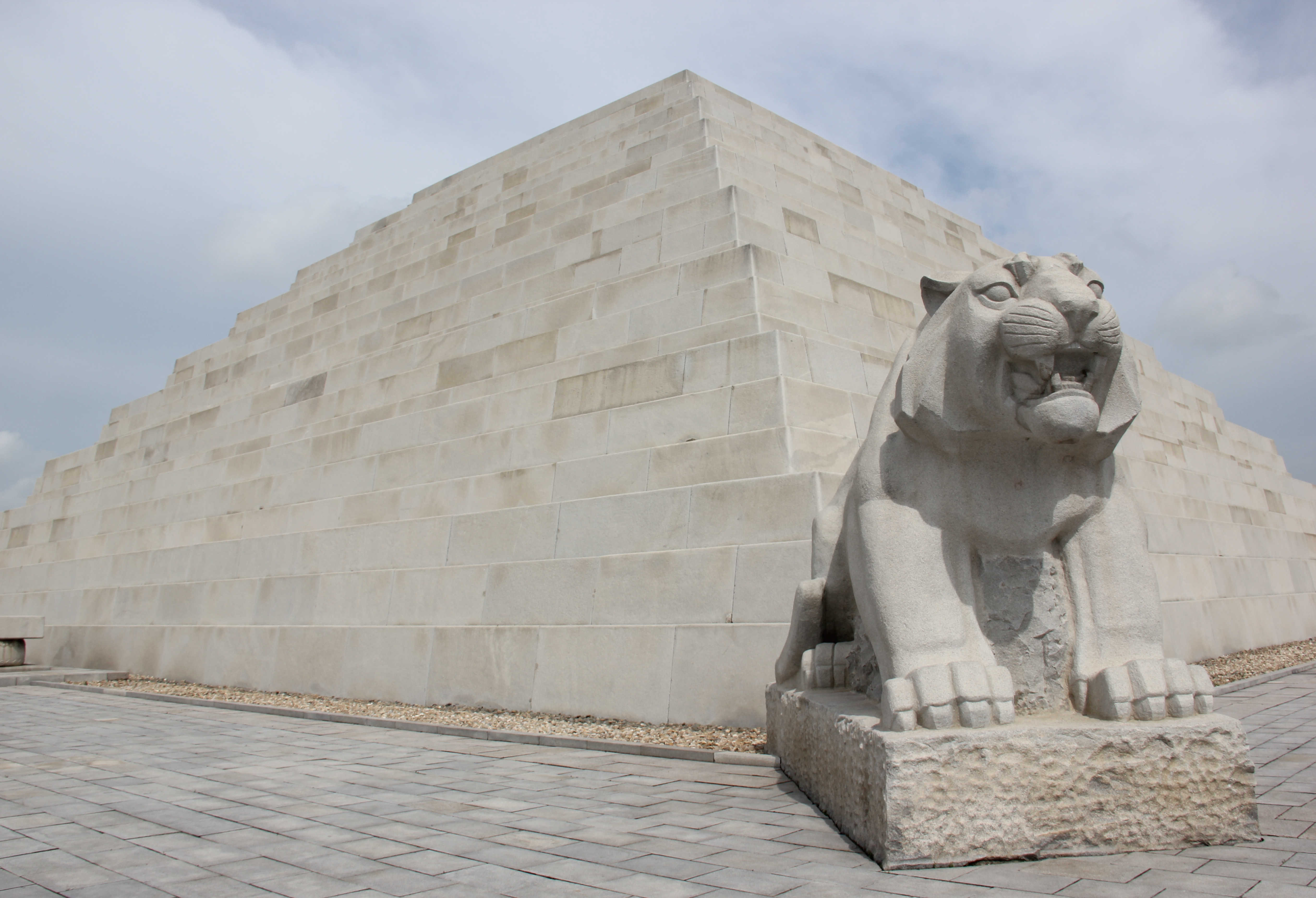
Mausoleum of Tangun
Step pyramid tomb in North Korea.