
Explore the Map
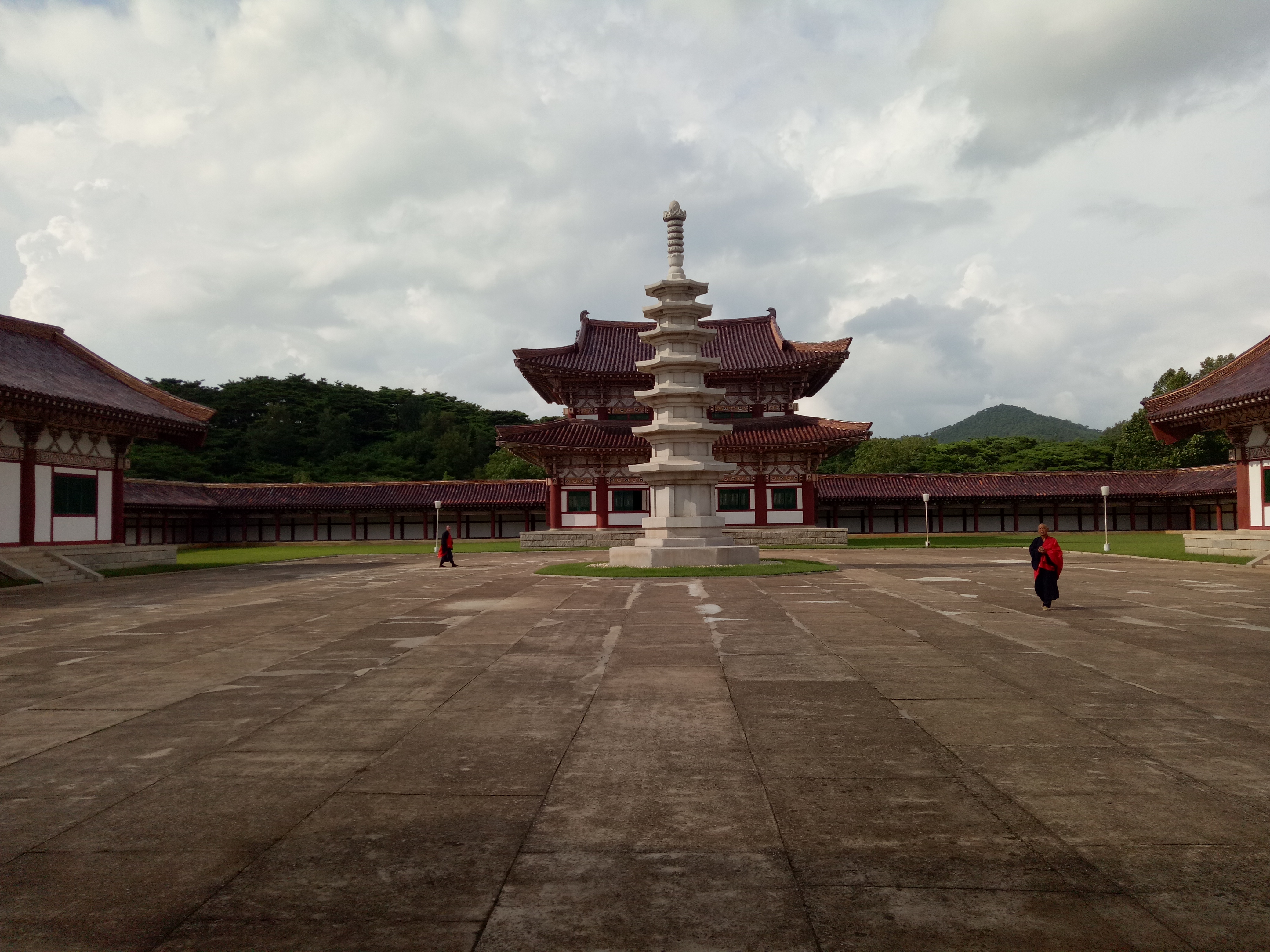
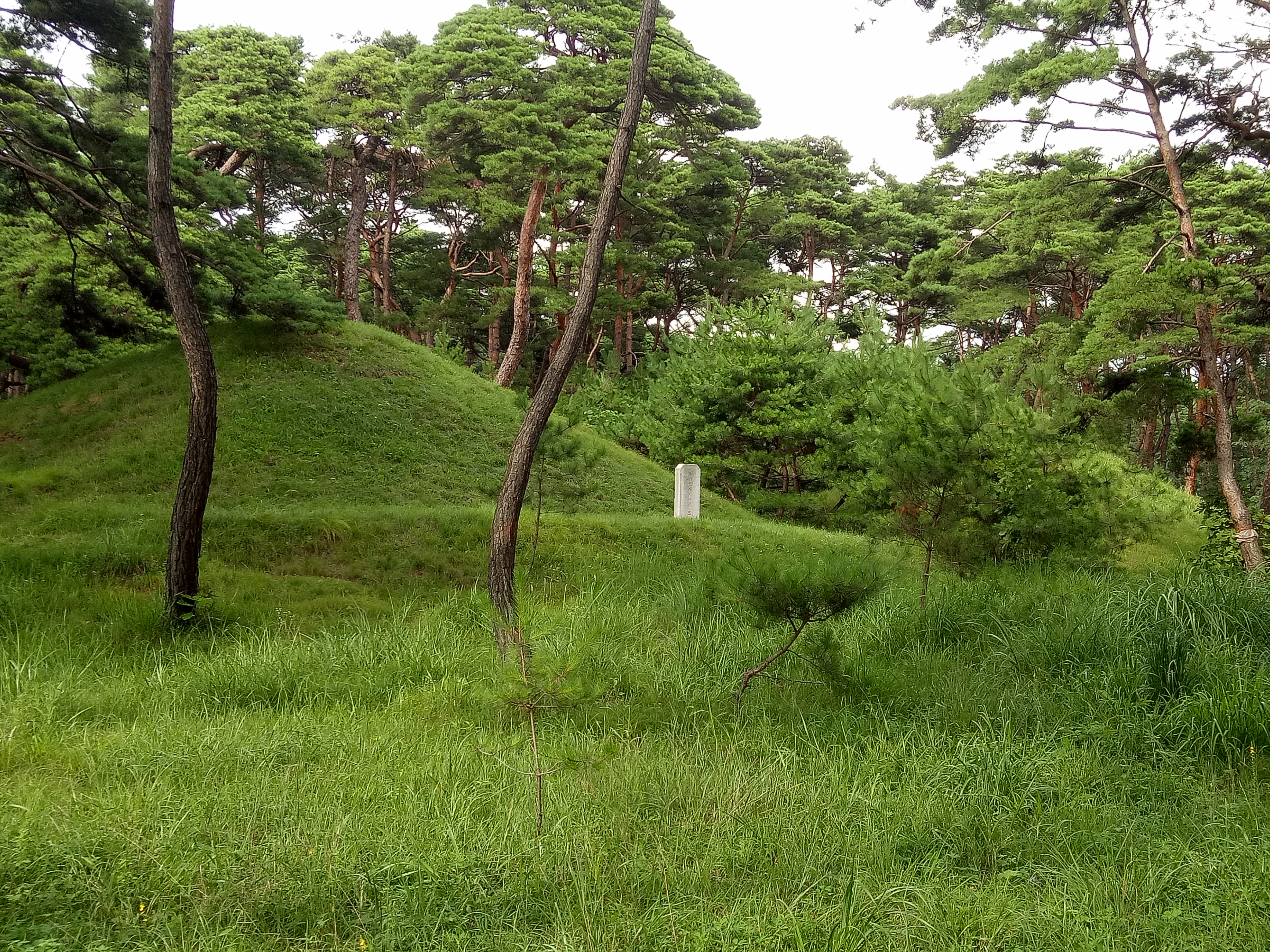
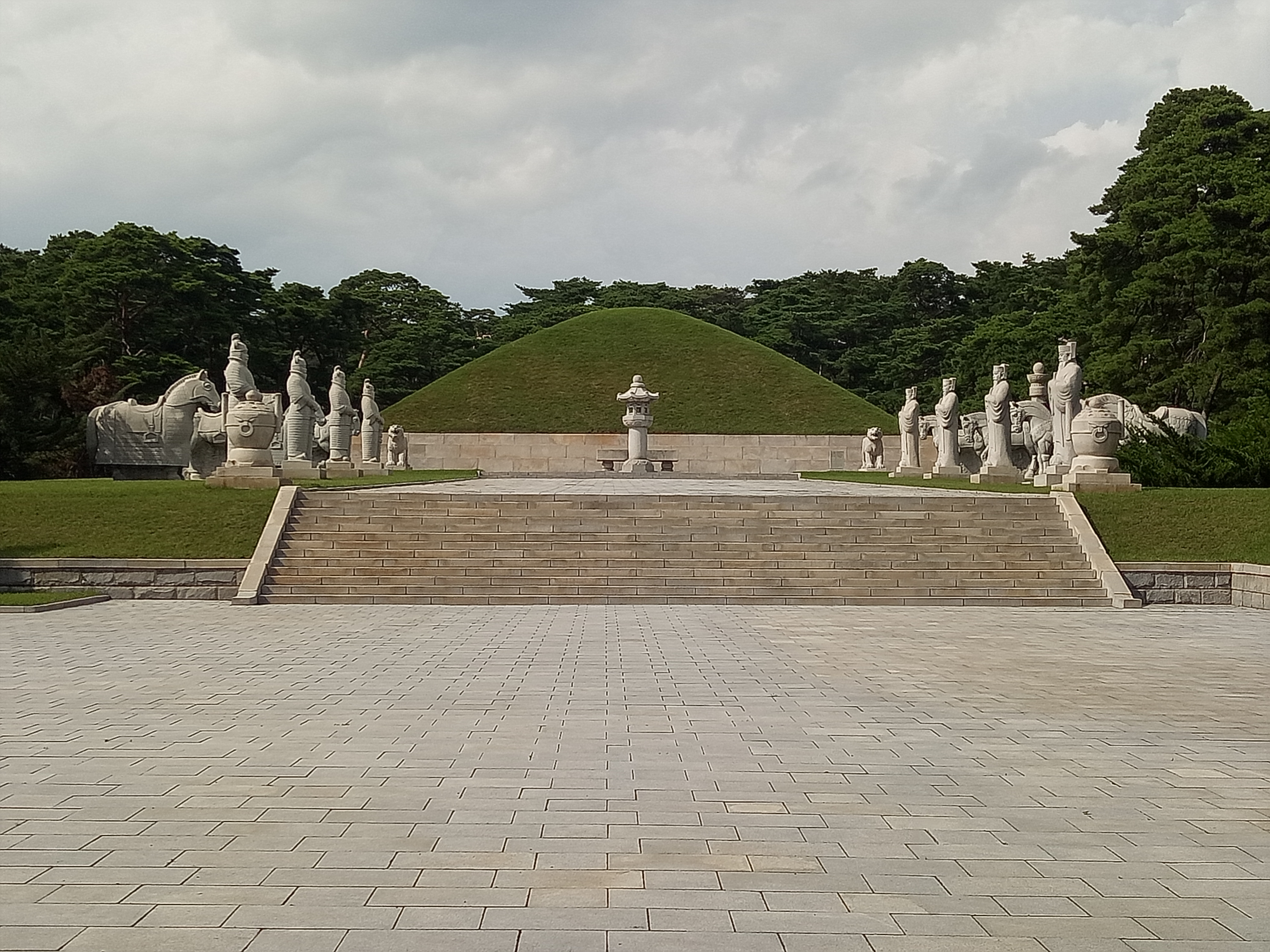
Tomb of King Tongmyong
38.8953° N, 125.9230° E
About
The Tomb of King Dongmyeong, located near Ryongsan Village in Pyongyang, North Korea, is a significant archaeological site, known for its status as the burial place of Jumong, the founder of the Goguryeo Kingdom. The mausoleum is part of a larger complex of 63 tombs from the Goguryeo period, showcasing early Korean art and culture. The tombs are recognized for their elaborate wall paintings, which depict Buddhist themes, and provide insights into the religious practices of the time. Originally constructed in the 5th and 6th centuries CE, the site reflects the cultural and historical evolution of the Goguryeo Kingdom. The tombs have been recognized as a UNESCO World Heritage Site, highlighting their artistic, historical, and cultural significance.
Gallery
Explore photographs of ancient structures, artifacts, and archaeological excavations
Historical Timeline
Journey through time and discover key events in this site's history
King Jumong's Reign
58 BCE - 19 BCE
Tomb Construction
5th century CE
Capital Move to Pyongyang
427 CE
Archaeological Features
Unique architectural and cultural elements found at this historical site
Burial and Funerary Structures
Religious and Ritual Structures
Artistic and Decorative Features
Plan Your Visit
Tours, travel arrangements, and practical information
More Sites in North Korea
Cherung Royal Tomb
15th-century mausoleum with statues and tomb
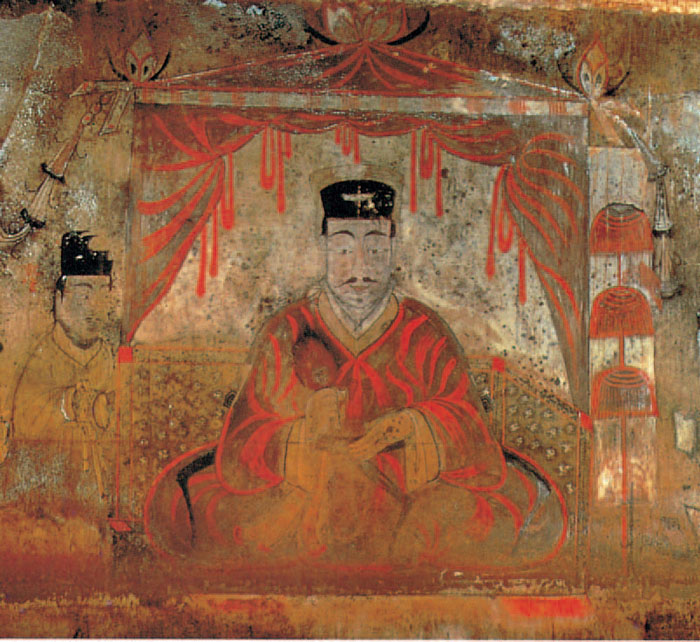
Goguryeo tombs
Ancient Korean tombs with wall paintings
Mausoleum of King Wang Kŏn
Goryeo mausoleum in Kaesŏng, North Korea
Sungin Hall
14th-century Korean shrine with gable roof
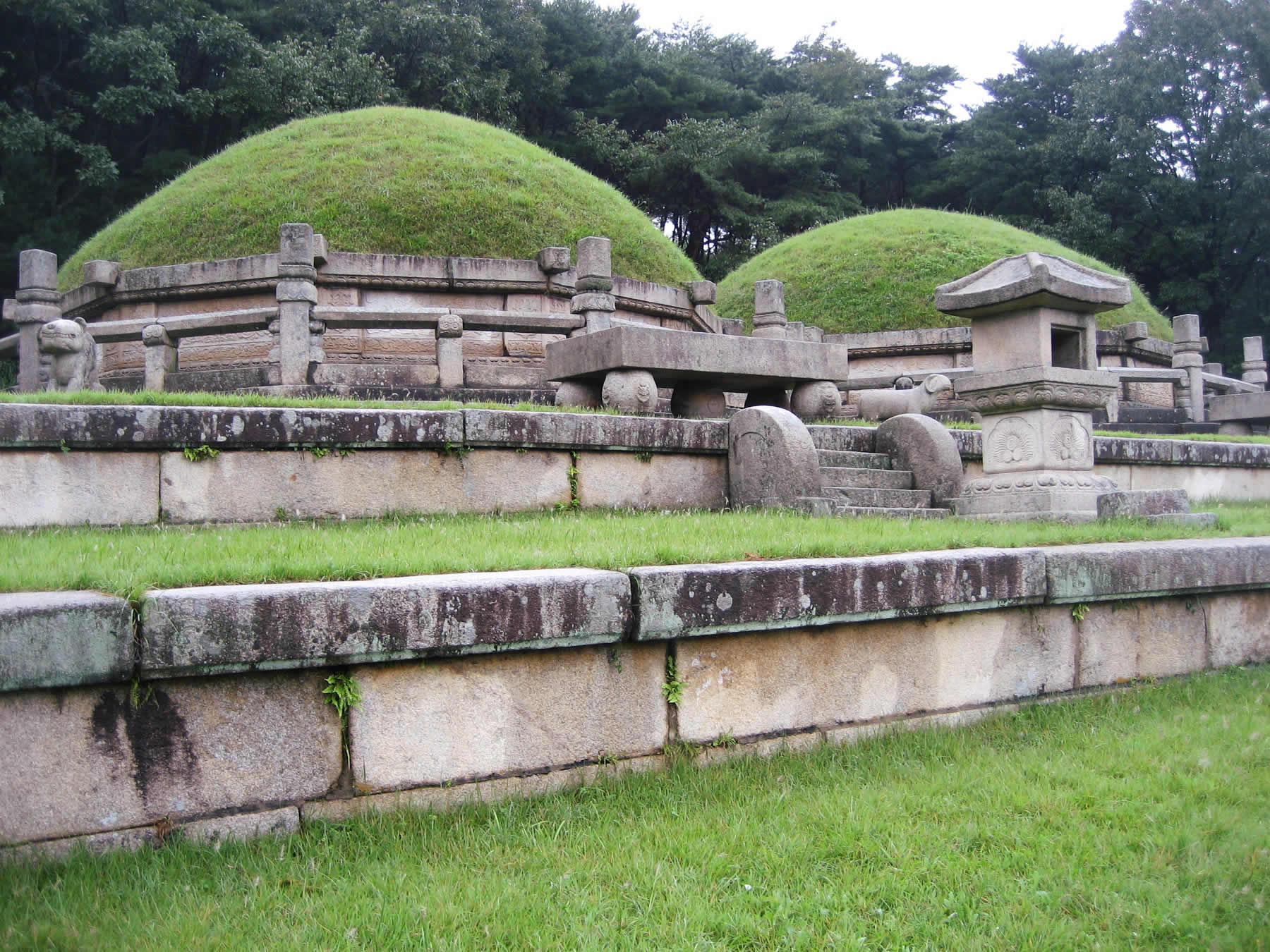
Mausoleum of King Kongmin
14th-century Goryeo royal tombs with statues
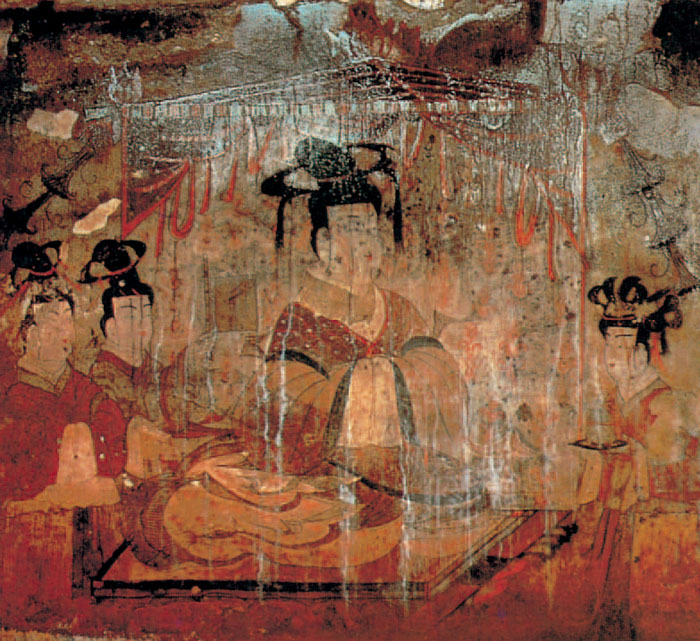
Anak Tomb No. 3
Goguryeo tomb with murals and epitaph.