Explore the Map
Sungin Hall
39.0247° N, 125.7511° E
About
Sungin Hall, constructed in 1325 CE during the Goryeo Dynasty, is one of the earliest known shrines in Pyongyang, North Korea. Characterized by its distinct architectural style of the 14th century, the shrine features a notable gable roof adorned with dancheong, a traditional Korean multicolored paintwork. The design emphasizes stability, with corner pillars extending forward compared to the central ones. Although originally comprising ten wings including annexes and grand gates in each direction, many were destroyed during the Korean War. The remaining quarters and grand gate were later restored and relocated to their current site. Sungin Hall is recognized as the No.4 National Treasure of North Korea, underscoring its cultural and historical significance.
Historical Timeline
Journey through time and discover key events in this site's history
Construction of Sungin Hall
1325 CE
Archaeological Features
Unique architectural and cultural elements found at this historical site
Religious and Ritual Structures
Frequently Asked Questions
Plan Your Visit
Tours, travel arrangements, and practical information
More Sites in North Korea
Cherung Royal Tomb
15th-century mausoleum with statues and tomb
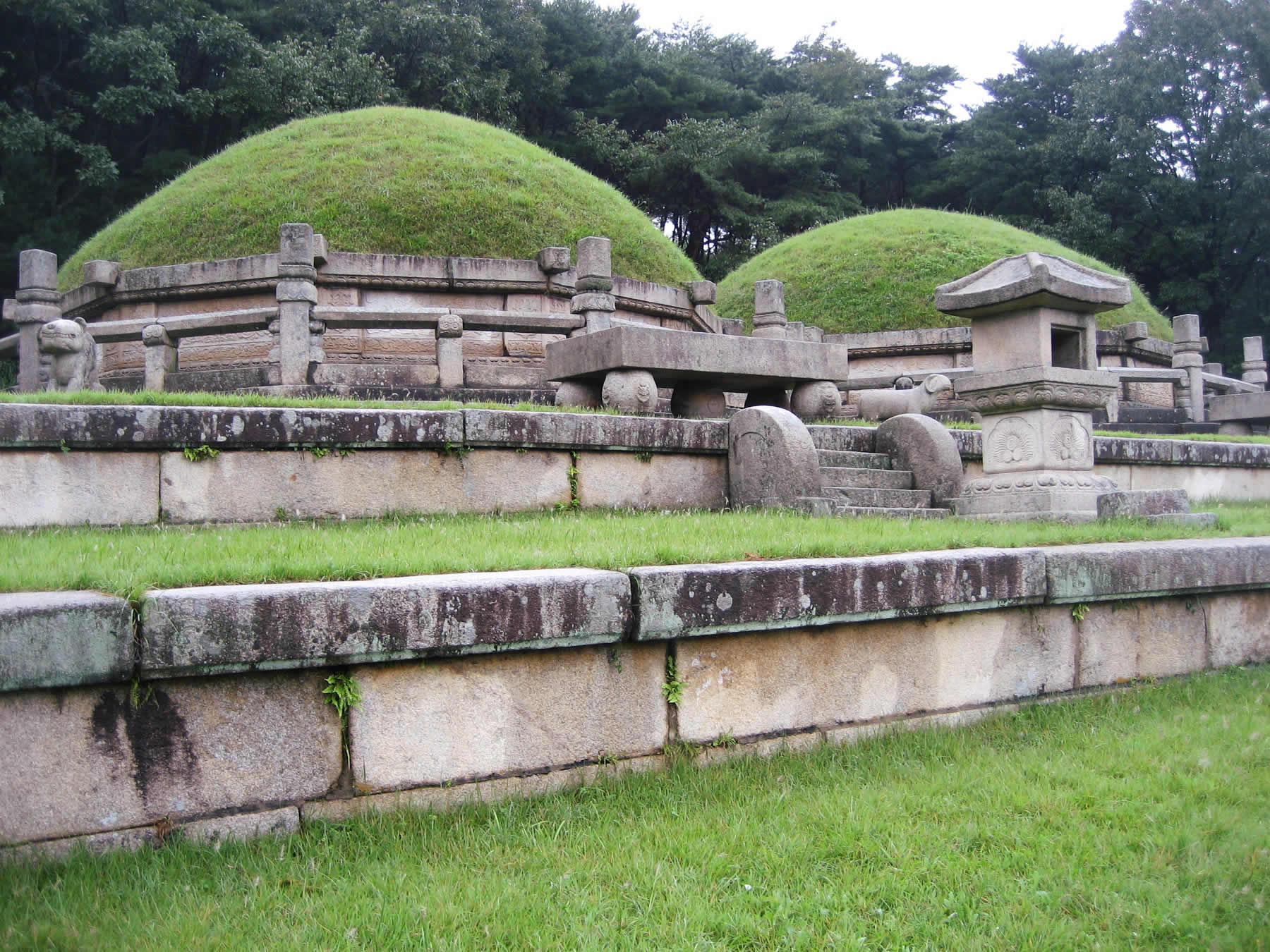
Mausoleum of King Kongmin
14th-century Goryeo royal tombs with statues
Mausoleum of King Wang Kŏn
Goryeo mausoleum in Kaesŏng, North Korea
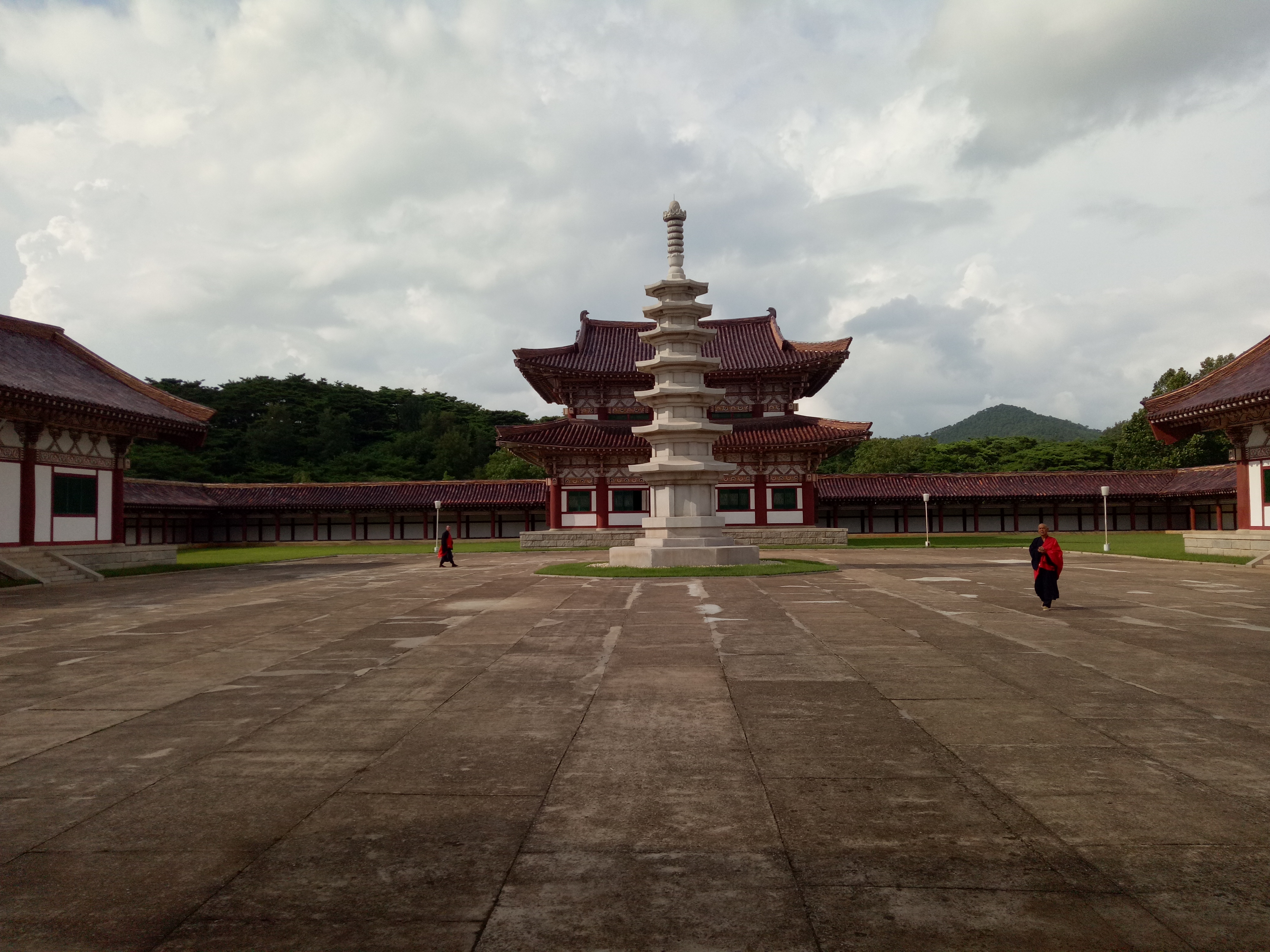
Tomb of King Tongmyong
Goguryeo royal tomb with Buddhist murals
Hurung
15th-century royal Joseon mausoleum with statues
Chongbang Fortress
Koguryo-era mountain fortress with extensive walls