
Explore the Map
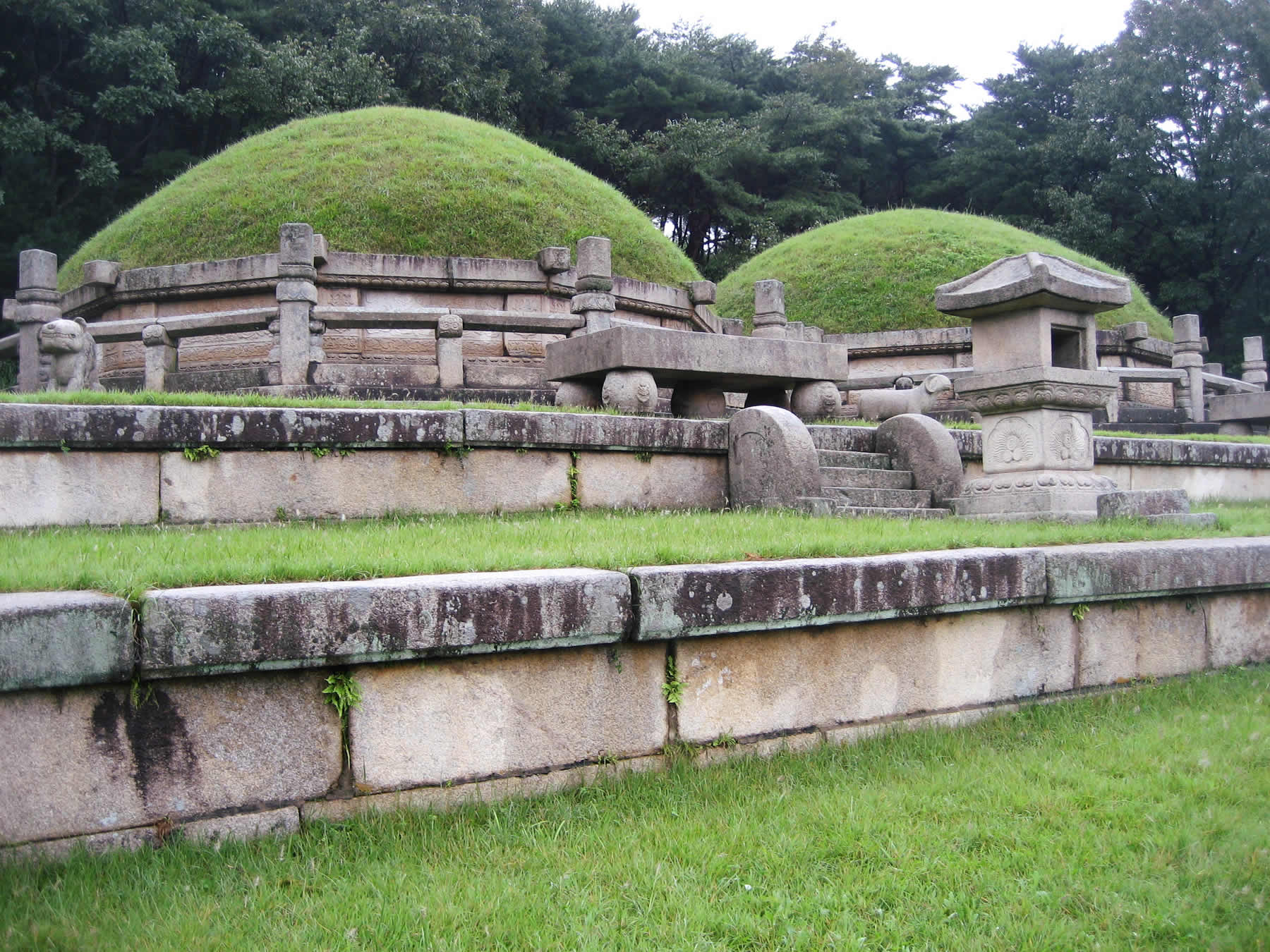
Mausoleum of King Kongmin
37.9819° N, 126.4731° E
About
The Mausoleum of King Kongmin, also known as the Hyonjongnung Royal Tomb, is a significant archaeological site located in Haeson Village, Kaesong, North Korea. This 14th-century site, part of the Royal Tombs of the Goryeo Dynasty, consists of two separate burial mounds. The 'Hyonnung' mound contains the remains of King Gongmin, while the 'Jongnung' mound holds Queen Indeok, a Mongolian princess. Constructed between 1365 and 1372, the tombs feature a carved granite base topped with a small hill and are adorned with statues representing om and yang. The site reflects the era's architectural and artistic endeavors, with a spirit road lined with statues of military officers and Confucian officials. Although looted in 1905, the mausoleum remains one of North Korea's best-preserved royal tombs, acknowledged for its historical and cultural significance.
Gallery
Explore photographs of ancient structures, artifacts, and archaeological excavations
Historical Timeline
Journey through time and discover key events in this site's history
Queen Indeok's Death
1365 CE
Completion of Tombs
1372 CE
Archaeological Features
Unique architectural and cultural elements found at this historical site
Burial and Funerary Structures
Artistic and Decorative Features
Frequently Asked Questions
Plan Your Visit
Tours, travel arrangements, and practical information
More Sites in North Korea
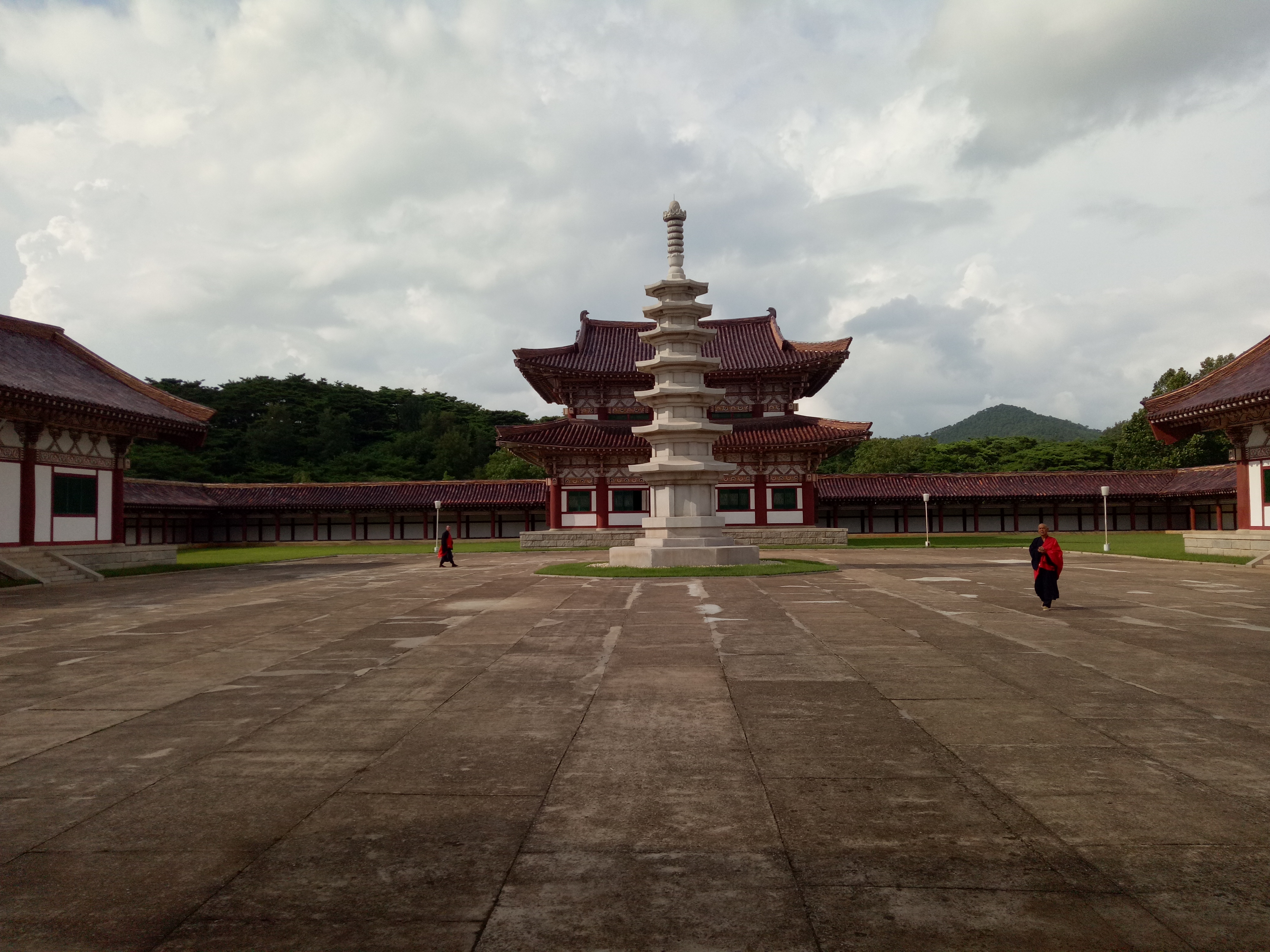
Tomb of King Tongmyong
Goguryeo royal tomb with Buddhist murals
Hurung
15th-century royal Joseon mausoleum with statues
Sungin Hall
14th-century Korean shrine with gable roof
Cherung Royal Tomb
15th-century mausoleum with statues and tomb
Mausoleum of King Wang Kŏn
Goryeo mausoleum in Kaesŏng, North Korea
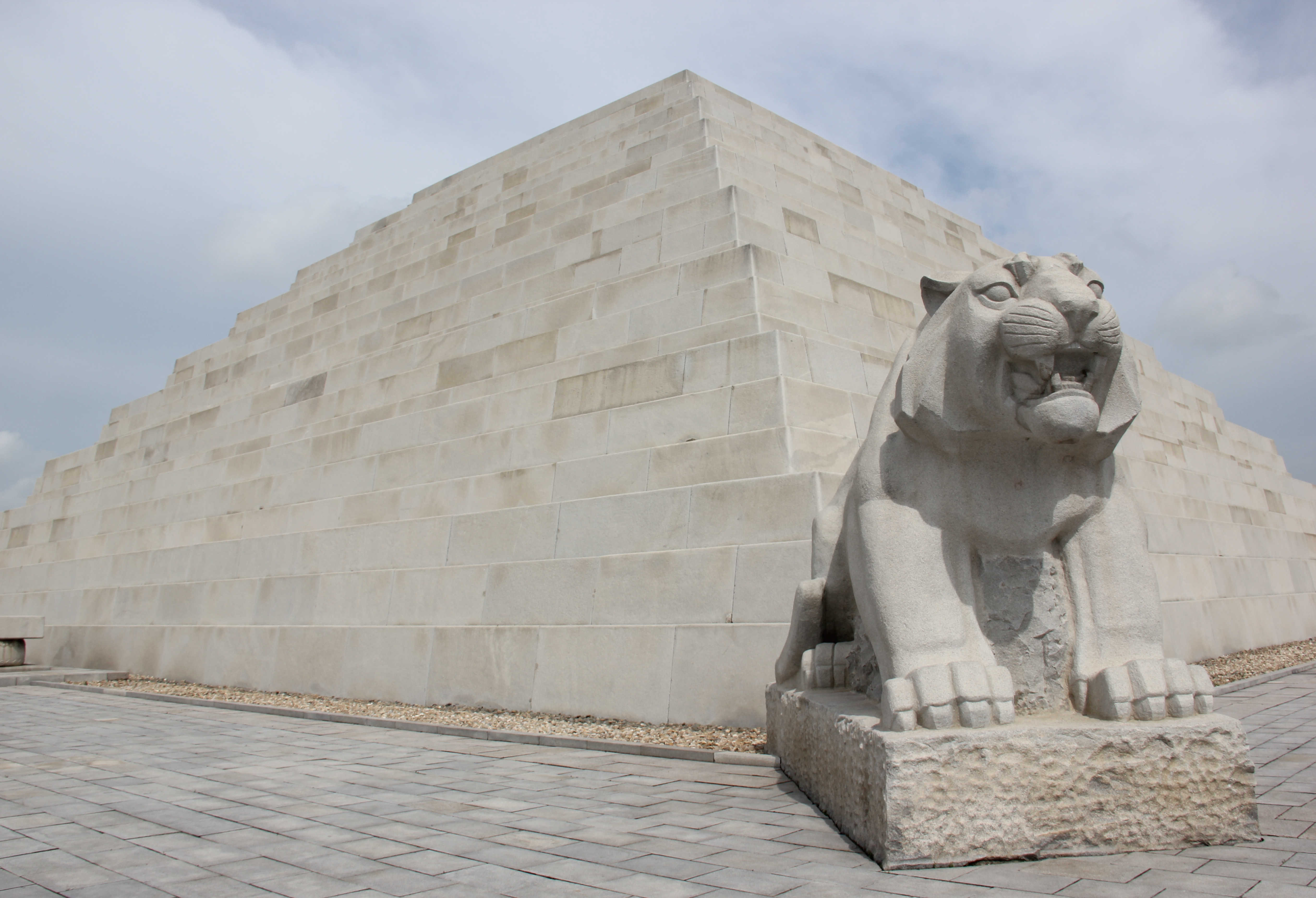
Mausoleum of Tangun
Step pyramid tomb in North Korea.