Explore the Map
Mausoleum of Tangun
39.1548° N, 126.0544° E
About
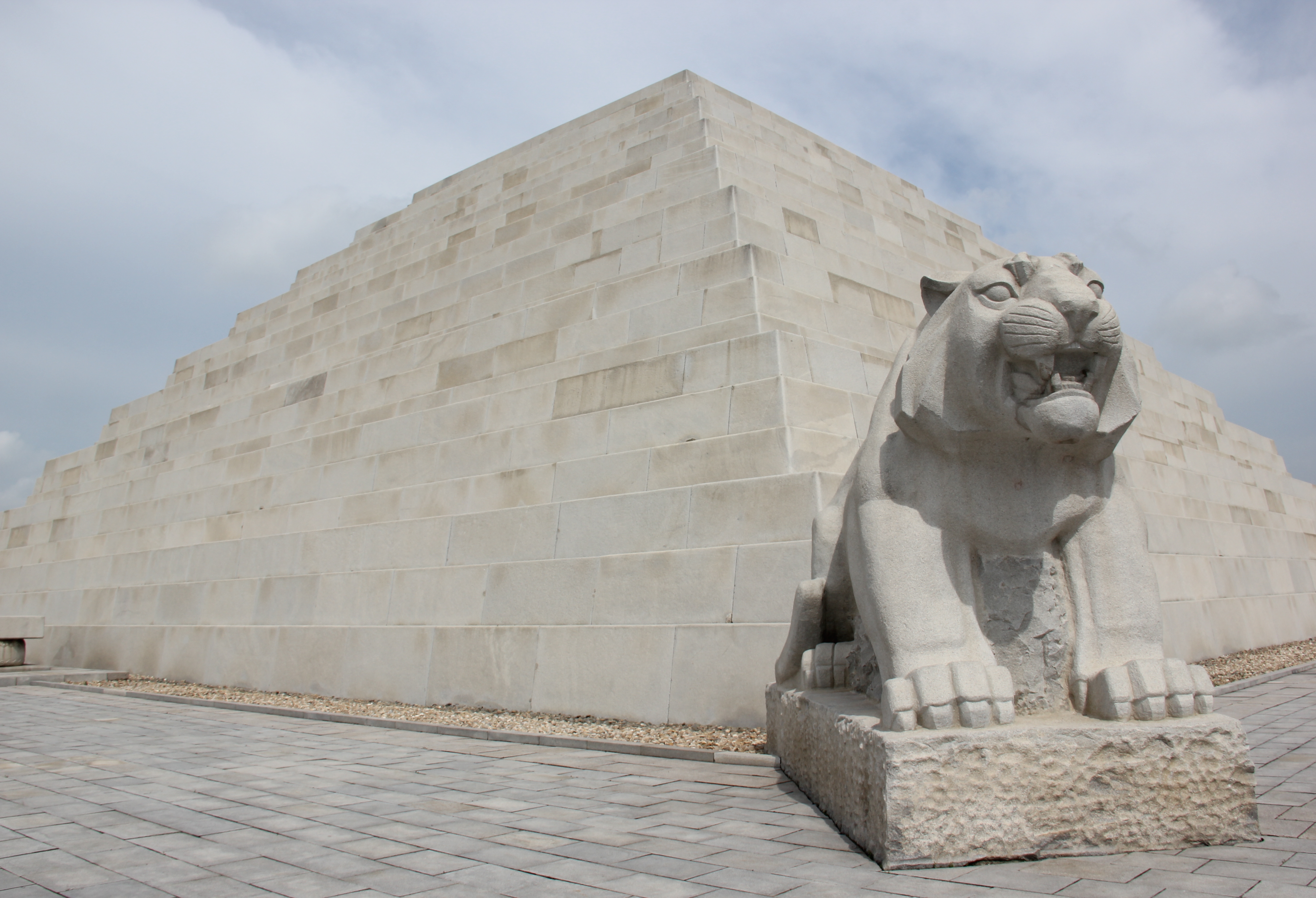
The Mausoleum of Tangun is an archaeological site located in Kangdong near Pyongyang, North Korea, and is claimed to be the tomb of Tangun, the legendary founder of the Gojoseon kingdom. The site features a step pyramid structure built in 1994 with 1994 stone blocks, and the tomb is approximately 22 meters high with a 50-meter base. North Korean authorities assert that the bones discovered within the mausoleum date back over 5000 years, possibly to 3000 BCE, altering traditional historical timelines of Korean civilization. Controversially, a nail from the Goguryeo period was found at the site, suggesting a historical renovation. The site's authenticity and dating have been subjects of debate, with critics citing potential political motivations behind the claims. The mausoleum remains significant for its cultural and political symbolism in North Korea.
Gallery
Explore photographs of ancient structures, artifacts, and archaeological excavations
Historical Timeline
Journey through time and discover key events in this site's history
Tomb construction or use
3000 BCE
Goguryeo period renovation
37 BCE to 668 CE
Archaeological Features
Unique architectural and cultural elements found at this historical site
Burial and Funerary Structures
Frequently Asked Questions
Plan Your Visit
Tours, travel arrangements, and practical information
More Sites in North Korea
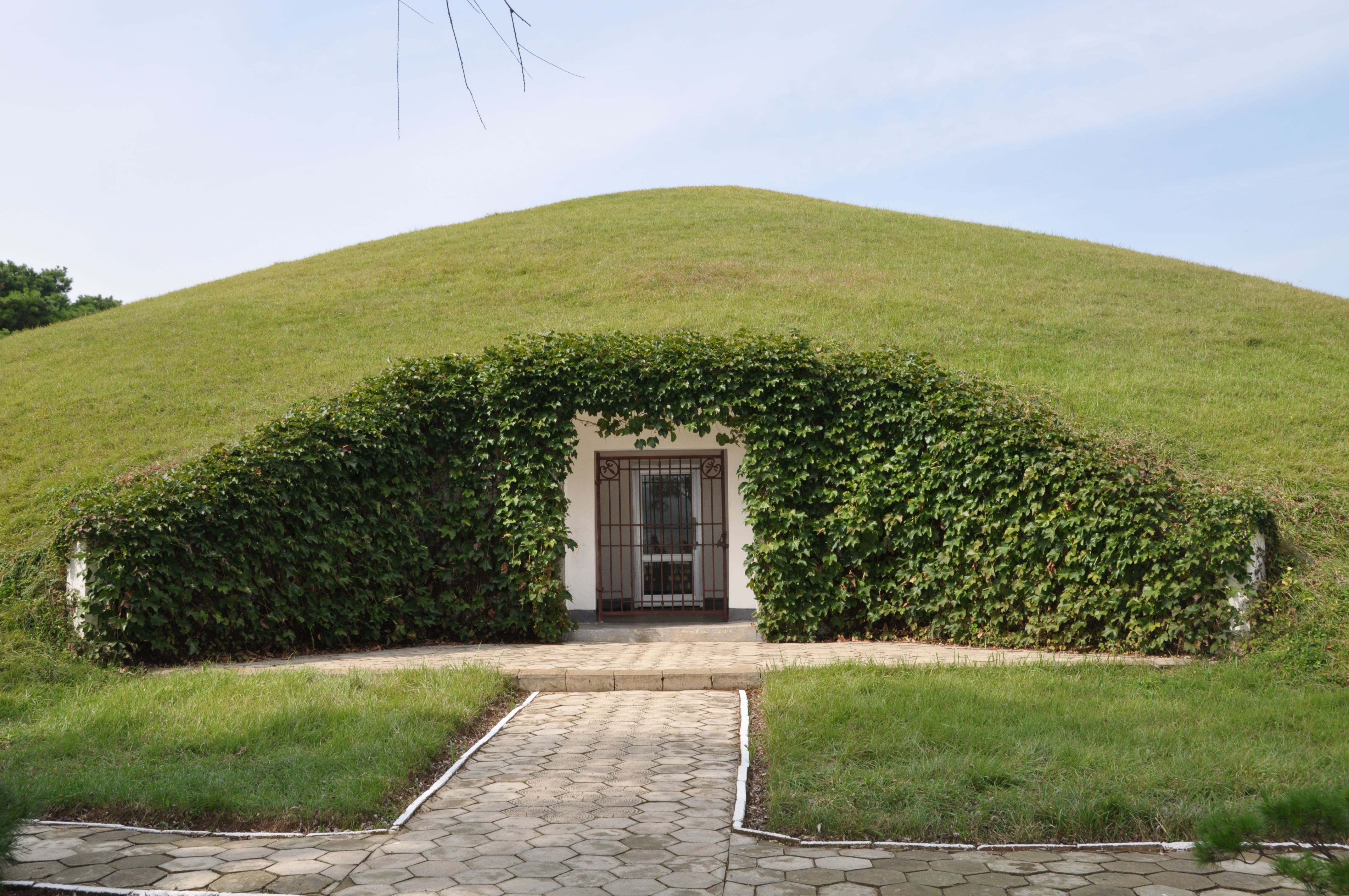
Kangso Three Tombs
Mausoleums with colorful frescoes in North Korea
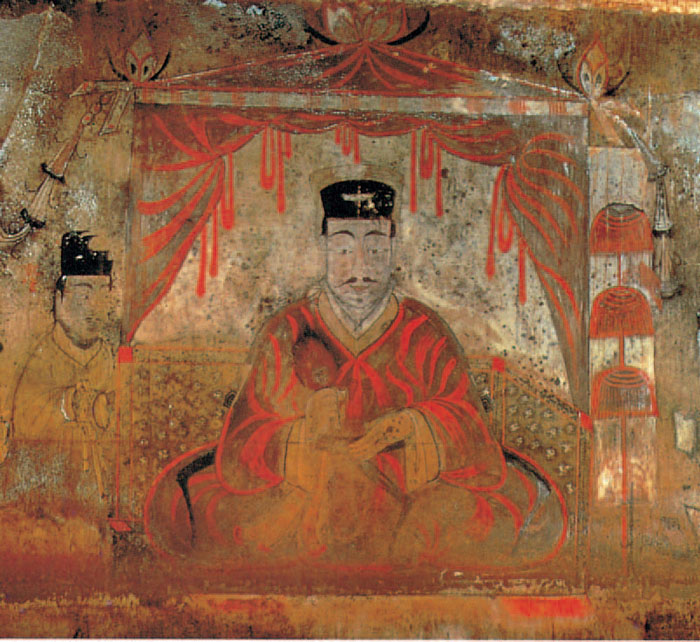
Goguryeo tombs
Ancient Korean tombs with wall paintings
Chongam-ri Earthen Castle
Crescent-shaped earthen fortification near Pyongyang.
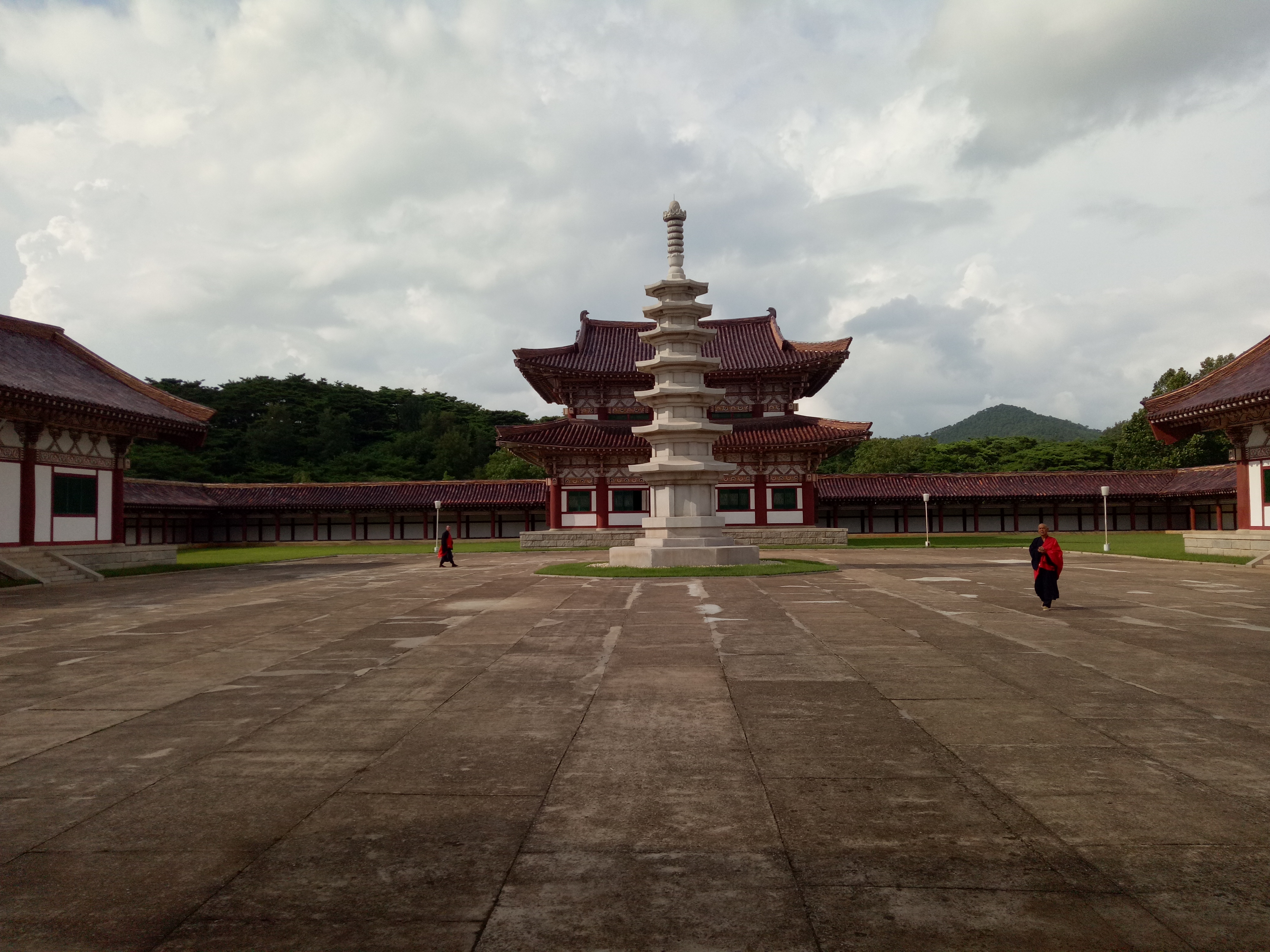
Tomb of King Tongmyong
Goguryeo royal tomb with Buddhist murals
Chongbang Fortress
Koguryo-era mountain fortress with extensive walls
Cherung Royal Tomb
15th-century mausoleum with statues and tomb