Explore the Map
Chongam-ri Earthen Castle
39.0392° N, 125.7625° E
About
The Chongam-ri Earthen Castle, located near Pyongyang, North Korea, is a significant archaeological site believed to date back to the Gojoseon period. This crescent-shaped castle, stretching approximately 3450 meters, is constructed of alternating layers of soil, rock, and sand, reflecting the typical earthen fortification techniques of its time. Classified as one of the National Treasures of North Korea, the site offers insights into the defensive strategies and construction methods employed during the early Iron Age. Additionally, the discovery of a jeweled, gilded crown dissolved in mercury, dating from the Three Kingdoms period, highlights the site's continued use and significance well into the early post-classical period. The castle serves as an important link to understanding the evolution of early Korean fortifications and cultural exchanges.
Historical Timeline
Journey through time and discover key events in this site's history
Construction during Gojoseon period
300 BCE
Artifact from Three Kingdoms period
400 CE
Archaeological Features
Unique architectural and cultural elements found at this historical site
Defensive Structures
Frequently Asked Questions
Plan Your Visit
Tours, travel arrangements, and practical information
More Sites in North Korea
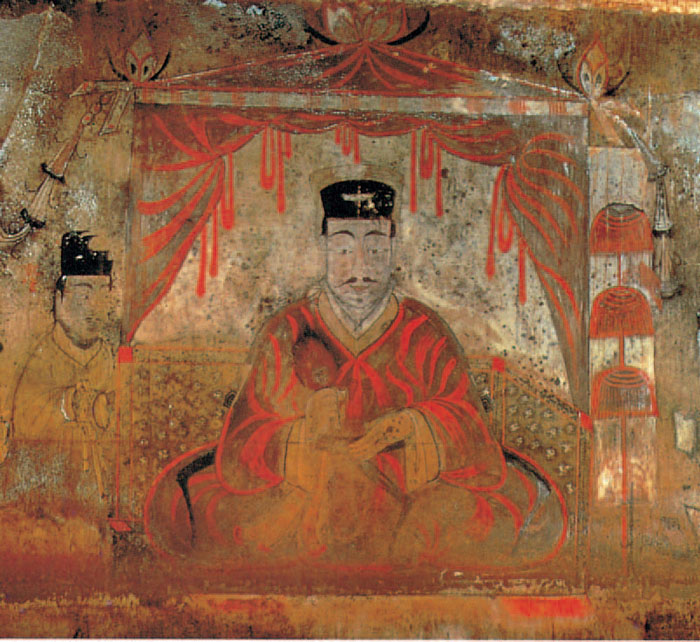
Goguryeo tombs
Ancient Korean tombs with wall paintings
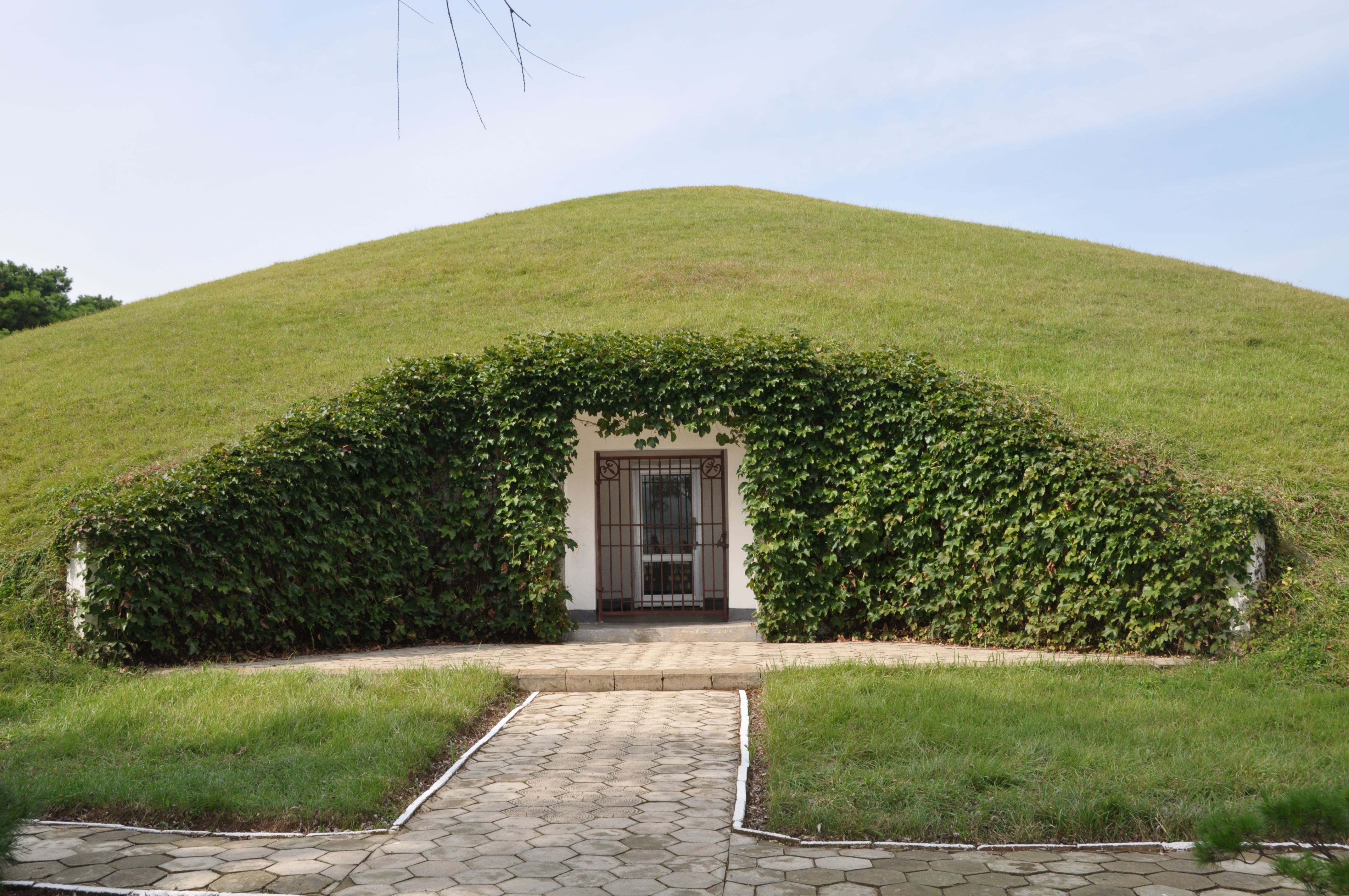
Kangso Three Tombs
Mausoleums with colorful frescoes in North Korea
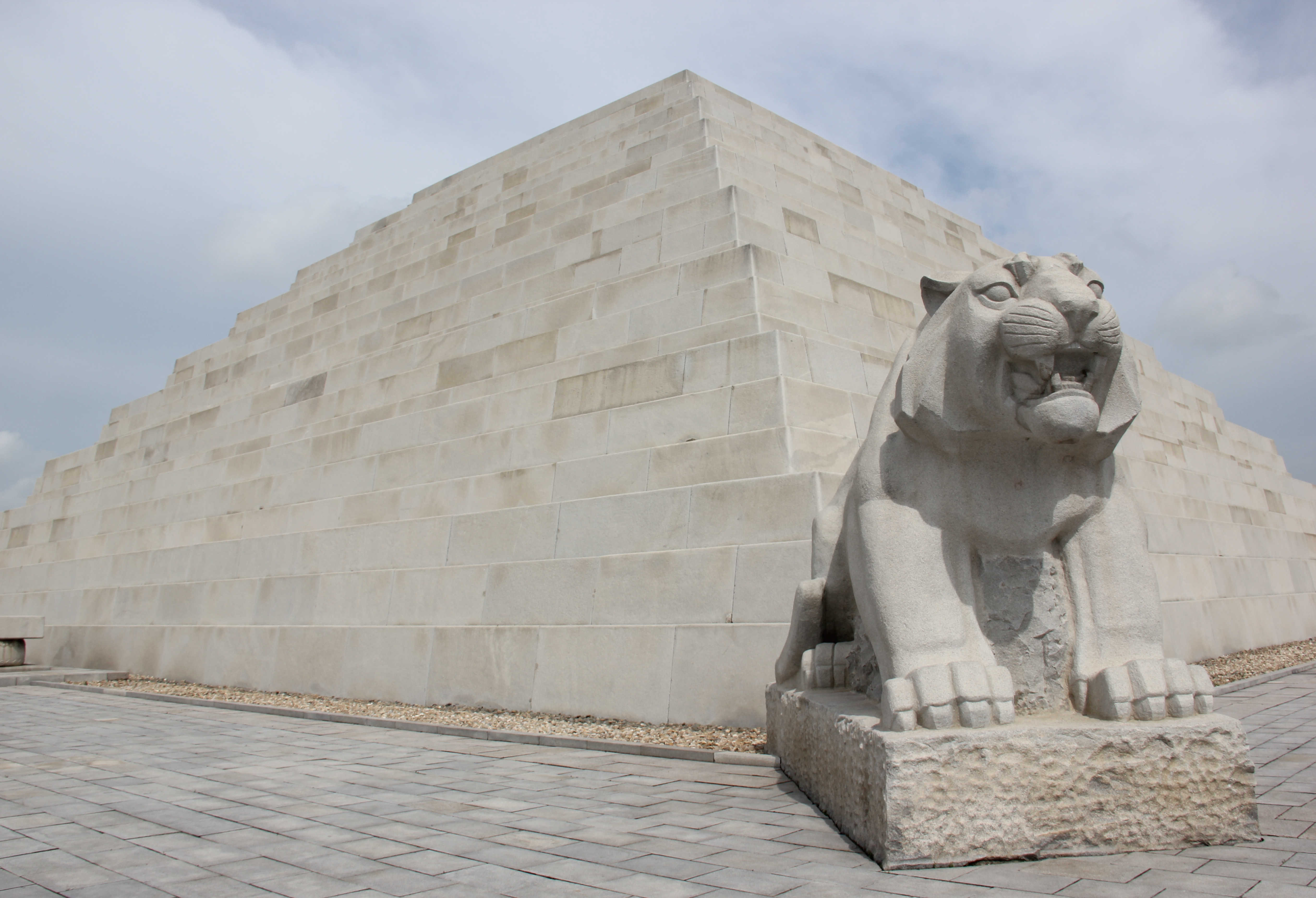
Mausoleum of Tangun
Step pyramid tomb in North Korea.
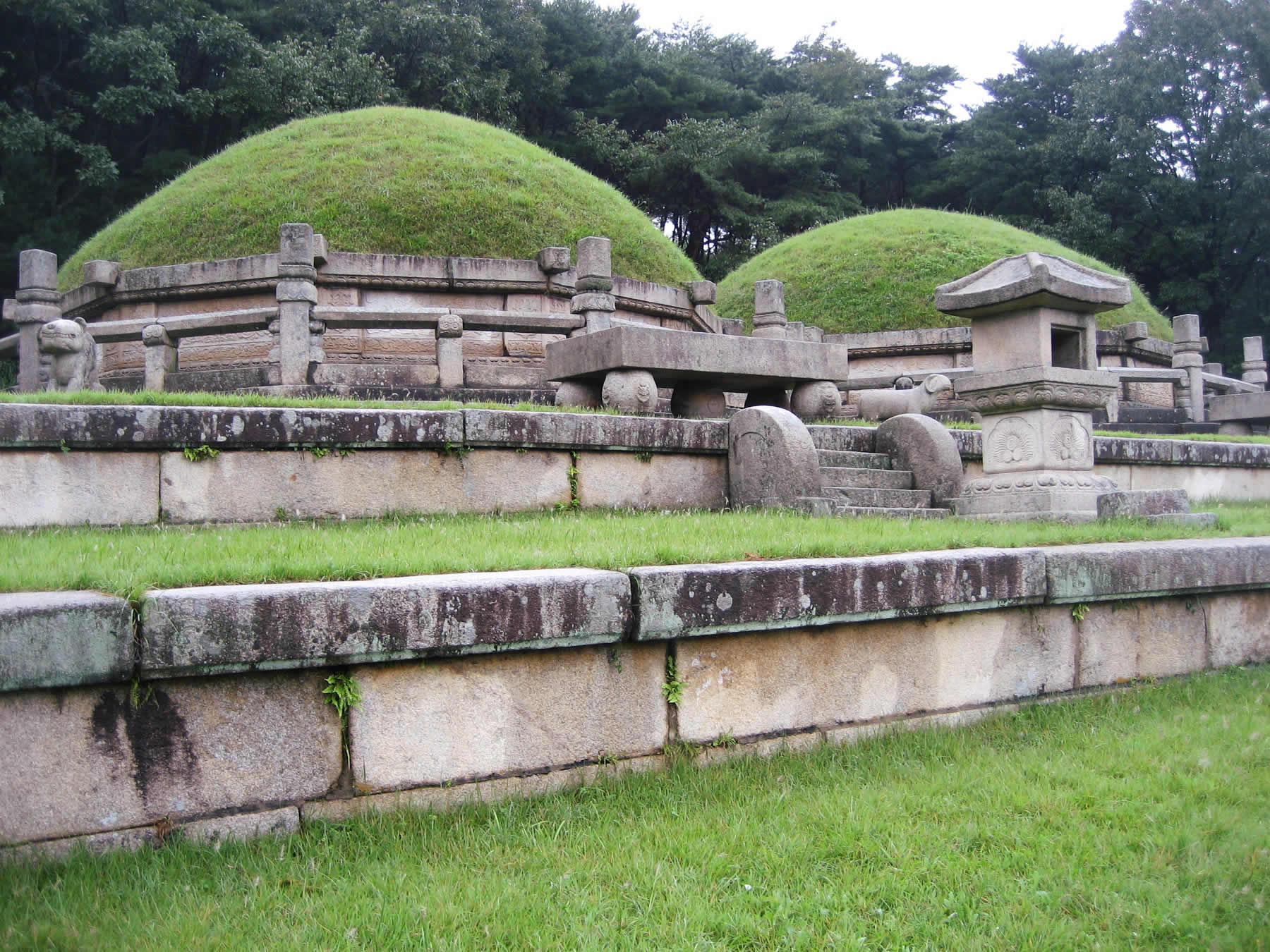
Mausoleum of King Kongmin
14th-century Goryeo royal tombs with statues
Cherung Royal Tomb
15th-century mausoleum with statues and tomb
Tomb of King Tongmyong
Goguryeo royal tomb with Buddhist murals