
Explore the Map
Kangso Three Tombs
38.9647° N, 125.4250° E
About
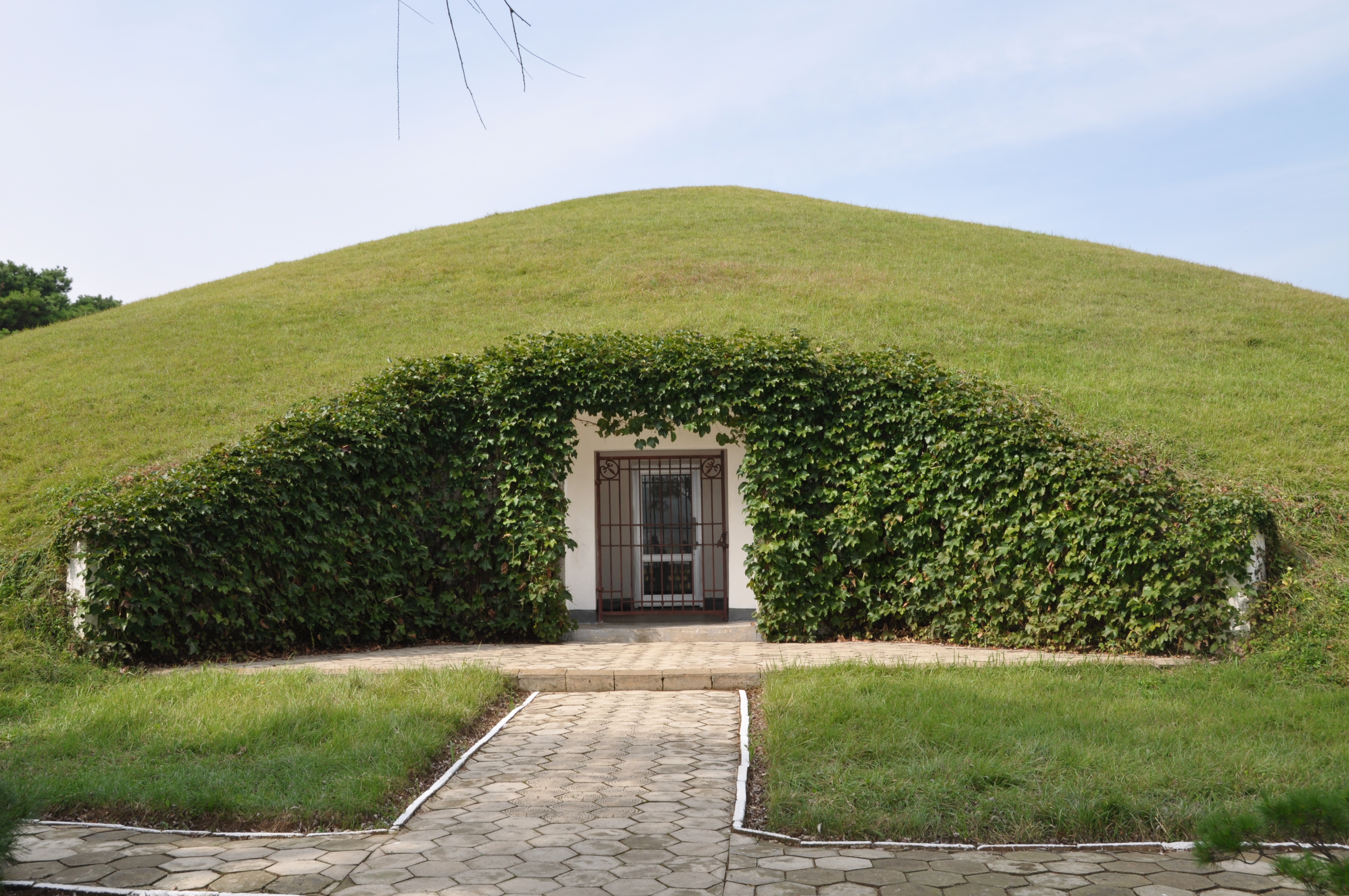
The Kangso Three Tombs, located in Kangso-guyok, North Korea, are part of the UNESCO World Heritage site known as the Complex of Koguryo Tombs. These mausoleums are significant for their elaborate and colorful frescoes depicting four tutelary deities: a blue dragon and a black serpent-tortoise in the largest tomb, and a white tiger and a red phoenix in the middle tomb. The frescoes also illustrate the aristocratic life of the Koguryo period, showcasing activities such as dancing, wrestling, and hunting. The tombs vary in size, with the largest being 50 meters long and 8.7 meters high. Constructed during the Late Iron Age, these tombs are a valuable source of information on the cultural and artistic practices of the Koguryo kingdom, which played a crucial role in the early history of Korea.
Gallery
Explore photographs of ancient structures, artifacts, and archaeological excavations
Historical Timeline
Journey through time and discover key events in this site's history
Construction of Kangso Tombs
400 CE
Archaeological Features
Unique architectural and cultural elements found at this historical site
Burial and Funerary Structures
Artistic and Decorative Features
Frequently Asked Questions
Plan Your Visit
Tours, travel arrangements, and practical information
More Sites in North Korea
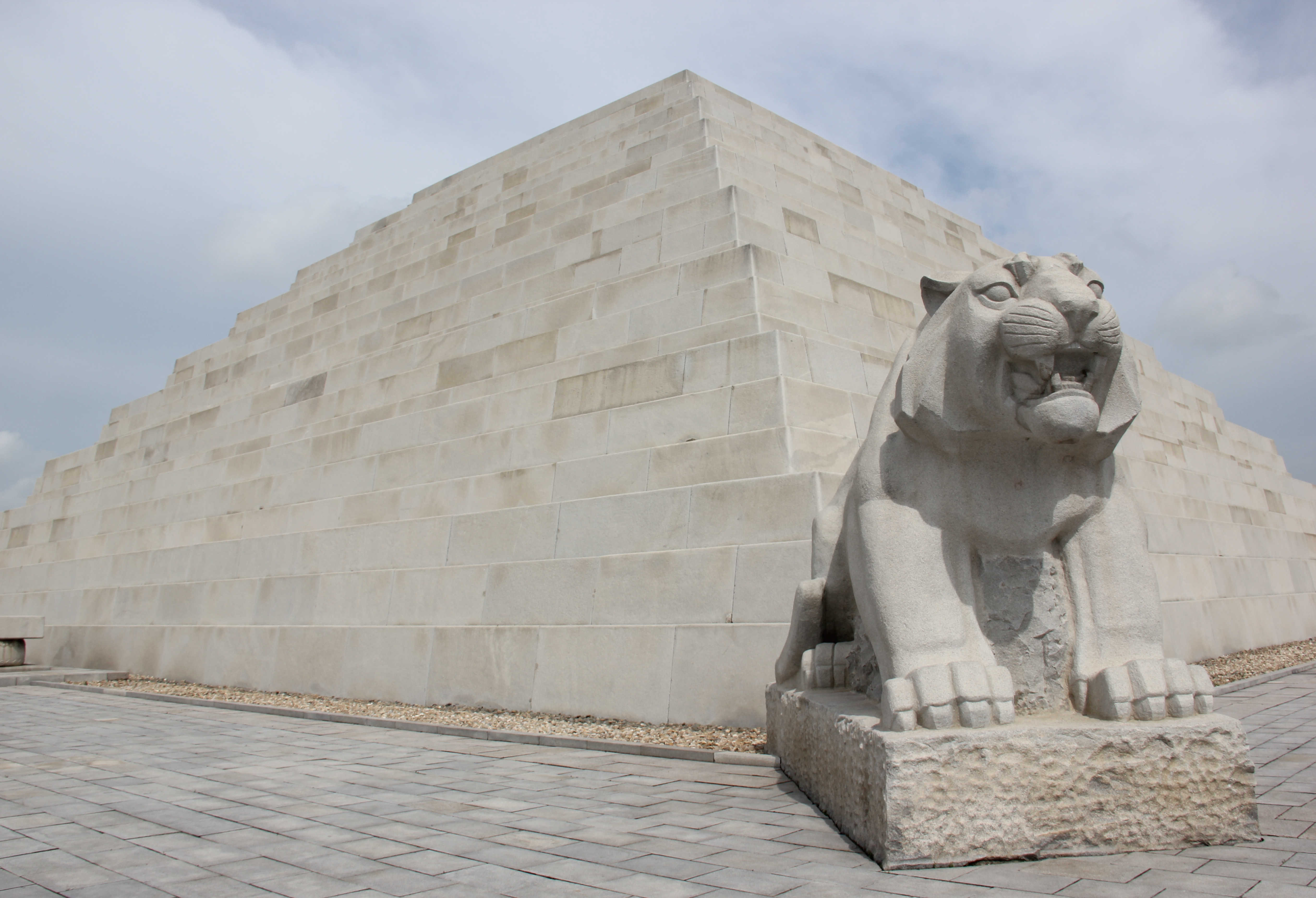
Mausoleum of Tangun
Step pyramid tomb in North Korea.
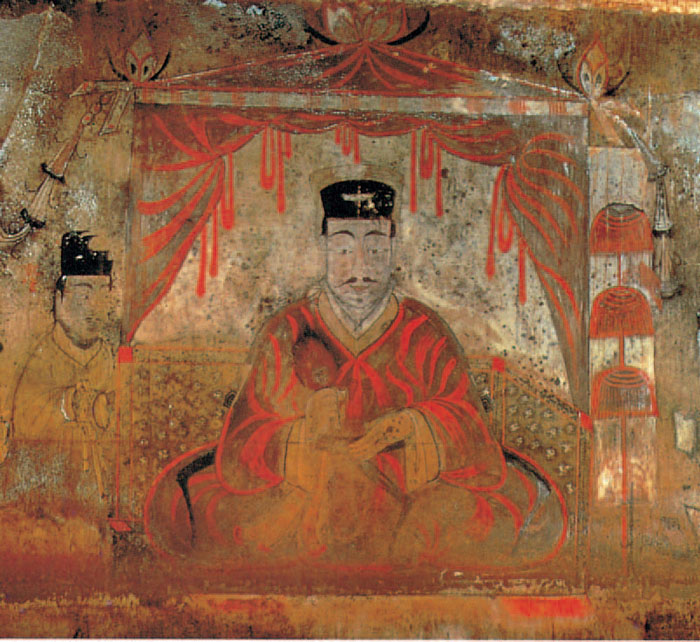
Goguryeo tombs
Ancient Korean tombs with wall paintings
Chongam-ri Earthen Castle
Crescent-shaped earthen fortification near Pyongyang.
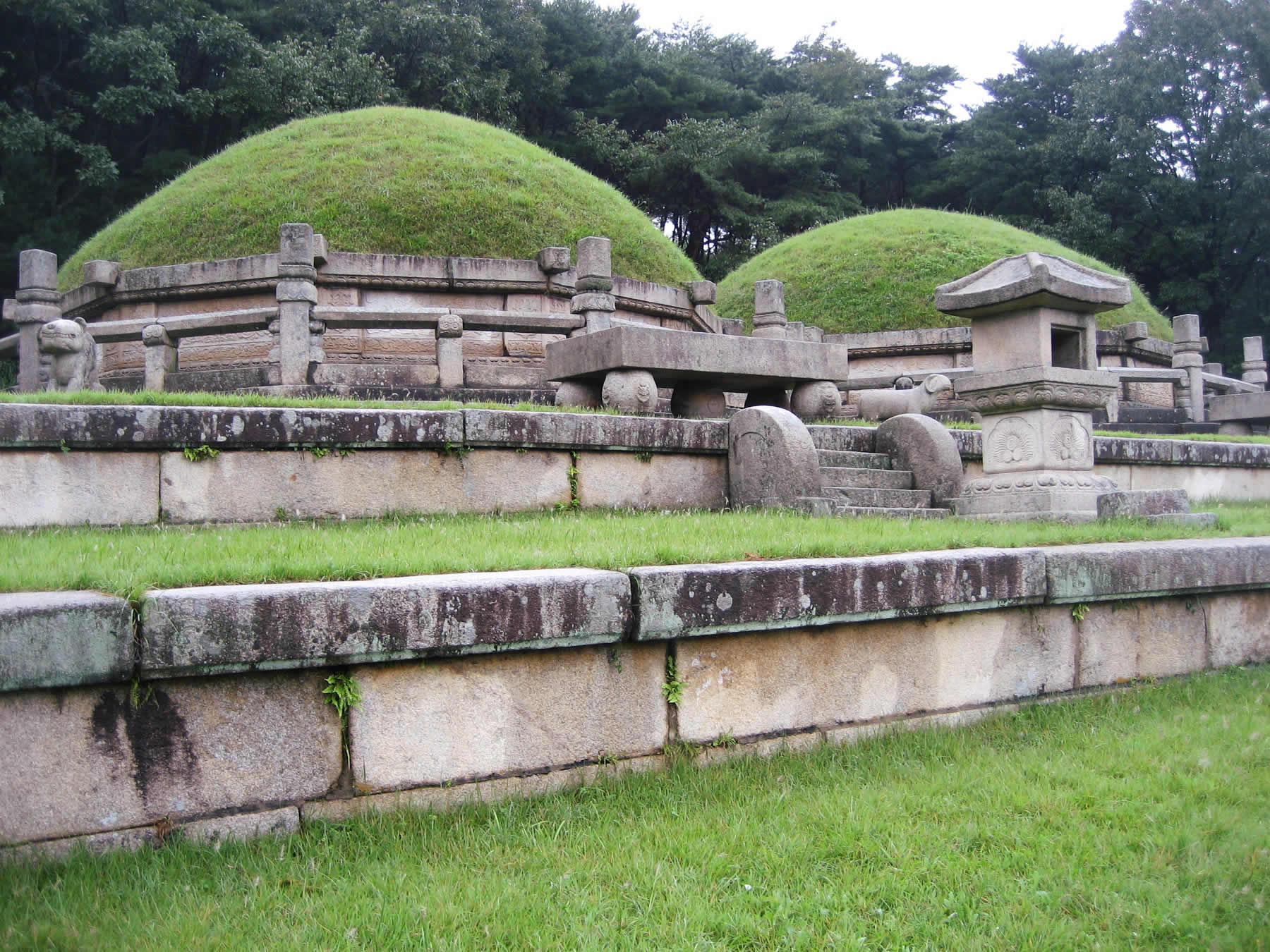
Mausoleum of King Kongmin
14th-century Goryeo royal tombs with statues
Chongbang Fortress
Koguryo-era mountain fortress with extensive walls
Cherung Royal Tomb
15th-century mausoleum with statues and tomb