
Explore the Map
Mausoleum of King Wang Kŏn
37.9847° N, 126.5056° E
About
The Mausoleum of King Wang Kŏn (Korean: 왕건왕릉), more correctly known as the Hyŏllŭng Royal Tomb, is a mausoleum located Haesong Village, Kaesŏng, North Korea. The tomb belongs to the founder of the Goryeo Dynasty, Wang Kon, who received the temple name 'Taejo' and was the first monarch to unify the entire Korean peninsula after the subjugation the southern states of Silla and Baekje. Construction on the tomb began after the King's death in 943. Nonetheless, by the end of the occupation period there was little left of the original tomb, which had deteriorated due to abandonment and looting by Japanese forces. The tomb was heavily reconstructed in 1994, and all of the original buildings and statues were cleared away in order to accomplish its "restoration". The site is nominated for World Heritage status.
Historical Timeline
Journey through time and discover key events in this site's history
Tomb construction
943
Major reconstruction
1994
Archaeological Features
Unique architectural and cultural elements found at this historical site
Burial and Funerary Structures
Artistic and Decorative Features
Frequently Asked Questions
Plan Your Visit
Tours, travel arrangements, and practical information
More Sites in North Korea
Cherung Royal Tomb
15th-century mausoleum with statues and tomb
Sungin Hall
14th-century Korean shrine with gable roof
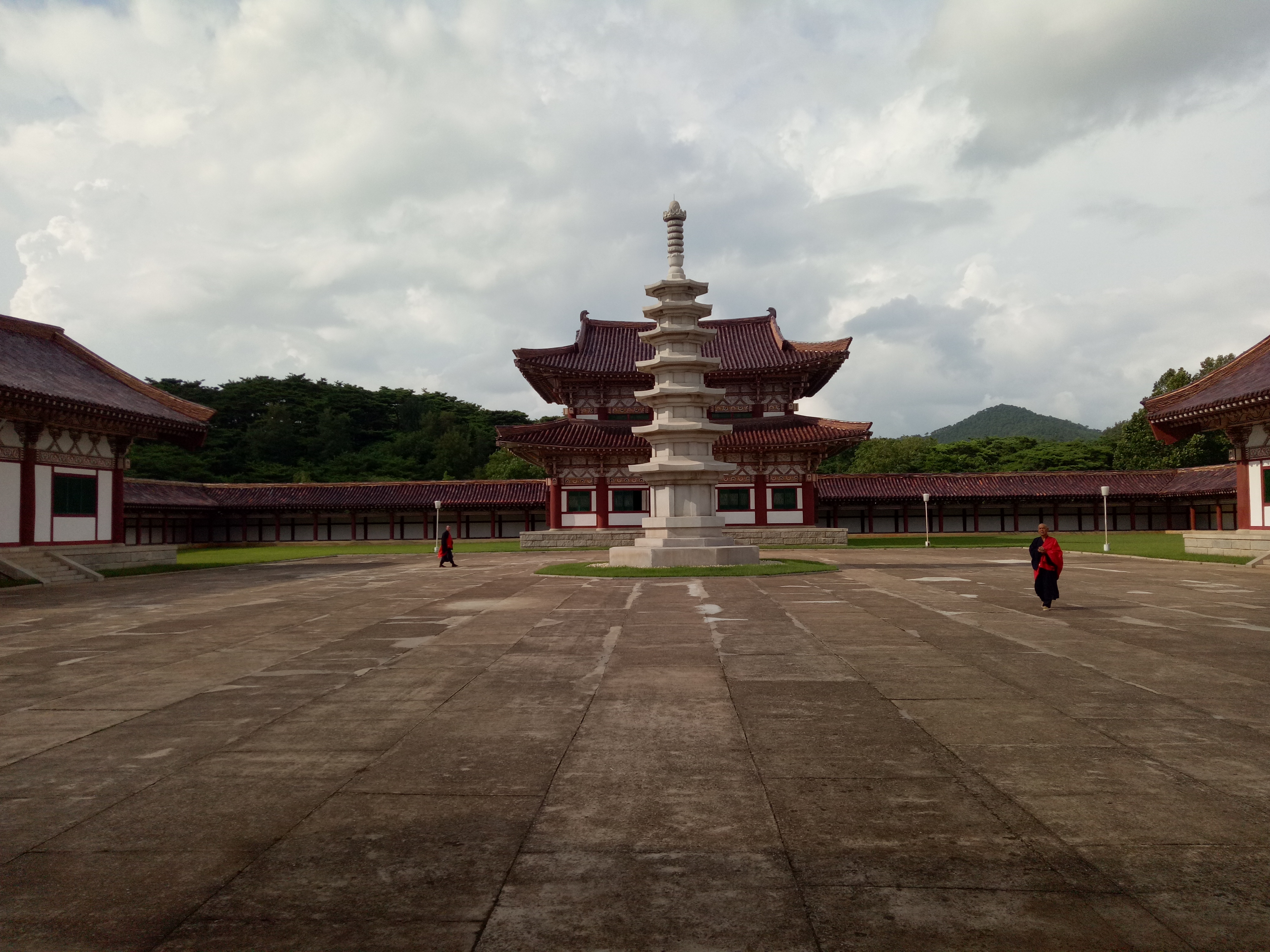
Tomb of King Tongmyong
Goguryeo royal tomb with Buddhist murals
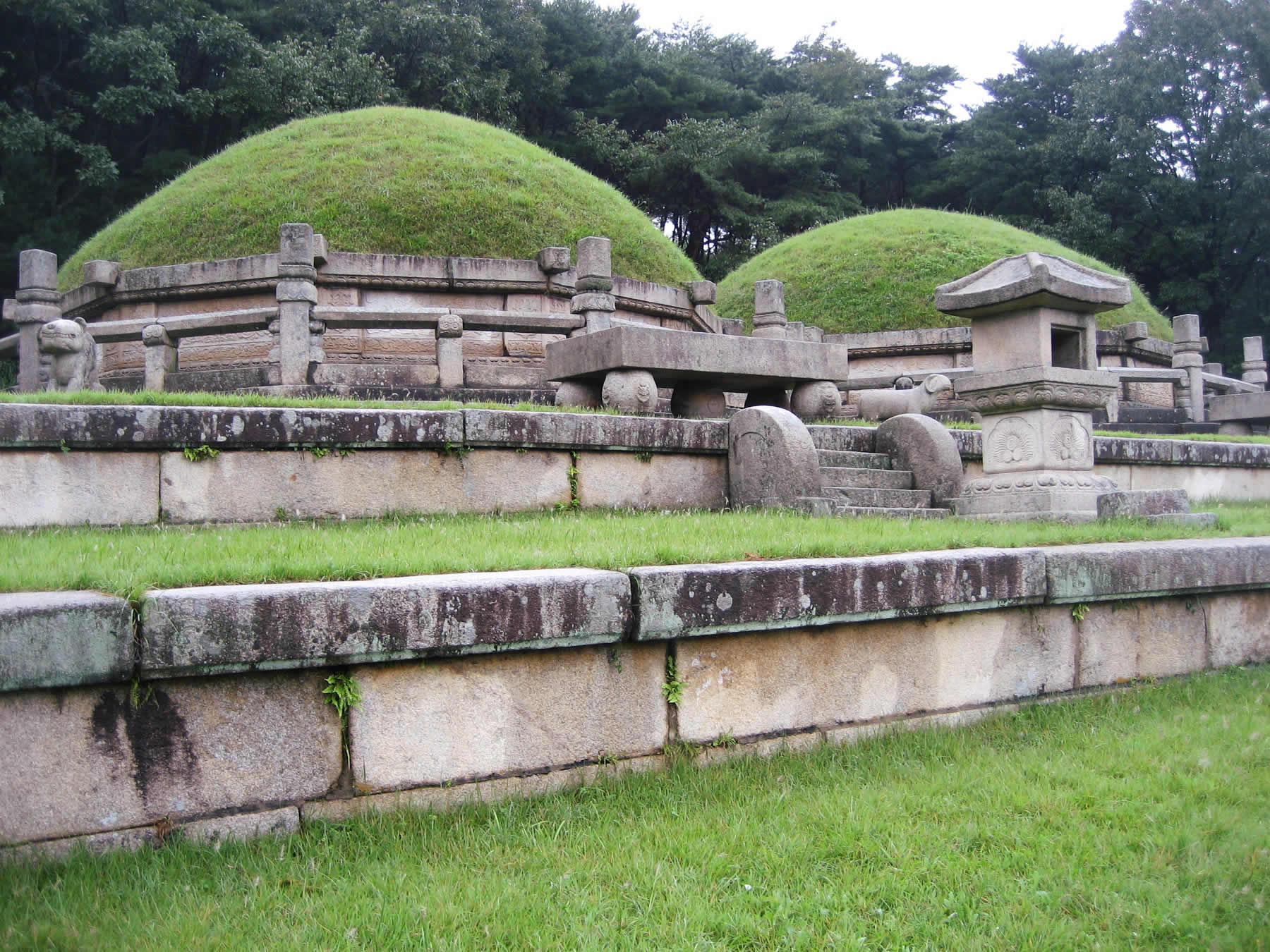
Mausoleum of King Kongmin
14th-century Goryeo royal tombs with statues
Hurung
15th-century royal Joseon mausoleum with statues
Chongbang Fortress
Koguryo-era mountain fortress with extensive walls