Explore the Map
Chongbang Fortress
38.5752° N, 125.7461° E
About
Jŏngbang Castle, also known as Chongbang Fortress, is a significant archaeological site from the Koguryo era, located near Sariwŏn in North Hwanghae Province, North Korea. This mountain fortress was originally constructed in the 4th century CE to protect the Koguryo capital, Pyongyang. Its strategic design incorporates over 12 kilometers of stone walls, some reaching heights of 10 meters, cleverly utilizing the natural terrain of Mount Jŏngbang's ridges and cliffs for defense. The fortress features four large gates, with the southern gate being the best preserved, and contains remnants of commander's posts, barracks, arsenals, armories, granaries, and storehouses. The Sŏngbul Temple, founded in 898 CE within the fortress, adds religious significance to the site. The fortress was reconstructed in 1632 by Kim Ja-jeom, highlighting its continued historical importance.
Historical Timeline
Journey through time and discover key events in this site's history
Koguryo Fortress Construction
300 CE
1632 Reconstruction
1632 CE
Archaeological Features
Unique architectural and cultural elements found at this historical site
Storage Structures
Defensive Structures
Military Installations
Frequently Asked Questions
Plan Your Visit
Tours, travel arrangements, and practical information
More Sites in North Korea
Sungin Hall
14th-century Korean shrine with gable roof
Mausoleum of King Wang Kŏn
Goryeo mausoleum in Kaesŏng, North Korea
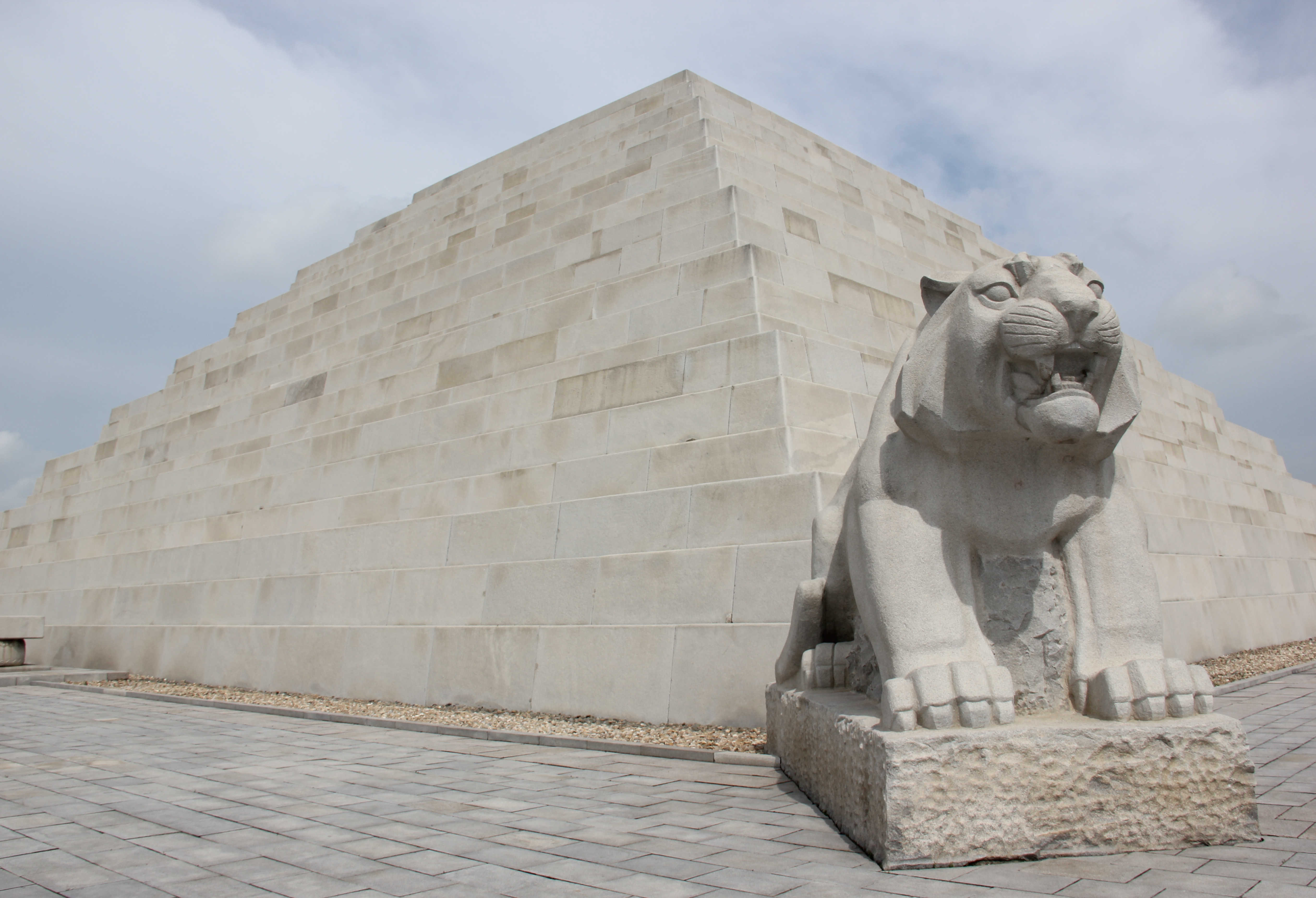
Mausoleum of Tangun
Step pyramid tomb in North Korea.
Hurung
15th-century royal Joseon mausoleum with statues
Chongam-ri Earthen Castle
Crescent-shaped earthen fortification near Pyongyang.
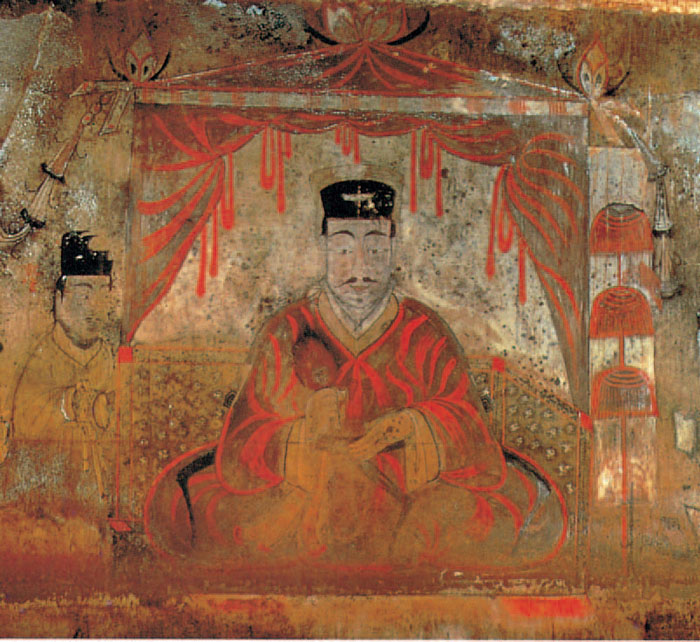
Goguryeo tombs
Ancient Korean tombs with wall paintings