Explore the Map
Huaca Rajada
-6.8103° N, -79.6017° E
About
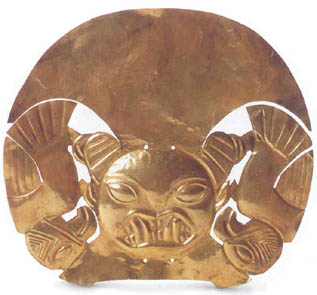
Huaca Rajada, also known as Sipán, is a significant Moche archaeological site located in northern Peru's Lambayeque Valley. It is renowned for the discovery of the Lord of Sipán's tombs, unearthed by archaeologist Walter Alva and his team in the late 20th century. The site, dating from approximately 50 to 700 CE during the Late Classical Period, provides invaluable insights into the Moche culture, particularly their burial practices and social hierarchy. The adobe pyramidal tombs contained rich artifacts, including gold and silver ceremonial objects, which showcase the advanced metalworking skills of the Moche artisans. These findings have expanded our understanding of Moche ceremonial practices, such as the Sacrifice Ceremony depicted in various Moche art forms. Despite looting, the artifacts recovered have contributed significantly to the study of Moche civilization.
Gallery
Explore photographs of ancient structures, artifacts, and archaeological excavations
Historical Timeline
Journey through time and discover key events in this site's history
Construction and Use of Sipán
50 CE to 700 CE
Archaeological Features
Unique architectural and cultural elements found at this historical site
Burial and Funerary Structures
Industrial and Craft Structures
Artistic and Decorative Features
Frequently Asked Questions
Plan Your Visit
Tours, travel arrangements, and practical information
More Sites in Peru
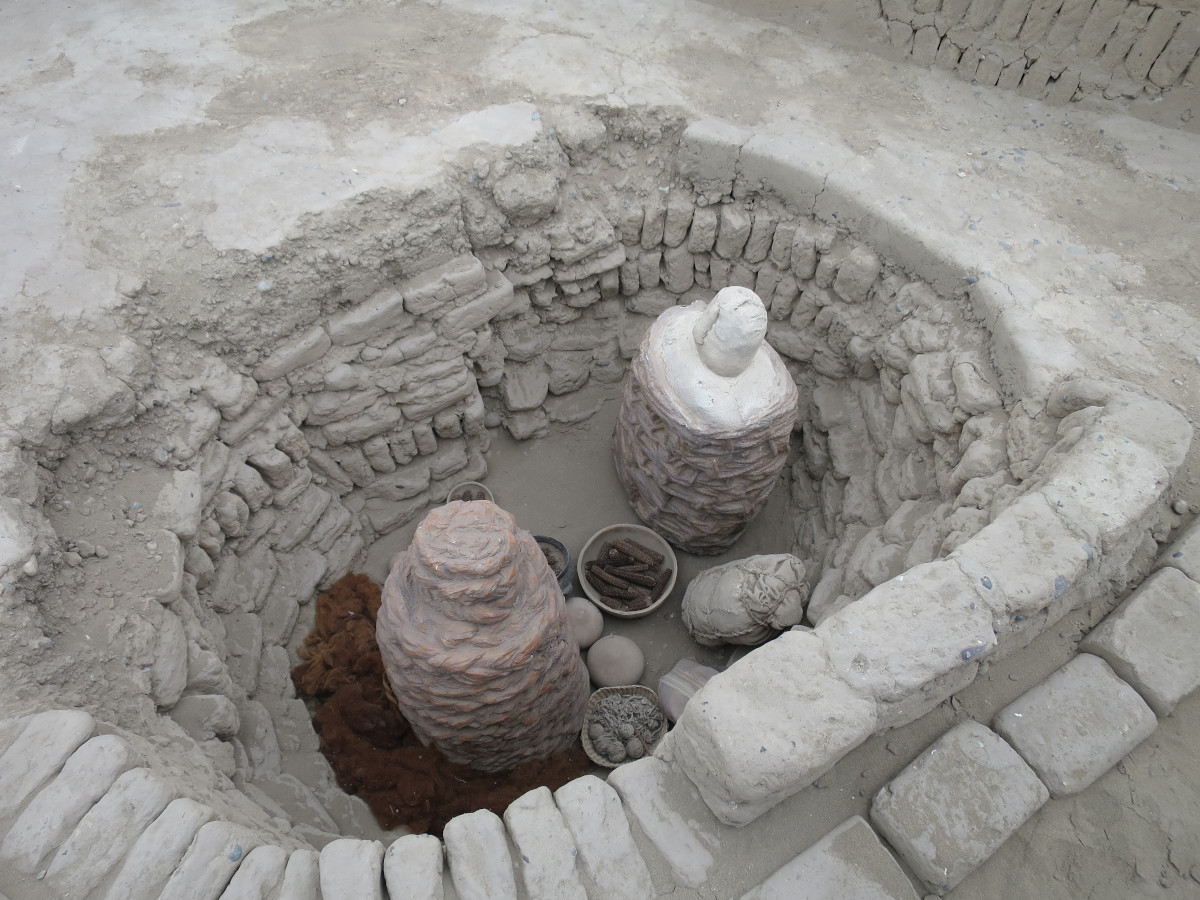
Huaca Pucllana
Adobe pyramid with ceremonial and administrative areas
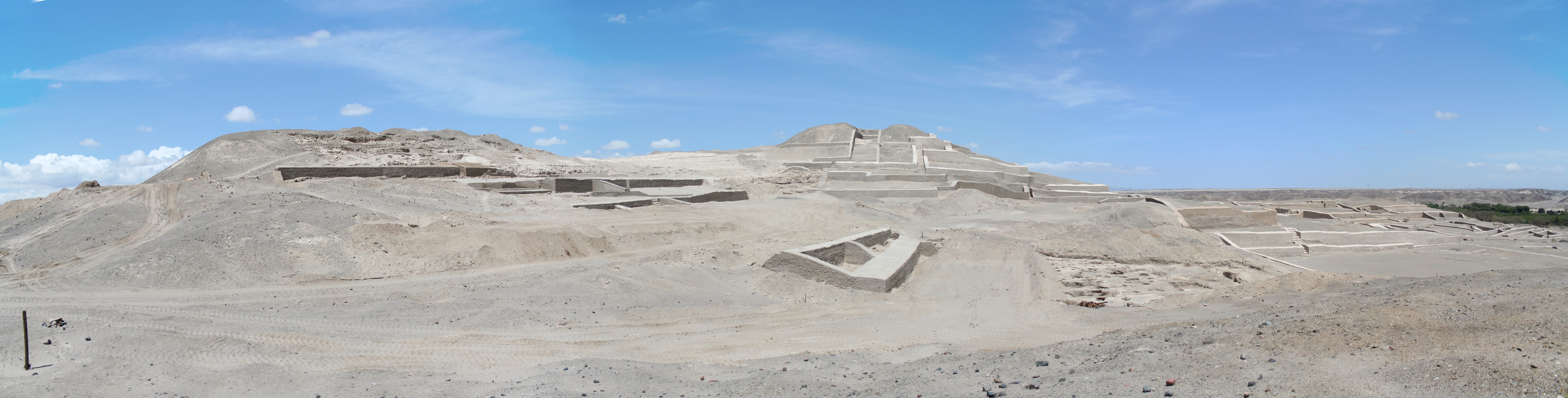
Cahuachi
Nasca ceremonial center with adobe mounds
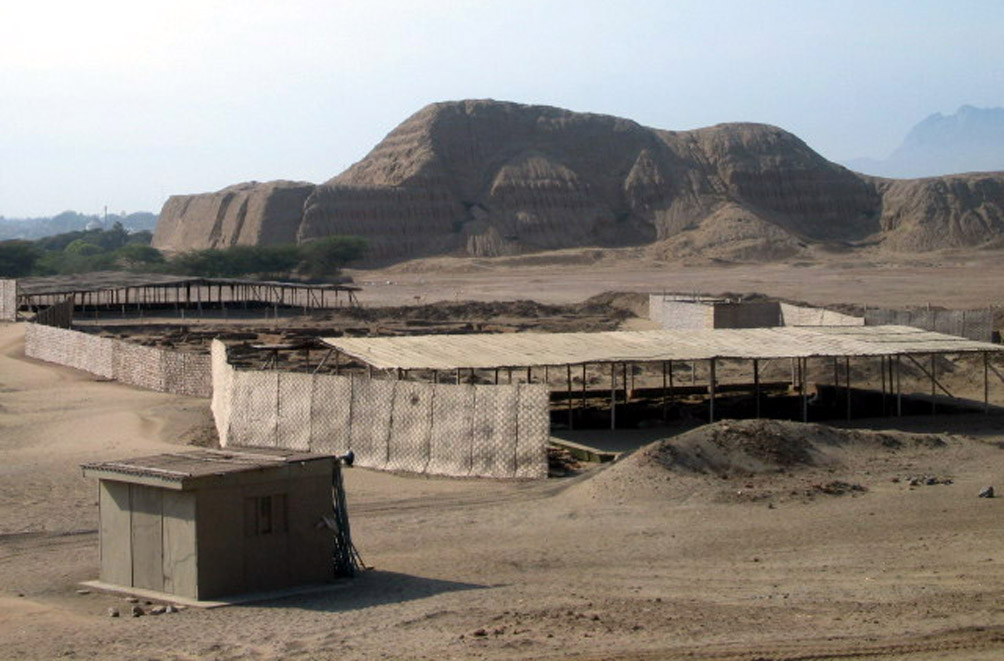
Huaca del Sol
Largest pre-Columbian adobe pyramid in Peru
Paraccra (archaeological site)
Mountainous site with towers and houses.
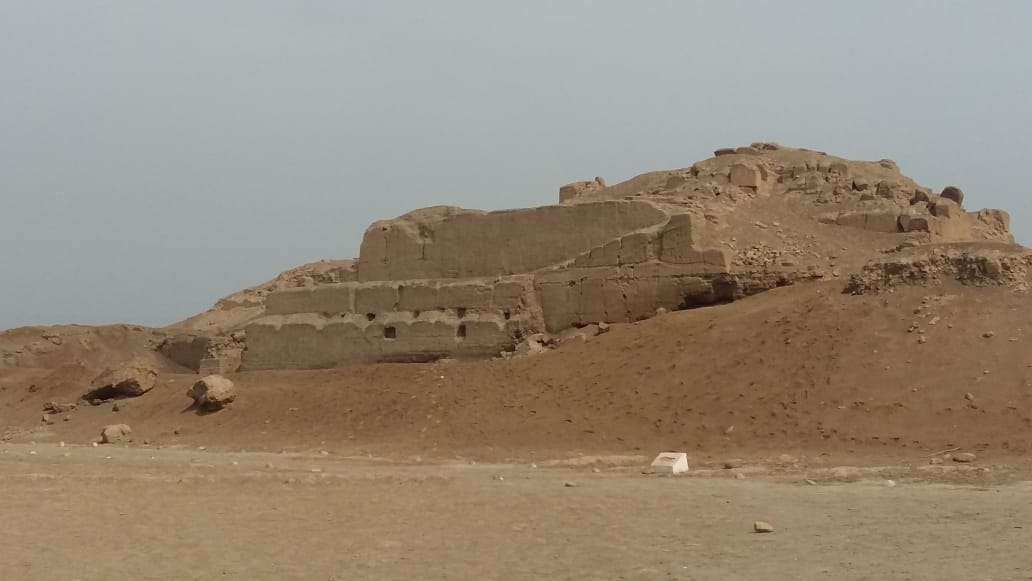
La Centinela
Adobe pyramids in Chincha Valley, Peru.
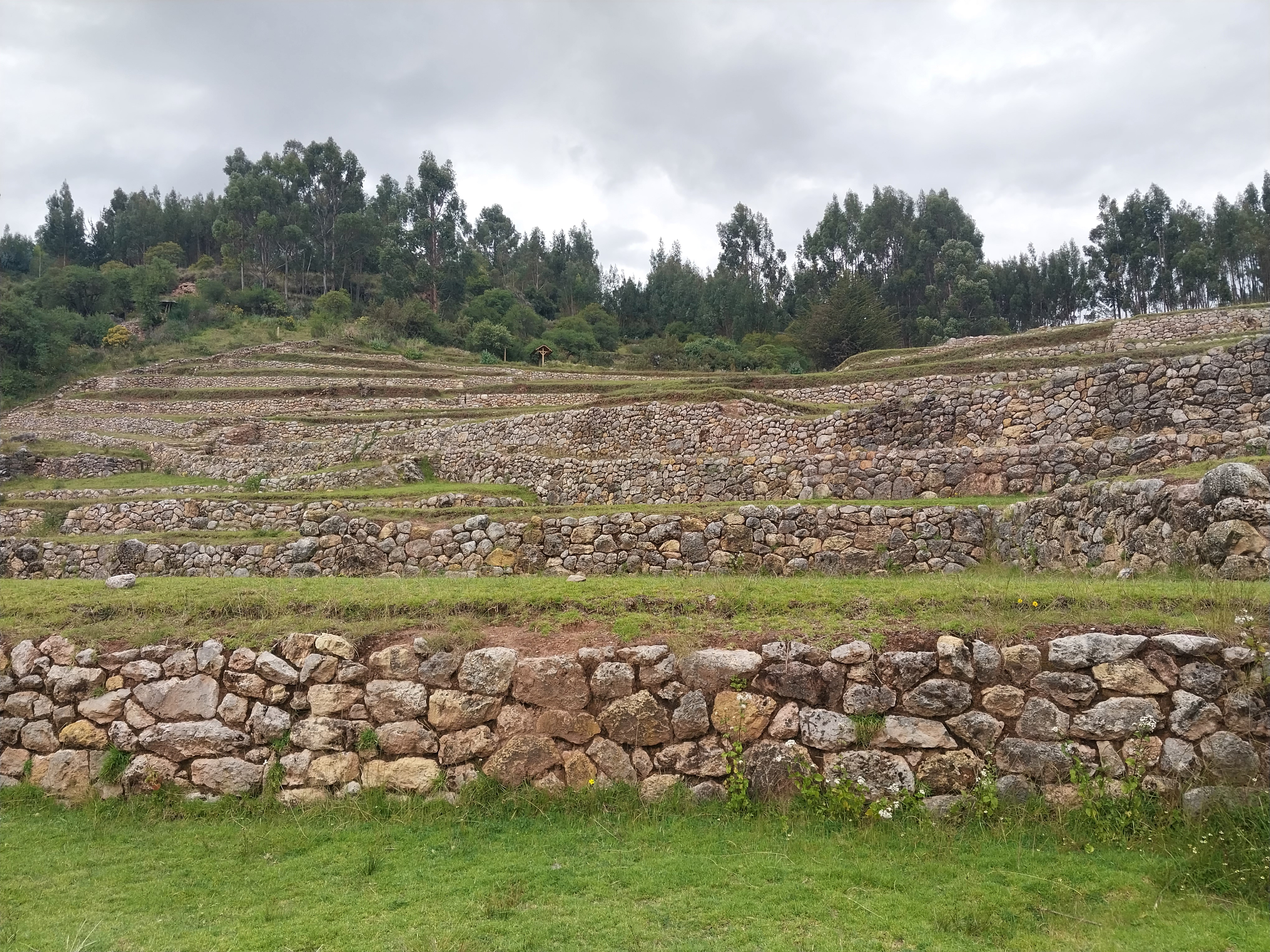
Inkilltambo
Ancient Peruvian site with cultivated terrain.