
Explore the Map
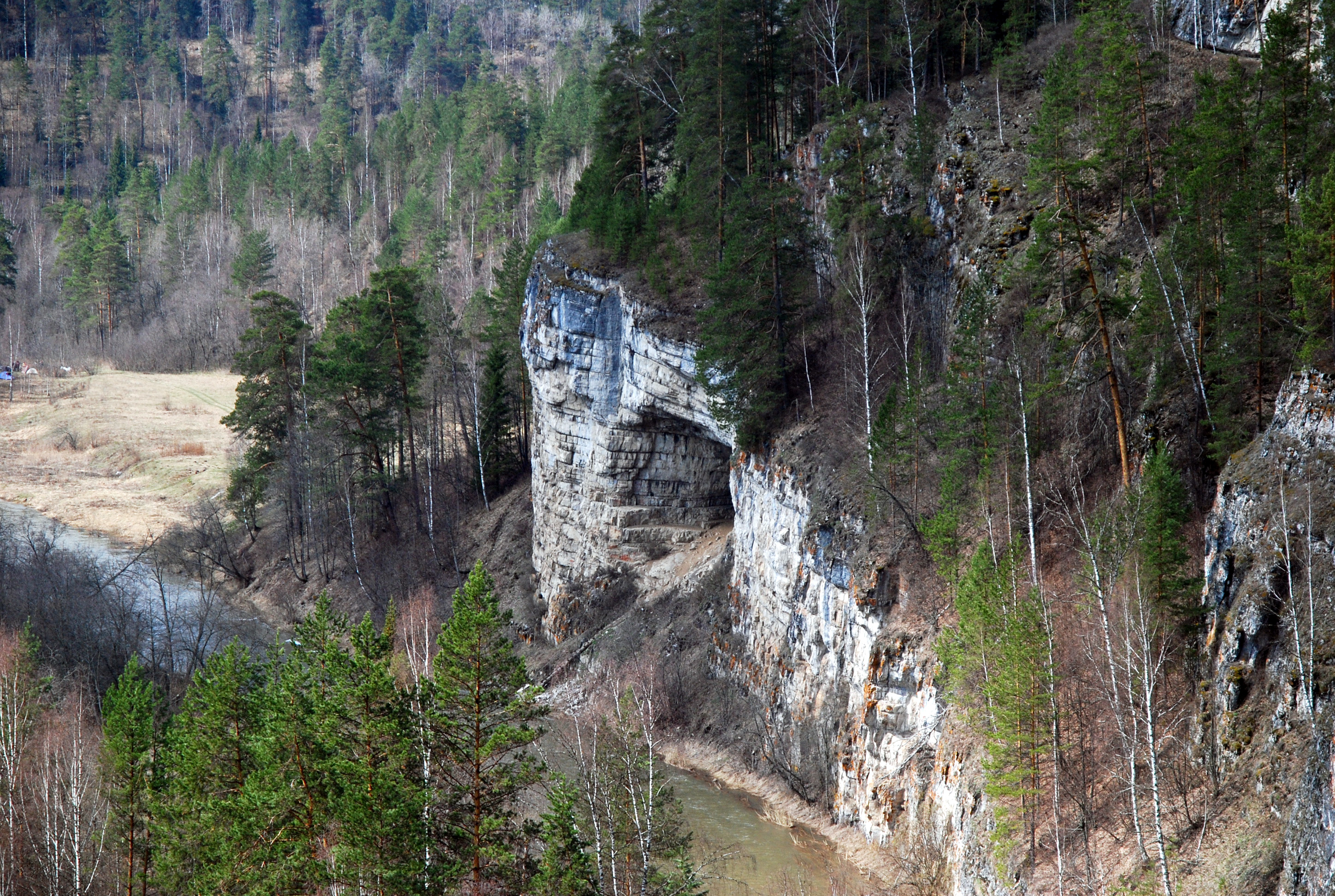
Ignatievka Cave
54.8992° N, 57.7806° E
About
Ignatievka Cave, located in the southern Ural Mountains of Russia, is a significant archaeological site due to its parietal wall paintings and evidence of historical habitation. Discovered in 1980, the cave's intriguing artwork includes a depiction of a female figure with accompanying red dots, suggesting symbolic or ritualistic significance. While the paintings have been associated with the Upper Paleolithic period, their exact age remains debated, with radiocarbon dating suggesting more recent origins. The site also contains microliths, animal remains, and an Iron Age settlement layer. As a non-inhabited site, it is hypothesized to have served as a sacred place for religious ceremonies and adulthood rites, enriching our understanding of ancient cultural practices.
Gallery
Explore photographs of ancient structures, artifacts, and archaeological excavations
Historical Timeline
Journey through time and discover key events in this site's history
Iron Age Settlement
No specific date available
Upper Paleolithic Paintings
No specific date available
Archaeological Features
Unique architectural and cultural elements found at this historical site
Artistic and Decorative Features
Domestic and Habitation Structures
Plan Your Visit
Tours, travel arrangements, and practical information
More Sites in Russia

Pazyryk burials
Iron Age Scythian burial mounds
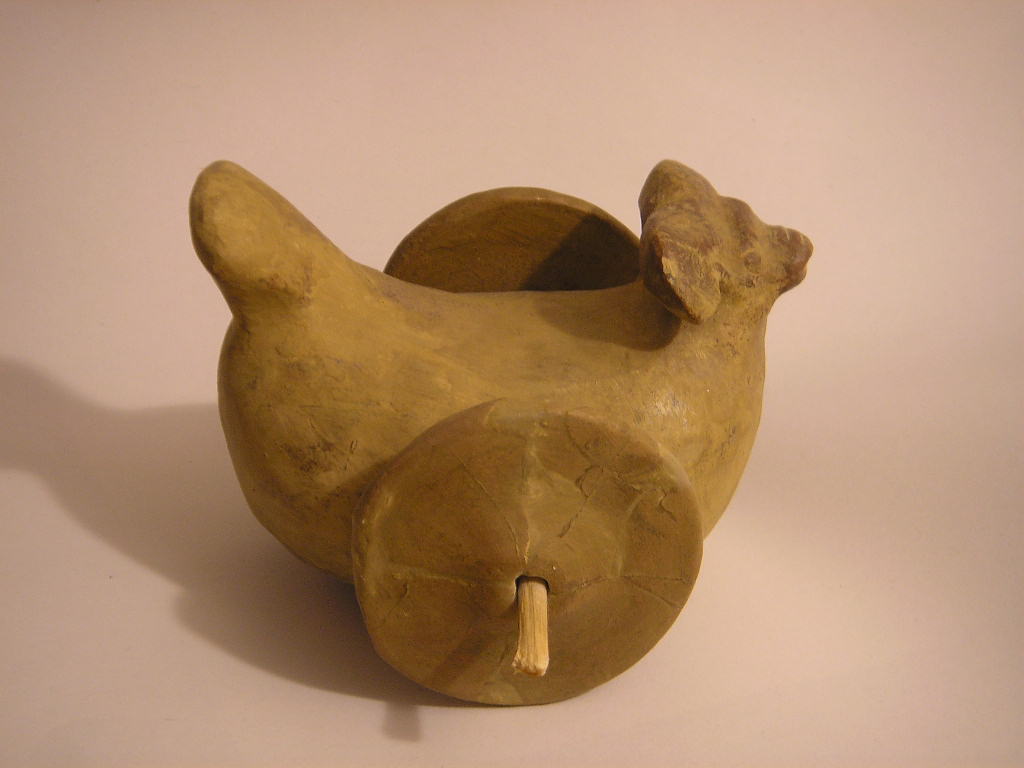
Ivolga archaeological site
Xiongnu fortified city in Buryatia, Russia.
Mezmaiskaya cave
Prehistoric cave with Mousterian artifacts

Tanais
Ancient Greek city in Don River delta
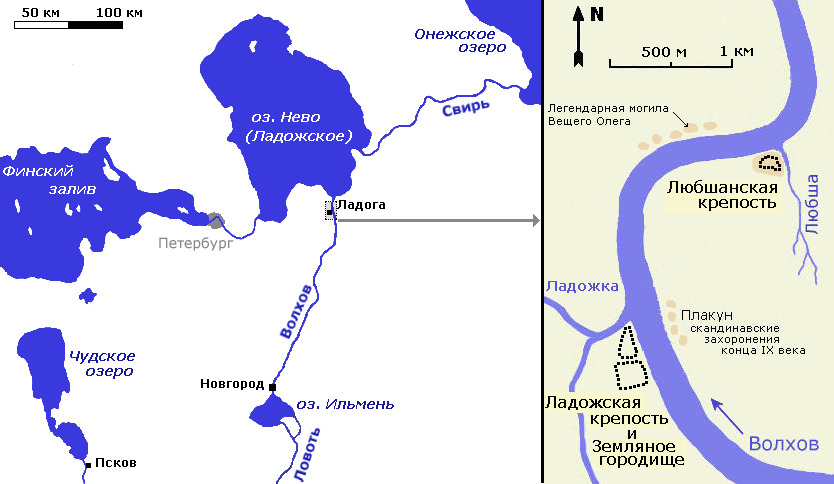
Lyubsha
Early Slavic fortification predating Staraya Ladoga.
Veliky Novgorod
Historic city with medieval structures and artifacts.