Serbia
Starčevo
Time Periods
Paleolithic
Paleolithic
Mesolithic
Mesolithic
Neolithic
Neolithic
Chalcolithic
Chalcolithic
Bronze Age
Bronze Age
Iron Age
Iron Age
Classical Period
Classical Period
Post-Classical Period
Post-Classical Period
Early Modern Period
Early Modern Period
Industrial Period
Industrial Period
Contemporary Period
Contemporary Period
Time Periods
Paleolithic
Paleolithic
Mesolithic
Mesolithic
Neolithic
Neolithic
Chalcolithic
Chalcolithic
Bronze Age
Bronze Age
Iron Age
Iron Age
Classical Period
Classical Period
Post-Classical Period
Post-Classical Period
Early Modern Period
Early Modern Period
Industrial Period
Industrial Period
Contemporary Period
Contemporary Period
Location
About
Starčevo (Serbian Cyrillic: Старчево) is a town located in the Pančevo municipality, in the South Banat District of Serbia. It is situated in the Autonomous Province of Vojvodina. The town has a Serb ethnic majority and its population is 6,661 people (2022 census). The name of the town means "the place of the old man" in Serbian (starac, "elder"). The Neolithic Starčevo culture was named after the Starčevo site.
Plan Your Visit
Details
- Country
- Serbia
- Source
- Wikipedia
More Sites in Serbia
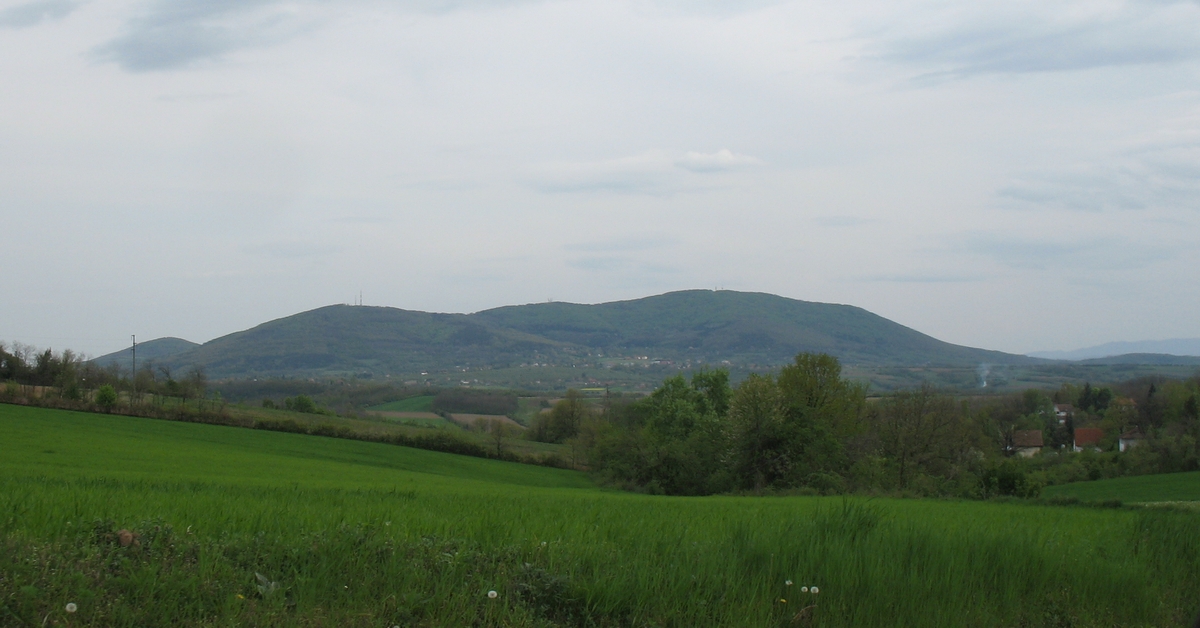
Kosmaj
Mountain with rich historical mining activity.
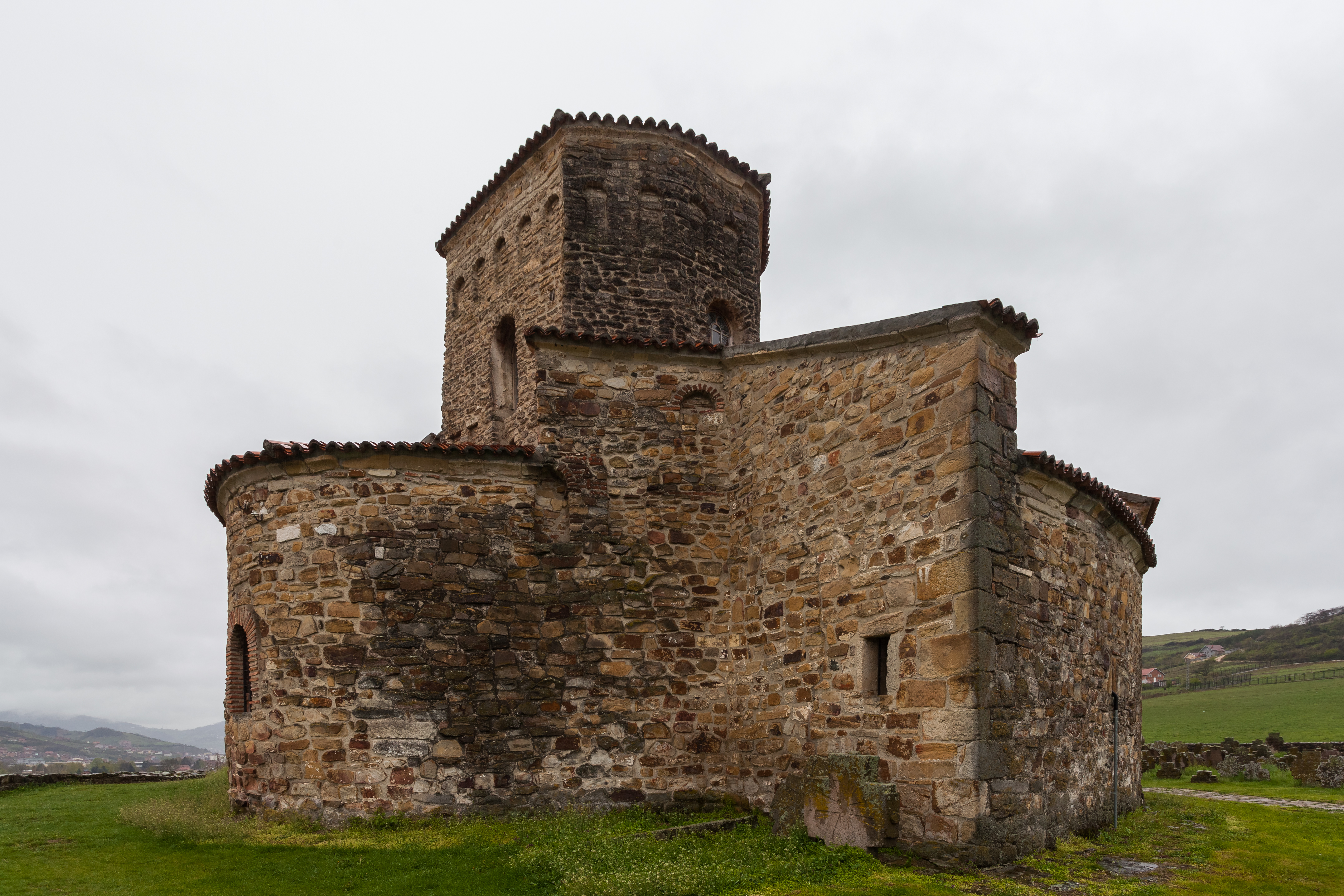
Church of the Holy Apostles Peter and Paul, Ras
Oldest intact church in Serbia, Ras site

Kinđa
Explore this archaeological site.
Brežđe
Brežđe
Explore this archaeological site.
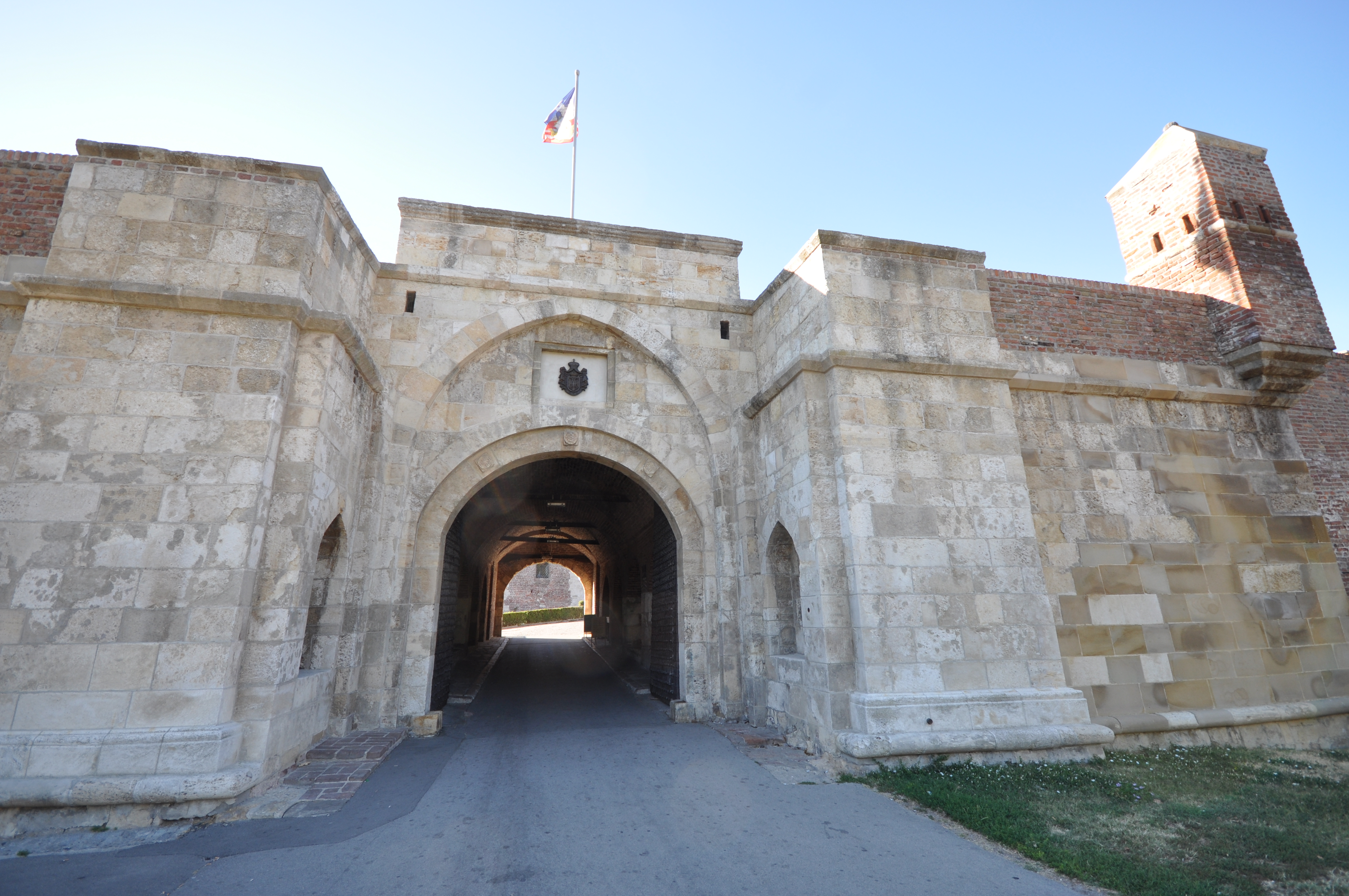
Belgrade Fortress
Historical fortress overlooking Sava and Danube
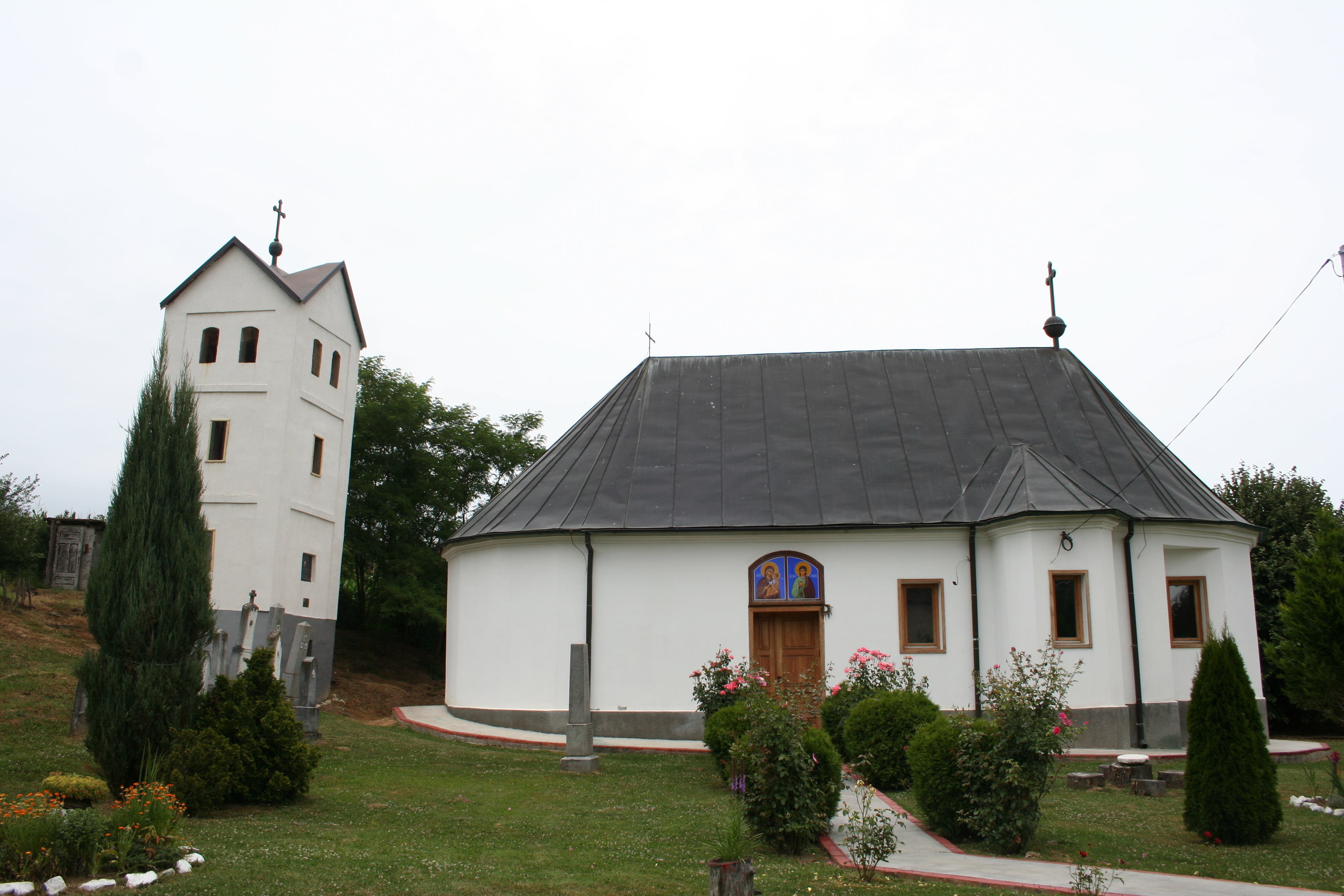
Svileuva
Roman imperial period archaeological site
Time Periods
Paleolithic
Paleolithic
Mesolithic
Mesolithic
Neolithic
Neolithic
Chalcolithic
Chalcolithic
Bronze Age
Bronze Age
Iron Age
Iron Age
Classical Period
Classical Period
Post-Classical Period
Post-Classical Period
Early Modern Period
Early Modern Period
Industrial Period
Industrial Period
Contemporary Period
Contemporary Period
Time Periods
Paleolithic
Paleolithic
Mesolithic
Mesolithic
Neolithic
Neolithic
Chalcolithic
Chalcolithic
Bronze Age
Bronze Age
Iron Age
Iron Age
Classical Period
Classical Period
Post-Classical Period
Post-Classical Period
Early Modern Period
Early Modern Period
Industrial Period
Industrial Period
Contemporary Period
Contemporary Period