Treasure of El Carambolo
Time Periods
Paleolithic
Mesolithic
Neolithic
Chalcolithic
Bronze Age
Iron Age
Classical Period
Post-Classical Period
Early Modern Period
Industrial Period
Contemporary Period
Time Periods
Paleolithic
Mesolithic
Neolithic
Chalcolithic
Bronze Age
Iron Age
Classical Period
Post-Classical Period
Early Modern Period
Industrial Period
Contemporary Period
Location
About
The Treasure of El Carambolo (Spanish: Tesoro del Carambolo) was found in El Carambolo hill in the municipality of Camas (Province of Seville, Andalusia, Spain), 3 kilometers west of Seville, on 30 September 1958. The discovery of the treasure hoard spurred interest in the Tartessos culture, which prospered from the 9th to the 6th centuries BCE, but recent scholars have debated whether the treasure was a product of local culture or of the Phoenicians. The treasure was found by Spanish construction workers during renovations being made at a pigeon shooting society. After years of displaying a replica while the original treasure was locked in a safe, the Archeological Museum of Seville has put the original artifacts on permanent display since January 2012. A replica is on display in the National Archaeological Museum in Madrid.
Plan Your Visit
Details
- Country
- Spain
- Source
- Wikipedia
More Sites in Spain
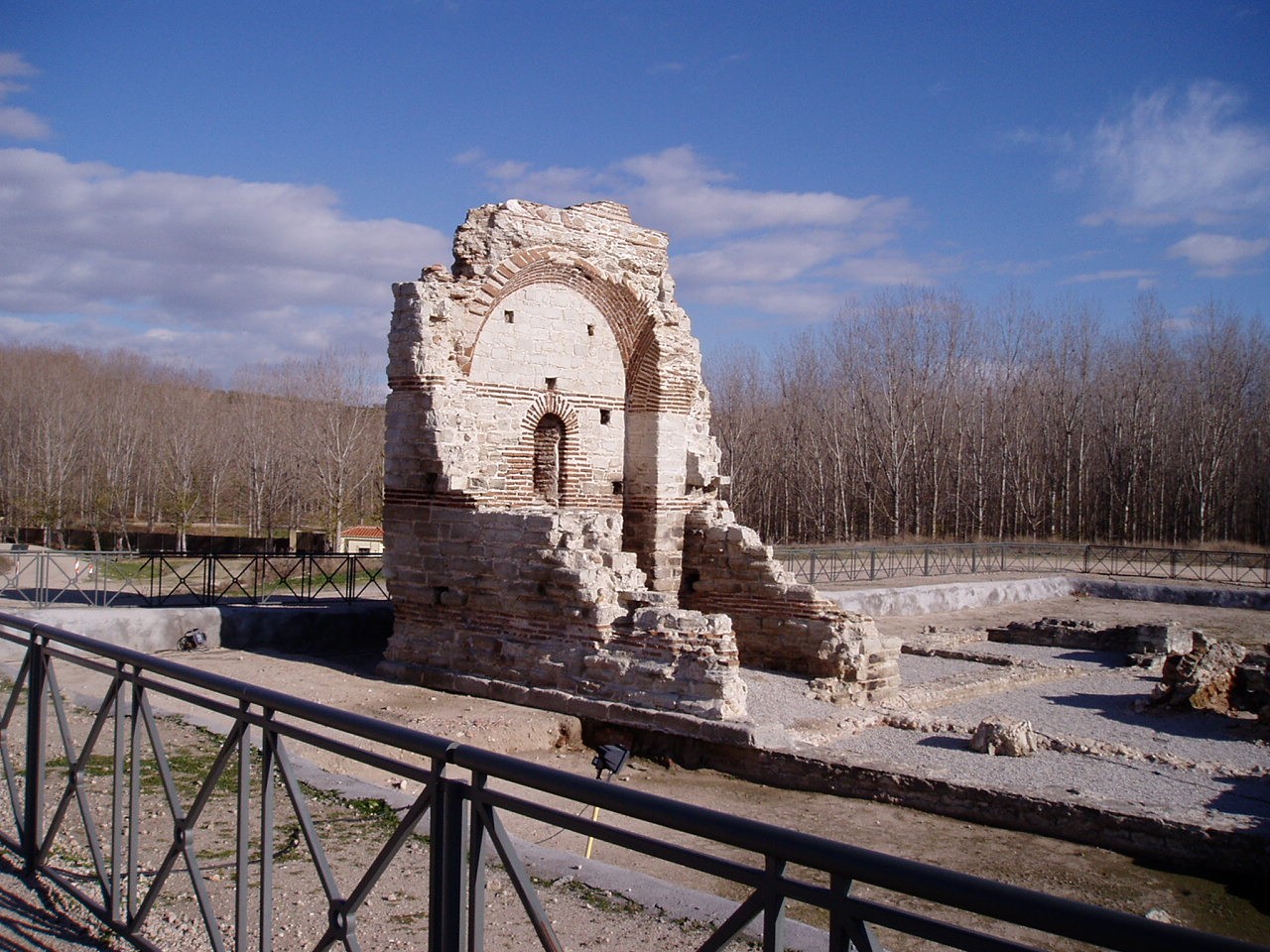
Carranque
Roman villa with mosaics and basilica
Segeda
Explore this archaeological site.
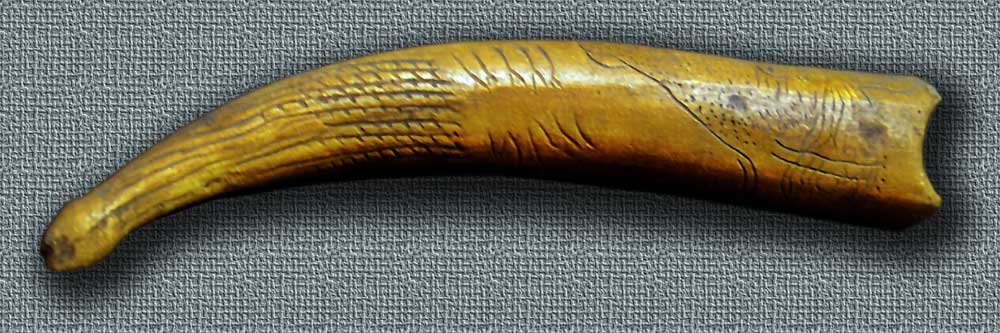
Cave del Valle (Cantabria)
Prehistoric cave with Azilian artifacts
Jewish cemetery, Lucena
Largest Jewish necropolis in Spain.
Valeria, Spain (Roman city)
Explore this archaeological site.
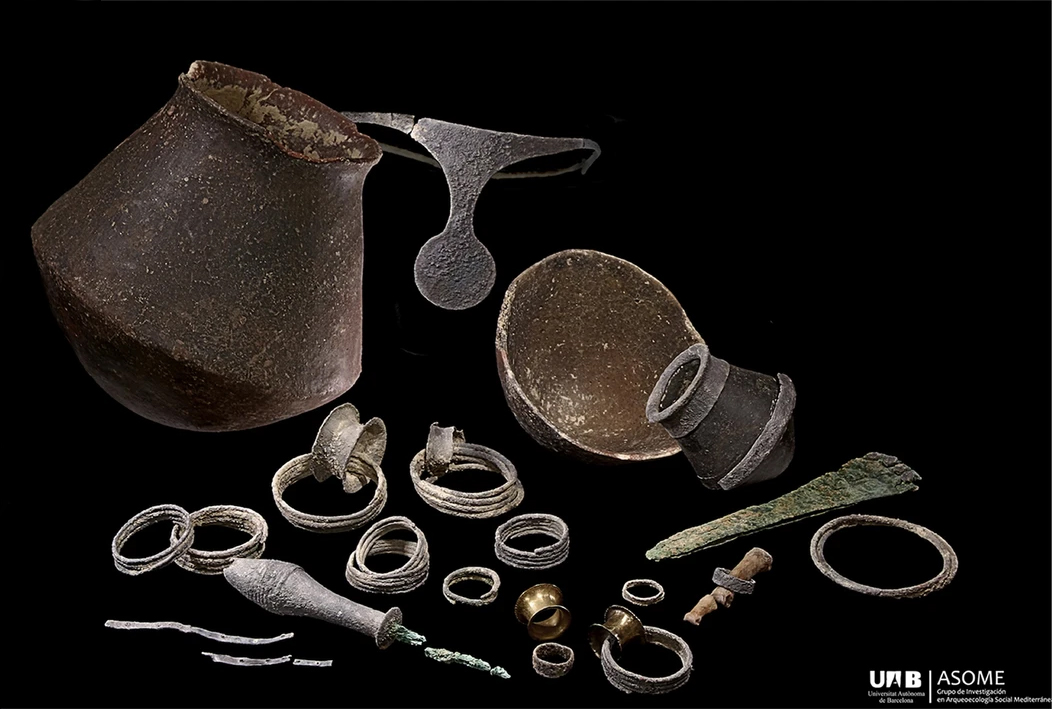
La Almoloya
Bronze Age site with rich graves